
New York’s Flu Surge: What Record-Breaking Cases Mean for Your Winter Health
New York State is experiencing the highest number of flu cases ever recorded in a single week, with a reported 63% jump in flu-related hospitalizations compared with the previous week. If you’re feeling a mix of concern and fatigue—especially after years of navigating respiratory viruses—you’re not alone.
In this guide, we’ll unpack what this record-breaking flu surge really means, how it might affect you and your family, and which evidence-based steps are worth your time and energy. The goal isn’t to scare you, but to give you clear, practical tools to stay as safe and healthy as possible.

What the Record-Breaking Flu Numbers in New York Actually Mean
According to the New York State Department of Health, the state is seeing the highest number of laboratory-confirmed flu cases ever recorded in a single week since statewide tracking began. Flu-related hospitalizations have also increased by about 63% from the previous week, suggesting not just more infections, but more severe illness in some groups.
In practical terms, this surge can mean:
- More people out of work or school at the same time
- Emergency departments and urgent care clinics becoming busier
- Increased risk for high‑risk groups, such as older adults and those with underlying conditions
- Strain on hospital capacity in certain regions
“A rapid jump in flu hospitalizations is one of the clearest signals that a community is moving from a ‘bad’ flu season into a potentially dangerous one, especially for older adults and people with chronic conditions.”
— Infectious disease specialist, commentary on current NYS flu trends
While these numbers are serious, they are also a call to action. The same tools we use every year—vaccination, good hygiene, masking in crowded settings, and staying home when sick—still work and can meaningfully reduce your risk.
A Quick Refresher: What Is the Flu and How Does It Spread?
Influenza (the flu) is a contagious respiratory illness caused mainly by influenza A and B viruses. It spreads primarily through:
- Respiratory droplets when someone coughs, sneezes, talks, or sings
- Close contact (within about 6 feet) with an infected person
- Touching contaminated surfaces and then touching your eyes, nose, or mouth
Common flu symptoms include:
- Fever or feeling feverish/chills
- Cough and sore throat
- Runny or stuffy nose
- Muscle or body aches
- Headaches and fatigue
- Sometimes vomiting and diarrhea, more common in children
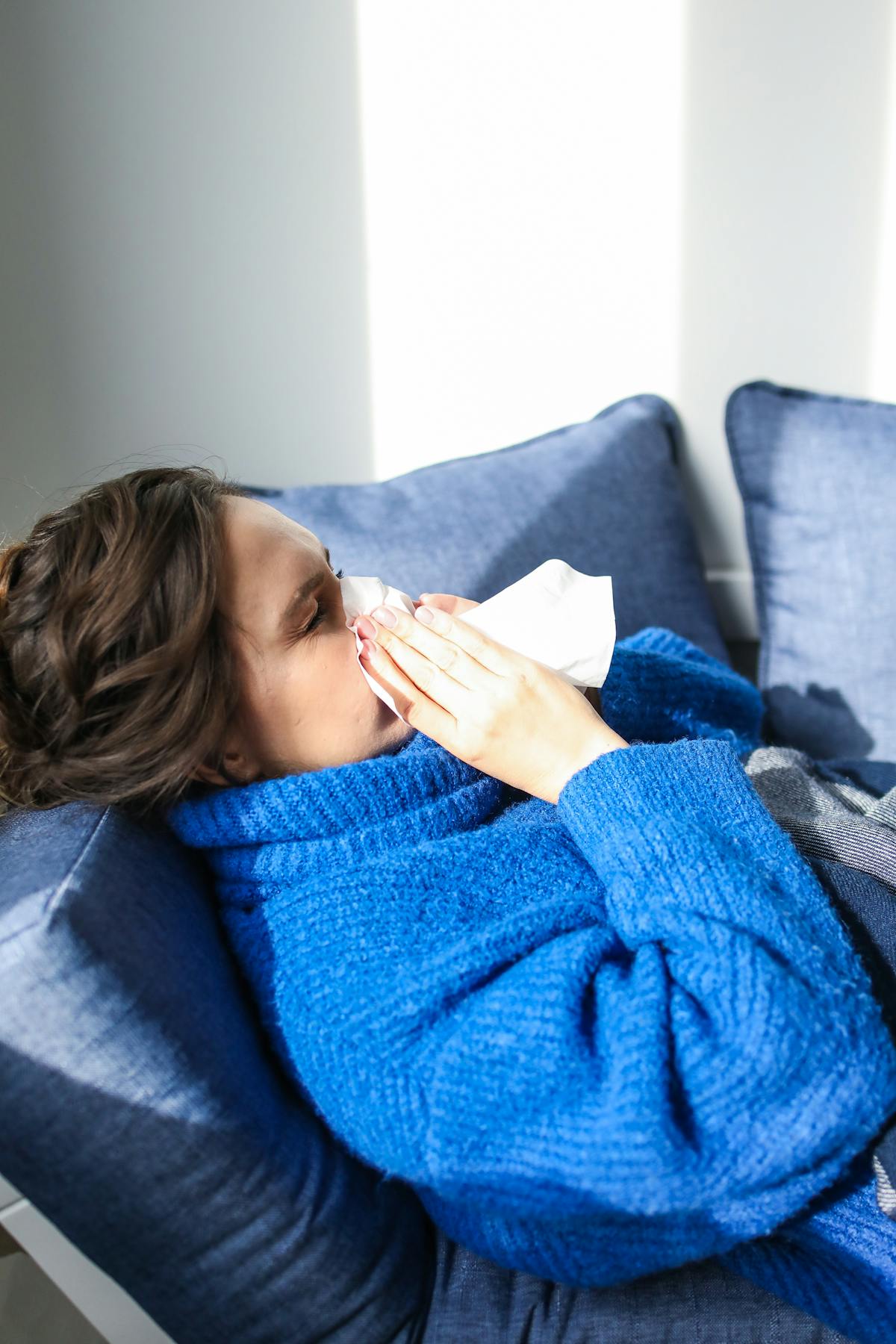
The flu can be mild in many people, but it can also lead to pneumonia, worsening of chronic conditions (like asthma or heart disease), and even death, especially in higher-risk groups.
Who Is Most at Risk During This New York Flu Surge?
While anyone can get the flu, some people are more likely to develop serious complications and require hospitalization. In the context of New York’s record-breaking week, protecting these groups is especially important:
- Adults aged 65 and older
- Children younger than 5, especially under 2 years
- Pregnant people and those up to 2 weeks postpartum
- People with chronic conditions (e.g., asthma, COPD, diabetes, heart disease, kidney disease)
- People with weakened immune systems (e.g., from cancer treatment, HIV, certain medications)
- Residents of nursing homes or long‑term care facilities
Evidence-Based Ways to Protect Yourself During the Flu Spike
No strategy offers 100% protection, but combining several proven measures can significantly reduce your risk of getting or spreading flu—especially when cases and hospitalizations are surging.
1. Get the Seasonal Flu Vaccine (If You Haven’t Yet)
The flu vaccine remains the single most effective tool we have to reduce severe illness, hospitalization, and death from influenza. Even in seasons when the match between the vaccine and circulating strains is imperfect, vaccination:
- Lowers your chance of getting sick with the flu at all
- Reduces the severity of illness if you do get infected
- Helps protect people around you, especially the most vulnerable
“In years with significant surges, we consistently see that vaccinated individuals are less likely to end up in the hospital—even if they still catch the flu.”
— Public health physician, referencing CDC seasonal flu vaccine data
In New York, flu shots are widely available at:
- Pharmacies and grocery store clinics
- Primary care offices and pediatric clinics
- Community health centers and some workplaces or schools
2. Use Smart Masking and Ventilation in High‑Risk Settings
During periods of very high community transmission, masking and better air flow offer additional layers of protection. Consider:
- Wearing a high-quality mask (such as a KN95 or N95‑style mask) in crowded indoor spaces like public transit, busy stores, and healthcare settings
- Improving ventilation at home and work by opening windows when possible or using portable HEPA filters
- Moving gatherings outdoors or to well‑ventilated spaces when feasible
3. Double Down on Hand Hygiene and Surface Cleaning
While flu spreads mainly through the air, contaminated hands and surfaces can still play a role. Simple practices help:
- Wash hands with soap and water for at least 20 seconds, especially after being in public places.
- Use an alcohol-based hand sanitizer (at least 60% alcohol) when soap and water aren’t available.
- Regularly clean high‑touch surfaces like doorknobs, light switches, and phones.

4. Stay Home When Sick—And Encourage Others to Do the Same
One of the biggest drivers of rapid spread is “pushing through” mild illness. When you have flu‑like symptoms:
- Stay home from work, school, and social events.
- Rest and stay hydrated.
- Cover coughs and sneezes with a tissue or your elbow.
If your employer or school has a flexible policy during this flu surge, use it. Preventing a few days of spread can protect many others from serious illness.
Flu Treatment, Antivirals, and When to Seek Medical Care
Most healthy adults recover from flu at home with rest, fluids, and over‑the‑counter medications for fever and pain. However, during a surge—especially one that is driving up hospitalizations—it’s important to know when to reach out for more help.
Antiviral Medications: Time‑Sensitive Tools
Prescription antiviral drugs, such as oseltamivir (Tamiflu®) and others, can:
- Shorten the duration of illness by about 1 day on average
- Reduce the risk of certain complications, especially in high‑risk patients
These work best when started within 48 hours of symptom onset, so contact your healthcare provider promptly if:
- You’re in a high‑risk group and develop flu‑like symptoms
- You’ve been exposed to flu and live or work in a high‑risk setting (like a nursing home)
Red‑Flag Symptoms: Get Immediate Help
Seek urgent or emergency care if you or someone you’re caring for has:
- Trouble breathing or shortness of breath
- Persistent chest or severe abdominal pain
- New confusion or difficulty waking up
- Persistent dizziness or inability to stay hydrated
- Symptoms that improve but then return with worse fever or cough
A Real-World Snapshot: One Family’s Experience in Upstate New York
In early December, a family in Central New York—two parents in their 40s and two school‑aged children—noticed classmates and coworkers dropping out with “a bad cold.” Within days, both kids developed high fevers and deep coughs. Their pediatrician confirmed influenza A in both.
Because the younger child has asthma, the pediatrician started antiviral treatment the same day symptoms appeared. The child still felt miserable for several days, but avoided a trip to the emergency department. The parents, who had received their flu shots in October, later tested positive as well, but described their illness as “a rough few days” rather than “the worst flu we’ve ever had.”
This is just one anecdote, but it lines up with what larger studies show: vaccination and early care cannot always prevent infection, but they often shift the illness from severe to manageable—and that difference matters greatly during a surge.

Common Obstacles—and How to Navigate Them
Taking action during a surge is not just about knowing what to do; it’s about overcoming the very real barriers that many people face.
“I’m exhausted from thinking about viruses.”
Many New Yorkers are experiencing “pandemic fatigue,” making it harder to keep up with precautions. Instead of trying to do everything perfectly, focus on:
- Getting your flu shot if you haven’t yet
- Masking in the highest‑risk settings (crowded indoor spaces, public transit, hospitals)
- Staying home when you feel genuinely unwell
“I can’t easily take time off work.”
This is a major challenge, especially in service and hourly jobs. Some strategies that may help:
- Talk with your employer proactively about the current surge and any temporary flexibility in sick‑leave policies.
- Ask whether remote work is possible for part of your illness if you feel well enough.
- Consider wearing a well‑fitting mask at work during the surge to reduce your chances of getting infected in the first place.
“I’m not sure which information to trust.”
For up‑to‑date, evidence‑based guidance on the flu situation in New York, stick with:
- New York State Department of Health – Influenza
- U.S. Centers for Disease Control and Prevention – Seasonal Flu
- Your local health department’s website or social media channels
A Simple 7‑Day Action Plan for New Yorkers
If you’re feeling overwhelmed, here’s a manageable, week‑long plan to boost your protection during this surge:
- Day 1–2: Schedule or get your flu shot if you haven’t already.
- Day 2–3: Set up a small “sick kit” at home: thermometer, fever reducer (like acetaminophen or ibuprofen), tissues, electrolyte drinks, and masks.
- Day 3–4: Review your household’s plan: who can pick up medications, who can help with childcare, and how to isolate a sick family member if needed.
- Day 4–5: Improve ventilation at home—identify at least one room where you can safely open windows or use a HEPA filter.
- Day 5–6: Talk with high‑risk loved ones about their plan: Are they vaccinated? Do they know how to reach their doctor quickly if they get sick?
- Day 6–7: Decide your personal masking strategy for the next month in crowded indoor spaces, based on your risk and comfort level.

Looking Ahead: Staying Informed, Not Alarmed
New York’s highest‑ever weekly flu numbers and the 63% jump in hospitalizations are clear signs that this season deserves our attention. But they are also a reminder that we are not powerless. Flu vaccines, common‑sense precautions, and early care for those at highest risk can substantially blunt the impact of even a record‑breaking surge.
You do not need to put your life on hold. You do not need to live in fear. But you can:
- Get vaccinated if you haven’t yet
- Mask strategically in high‑risk settings
- Stay home when you’re sick
- Check in on older or medically vulnerable neighbors and family
Taken together, these actions protect not just you, but also the healthcare workers and communities carrying the weight of this surge. If you’re ready to take the next step, start by making a flu shot appointment today or confirming where you’d go for care if you or a loved one got sick.
Small, consistent choices now can make this record‑setting flu season safer for everyone in New York.
