
New Mega-Study Questions Medical Marijuana Benefits for Pain and Sleep
If you live with pain, anxiety, or stubborn insomnia, it can feel like you’ve already tried everything. For many people, medical marijuana has sounded like a gentler, more natural answer—something that might finally help when prescriptions and over‑the‑counter options haven’t.
A huge new analysis, covered by Futurism, is now challenging some of those hopes. Psychiatrists reviewed 15 years of medical cannabis research and found that medical marijuana doesn’t seem to help much with acute pain or insomnia, and the benefits for other conditions are often smaller and less certain than many people have been led to believe.
That doesn’t mean cannabis is “bad” or that no one benefits from it. But it does mean we need to talk honestly about what the science actually shows, where medical cannabis may still have a role, and how patients can protect themselves from disappointment and harm.
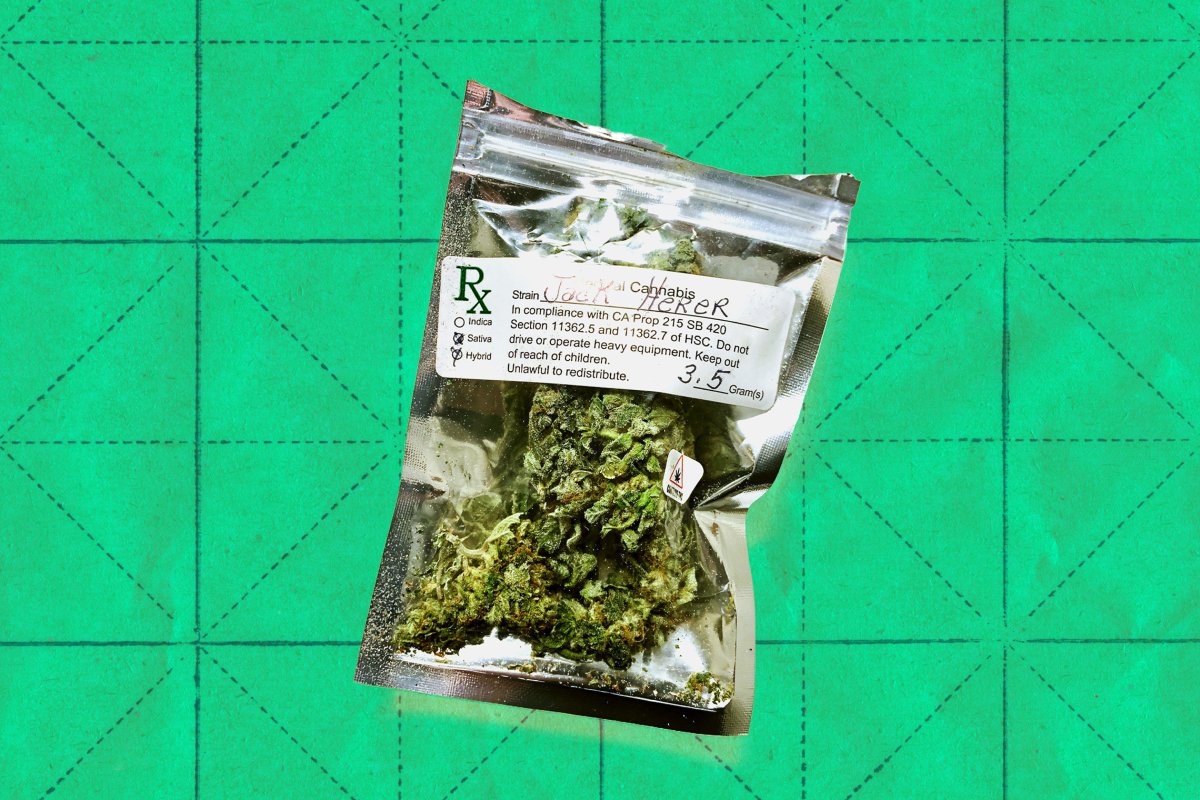
What This New Mega‑Study Actually Found
The team of psychiatrists examined years of clinical trials and systematic reviews on medical cannabis. Their conclusion, as summarized by Futurism, was blunt:
Based on existing evidence, medical cannabis shows little to no benefit for acute pain or primary insomnia, and only modest, inconsistent benefits for several other conditions.
In plain language, the strongest claims often made about medical marijuana—especially that it can quickly relieve pain and “knock you out” for sleep—are not well supported when you pool together the best available evidence.
- Acute pain: For short‑term pain (like after surgery or injury), cannabis typically did no better than placebo or offered only very small improvements.
- Insomnia: While some people feel sleepier with cannabis, high‑quality studies found it did not reliably improve overall sleep quality, sleep time, or next‑day functioning.
- Other conditions: There was mixed or limited evidence for conditions such as anxiety, PTSD, and chronic pain, with benefits often offset by side effects.
Medical Cannabis and Acute Pain: Why the Hype Doesn’t Match the Data
Many patients are told that medical cannabis can “take the edge off” pain quickly, especially after injury or surgery. The new review—and several earlier meta‑analyses—don’t back that up.
In controlled trials where patients didn’t know if they were getting cannabis or placebo:
- Pain scores often improved only a little more with cannabis than with placebo, if at all.
- Higher doses that might help more with pain also increased side effects such as dizziness, confusion, and nausea.
- For some patients, the side effects outweighed the modest pain relief they felt.
“We’re not seeing the kind of robust, reproducible pain relief that would justify first‑line use of medical cannabis for acute pain in most people,” notes one pain specialist in response to the findings.
For severe, short‑term pain, well‑studied options such as acetaminophen, NSAIDs, nerve blocks, and carefully monitored short‑term opioids still have stronger evidence behind them—though each carries its own risks and should be used thoughtfully.
Cannabis for Insomnia: Feeling Sleepy vs. Sleeping Well
Many people swear cannabis helps them fall asleep. And in the short term, it may. THC in particular can make you feel sedated. But the psychiatrists’ review found that, over time, it often doesn’t translate into better sleep health.
- Patients sometimes fell asleep faster, but total sleep time and deep sleep stages didn’t reliably improve.
- Some people developed tolerance, needing more cannabis to get the same sleepy effect.
- Higher doses were linked with next‑day grogginess, memory problems, and worsened mood in some studies.
- Stopping suddenly could trigger rebound insomnia or vivid dreams.
I’ve seen this pattern repeatedly in clinic: someone starts cannabis gummies at night and sleeps better for a week or two. Then the effect fades. They increase the dose, feel foggier during the day, and their original sleep problems gradually return.

Where Medical Marijuana May Still Have a Role
The new analysis does not say that medical cannabis is useless. Instead, it suggests that its most reliable benefits are narrower and more specific than the marketing might suggest.
Based on broader scientific literature (including work by organizations like the U.S. National Academies), potential areas of benefit include:
- Chemotherapy‑induced nausea and vomiting: Certain cannabis‑based medicines can help when standard anti‑nausea medications fail.
- Spasticity in multiple sclerosis (MS): Some patients report reduced muscle stiffness and spasms with carefully dosed products.
- Chronic neuropathic pain: In select cases, cannabis may provide modest relief alongside other treatments.
- Rare seizure disorders: Purified cannabidiol (CBD) medications have proven benefit in specific epilepsies such as Dravet syndrome.
“Medical cannabis is best thought of as a second‑ or third‑line option for certain hard‑to‑treat conditions—not a cure‑all,” explains a neurologist who prescribes cannabis formulations in a specialized clinic.
Risks the New Study Brings Back Into Focus
When a treatment is heavily marketed as “natural” and “safe,” it’s easy to underestimate the downsides. The psychiatrists’ review and related research highlight several real risks of medical cannabis, especially with long‑term or heavy use.
- Mental health effects: Higher‑THC products can worsen anxiety, trigger panic, and in some vulnerable people contribute to psychosis or worsen bipolar symptoms.
- Cannabis use disorder: A significant minority of users—especially daily users—develop cravings, withdrawal symptoms, or loss of control over use.
- Cognitive impact: Problems with memory, attention, and motivation can occur, particularly with high doses and in younger adults.
- Respiratory issues: Smoking cannabis carries risks similar to tobacco smoke exposure, including cough and bronchitis.
- Drug interactions: Cannabis can interact with sedatives, blood thinners, anti‑seizure medications, and others.
Why So Many People Swear It Works if the Evidence Is Mixed
You might be thinking, “But I know people who say medical marijuana changed their life.” Both things can be true: individual experiences can be powerful, while average results in studies can be modest.
Several factors help explain the gap:
- Placebo effect: When we strongly believe a treatment will help, our brain can genuinely change how we feel pain, anxiety, or sleepiness.
- Self‑titration: Outside of trials, people adjust dose and strain until something feels better; that flexibility can boost perceived benefit.
- Other changes: When starting cannabis, people may also rest more, reduce alcohol, or change routines—these can help too.
- Selective stories: We tend to hear dramatic success stories more than “it didn’t do much for me,” especially on social media.
“Anecdotes are real human experiences—but they’re not the same as proof. Both matter, and both should guide cautious, individualized decisions.”
The key is to respect what you feel in your own body and to keep one eye on what large numbers of patients experience on average. That balance helps you avoid overpromising to yourself or others.
If You’re Considering Medical Marijuana: Safer, Science‑Informed Steps
If you’re already using medical cannabis—or seriously thinking about it—the goal isn’t to shame you or tell you what to do. It’s to help you make clear‑eyed, informed choices.
Here’s a structured way to approach it:
- Clarify your goal.
Are you hoping to sleep through the night, cut pain in half, reduce nausea, or ease anxiety? Pick one or two main goals and write them down. - Review the evidence with a clinician.
Ask: “What does research show about cannabis for my condition?” A pain doctor, neurologist, psychiatrist, or addiction specialist can often give more nuanced guidance than a general dispensary worker. - Start low, go slow—if you proceed.
If you and your clinician decide to try it, begin with the lowest practical dose, avoid smoking, and consider products with more CBD and less THC to reduce mental side effects. - Track your outcomes.
Use a simple 0–10 scale for pain, sleep quality, or anxiety each day. If there’s no meaningful improvement after a trial period (often 4–8 weeks), reconsider continuing. - Watch for warning signs.
Red flags include needing rapidly higher doses, using more than you planned, feeling unable to cut back, or noticing worsening mood, paranoia, or memory issues.
Evidence‑Based Alternatives for Pain and Insomnia
The discouraging part of the new study is that cannabis may not be the answer many hoped for. The encouraging part is that we’re not limited to a choice between suffering and medical marijuana.
For Pain
- Physical therapy and graded exercise
- Multidisciplinary pain programs
- Non‑opioid medications (when appropriate)
- Mind‑body approaches (mindfulness, CBT for pain)
- Interventional procedures (nerve blocks, injections) in select cases
For Insomnia
- Cognitive Behavioral Therapy for Insomnia (CBT‑I)
- Consistent wake time and light exposure
- Limiting caffeine, alcohol, and late‑night screens
- Short‑term use of evidence‑based sleep medications under guidance
- Addressing underlying issues like pain, anxiety, or sleep apnea
Before and After: Expectations vs. Reality With Medical Cannabis
Many patients enter medical cannabis programs with very high expectations. The new mega‑study invites a recalibration.

| Common Expectation | What Evidence Suggests |
|---|---|
| “It will replace all my pain meds.” | It may offer modest relief for some chronic conditions, usually as an add‑on, not a complete replacement. |
| “It’s a natural cure for insomnia.” | It can cause short‑term drowsiness but has limited evidence for long‑term insomnia relief. |
| “Because it’s medical, it’s safe.” | Medical products still carry risks: dependence, mental health effects, and interactions with other drugs. |
| “If it’s helping a friend, it will work the same for me.” | Genetics, brain chemistry, other medications, and underlying health all influence how you respond. |
Moving Forward: Honest Hope, Not Hype
Living with chronic pain, insomnia, or other hard‑to‑treat symptoms is draining. It’s understandable to feel frustrated—even betrayed—when a treatment you were sold as a game‑changer turns out, in large studies, to be more of a small nudge.
The new mega‑study on medical marijuana doesn’t mean you imagined any benefit you’ve felt. It does mean we need to bring our expectations back in line with reality: cannabis is a tool, not a miracle, and often not the most effective tool available.
You deserve:
- Clear, unbiased information about what medical cannabis can and can’t do.
- Access to proven treatments like CBT‑I, physical therapy, and multidisciplinary pain care.
- Support if you’ve started using cannabis and are now worried about dependence or side effects.
If this study has you rethinking your options, consider this your invitation to start a deeper conversation with a trusted clinician. Bring your questions, your hopes, and your concerns about medical marijuana. Together, you can design a plan that leans on the best available evidence, respects your lived experience, and keeps your long‑term health at the center.
Next step: write down your top 1–2 symptoms, how they affect your life, and what you’ve already tried. Take that list to your next appointment and ask, “Given the latest research on medical cannabis, what do you recommend for me specifically?”
