
This 25-Year-Old Nutrition Coach’s Power Breakfast That Fuels All-Day Energy
Mornings can feel like a blur: you’re rushing out the door, half-awake, and tempted to grab the quickest thing you see—usually something sweet, beige, and gone in three bites. A few hours later, you’re hungry again, your focus slips, and the day feels a little harder than it needs to.
A 25-year-old certified nutrition and health coach, known online as “Health with Hunter”, has found a different approach. She leans on one simple, repeatable breakfast formula that—her words—“sets me up for success, it makes me feel good.” It’s built around protein, fiber, and healthy fats to steady energy and mood through the morning.
In this guide, we’ll unpack her go-to breakfast, explore why it works from a science-backed perspective, and show you easy ways to build your own version—even if you’re not a morning person, don’t love cooking, or feel stuck in a cereal-and-coffee rut.

Why Your Usual Breakfast Might Be Draining Your Energy
Many popular “breakfast foods” are heavy on refined carbs and added sugar and light on protein or fiber. Think:
- Sweetened cereal with low-protein milk
- Bagels, muffins, or pastries on the go
- Flavored coffee drinks in place of an actual meal
These options digest quickly, spiking blood sugar and then dropping it back down—often below baseline. Research has linked this rollercoaster effect to:
- Mid-morning crashes and brain fog
- Intense cravings for more sugar or caffeine
- Increased irritability and swings in mood
“Breakfasts high in refined carbohydrates can trigger rapid swings in blood glucose, which are associated with fatigue and difficulty concentrating later in the morning.” – Summary of findings from multiple glycemic control studies published in American Journal of Clinical Nutrition
None of this means you can “fix” your whole health with one meal. But a smarter morning routine can make your day feel calmer, steadier, and more satisfying—without perfection or strict rules.
Inside the Nutrition Coach’s Go-To Breakfast Formula
Although she tweaks ingredients based on cravings and what’s in the kitchen, this 25-year-old coach follows one core rule:
Every breakfast must include: protein + fiber-rich carbs + healthy fats.
One of her favorite combinations looks like this:
- Protein base: Greek yogurt or soft-scrambled eggs
- High-fiber carbs: berries, sliced banana, or a piece of whole-grain toast
- Healthy fats: peanut butter, almond butter, chia seeds, or walnuts
- Bonus: a sprinkle of cinnamon or a drizzle of honey for flavor, not as the main event
She repeats this structure most mornings because it’s fast, familiar, and leaves her feeling pleasantly full—not stuffed or sleepy.
The Science: Why Protein, Fiber, and Healthy Fats Work So Well
Her go-to breakfast isn’t just trendy—it’s grounded in how your body handles food in the morning.
1. Protein for Satiety and Focus
Studies suggest that a higher-protein breakfast can:
- Promote a stronger sense of fullness compared with a high-carb breakfast
- Reduce cravings later in the day
- Support steady blood sugar responses
Many experts recommend aiming for 20–30 grams of protein at breakfast for most healthy adults, though individual needs vary.
2. Fiber-Rich Carbs for Gentle, Long-Lasting Energy
Instead of skipping carbs altogether, this coach chooses slow-digesting sources like fruit, oats, or whole-grain bread. These foods:
- Digest more slowly than refined carbs
- Help prevent sharp spikes and crashes in blood sugar
- Support gut health and regularity
3. Healthy Fats for Satisfaction and Hormone Support
Nuts, seeds, avocado, and nut butters supply unsaturated fats, which:
- Help you stay fuller for longer
- Support absorption of fat-soluble vitamins (A, D, E, K)
- Contribute to brain and hormone health
“A breakfast that combines protein, fiber, and healthy fats appears to support better appetite control and more stable energy levels than meals dominated by refined carbohydrates alone.”—Summary of expert consensus from nutrition research reviews in Advances in Nutrition
How to Build Your Own “Coach-Approved” Breakfast Plate
You don’t have to copy her exact meals. Use this 3-step formula to build a breakfast that fits your tastes, cultural foods, and schedule.
Step 1: Pick a Protein Anchor
Choose one (or combine) to reach roughly 20–30g of protein:
- Greek or skyr-style yogurt (plain, unsweetened if possible)
- Eggs or egg whites (scrambled, boiled, or in a veggie omelet)
- Cottage cheese or ricotta
- Tofu scramble or tempeh strips
- Protein smoothie with a quality protein powder
Step 2: Add a Fiber-Rich Carb
These help steady your energy:
- Berries, apples, pears, or citrus
- Oats or overnight oats
- Whole-grain toast, English muffin, or tortilla
- Cooked quinoa or buckwheat
Step 3: Finish with Healthy Fats
Add one small serving:
- 1–2 tablespoons peanut, almond, or sunflower seed butter
- A small handful of nuts (walnuts, almonds, pistachios)
- Chia, flax, or hemp seeds
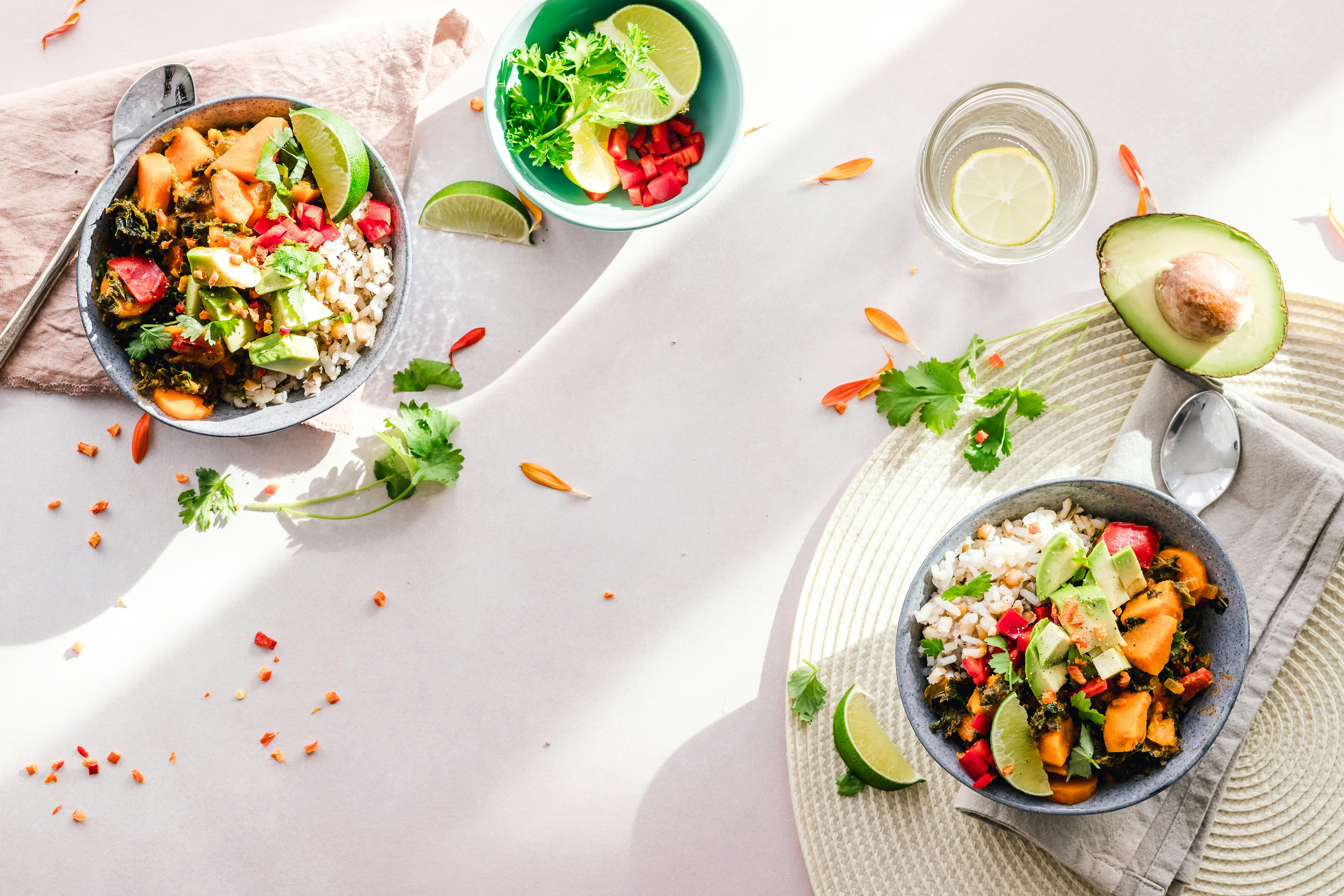
- ¼–½ avocado
Real-Life Adaptations: 10 Breakfast Ideas in Under 10 Minutes
Here’s how this formula can look on busy weekdays, based on what the coach often shares with her clients.
- Yogurt Power Bowl: Greek yogurt + mixed berries + chia seeds + a spoon of peanut butter.
- Eggs on Toast: Two eggs scrambled in olive oil + whole-grain toast + sliced avocado.
- Protein Smoothie: Protein powder + frozen berries + spinach + flax seeds + unsweetened milk.
- Cottage Cheese Plate: Cottage cheese + cherry tomatoes + cucumbers + olive oil drizzle + whole-grain crackers.
- Overnight Oats: Oats + Greek yogurt + chia seeds + berries, soaked overnight.
- Tofu Scramble Wrap: Crumbled tofu with veggies + whole-grain tortilla + avocado slices.
- Ricotta Toast: Whole-grain toast + ricotta + sliced fruit + sprinkle of nuts.
- Nutty Fruit Bowl: Fruit salad + a scoop of yogurt + mixed nuts and seeds.
- Simple Grab-and-Go: Hard-boiled eggs + an apple + a small handful of almonds.
- Mini Breakfast Bento: Cheese or hummus + carrot sticks + grapes + whole-grain crackers + a few walnuts.
Overcoming Common Breakfast Obstacles
If a “perfect” breakfast feels out of reach, you’re not alone. Here’s how this coach helps clients work through the real-world stuff.
1. “I Don’t Have Time in the Morning.”
- Prep hard-boiled eggs, overnight oats, or smoothie packs the night before.
- Keep shelf-stable options (like nuts and high-fiber crackers) at your desk.
- Use a “2-minute rule”: even yogurt + nuts beats skipping entirely.
2. “I’m Not Hungry Early.”
- Start small: a half-portion of yogurt or a boiled egg and fruit.
- Have your first “breakfast” mid-morning instead of forcing it at 7 a.m.
- Notice whether late-night snacking is suppressing your morning appetite.
3. “Healthy Food Feels Too Expensive.”
- Buy frozen fruit and vegetables—they’re often cheaper and just as nutritious.
- Lean on budget proteins like eggs, beans, and plain yogurt.
- Choose one upgrade at a time instead of overhauling your whole pantry.
“We don’t aim for a ‘perfect’ breakfast; we aim for a better breakfast than last week. Small, repeatable changes are what move the needle.” – Case notes from a nutrition coaching client of “Health with Hunter”
Before vs. After: How a Smarter Breakfast Can Feel
Everyone’s experience is different, and breakfast alone won’t transform your life. But many clients report noticeable shifts after a few weeks of following this kind of routine.
| Before | After |
|---|---|
| Sugary cereal or pastry, coffee only | Yogurt bowl, eggs on toast, or protein smoothie |
| Hungry again by 10 a.m. | Comfortably full until closer to lunch |
| Energy spikes and crashes | More steady focus and calmer mood |
| Frequent mid-morning sugar cravings | Reduced cravings; easier to choose balanced snacks |

These are typical experiences, not guarantees. Your sleep, stress levels, activity, and overall diet all play major roles in how you feel day to day.
Start Tomorrow: A 5-Day Breakfast Reset
To turn inspiration into action, try a short, realistic experiment patterned after what this coach often suggests to new clients.
- Day 1–2: Swap just your current breakfast for a protein + fiber + healthy fat combo.
- Day 3: Notice your hunger, energy, and mood between breakfast and lunch. Jot down a few notes.
- Day 4: Adjust portions (more protein or fiber, less sugar) based on how you felt.
- Day 5: Pick your favorite of the week and plan to repeat it 2–3 times next week.
The goal isn’t a picture-perfect “influencer” breakfast. It’s a meal that:
- You can assemble in under 10 minutes
- Actually tastes good to you
- Leaves you feeling steadier and more able to focus
Tomorrow morning, ask yourself: “What’s one small upgrade I can make to my first meal today?” Then build from there.
Further Reading and Helpful Resources
To dive deeper into the science of breakfast, blood sugar, and satiety, explore:
- Harvard T.H. Chan School of Public Health – Healthy Eating Plate
- Centers for Disease Control and Prevention – Healthy Eating for a Healthy Weight
- NIDDK – Understanding Portions and Satiety

If you’re curious about tailoring breakfast to specific health conditions or goals, consider working directly with a registered dietitian or qualified health professional.
