
New Kings of the AFC? NFL Playoff Picture After the Chiefs Crash Out
With the Kansas City Chiefs making a stunning early exit from the NFL playoff race, the Super Bowl path has never looked more unpredictable. For the first time since 1998, the postseason will kick off without Patrick Mahomes, Tom Brady or Peyton Manning, snapping nearly three decades of quarterback dominance and forcing a complete reset of who sits on the NFL throne.
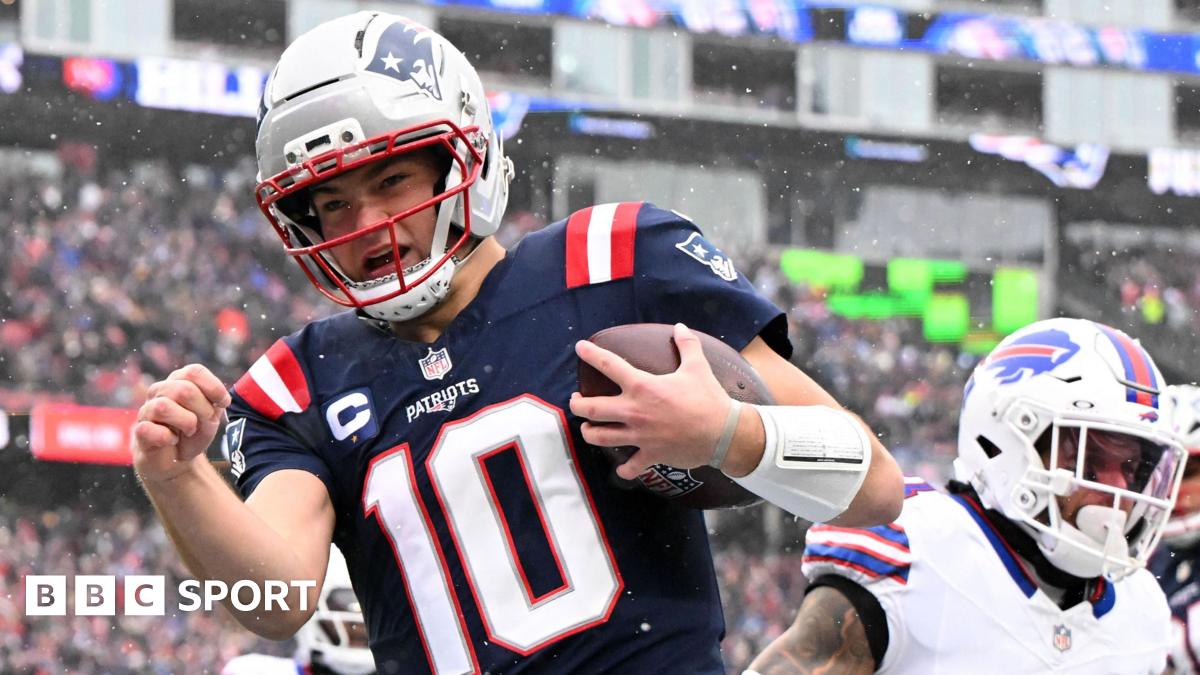
The Mahomes-era Chiefs had become a postseason fixture and psychological hurdle for the rest of the league. Now, with Kansas City ruled out, rival contenders sense a rare opening. The question is no longer how to get past the Chiefs; it is who is actually ready to become the new standard.
A Historic Quarterback Gap: Life After Mahomes, Brady and Manning
From 1998 through last season, at least one of Tom Brady, Peyton Manning or Patrick Mahomes appeared in every NFL playoff field. That stretch spans:
- 27 consecutive postseasons featuring a generational quarterback
- Multiple dynasties: Patriots, Colts/Broncos Manning years, and the Mahomes-led Chiefs
- 14 combined Super Bowl titles between Brady and Mahomes, with Manning adding two more
This season, that chain is broken. The league is deep with talent, but there is no single, unchallenged alpha. Instead, the playoff race is defined by tiers of contenders with clear strengths and exploitable flaws, especially now that the Chiefs’ defense will not be bailing out a sputtering offense in January.
Tier 1: True Super Bowl Contenders in a Mahomes-Free Playoff
With Kansas City sidelined, a handful of teams have emerged as the most balanced, sustainable threats to win the Super Bowl. They combine high-end quarterback play, top-10 efficiency metrics and coaching stability.
AFC Heavyweights
In the AFC, three teams stand out as legitimate favorites to seize the conference:
- One offense-first powerhouse with an MVP-level quarterback
- One defensive juggernaut that dominates the trenches
- One ascending roster that has finally matured around its young passer

“For the first time in years, there’s no psychological tax of going through Kansas City. The AFC feels legitimately wide open.” — Anonymous NFL assistant coach
The absence of the Chiefs also shifts how defenses game-plan. Coordinators no longer have to commit to the exotic, high-risk coverages that Mahomes forced on opponents, which could make January football slightly more conservative and more physical.
NFC Contenders: Can Anyone Become the New Dynasty?
While the AFC adjusts to life without Kansas City, the NFC has been chasing long-term stability since the end of the Brady-in-Tampa era. Several franchises now have a credible path to becoming the conference’s next long-term power.
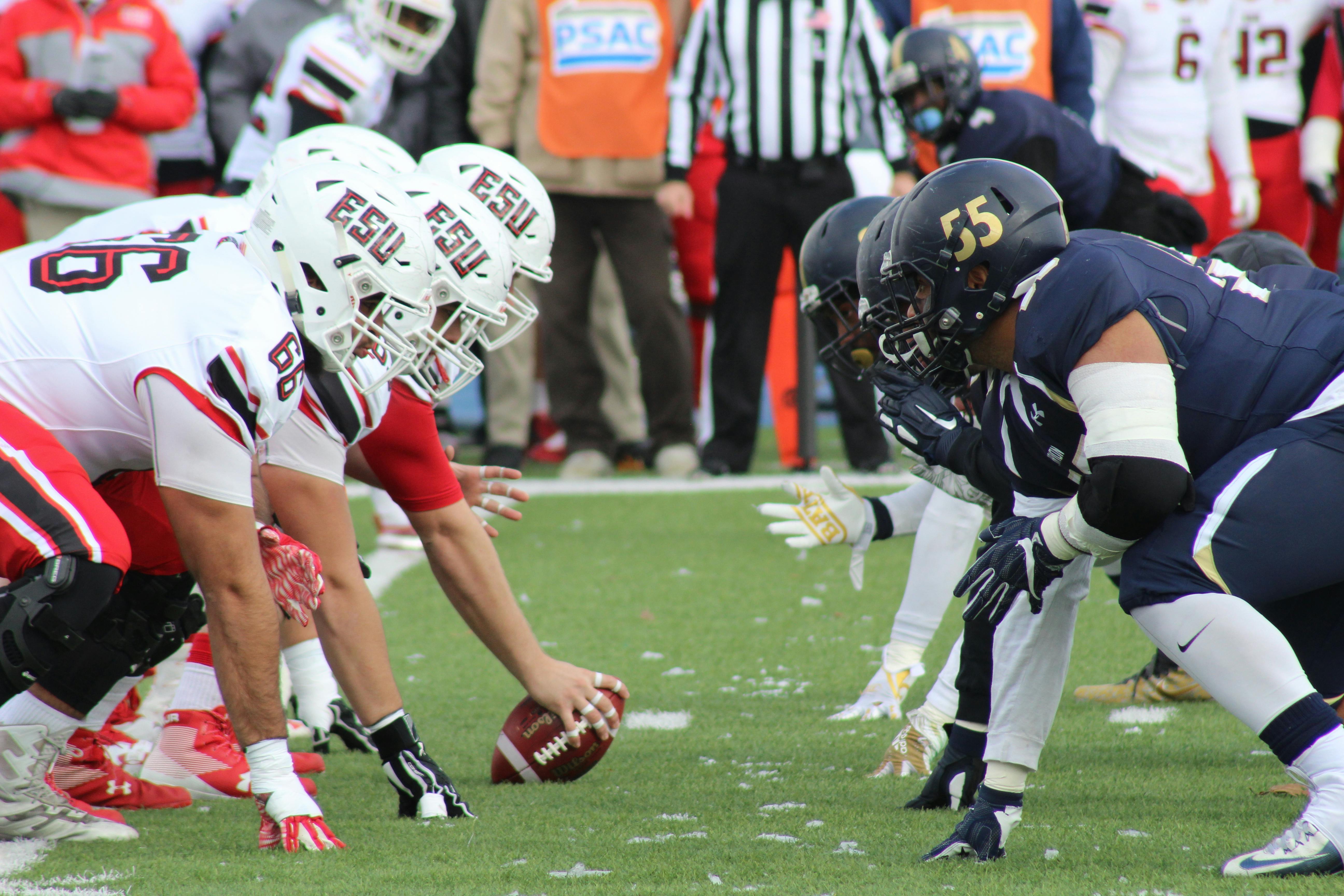
- Elite play-callers redefining motion and spacing on offense
- Versatile defensive fronts capable of winning with four-man pressure
- Depth at premium positions like receiver, corner and tackle
The result is a conference where multiple teams can win a playoff game on scheme alone, even if they do not boast a Hall-of-Fame lock under center. That contrasts sharply with the Brady-Manning-Mahomes era, where elite QB play often covered everything else.
Key Efficiency Metrics: Who Actually Plays Like a Champion?
Stripping away brand names and reputations, championship-caliber teams consistently land near the top in efficiency categories such as points per game, EPA (Expected Points Added) and defensive success rate. The following illustrative table compares several leading contenders’ profiles this season.
| Team | Off. Rank (Pts/G) | Def. Rank (Pts Allowed/G) | Turnover Margin | Record vs Winning Teams |
|---|---|---|---|---|
| AFC Contender A | Top 3 | Top 10 | +8 | 5–2 |
| AFC Contender B | Top 10 | Top 5 | +5 | 4–3 |
| NFC Contender A | Top 5 | Top 5 | +10 | 6–1 |
| NFC Contender B | Top 12 | Top 8 | +3 | 3–3 |
The pattern is familiar: teams that contend deep into January almost always pair a top-10 offense with a top-10 defense or dominate one side of the ball so completely that it compensates for average play on the other. The Chiefs used to check those boxes on command. This season, others clearly do.
Contenders or Pretenders? Sorting the NFL Playoff Field
Not every team with a strong record is built for playoff football. Some ride soft schedules, one-score luck, or turnover spikes that are hard to sustain. With Kansas City gone, there is a tendency to promote every decent roster to “favorite” status—but the film and the data say otherwise.
Red Flags That Signal a Pretender
- Bottom-10 third-down defense despite a winning record
- Heavy reliance on low-percentage deep balls to sustain drives
- Negative point differential masked by close wins
- Injuries to key positions like offensive tackle and cornerback
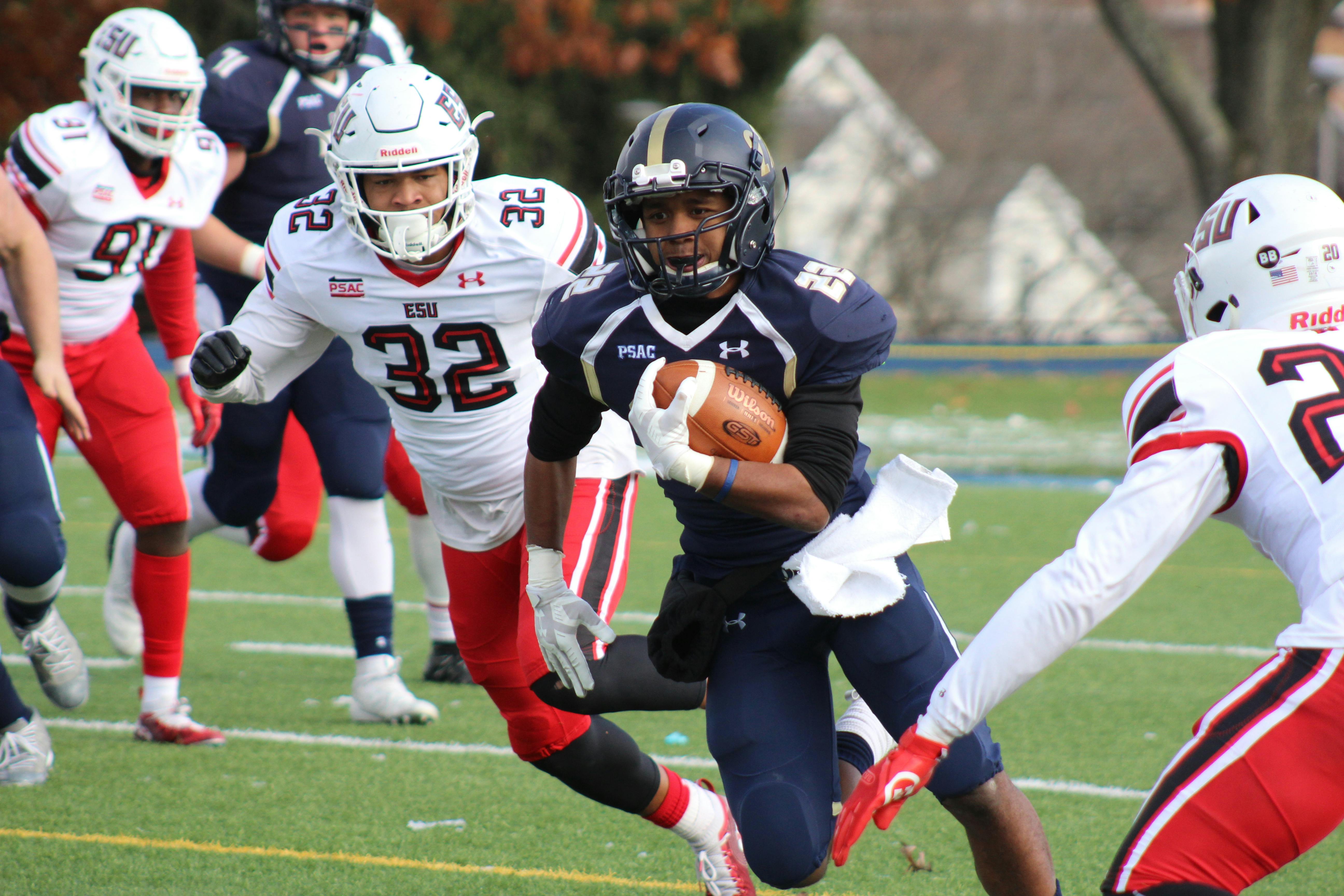
These flaws tend to get exposed in January when officiating tightens, drives become fewer and each snap is magnified. The teams that can still run the ball when everyone knows it is coming, protect the passer on obvious passing downs and tackle in space are the ones that survive.
The Human Element: Pressure, Opportunity and Legacy Without the Chiefs
With Mahomes and the Chiefs out, the emotional tone of this postseason shifts dramatically. For some veterans, this might represent the last, best chance to reach or win a Super Bowl. For emerging stars, it is a chance to vault from “exciting young player” to “face of the league.”
“You grow up watching Brady and those guys own January. Now it’s our turn to write that story.” — Current NFL quarterback, after clinching a playoff berth
Coaches feel the shift too. Without Andy Reid and Mahomes overshadowing the conference, ambitious coordinators and head coaches know that a deep run this year could permanently alter how they are viewed around the league—from “good regular-season coach” to “big-game problem.”
Visualizing the Race: Offense vs. Defense Balance
One way to frame the playoff picture is by plotting teams on an offense-defense grid using metrics like points per game and points allowed. The true contenders cluster in the top-right quadrant: high-scoring offenses paired with stingy defenses.
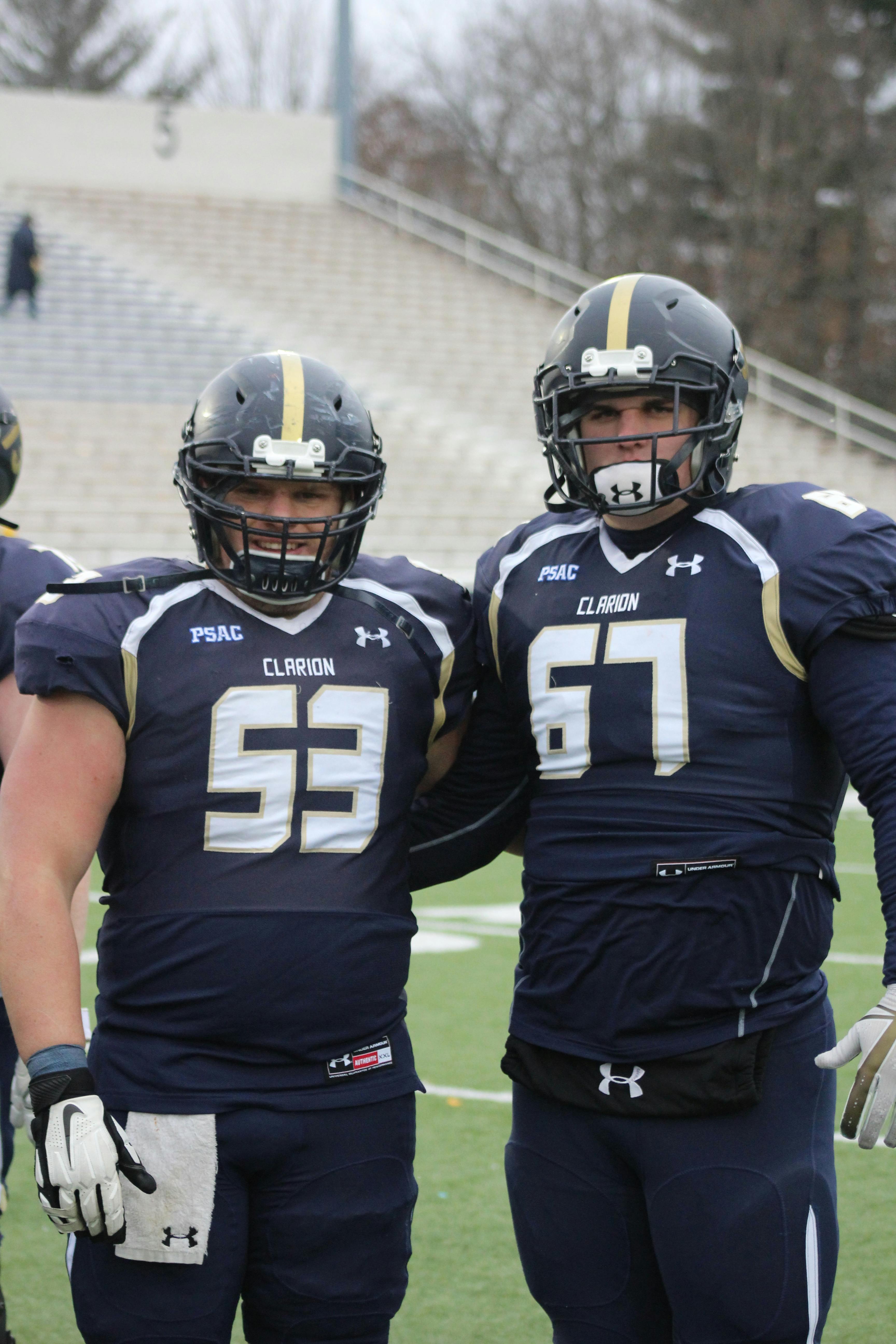
While the Chiefs usually lived in that elite quadrant, their offensive inconsistency this season bumped them toward the middle of the pack, opening space for other balanced rosters to rise. Analyzing the remaining teams this way helps cut through narrative noise and focus on who is structurally built for a Super Bowl run.
Dig Deeper: Schedules, Advanced Stats and Official Playoff Picture
For a more granular look at the playoff race, fans can track live updates, tiebreaker scenarios and advanced metrics through official and analytics-focused resources:
- Official playoff standings and tiebreakers: NFL.com Standings
- Team-level efficiency metrics and EPA data: ESPN NFL Team Stats
- Historical playoff results and Super Bowl history: Pro-Football-Reference Playoffs
These tools make it easier to separate sustainable strength from short-term hot streaks as the bracket locks into place.
Outlook: A Wide-Open Postseason and a New NFL Narrative
The Chiefs’ absence does not diminish the postseason; it reshapes it. Instead of one team looming over the bracket, we have a field full of flawed but dangerous contenders, each with a plausible path to the Lombardi Trophy and a chance to reset how we talk about the league’s power structure.
The bigger storyline is what comes next: Which quarterback becomes the new standard-bearer? Which coach builds the next sustained contender? And a year from now, will we look back on this Mahomes-free playoff as a strange outlier—or the official start of a new era?
One thing is certain: with Kansas City watching from home, every snap in this year’s NFL playoffs will feel like an audition for the role the Chiefs have owned for half a decade—the team everyone else has to go through to reach the Super Bowl.
