
Mushroom Mania: How Lion’s Mane, Reishi & Functional Fungi Became the Coziest Superfood Trend in Your Mug
Mushroom Mania: Lion’s Mane, Reishi & Functional Fungi as Everyday Superfoods
Functional mushrooms have officially moved from dusty health‑food shelves into the warm, fragrant swirl of our everyday cups and snacks. You’ll spot lion’s mane, reishi, chaga, cordyceps, and turkey tail in mushroom coffees, caffeine‑free lattes, snack bars, and sleek little supplement jars—each promising smoother energy, calmer nerves, and stronger immunity. Amid the trend and TikTok froth, there’s also something wonderfully simple at play: a quiet, earthy invitation to sip, savor, and enjoy more fungi in our daily routines.
Quick Overview: Functional Mushroom Superfood Latte
Below you’ll find a cozy, dairy-optional, refined sugar‑free recipe for a Lion’s Mane & Reishi Functional Mushroom Latte that brings together gentle coffee (or chicory), creamy milk, and adaptogenic mushroom powders.
- Prep Time
- 8 minutes
- Cook Time
- 5 minutes
- Total Time
- 13 minutes
- Servings
- 1 large mug (about 350 ml) or 2 small cups
- Difficulty
- Easy (beginner‑friendly)
- Diet
- Vegetarian, easily vegan & gluten‑free
What Are Functional Mushrooms & Why Are They Trending?
Functional mushrooms are fungi celebrated not just for flavor, but for their bioactive compounds—naturally occurring substances that may help support immunity, focus, and resilience to stress. Unlike classic culinary stars like cremini or portobello, functional varieties are often dried, powdered, and stirred into drinks or snacks.
- Lion’s mane (Hericium erinaceus) – loved for its potential cognitive support and focus; its fluffy, cascading strands genuinely look like a white lion’s mane.
- Reishi (Ganoderma lucidum) – a glossy, reddish “mushroom of immortality” in traditional East Asian medicine, now famous for relaxation and stress balance.
- Chaga, cordyceps, turkey tail – often linked with immune support, energy, and antioxidant capacity.
On social media, influencers whip up mushroom coffee and caffeine‑free mushroom lattes, promising smoother energy and fewer jitters than regular coffee. These drinks often blend arabica coffee with standardized mushroom extracts or combine mushrooms with herbs like ashwagandha and rhodiola for an extra “adaptogenic” boost.
The Science Snapshot: Beta‑Glucans, Triterpenes & Prebiotic Power
Functional mushrooms owe their “superfood” aura to an impressive roster of compounds. Modern research is still evolving, but some stars keep showing up:
- Beta‑glucans – special fibers that can modulate immune function. They don’t “boost” immunity in a simplistic way; instead, they may help your immune system respond more appropriately.
- Triterpenes & phenolic compounds – linked to antioxidant and anti‑inflammatory potential, especially in reishi and chaga.
- Prebiotic fibers – gentle nourishment for gut microbes, possibly supporting digestive and overall health.
It’s important to note that many human studies use specific, standardized extracts and controlled doses. Retail products don’t always match those concentrations, and bold promises like “cures disease” or “dramatically boosts IQ” go far beyond current evidence.
Whole Mushrooms vs. Powders: What’s Best for Your Kitchen?
The beautiful thing about this trend is that you don’t need a cupboard full of pricey powders to benefit from mushrooms. Everyday varieties like shiitake, maitake, oyster, and cremini are quietly powerful, too.
Many culinary mushrooms are naturally rich in B vitamins, selenium, copper, and the antioxidant ergothioneine—nutrients that fit beautifully into a heart‑healthy, plant‑forward diet.
Consider a two‑pronged approach:
- Whole‑food mushrooms – toss shiitake into stir‑fries, sauté oyster mushrooms for tacos, or roast cremini with garlic and thyme. You’ll get flavor, texture, and naturally occurring nutrients.
- Quality mushroom powders – use lion’s mane, reishi, or blends as gentle enhancements, not miracle cures. Stir small amounts into smoothies, oatmeal, or lattes.

Recipe: Lion’s Mane & Reishi Functional Mushroom Latte
This cozy functional mushroom latte folds lion’s mane and reishi into a creamy, gently sweet mug of comfort. You can keep the coffee mild for smoother energy or go fully caffeine‑free with roasted chicory. Expect earthy notes layered with vanilla, cinnamon, and a whisper of caramel from maple syrup.
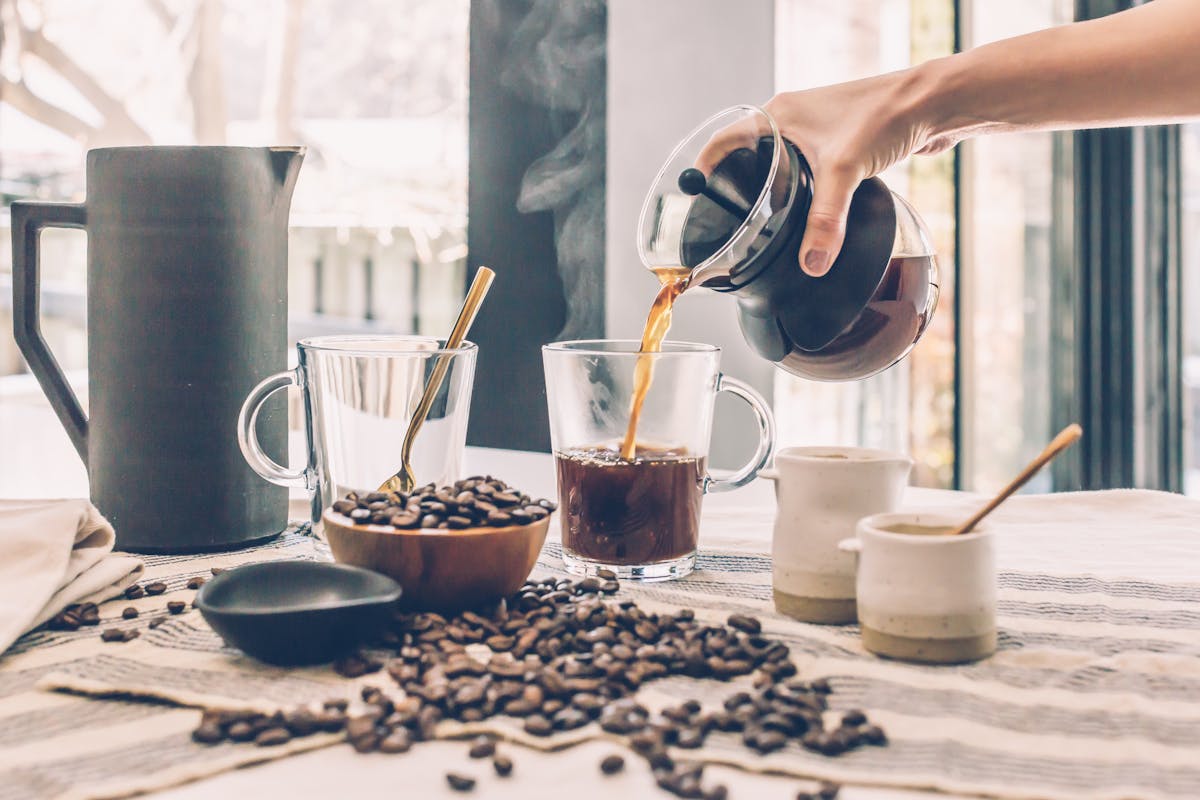
Equipment You’ll Need
- Small saucepan or milk frother
- Mug or heat‑proof glass
- Teaspoon and tablespoon measures
- Small whisk, milk frother wand, or blender (for froth)
- Fine mesh strainer (optional, for extra‑smooth texture)
Ingredients
For 1 large mug (350 ml) or 2 small cups:
- 240 ml (1 cup) milk of choice (oat, almond, soy, or dairy)
- 120 ml (1/2 cup) freshly brewed coffee or strong black tea or roasted chicory/dandelion blend for caffeine‑free
- 1–2 tsp lion’s mane mushroom powder (start with 1 tsp)
- 1/2–1 tsp reishi mushroom powder (reishi can be bitter; start small)
- 1–2 tsp maple syrup or honey (or sweetener of choice), to taste
- 1/4 tsp ground cinnamon, plus extra for dusting
- 1/4 tsp pure vanilla extract (optional but lovely)
- Pinch of fine sea salt to round out flavors
Step‑by‑Step Instructions
- Brew your base.
Make 120 ml (1/2 cup) of coffee, tea, or chicory and pour it into your favorite mug. Aim for warm, not scorching—it will be heated again with the milk.
- Mix the mushroom slurry.
In a small bowl, combine lion’s mane and reishi powders with 2–3 tablespoons of the warm coffee. Whisk until no dry pockets remain. This step prevents clumping and gives you a silky latte.

Whisk mushroom powders into a smooth slurry first to avoid gritty clumps in your latte. - Warm and flavor the milk.
Add the milk to a small saucepan along with cinnamon, vanilla, sweetener, and a pinch of salt. Heat over medium‑low, whisking gently, until steaming and small bubbles appear around the edges. Do not let it boil vigorously—gentle heat preserves flavor.

Slowly warming the milk with spices perfumes your kitchen with cozy, sweet aromas. - Combine everything.
Pour the mushroom slurry into your mug with the remaining coffee or chicory. Then gently pour in the hot, flavored milk while stirring. Taste and adjust sweetness or cinnamon if desired.
- Froth (optional but delightful).
For café‑style foam, use a milk frother wand or blender. Carefully blend the latte for 10–15 seconds until frothy. If you prefer a silky, ultra‑smooth texture, pass it through a fine mesh strainer back into the mug.

Frothing transforms your functional mushroom drink into something that feels truly indulgent. - Finish and savor.
Dust the top lightly with cinnamon. Inhale the sweet‑spiced aroma, notice the creamy foam, and then sip slowly—the flavor should be earthy, slightly nutty, gently sweet, and soothingly warm.
Serve your mushroom latte in a favorite mug—the ritual is as nourishing as the drink itself.
Flavor Tweaks, Variations & Dietary Swaps
Dietary Adaptations
- Vegan – Use plant milk (oat foams beautifully), maple syrup or agave, and ensure powders are labeled vegan.
- Gluten‑free – Most pure mushroom powders are naturally gluten‑free; verify labels, especially blends that may contain grains.
- Lower caffeine – Use half coffee and half roasted chicory, or go full chicory/dandelion for a caffeine‑free latte.
Fun Variations
- Mocha Mushroom Latte – Whisk in 1 tbsp unsweetened cocoa or cacao powder for a chocolatey, dessert‑like cup.
- Golden Lion’s Mane Latte – Add 1/4 tsp turmeric and a pinch of black pepper for a hybrid golden milk–mushroom drink.
- Iced Mushroom Latte – Chill the brewed base and milk, blend everything with ice, and serve in a tall glass.
Storage & Reheating Tips
This latte is best enjoyed fresh, but you can absolutely get ahead on busy mornings.
- Make‑ahead base: Mix coffee/chicory, mushroom powders, cinnamon, vanilla, and sweetener. Store in a sealed jar in the fridge for up to 2 days. When ready to drink, warm with milk and froth.
- Reheating: Warm gently in a saucepan over low heat or in the microwave in 20–30 second bursts, stirring between bursts. Avoid boiling to keep the texture smooth and milk from scorching.
- Avoid long storage of fully mixed lattes: After a day, texture and flavor degrade and separation increases. For best aroma and mouthfeel, prepare close to serving time.
Serving Suggestions & What to Eat with Mushroom Coffee
Treat your functional mushroom latte as part of a wider, nourishing moment rather than a magic bullet. Pair it with simple, balanced foods that keep the focus on comfort:
- Breakfast pairing: Overnight oats with walnuts and berries, or avocado toast topped with sautéed mushrooms.
- Afternoon snack: A handful of nuts, a slice of whole‑grain banana bread, or a dark chocolate square for a mocha‑like pairing.
- Evening wind‑down: If you use a caffeine‑free base, sip your reishi‑rich latte with roasted root vegetables or a simple miso soup.

Using Functional Mushrooms Safely & Mindfully
It’s easy to get swept up in the glow of “superfood” marketing, but your body thrives on consistency and moderation, not quick fixes. Keep these principles in mind:
- Start low and slow: Begin with 1 tsp lion’s mane and 1/2 tsp reishi per day and observe how you feel over a week or two.
- Choose quality products: Look for transparent sourcing, third‑party testing, and fruiting‑body extracts.
- Treat them as complementary: Functional mushrooms can complement, but not replace, sleep, movement, stress management, and professional medical care.
In practice, adding more mushrooms—whether sautéed in a skillet or whisked into your latte—generally aligns with a plant‑forward, nutrient‑dense way of eating. The ritual of brewing something warm, fragrant, and earthy may be one of the most nourishing parts of the whole trend.
