
Michael Vaughan Recounts Terrifying Bondi Beach Attack While on Ashes Commentary Duty
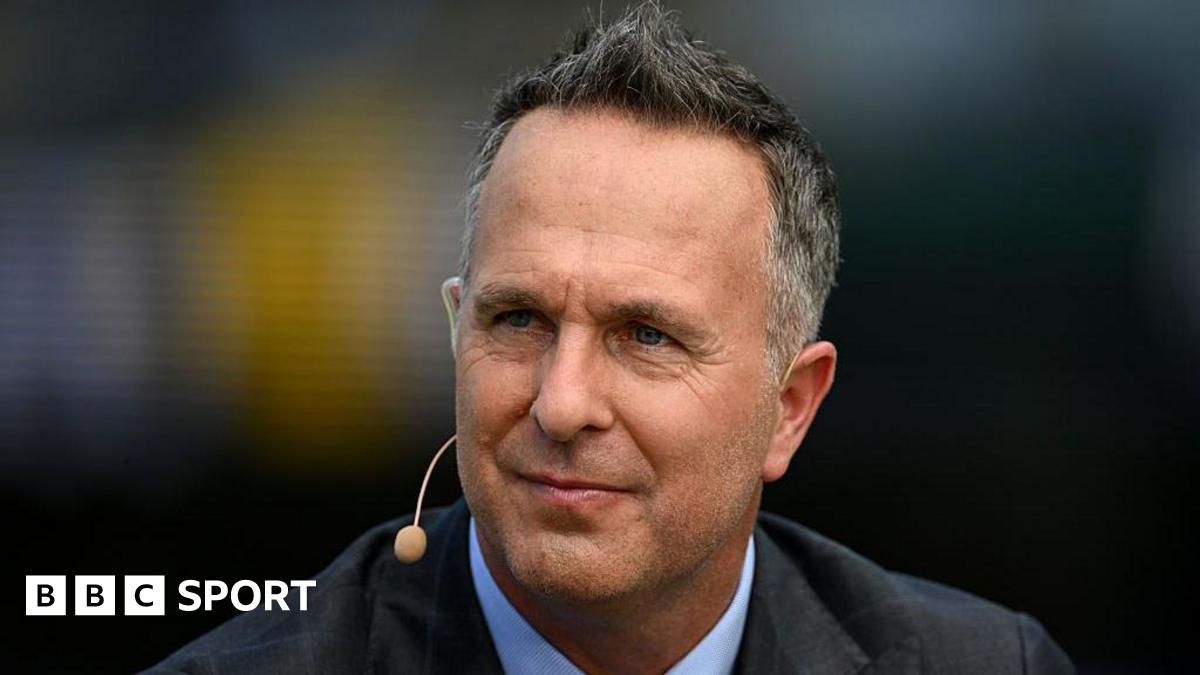
Former England cricket captain Michael Vaughan has spoken publicly about the Bondi Beach terrorist attack, describing the moment he heard gunshots as “terrifying”. In Australia as a commentator for the Ashes series, Vaughan found his workday suddenly colliding with a real-world tragedy that stunned the global sporting community.
A Day of Cricket Overshadowed by Chaos
What began as another high-intensity day in one of cricket’s biggest rivalries quickly shifted focus when reports of the Bondi Beach attacks filtered through. Players, commentators, and fans alike were forced to reckon with events far more serious than results on the scoreboard, as the sporting world paused to absorb the shock and check on loved ones.
Michael Vaughan’s First-Hand Account of the Bondi Attack
Vaughan was staying near Bondi while covering the Ashes and, like many, initially assumed any loud noise might be routine city bustle. That changed quickly as emergency alerts and sirens intensified. Speaking about the moment he realised something was terribly wrong, he recounted the chilling soundscape that cut through an otherwise normal evening.
“You know the sound of a crowd, the sound of celebration around sport. This was different. Hearing those shots and the panic that followed was terrifying. Cricket suddenly didn’t matter at all.”
Former and current players began checking in via group chats and social media, with many of Vaughan’s colleagues contacting him to confirm his safety. The ex-captain, who has led England in some of the sport’s most pressurised arenas, admitted this was a different kind of fear entirely.

Bondi Beach, the Ashes, and a City in Shock
Bondi Beach is one of Australia’s most famous locations, a hub for tourists, locals, and athletes unwinding between fixtures. The attack struck at the heart of a community used to hosting major sporting events in Sydney, especially during marquee cricket series like the Ashes.
The Ashes, contested between England and Australia, is more than just a cricket series; it’s a cultural event. Broadcasters, including Vaughan and his commentary team, were thrust into dual roles: covering elite sport while navigating the emotional weight of breaking news that touched millions.
- Bondi’s proximity to key cricket venues meant many media and staff were in the area.
- Security protocols around stadiums and training grounds were immediately reviewed.
- Fans travelling between beaches and grounds suddenly faced uncertainty and disruption.

How the Cricket Community Responded
With players, coaches, and media personalities spread across Sydney, the immediate priority was safety. Cricket boards and broadcasters coordinated with local authorities, while athletes used their platforms to share support and information.
| Group | Action |
|---|---|
| Broadcast teams | Checked on staff welfare and adapted programming to include verified news updates. |
| Players | Reached out to family and friends, posted messages of support, and observed moments of reflection. |
| Cricket boards | Reviewed security, coordinated with local police, and monitored potential schedule changes. |
“Our thoughts are with everyone affected near Bondi. Cricket is a global family — when one community hurts, we all feel it.” — Current international player on social media
Vaughan’s voice, usually reserved for dissecting batting techniques and bowling tactics, helped humanise the moment for viewers. By openly acknowledging his fear and concern, he reflected what many fans thousands of miles away were feeling.
Mental Health, Travel, and the Modern Athlete
The Bondi Beach attacks highlighted a growing reality for international athletes and commentators: constant travel can bring them closer to global flashpoints. As someone who has spoken about the pressures of elite sport before, Vaughan’s experience adds to ongoing discussions around mental health in cricket.
- Players and commentators are often away from family support networks for long stretches.
- Security concerns can heighten anxiety during already demanding tours.
- Governing bodies are under increasing pressure to provide robust mental health support.
From a cricketing perspective, these incidents can affect preparation, focus, and team dynamics. Yet they also provide moments for squads to tighten bonds, with senior figures like Vaughan often playing a pastoral role for younger professionals on tour.

Understanding the Scale: Bondi, Tourism, and Cricket Audiences
While official investigations are ongoing and figures continue to be updated, Bondi’s usual scale of activity helps explain why the incident resonated so widely, especially with cricket fans following the Ashes from around the world.
| Metric | Approximate Figure | Relevance to Sport |
|---|---|---|
| Bondi daily visitors (peak) | Tens of thousands | High tourist and local footfall, including travelling fans. |
| Ashes global TV audience | Hundreds of millions over a series | Amplifies awareness when commentators like Vaughan speak out. |
| Cricket personnel in Sydney | Multiple squads & media teams | Significant presence near key city locations, including Bondi. |
For broadcasters and organisers, those numbers reinforce the responsibility to respond carefully and transparently when events like this unfold so close to major competitions.
Human Stories Behind the Headlines
Beyond Vaughan himself, countless individuals connected to the cricket ecosystem were impacted. Local staff who work matchdays at the SCG, hotel employees who regularly host touring teams, and fans who split their time between the beach and the ground all had their routines shattered.
- Young fans on their first Ashes trip suddenly dealing with fear and uncertainty.
- Families of players tracking both scorecards and news feeds in real time.
- Local club cricketers in Sydney volunteering support or opening their homes to those in need.
These human stories give weight to Vaughan’s word “terrifying”. It wasn’t only a commentator’s reaction; it was a shared emotional reality for a city and a sport temporarily united by shock rather than by competition.
What Comes Next for Cricket in Sydney and Beyond?
As the investigation into the Bondi Beach attacks continues, cricket is already starting to look forward — not in a way that brushes aside the tragedy, but in a way that acknowledges resilience. Major events in Sydney, including future Test matches, Big Bash League fixtures, and Ashes tours, will almost certainly be shaped by heightened security planning and more visible welfare support for players and staff.
For Michael Vaughan and his fellow commentators, the incident will remain a reference point: a reminder that, even in the controlled theatre of elite sport, real life can intervene without warning. Broadcasters and fans will remember not only scorecards and series results, but also how the sport responded when the city around it was in distress.
- Will future tours build in more structured psychological support around major incidents?
- How can broadcasters balance live sporting drama with sensitive coverage of nearby crises?
- In what ways can cricket continue to support affected communities in cities that host the game?
Those questions will linger long after the Ashes trophies have been lifted and the pitches re-laid. For now, the image of Vaughan candidly describing the moment he heard those terrifying sounds will stand as a stark reminder that, for all its joy and escapism, sport is never fully insulated from the world around it.
For official updates and verified information on fixtures and safety measures, readers should refer to:
