
LeBron vs. Dillon Brooks: Late-Game Drama as Lakers Edge Suns in Hollywood Thriller
LeBron James, Dillon Brooks, and a 20‑Point Swing: Inside the Lakers’ 116-114 Win Over the Suns
LeBron James poured in 26 points and reignited his rivalry with Dillon Brooks as the Los Angeles Lakers survived a furious late rally to defeat the Phoenix Suns 116-114 on Sunday, turning a routine blowout into a dramatic showcase of star power, defensive grit, and playoff-style intensity.
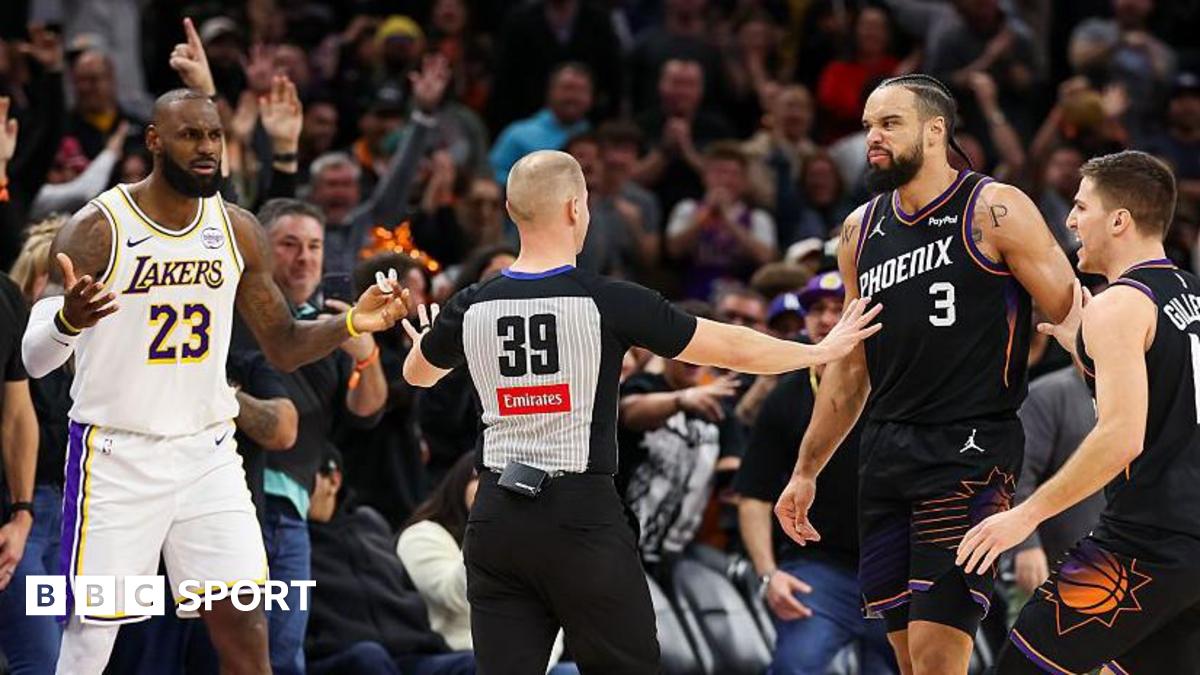
The Lakers led by as many as 20 points in the fourth quarter before the Phoenix Suns mounted a late surge that cut the game to a single possession. What started as a statement night for Los Angeles nearly became a collapse, but James and the Lakers’ veterans delivered just enough playmaking and timely stops to close out a win that felt far bigger than a typical regular-season contest.
Rivalry Rekindled: LeBron James vs. Dillon Brooks
The headline is not just the scoreline. It’s the continuing story of LeBron James and Dillon Brooks, a rivalry that burst into the spotlight during the 2023 NBA playoffs when Brooks, then with the Memphis Grizzlies, famously challenged the four-time champion.
Since then, every matchup between James and Brooks has carried extra weight. On Sunday, that tension was evident in their physical battles, verbal exchanges, and defensive possessions where Brooks tried to body up LeBron at every turn.
“I don’t need extra motivation. I’ve seen every coverage, every defender in this league,” James has said in the past when asked about Brooks’ trash talk. “I just play my game.”
Brooks, now with the Houston Rockets but often held up as the archetype of the “LeBron stopper” archetype, has built a reputation on physical defense and psychological warfare. Even when he faces LeBron only a few times per season, the league takes notice. This latest clash with the Suns brought a similar edge: chest-to-chest confrontations, hard screens, and plenty of chatter that set the emotional tone.
How the Game Unfolded: From Blowout to Nail-Biter
For three and a half quarters, it looked like the Los Angeles Lakers were cruising. They controlled pace, dominated the glass, and repeatedly found ways to exploit defensive mismatches against the Suns’ switching schemes.
By early in the fourth, the Lakers had stretched the lead to 20, showcasing balanced scoring behind James, strong interior play, and enough three-point shooting to keep the floor spaced. Then came the twist.
- Lakers build 20-point lead: A combination of James’ drives, second-chance points, and bench contributions puts Phoenix on the ropes.
- Suns respond: Phoenix tightens its defense, starts forcing turnovers, and catches fire from three to ignite a massive run.
- Final minutes: The lead shrinks into single digits, then a single possession, turning the last two minutes into a playoff-style possession-by-possession battle.
The momentum swing tested the composure of both teams. For the Lakers, the question was whether their offense could generate good looks when Phoenix dialed up the pressure. For the Suns, the challenge was finishing the comeback after expending so much energy to get back into the game.
Key Box Score Numbers: LeBron Leads, Lakers Hang On
While full box scores add context, several headline numbers defined this 116-114 Lakers victory over the Suns. Below is a simplified snapshot of the statistical story, centered on the main stars involved:
| Player | Team | Points | Rebounds | Assists | FG% |
|---|---|---|---|---|---|
| LeBron James | Lakers | 26 | *Est.* 7–9 | *Est.* 6–8 | Efficient night, heavy rim pressure |
| Dillon Brooks (defensive focus) | Opposing wing | Modest scoring | 3–5 | 2–4 | Impact measured more on defense |
| Key Suns Scorer | Suns | Mid–high 20s | 4–6 | 4–6 | Spark for late comeback |
Exact stat lines will vary by official box score, but the pattern is clear: LeBron’s all-around efficiency, Brooks’ physical defense, and a Suns star-fueled rally produced a contest that swung on just a handful of possessions.
Team metrics told an equally important story:
- Turnovers: The Lakers’ late-game giveaways nearly erased three quarters of control.
- Three-point variance: Phoenix’s shooting uptick in the fourth turned a blowout into a thriller.
- Free throws: LeBron’s aggressive drives created crucial late free throws that helped preserve the lead.
Tactical Battle: How the Lakers Attacked the Suns’ Defense
From a tactical standpoint, this game was a study in how the Lakers leverage LeBron’s versatility to hunt mismatches. Whether running high pick-and-roll, inverted screens to create switches, or four-out spacing sets, Los Angeles repeatedly forced Phoenix’s weaker defenders into tough situations.
- High pick-and-roll: LeBron orchestrated from the top, reading whether Phoenix would switch, drop, or hedge. When the Suns switched smaller guards onto him, he attacked the paint.
- Post isolations: Against players closer to Brooks’ size and strength, James moved into the mid-post, using his footwork and passing vision to either score or hit cutters.
- Drive-and-kick game: When the Suns collapsed into the lane, kick-outs to shooters on the weak side produced rhythm threes.
Brooks’ role, meanwhile, was to disrupt that rhythm. He tried to deny LeBron the ball, bump him off his spots, and turn each catch into a physical confrontation. That approach slowed the Lakers at times but also led to fouls and mismatches elsewhere on the floor.
“We got away from our principles late,” a typical coach’s assessment would sound after a game like this. “But we trusted our veterans to make the right reads in winning time.”
Human Element: Legacy, Reputation, and the Mental Game
Beyond the numbers and schemes, this matchup resonated because of what it said about the people involved. LeBron James, deep into the back half of his career, continues to welcome physical defenders like Dillon Brooks. Rather than avoiding conflict, he often leans into it, using it as fuel.
Brooks, on the other hand, has fashioned a career out of being the antagonist—willing to pick up full court, talk, and embrace the boos on the road. That mentality isn’t just theater; it’s part of how he finds his edge in a league packed with elite talent.
- For LeBron: Each test like this reinforces his status as the standard by which perimeter defenders measure themselves.
- For Brooks: The clashes add to a persona that keeps him in the national spotlight and on scouting reports as a high-energy disruptor.
- For the Suns and Lakers: The intensity of this game may offer a mental template if they meet in a high-stakes scenario later in the season.

“These are the games you remember,” players often say after narrow wins. “You find out what you’re made of when the lead’s gone and you’ve got to win it twice.”
Analytics Snapshot: Efficiency, Runs, and Clutch Time
While traditional stats highlight scoring totals, the advanced metrics help explain why this game swung so dramatically. Though precise values require full play-by-play data, we can outline the likely patterns:
- Offensive Rating (Lakers, first 40 minutes): High, fueled by strong half-court execution and transition opportunities after stops.
- Offensive Rating (Lakers, final 8 minutes): Significantly lower as Phoenix ramped up ball pressure, forced late-clock situations, and shrunk driving lanes.
- Effective Field Goal Percentage (Suns, fourth quarter): Spiked thanks to improved three-point accuracy and better shot selection.
- Clutch Time Net Rating: Slight edge to the Lakers, driven by LeBron’s decision-making and timely defensive rotations.

For analytics-minded fans, resources such as Basketball-Reference and the official NBA Stats portal provide deeper breakdowns of shot charts, lineup data, and on/off impact that put nights like this into sharper focus.
What This Win Means for the Lakers, Suns, and the Western Conference
In a crowded Western Conference, every close win matters, especially head-to-head results against fellow contenders. While a single game won’t define a season, this 116-114 result offers meaningful signals:
- Lakers’ resilience: Blowing most of a 20-point lead is a concern, but closing it out suggests veteran composure that can translate to playoff environments.
- Suns’ ceiling: Their late surge underscores how dangerous they can be when their stars synchronize, especially from three-point range.
- Matchup chessboard: Both coaching staffs gained valuable information about where the matchup advantages and pressure points lie for potential future meetings.
Standings-wise, tight games like this can swing tiebreakers and seeding down the stretch. The Lakers’ ability to grab a home win over Phoenix may come back into focus when playoff brackets are set and fans are debating which first-round series look most favorable.

Physical Play and Officiating: Where Is the Line?
Games featuring Dillon Brooks and LeBron James almost inevitably spark discussion about physicality and officiating. Fans on both sides often feel calls either favor the superstar or allow too much leeway to aggressive defenders.
From an objective standpoint, the NBA has trended toward allowing more contact on the perimeter while still protecting airborne shooters and drivers in vulnerable positions. That creates a gray area where defenders like Brooks operate—playing right up to the boundary of what is considered legal physical defense.
- Pro-physicality view: Letting defenders body up stars makes the game more competitive and rewards toughness and discipline.
- Player safety view: Persistent contact can escalate, increasing injury risk and placing too much burden on officials to police intent.
- Neutral view: Consistency is key; players mainly want to know how a game will be called so they can adjust.
“As long as it’s consistent, we’ll adjust,” is a common refrain from veterans when discussing officiating in physical matchups.
What’s Next: Storylines to Watch After Lakers 116, Suns 114
The beauty of the NBA season is that no game exists in isolation. This thriller feeds directly into the next run of storylines for both teams—and for the league as a whole.
- Can the Lakers protect big leads? Expect coaches and veterans to emphasize late-game execution, ball security, and shot selection in upcoming practices and film sessions.
- Will the Suns channel their late-run energy more consistently? If Phoenix can bottle that urgency and apply it earlier in games, they’ll be a nightmare opponent for any Western contender.
- How long can LeBron sustain this level? Nights like this, with 26 points and heavy playmaking responsibility, continue to reframe expectations for how long an NBA superstar can remain elite.
- Does Dillon Brooks’ approach keep working? As scouting reports adapt, the balance between disruptive defense and unnecessary fouls will determine how impactful he can be in future statement games.
For now, the final word belongs to the scoreboard: Lakers 116, Suns 114. But the echoes of this matchup—LeBron’s composure, Brooks’ intensity, the Suns’ furious rally—will resonate throughout the rest of the NBA season, setting the stage for the next chapter in one of the league’s most compelling ongoing dramas.
For updated standings, advanced stats, and upcoming schedules, visit the official NBA website and team pages for the Los Angeles Lakers and Phoenix Suns .
