
Mediterranean Longevity Bowls: A Blue Zone–Inspired Recipe for Everyday Vitality
Mediterranean‑inspired “longevity diets” and Blue Zone eating have become beloved templates for home cooks who want food that feels as good as it tastes. Instead of rigid rules or short‑term restrictions, these traditions celebrate colorful vegetables, beans, whole grains, nuts, and generous splashes of fruity olive oil—foods you’ll see on tables in Sardinia, Ikaria, Okinawa, Nicoya, and Loma Linda, where living well into old age is remarkably common.
To bring those principles straight to your kitchen, this recipe for a Mediterranean Blue Zone–Inspired Longevity Bowl layers hearty whole grains, garlicky beans, crisp‑tender vegetables, herbs, and creamy yogurt or tahini into one vibrant, customizable meal. It’s naturally high in fiber, rich in healthy fats and plant protein, and full of the bright, sunny flavors that make longevity eating genuinely joyful.
Mediterranean Blue Zone–Inspired Longevity Bowl Recipe
A colorful, plant‑forward bowl with whole grains, beans, seasonal vegetables, and olive oil—perfect for a nourishing lunch, easy dinner, or meal‑prep staple.
Prep Time:
20 minutes
Cook Time:
20 minutes
Total Time:
40 minutes
Servings:
2 generous bowls
Difficulty:
Easy
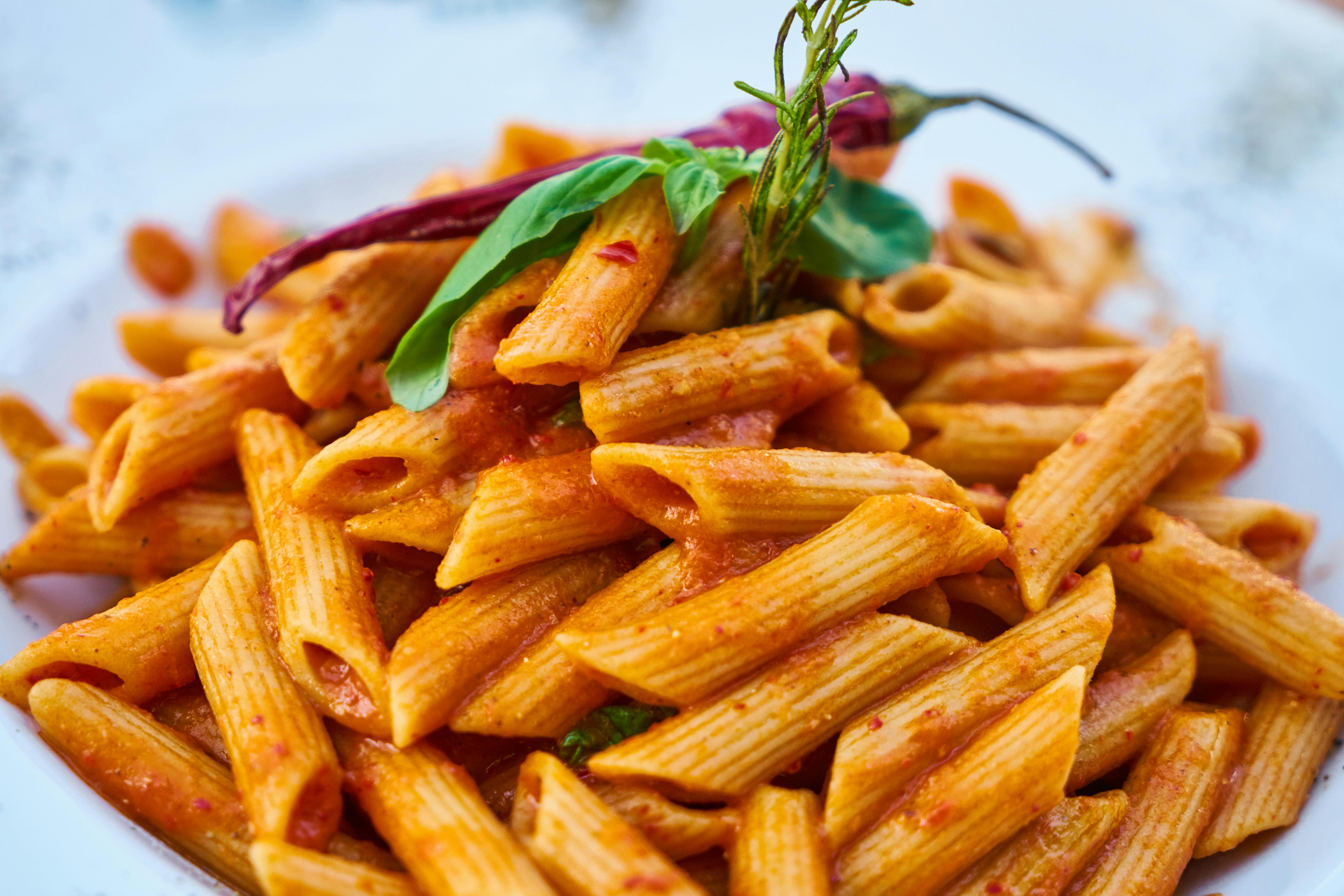
Ingredients for a Longevity‑Inspired Mediterranean Bowl

This bowl leans into classic longevity diet staples: whole grains, beans, seasonal produce, herbs, and good olive oil. Quantities below make about 2 bowls; scale up for meal prep.
Base (Whole Grains)
- 1 cup cooked whole grains such as farro, barley, brown rice, or quinoa (about 1/2 cup dry)
- Pinch of sea salt for cooking the grains
Protein & Legumes
- 1 can (about 400 g / 14 oz) chickpeas or cannellini beans, drained and rinsed
- 1 tbsp extra‑virgin olive oil
- 1 small clove garlic, finely minced
- 1/2 tsp ground cumin or smoked paprika (optional, for warmth)
- Sea salt and freshly ground black pepper, to taste
Vegetables & Toppings
- 1 small red bell pepper, thinly sliced
- 1 small zucchini, sliced into half‑moons
- 1 small red onion, cut into thin wedges
- 1 cup cherry tomatoes, halved
- 1 cup loosely packed leafy greens (spinach, arugula, baby kale, or mixed greens)
- 1/4 cup kalamata olives, pitted and halved (optional but very Mediterranean)
- 2–3 tbsp crumbled feta cheese or a few spoonfuls of plain Greek yogurt (optional)
- 2 tbsp chopped fresh parsley or basil
- 1 tbsp toasted nuts or seeds (walnuts, almonds, pumpkin seeds, or sesame seeds)
Olive Oil Lemon Dressing
- 3 tbsp extra‑virgin olive oil
- 2 tbsp freshly squeezed lemon juice
- 1 tsp Dijon mustard (optional, for creaminess and tang)
- 1 small clove garlic, finely grated or minced
- 1/2 tsp dried oregano or thyme
- Sea salt and black pepper, to taste
Equipment You’ll Need
You don’t need a chef’s kitchen to cook like a Blue Zone centenarian—just a few basics:
- Medium saucepan or rice cooker for the grains
- Large skillet or sheet pan for sautéing or roasting vegetables
- Small bowl or jar with lid for mixing the dressing
- Cutting board and sharp knife
- Wooden spoon or spatula
- 2 wide, shallow bowls for serving
Step‑by‑Step Visual Guide
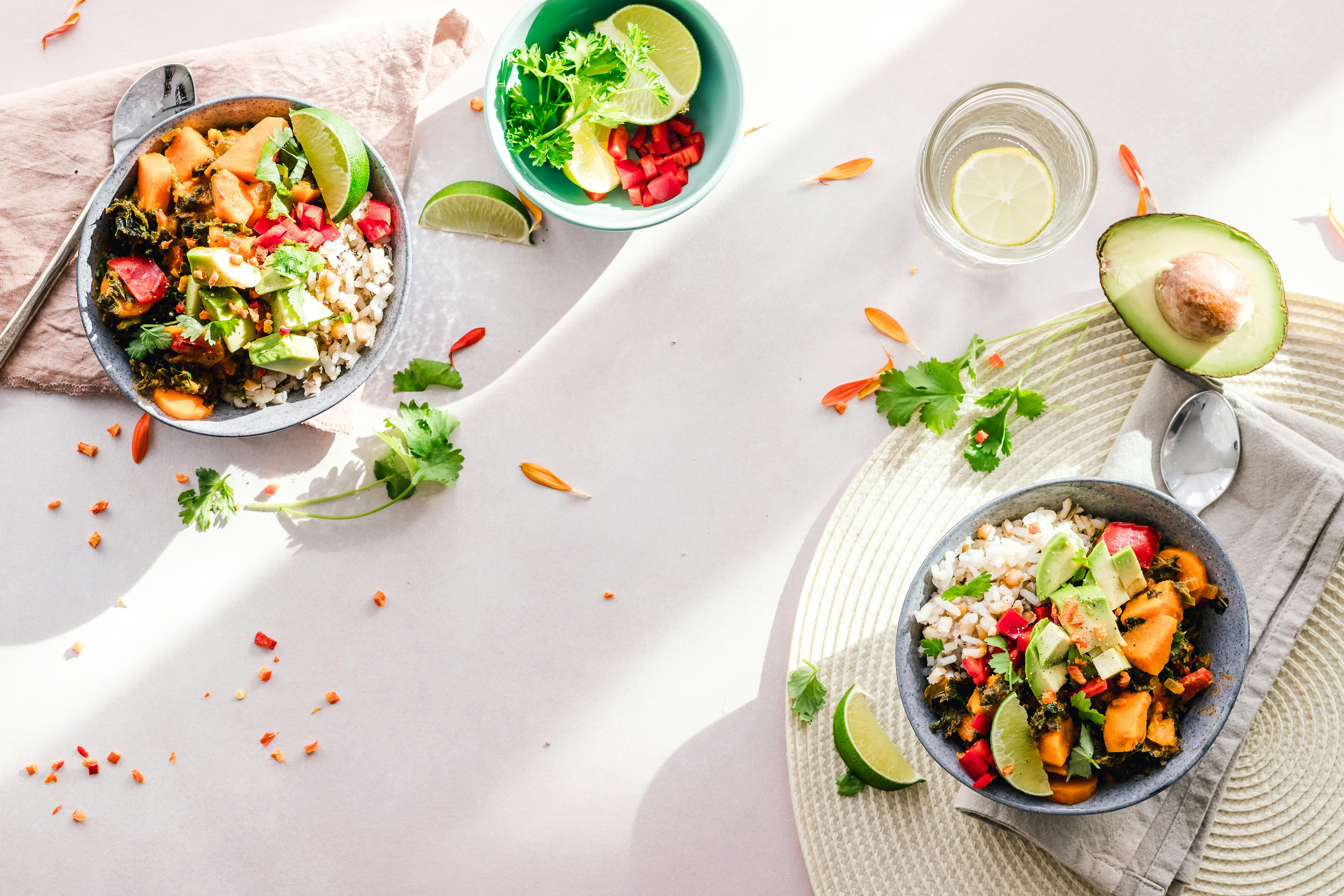
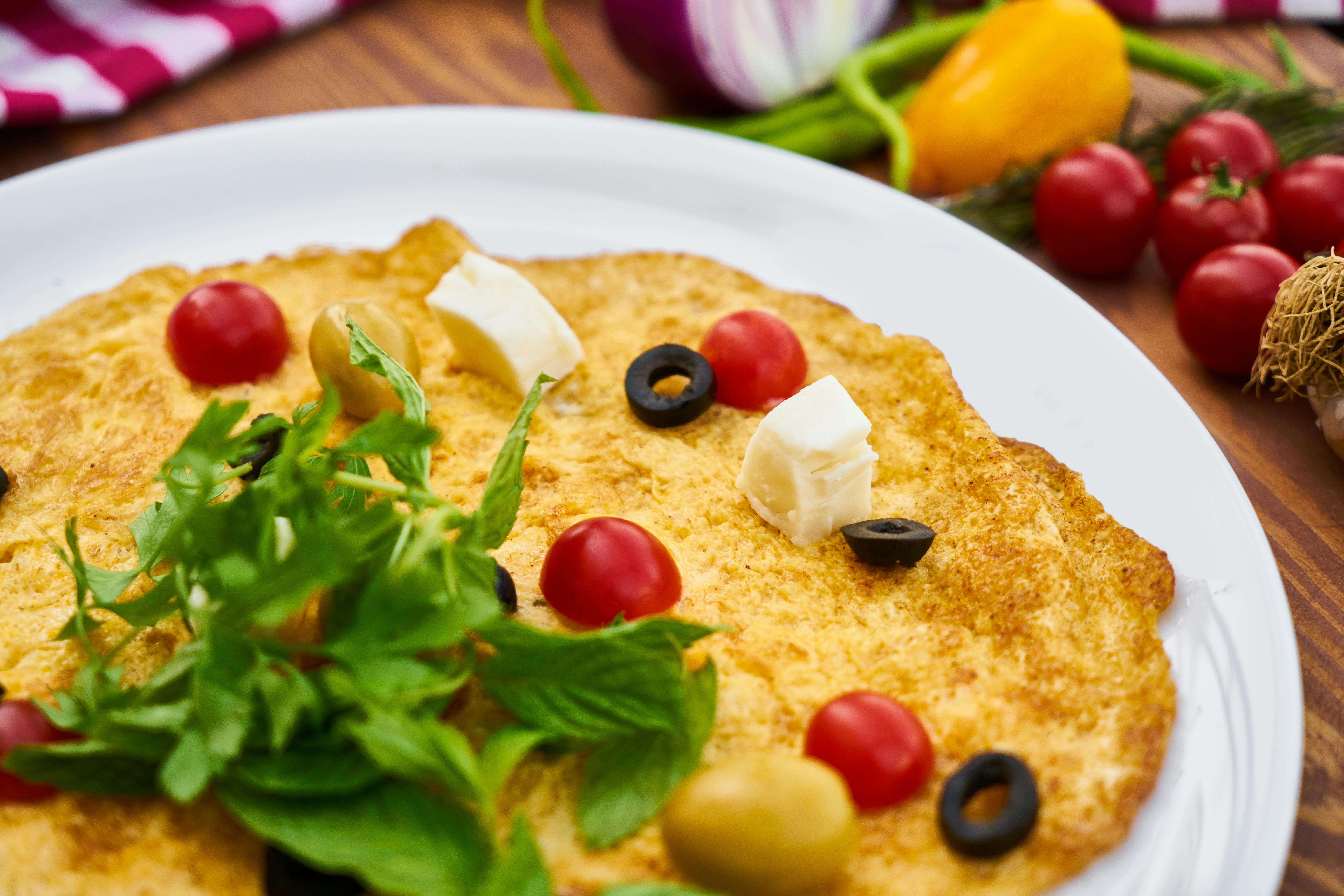
These images walk you through the key moments of building a Mediterranean longevity bowl: cooking the grains, preparing the vegetables, seasoning the beans, and assembling everything into a colorful, satisfying meal.



Step‑by‑Step Instructions
Take this slowly and enjoy the process. In traditional Blue Zone communities, meals are unhurried moments to connect and savor.
- Cook the whole grains.
Rinse your chosen grain under cool water. Cook according to package directions in lightly salted water until tender but not mushy (for example, quinoa usually takes 15 minutes; farro and barley may take 25–30). Fluff with a fork and set aside, covered, to stay warm.
- Prep the vegetables.
While the grains cook, wash and chop the vegetables: slice the bell pepper, zucchini, and onion; halve the cherry tomatoes; and rinse and dry your leafy greens. Aim for fairly even sizes so they cook uniformly.
- Sauté or roast the vegetables.
Skillet method: Heat a drizzle of olive oil in a large skillet over medium‑high heat. Add onion, bell pepper, and zucchini with a pinch of salt. Cook, stirring occasionally, until crisp‑tender and lightly caramelized, about 6–8 minutes. Add the cherry tomatoes in the last 2–3 minutes so they just soften.
Roasting method: Toss the vegetables with olive oil, salt, and pepper, then spread on a lined sheet pan. Roast at 200 °C / 400 °F for 15–20 minutes, until edges are golden and fragrant.
- Warm and season the beans.
In a separate small skillet, warm 1 tbsp olive oil over medium heat. Add minced garlic and cook just until fragrant, 20–30 seconds (do not brown). Stir in the rinsed beans, cumin or smoked paprika, a pinch of salt, and pepper. Cook 3–4 minutes, stirring, until the beans are heated through and lightly coated in the seasoned oil.
- Make the lemon‑olive oil dressing.
In a small bowl or jar, whisk (or shake) together olive oil, lemon juice, Dijon mustard, grated garlic, dried oregano, salt, and pepper until emulsified. Taste and adjust—more lemon for brightness, more olive oil for richness, more salt if flavors feel flat.
- Assemble the longevity bowls.
Divide the warm grains between two wide bowls. Arrange the sautéed or roasted vegetables, garlicky beans, and leafy greens on top in sections or “wedges” so the colors stay distinct. Tuck in olives and sprinkle over nuts or seeds and fresh herbs.
- Add creamy elements and dress.
Finish with crumbled feta or a spoonful of Greek yogurt (or hummus for a vegan version). Drizzle each bowl generously with the lemon‑olive oil dressing. Let the dressing sink down into the grains so every bite is bright and flavorful.
- Savor slowly.
Sit down, take a breath, and eat mindfully—a hallmark of longevity traditions. Notice the crunch of nuts, the creaminess of beans, the sweetness of roasted vegetables, and the peppery freshness of herbs.
How This Bowl Reflects Mediterranean & Blue Zone Longevity Eating
Around the Mediterranean and across famous Blue Zones, meals center on simple patterns rather than strict rules: plenty of plants, modest portions of animal foods, and very little ultra‑processed food. This bowl translates those principles into a modern, social‑media‑friendly format you can return to again and again.
- Plant‑forward: Vegetables, beans, and whole grains make up the bulk of the meal, echoing what researchers see in Sardinia, Ikaria, and beyond.
- Healthy fats: Extra‑virgin olive oil, nuts, and seeds deliver monounsaturated and omega‑rich fats linked to heart and brain health.
- Fiber‑rich carbs: Whole grains and legumes provide slow‑digesting carbohydrates that support steady energy and gut health.
- Modest animal products: A little fermented dairy like feta or yogurt is optional and used more as a garnish than the main event.
- Joyful and sustainable: Colorful, satisfying food that feels indulgent is more likely to become an everyday habit—exactly the point of longevity‑focused eating.
“In many long‑lived communities, recipes are less about perfection and more about patterns. Make this bowl regularly, but change the vegetables with the seasons, and you’ll naturally echo that same rhythm.”
Variations, Swaps, and Dietary Adaptations
Use this longevity bowl as a flexible template. Adjust it to your season, pantry, and preferences while keeping the plant‑forward core intact.
Seasonal Ideas
- Spring: Asparagus, peas, artichokes, fresh herbs, and lemon zest.
- Summer: Eggplant, tomatoes, cucumbers, grilled zucchini, fresh basil.
- Autumn: Roasted pumpkin or squash, carrots, kale, and toasted walnuts.
- Winter: Cabbage, roasted root vegetables, canned tomatoes, and hearty beans.
Protein Boosts
- Top with a small portion of grilled fish (like sardines, salmon, or mackerel) for extra omega‑3s, a common feature in coastal Mediterranean diets.
- Add a soft‑boiled egg or extra beans for more protein while staying close to traditional Blue Zone practices.
Sauce & Flavor Twists
- Swap the dressing for a tahini‑lemon sauce to make the bowl naturally vegan.
- Add a spoonful of pesto or a sprinkle of sumac for a bright, tangy note.
- Mix in a little chili flakes if you enjoy gentle heat.
Storage, Meal Prep, and Reheating
Longevity eating often involves simple, home‑cooked food that’s easy to enjoy throughout the week. This bowl is ideal for meal prep.
Storage
- Grains: Store cooked grains in an airtight container in the refrigerator for up to 4 days.
- Beans & vegetables: Keep in separate containers to prevent sogginess; they’ll last 3–4 days in the fridge.
- Dressing: Refrigerate in a jar with a tight lid for up to 5 days. Shake before using if it separates.
- Fully assembled bowls: If pre‑assembling, keep dressing, herbs, and nuts separate until just before serving.
Reheating
- Warm grains and beans gently in a skillet with a splash of water or broth, or microwave in short bursts, stirring in between.
- Enjoy vegetables either cold (for a salad‑style bowl) or lightly rewarmed.
- Add fresh greens, herbs, and dressing after reheating so they stay bright and crisp.
Serving Suggestions & Complementary Dishes
This Mediterranean longevity bowl is satisfying on its own, but pairing it with simple sides can turn it into a leisurely, Blue Zone‑inspired feast.
- Serve with a small bowl of lentil or bean soup for extra fiber and plant protein.
- Add a side of marinated olives and sliced cucumber or radishes for crunch.
- Offer whole‑grain sourdough or a slice of rustic bread to soak up the dressing and juices.
- Finish with a fruit‑based dessert—orange slices with cinnamon, baked apples, or fresh berries.
- Enjoy alongside herbal tea or water with lemon, as is common in many longevity‑focused cultures.
However you serve it, think of this bowl as more than a recipe—it’s a gentle, delicious nudge toward the longevity‑friendly pattern of eating that’s capturing so much attention worldwide.
