
Sipping the Hype: Mushroom Coffee, Lion’s Mane Lattes & Adaptogen Superfood Trends Explained
Mushroom & Adaptogen Superfoods: Lion’s Mane, Reishi, and Beyond
Functional mushrooms and adaptogenic herbs have moved from obscure health‑food shelves to the center of the wellness world. From lion’s mane mushroom coffee for “laser focus” to reishi hot cacao for deep sleep, these earthy, aromatic blends are everywhere on TikTok, Instagram, and wellness podcasts. Below, we’ll explore what’s actually in your mushroom latte, what the science says so far, and how to enjoy these superfood drinks safely and deliciously at home.
Quick Snapshot: Functional Mushrooms & Adaptogens
Most common uses
Focus, stress support, mood, immune health, energy
Popular formats
Instant mushroom coffee, lattes, cacao, gummies, capsules
Difficulty to use
Easy – mix with hot water, milk, or smoothies
Why Mushroom Coffee & Adaptogen Lattes Are Everywhere
Scroll through wellness TikTok or Instagram Reels and you’ll see the same cozy scene on repeat: steam curling out of a minimalist mug, a swirl of oat milk over a deep cocoa‑colored drink, and captions promising “calm focus” or “jitter‑free energy.” Functional mushroom coffee and adaptogen blends have become a ritual—part biohacking trend, part self‑care ceremony.
Creators share morning routines featuring lion’s mane capsules before deep‑work sessions, or cordyceps blends before workouts. Nighttime brings reishi cacao mixes, sipped slowly for relaxation and “sleep support.” Earth‑toned packaging, forest imagery, and simple ceramics reinforce the idea that these drinks are at once modern and deeply rooted in nature and tradition.
Functional mushrooms and adaptogens sit at the intersection of traditional herbal medicine, modern nutrition, and lifestyle design.
A Look at the Trend in a Cup

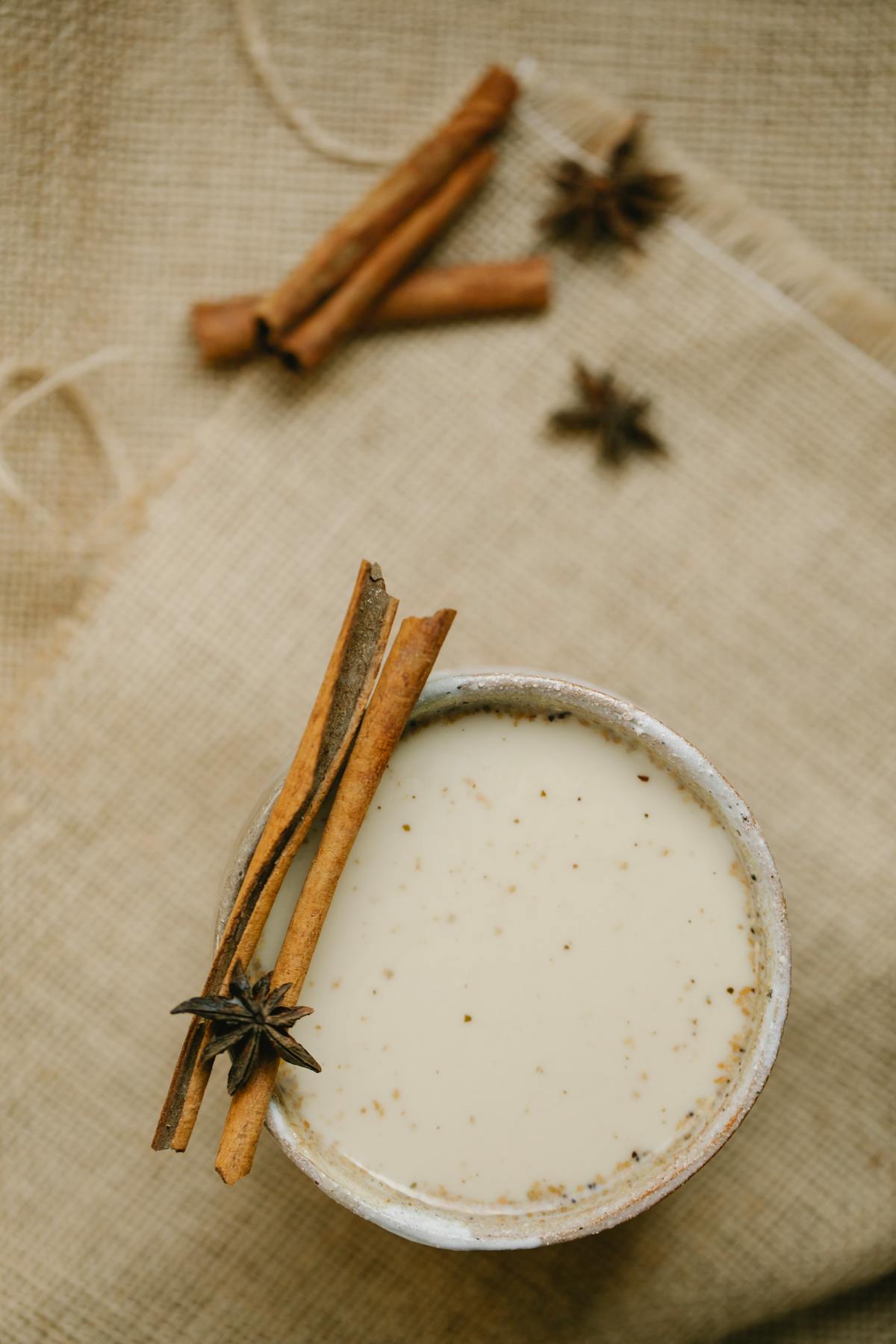
The flavor of these drinks is often described as deep, malty, and slightly earthy, with a faint woodsy aroma beneath the coffee or cacao. When blended with plant milks like oat or almond and a touch of sweetness, they become rich, velvety, and surprisingly indulgent—more like a dessert ritual than a supplement.
What Are Functional Mushrooms & Adaptogens?
Unlike the button mushrooms you sauté for dinner, “functional mushrooms” are varieties used primarily for their potential health effects rather than as everyday vegetables. Adaptogens are herbs and roots traditionally used to help the body adapt to stress and maintain balance.
Most of these ingredients are consumed as extracts or powders, not as whole foods. That means they act more like supplements than like spinach or carrots—something to keep in mind when deciding how much and how often to use them.
Common Functional Mushrooms
- Lion’s mane – prized for potential brain and mood support.
- Reishi – often marketed for relaxation, sleep, and immune support.
- Chaga – earthy and bitter, associated with antioxidants and immunity.
- Cordyceps – used for exercise endurance and energy.
- Turkey tail – rich in immune‑modulating polysaccharides.
Popular Adaptogenic Herbs
- Ashwagandha – linked with stress relief and sleep support.
- Rhodiola rosea – used for mental stamina and fatigue.
- Holy basil (tulsi) – aromatic herb tied to stress and immune resilience.
What Does the Science Say So Far?
Research on functional mushrooms and adaptogens is growing but still early. Many claims online are based on small human studies, animal data, or cell experiments. That doesn’t mean there’s no benefit—it just means we should stay curious and cautious rather than assume miracle effects.
Lion’s Mane & Brain Health
Lion’s mane contains unique compounds called hericenones and erinacines, which in animal studies can stimulate nerve growth factor (NGF), a protein important for nerve cell health. Small human trials have hinted at improvements in mild cognitive impairment and mood, but doses, extract quality, and study designs vary widely.

Reishi, Turkey Tail & Immunity
Reishi and turkey tail mushrooms are rich in beta‑glucans and other polysaccharides that can modulate immune function. Some human studies, especially in clinical and oncology contexts, suggest they may support certain immune parameters, but they are not cures or stand‑alone treatments for disease.
Cordyceps & Exercise
Cordyceps has been studied for potential effects on oxygen utilization and exercise performance. A few small trials show modest improvements in VO₂ max or time to exhaustion, while others are inconclusive. The benefits, if present, are generally subtle—not a performance explosion.
Adaptogens & Stress
Ashwagandha, rhodiola, and holy basil have been investigated for stress, anxiety, and fatigue. Some randomized controlled trials report reductions in perceived stress and improvements in sleep quality or cortisol levels. Still, studies are often short and use specific standardized extracts, which may not match every product on the shelf.
Are Functional Mushrooms Food or Supplements?
In most trendy products, functional mushrooms and adaptogens are consumed in extract form. That changes how we think about them:
- Low calories – they don’t contribute much to energy intake.
- Concentrated actives – beta‑glucans, triterpenes, and other compounds are concentrated compared with whole mushrooms.
- Variable quality – potency and purity differ between brands.
Instead of replacing meals, these ingredients usually ride along with other nutrient‑dense foods: cacao, collagen, plant milks, cinnamon, and dates. Many people turn their mushroom latte into a mini‑meal with healthy fats and protein for steadier energy.
The Culture: From Energy Drinks to “Holistic” Sips
The surge in mushroom coffee is partly a reaction against high‑caffeine, high‑sugar energy drinks that can leave you wired, then wiped out. Functional coffee is marketed as a gentler, more holistic alternative: smoother energy, calmer mood, fewer jitters.
For some, mushroom coffee replaces their usual brew; for others, it’s an add‑on—coffee plus lion’s mane, rather than coffee instead of lion’s mane. The ritual matters as much as the chemistry: slow preparation, a warm cup in your hands, a conscious pause before your day ramps up.
This trend also reflects a broader shift toward nootropic and “functional” foods—people are now asking not just, “Is this healthy?” but “Will this help my focus, mood, or resilience?”
Safety, Side Effects & How to Choose Products
Many people tolerate functional mushrooms and adaptogens well, but they are not risk‑free. Because they’re often sold as supplements, regulation and quality control can be inconsistent.
Potential Concerns
- Medication interactions – especially with immune‑modulating drugs, blood pressure medications, sedatives, and thyroid treatments.
- Allergies or sensitivities – mushrooms and herbs can trigger reactions in some people.
- Contaminants – heavy metals, pesticides, or mislabeling in poorly regulated products.
- Overuse – “more” isn’t better; high doses may cause digestive upset, headaches, or sleep changes.
How to Choose a Safer Product
- Look for third‑party testing (NSF, USP, or clearly documented independent lab reports).
- Check the label – does it specify mushroom part (fruiting body vs. mycelium), extract ratio, and beta‑glucan content?
- Avoid vague blends that list many ingredients without amounts.
- Start low, go slow – begin with half the suggested serving to see how you feel.
- Talk with a clinician if you’re pregnant, breastfeeding, immunocompromised, or on regular medication.
Recipe: Creamy Lion’s Mane & Reishi Mushroom Latte
To bring all of this to life in your kitchen, here’s a cozy, customizable mushroom latte recipe. It’s gently sweet, deeply aromatic, and balanced enough for everyday sipping. You can keep it caffeine‑free or add coffee if you prefer.
Quick Recipe Summary
Prep time: 5 minutes
Cook time: 5 minutes
Total time: 10 minutes
Servings: 1 large mug
Difficulty: Easy
Ingredients
For one 10–12 oz (300–350 ml) mug:
- 1 cup (240 ml) unsweetened plant milk (oat, almond, or soy work well)
- 1/4 cup (60 ml) hot water
- 1–2 tsp mushroom coffee or cacao blend (containing lion’s mane and/or reishi), or:
- 1/2 tsp lion’s mane extract powder
- 1/2 tsp reishi extract powder
- 1–2 tsp unsweetened cocoa or cacao powder (optional but delicious)
- 1–2 tsp maple syrup, honey, or date syrup (to taste)
- 1/4 tsp ground cinnamon
- Small pinch of sea salt (enhances flavor)
- Optional: 1 shot (30 ml) brewed espresso or 1 tsp instant coffee for a caffeinated version
- Optional adaptogens (advanced): a pinch (1/8 tsp) of ashwagandha or rhodiola powder, if tolerated and approved by your clinician
Equipment
- Small saucepan or milk frother
- Heatproof mug
- Whisk, handheld frother, or blender
- Measuring spoons and cup
Step‑by‑Step Instructions
- Warm the milk.
Pour the plant milk into a small saucepan. Heat over medium‑low, stirring occasionally, until steaming but not boiling (tiny bubbles around the edges, about 60–70 °C / 140–158 °F).
- Mix the base.
In your mug, combine the mushroom blend or powders, cacao or cocoa, cinnamon, sweetener, and salt.
- Add hot water & dissolve.
Pour the hot water into the mug and whisk until the powders are fully dissolved and smooth, with no dry clumps.
- Froth the milk.
Once the milk is hot, froth it using a handheld frother, a whisk (vigorously), or by blending carefully in a heat‑safe blender until creamy and slightly foamy.
- Combine & adjust.
Pour the hot, frothy milk into your mug while stirring gently. Taste and adjust sweetness or cinnamon as needed. Add espresso or coffee now if using.
- Finish & savor.
Sprinkle a final dusting of cinnamon on top. Inhale the steam—the aroma should be a blend of warm spice, toasted cocoa, and a gentle forest‑like earthiness. Sip slowly and notice how it feels in your body over the next 20–30 minutes.
Process Photos


Storage, Make‑Ahead & Reheating
For best flavor and texture, mushroom lattes are ideal fresh. Still, you can prep components to save time.
Make‑Ahead Concentrate
- Mix mushroom powders, cacao, cinnamon, and salt in a small jar.
- Use 1–2 tsp of this dry mix per mug, adding hot water, milk, and sweetener when ready.
Storing Leftover Latte
- Cool any leftover drink and store in a sealed jar in the fridge for up to 24 hours.
- Shake before reheating; some settling of powders is normal.
Reheating
- Gently reheat on the stovetop over low heat, stirring often, or microwave in short bursts, stirring between each.
- Re‑froth with a handheld frother to bring back some foam.
Serving Ideas & Complementary Bites
A mushroom latte pairs beautifully with foods that echo its earthy, gently sweet personality. Think cozy, nourishing, and not overly sugary.
- Breakfast: Oatmeal with walnuts, cinnamon, and berries; whole‑grain toast with almond butter and banana.
- Mid‑morning snack: A handful of mixed nuts and dark chocolate; seedy crackers with hummus.
- Evening wind‑down: Fresh fruit, a small chia pudding, or a slice of lightly sweetened banana bread.
Finding a Balanced, Evidence‑Aware Approach
Functional mushrooms and adaptogens are fascinating—and for many people, genuinely enjoyable additions to a wellness routine. They invite us to slow down, savor a warm cup, and think more deeply about how food affects focus, mood, and resilience.
At the same time, it’s important to separate intriguing early science from overstated promises. Mushroom coffee won’t cure chronic illness or replace healthy sleep and a nourishing diet. But as a well‑chosen, thoughtfully used supplement‑like food, it can be one more supportive tool in your self‑care toolbox.
Start simple, listen to your body, loop in your healthcare team when needed, and—above all—let your wellness rituals taste good. A steaming, cinnamon‑topped lion’s mane latte you look forward to each day is far more powerful than any miracle powder you forget in the back of the pantry.
