
Mediterranean 2.0: A Cozy Blue Zones Bean Stew for Everyday Longevity
Plant-Forward Blue Zones Comfort: Mediterranean 2.0 Bean Stew
Longevity-focused, plant-forward eating isn’t about chasing a quick fix; it’s about cozy, satisfying meals you’d happily eat for decades. This Blue Zones–inspired Mediterranean 2.0 bean stew leans on beans, extra-virgin olive oil, and a rainbow of vegetables to create a deeply flavorful pot of food that feels like a hug in a bowl while aligning with what we know about healthy aging.
Think of the simple minestrone pots of Italy, the bean-rich stews of Ikaria, and the rice-and-bean suppers of Nicoya—all celebrating legumes as true “super foods.” This recipe brings that tradition into your kitchen with everyday ingredients, clear steps, and plenty of room to make it your own, whether you’re cooking for one or feeding a big, lively table.
Quick Recipe Snapshot
Equipment You’ll Need
This longevity-inspired bean stew is designed for a simple home kitchen—no special gadgets required.
- Large, heavy-bottomed pot or Dutch oven (4–6 quart)
- Cutting board and chef’s knife
- Wooden spoon or heat-safe spatula
- Measuring cups and spoons
- Colander for rinsing beans and vegetables
- Ladle for serving

Ingredients for Blue Zones–Inspired Mediterranean Bean Stew
These ingredients mirror what you see in many Blue Zones kitchens: beans, seasonal vegetables, olive oil, and just enough herbs to make everything sing.
Core Ingredients
- 3 tbsp extra-virgin olive oil
- 1 medium yellow onion, finely chopped
- 2 medium carrots, diced
- 2 celery stalks, diced
- 3 cloves garlic, minced
- 1 red bell pepper, diced (optional but adds sweetness and color)
- 1 medium zucchini, diced
- 1 cup chopped lacinato or curly kale (or spinach), packed
- 1.5 cups cooked cannellini beans, drained and rinsed (or 1 can, 15 oz)
- 1.5 cups cooked chickpeas, drained and rinsed (or 1 can, 15 oz)
- 1 cup crushed tomatoes (canned or fresh)
- 4 cups low-sodium vegetable broth (or water, plus extra as needed)
- 1/2 cup small whole grains (farro, barley, or brown rice) — optional but very “Mediterranean 2.0”
Herbs, Spices & Seasoning
- 1 tsp dried oregano
- 1 tsp dried thyme or marjoram
- 1/2 tsp smoked paprika (or sweet paprika)
- 1 bay leaf
- Salt, to taste (start with 1 tsp if broth is low-sodium)
- Freshly ground black pepper, to taste
Finishing Touches
- 2–3 tbsp extra-virgin olive oil (for drizzling at the end)
- Juice of 1/2 lemon, or to taste
- 2–3 tbsp chopped fresh parsley or basil
- Optional: 2 tbsp grated aged cheese (like Pecorino Romano) for non-vegan eaters
Step-by-Step: How to Make Mediterranean 2.0 Bean Stew
The rhythm of this recipe is classic home cooking: slowly softening aromatics, layering in vegetables and beans, then letting time and gentle heat pull everything together.
- Prep your vegetables.
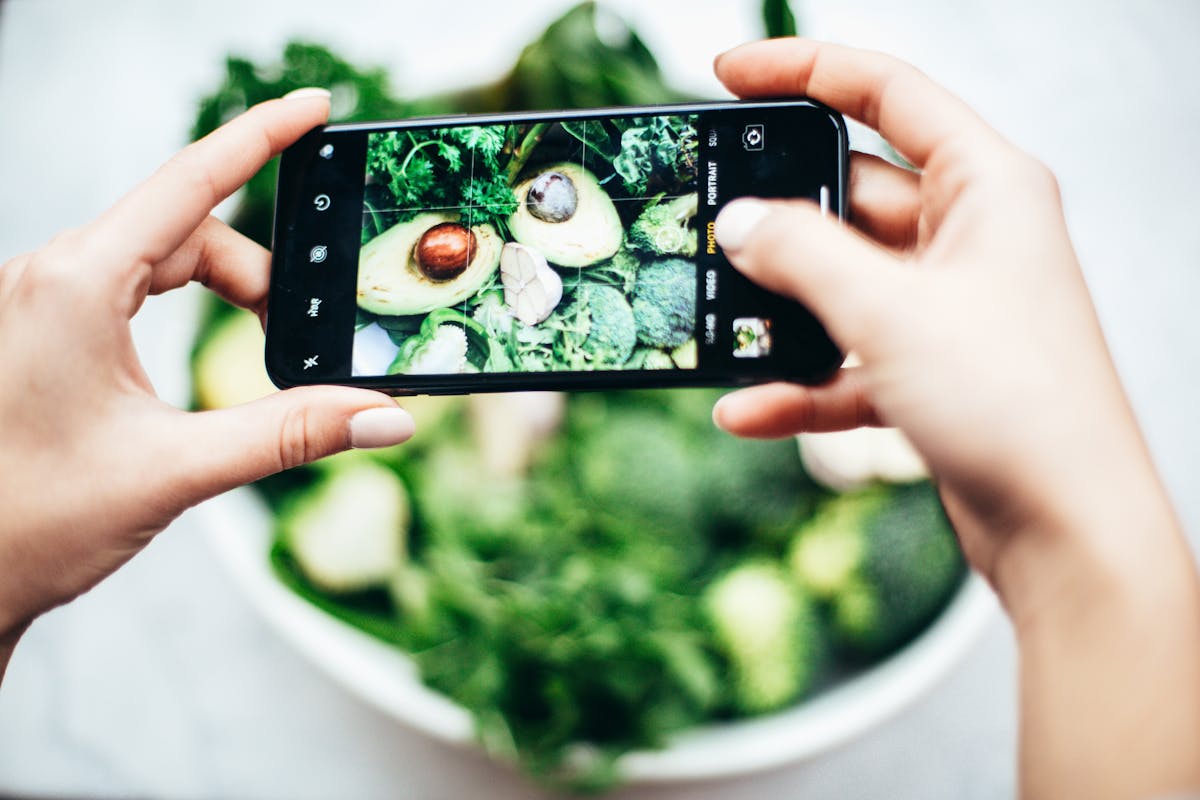
Wash and dice the onion, carrots, celery, bell pepper, and zucchini. Mince the garlic and roughly chop the kale. Rinse and drain the beans and chickpeas if using canned. - Build the aromatic base.
Warm 3 tbsp olive oil in your pot over medium heat. Add onion, carrot, and celery with a small pinch of salt. Cook, stirring occasionally, for 6–8 minutes until the vegetables are softened and the onion turns translucent and sweet-smelling. - Layer in garlic and peppers.
Add garlic and diced red bell pepper. Cook for 1–2 minutes, just until the garlic is fragrant but not browned. - Add zucchini, herbs, and spices.
Stir in the zucchini, oregano, thyme, smoked paprika, and bay leaf. Cook another 2–3 minutes so the spices bloom in the oil, releasing their aroma. - Stir in tomatoes, beans, and grains.
Add crushed tomatoes, cannellini beans, chickpeas, and your chosen grain (if using). Stir well so everything is evenly coated in the tomato and spice mixture. - Pour in broth and simmer.
Add 4 cups vegetable broth (or water) and bring the pot to a gentle boil. Reduce heat to low, partially cover, and simmer for 20–25 minutes, stirring occasionally, until the grains are tender and the stew has thickened slightly. - Add greens and adjust seasoning.
Stir in chopped kale. Simmer 5–7 more minutes, until the greens are tender but still vibrant. Taste and adjust with salt and pepper as needed. - Finish with olive oil, lemon, and herbs.
Turn off the heat. Stir in lemon juice, then drizzle with 2–3 tbsp extra-virgin olive oil. Sprinkle with chopped parsley or basil. The stew should taste bright, savory, and deeply comforting. - Serve the Blue Zones way.
Ladle into warm bowls. Add a tiny sprinkle of grated aged cheese if you eat dairy, or a few toasted nuts or seeds for a fully plant-based crunch. Enjoy slowly, ideally with good company.

Taste, Texture, and Aroma
This stew is all about gentle richness rather than heaviness. The beans and chickpeas become tender and creamy, while the grains add a pleasantly chewy bite. Soft onions and carrots mingle with still-slightly-firm zucchini and silky greens for layers of texture in each spoonful.
On the nose, you get warm notes of garlic, herbs, and olive oil, lifted by the brightness of tomatoes and lemon. The first bite is savory with a whisper of sweetness from slowly cooked vegetables, a subtle smokiness from paprika, and a peppery freshness from the finishing olive oil.
Variations, Substitutions & Dietary Tweaks
One of the joys of Blue Zones and Mediterranean-style eating is flexibility. Home cooks adapt to what’s in the garden, what’s in season, and what’s in the pantry.
Make It Vegan, Gluten-Free, or Higher-Protein
- Vegan: The base recipe is already vegan if you skip the optional cheese. Finish with extra herbs, nuts, or a drizzle of good olive oil.
- Gluten-free: Use brown rice, millet, or quinoa instead of farro/barley, or simply omit grains and add extra beans.
- Higher protein: Add an extra cup of beans or stir in a scoop of cooked lentils during the last 10 minutes of simmering.
Seasonal Swaps
- Spring: Add peas, asparagus tips, or tender spring greens.
- Summer: Use fresh tomatoes, extra zucchini, and basil.
- Autumn: Stir in cubes of pumpkin or butternut squash.
- Winter: Swap kale for cabbage, collards, or chard.
How to Serve: Blue Zones & Mediterranean 2.0 Style
In many longevity-focused cultures, the healthiest meals are also the most social. This stew is perfect for relaxed, shared bowls at the table.
- Serve with a slice of whole-grain sourdough or dense rye bread (or gluten-free bread if needed).
- Add a simple side salad: leafy greens, tomatoes, olives, and a lemon-olive oil dressing.
- Top each bowl with fresh herbs, cracked black pepper, and a drizzle of extra-virgin olive oil.
- For a Blue Zones feel, serve in smaller bowls and savor slowly, ideally without screens nearby.
Storage, Meal Prep & Reheating
This is one of those rare dishes that tastes even better the next day, as the beans, grains, and vegetables soak up more of the aromatic broth.
Refrigeration
- Cool the stew to room temperature within 1–2 hours of cooking.
- Transfer to airtight containers and refrigerate for up to 4 days.
Freezing
- Freeze in individual or family-size portions for up to 3 months.
- Leave a little headspace in containers for expansion.
Reheating
- Stovetop: Warm gently over medium-low heat, adding a splash of water or broth if it has thickened. Stir occasionally until piping hot.
- Microwave: Reheat in a microwave-safe bowl in 60–90 second bursts, stirring between each, until hot.
Why This Recipe Fits a Longevity & Blue Zones Eating Pattern
Across Blue Zones and Mediterranean-style diets, certain themes repeat: beans and lentils as daily staples; extra-virgin olive oil instead of butter; plenty of vegetables; modest portions of animal products; and a strong culture of home cooking and shared meals. This stew echoes those patterns in one pot.
Beans bring fiber, plant protein, and minerals like magnesium and folate. Olive oil offers heart-friendly fats and antioxidant compounds, especially when used to replace saturated fats. Whole grains and vegetables round out the picture with slow-digesting carbohydrates and a broad spectrum of phytochemicals. Combined with mindful, social eating, it’s a delicious way to support long-term health rather than short-term dieting.
Recipe Structured Data (SEO)
The following structured data helps search engines understand this Blue Zones–inspired Mediterranean bean stew recipe and present it clearly in search results.
