
Blood Sugar-Friendly Eating: How CGMs and “Glucose Goddess” Hacks Are Changing the Way We Eat
Wearable blood-sugar tracking and viral “glucose hacks” are reshaping how we think about meals. From continuous glucose monitors (CGMs) to veggie-first plates and post‑dinner walks, a new wave of food‑loving science is helping people aim for smoother blood sugar curves to support steadier energy, calmer appetites, and easier weight management—without cutting out carbs entirely.
In this guide, we’ll explore how blood sugar‑friendly eating works, what CGMs can and can’t tell you, and how to use “Glucose Goddess”‑style hacks in a grounded, joyful way. You’ll also get a beautifully balanced, blood sugar‑friendly recipe that puts these ideas on your plate.
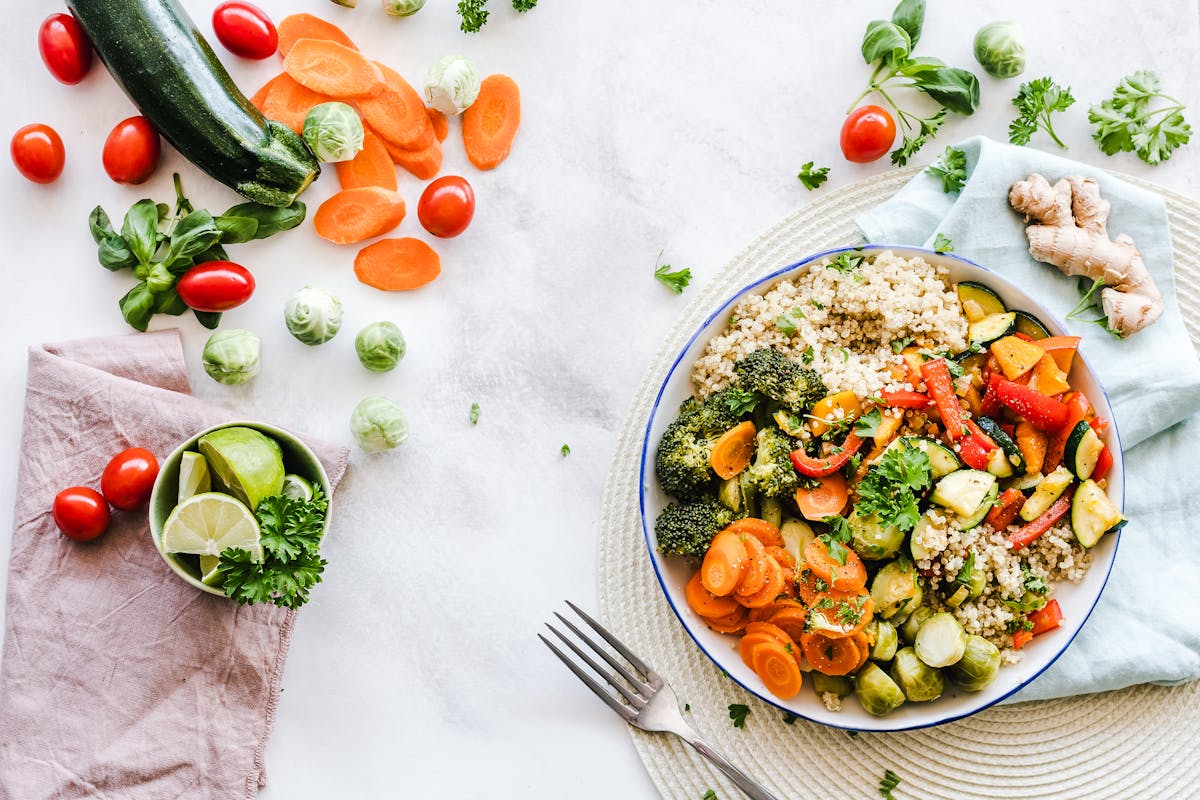
Think of blood sugar‑friendly eating as giving your body a gentle, rolling wave of energy instead of dramatic spikes and crashes. The food still looks and tastes inviting—crunchy salads, warm roasted veggies, golden protein, and thoughtfully timed carbs—just assembled to be kinder to your metabolism.
What Does “Blood Sugar‑Friendly” Eating Mean?
At its heart, blood sugar‑friendly eating is about how foods are combined and sequenced, not about perfection or deprivation. The goal is to keep your blood glucose in a comfortable range through:
- More fiber: especially from non‑starchy vegetables, beans, lentils, whole grains, nuts, and seeds.
- Adequate protein: to slow digestion, support muscle, and keep you full.
- Healthy fats: like olive oil, avocado, nuts, and seeds for richer flavor and steadier energy.
- Smart carb timing: enjoying carbs alongside protein, fat, and fiber instead of on their own.
You’ll see plenty of overlap with Mediterranean‑style and low‑glycemic diets, but this approach is usually more flexible than strict keto or very low‑carb plans. The message is: Keep the carbs—just pair and time them wisely.
Continuous Glucose Monitors: From Diabetes Care to Wellness Trend
Continuous glucose monitors were designed for people living with diabetes, providing a tiny sensor (often on the arm) that tracks glucose around the clock. Now, health‑curious eaters are using consumer CGMs to see in real time how oatmeal vs. eggs, or a walk vs. the couch, affect their curves.
On social media, you’ll often see split‑screen graphs: one meal eaten as plain refined carbs, and the same foods re‑ordered with a veggie starter, protein, or added fat. The second line usually looks like a gentler hill instead of a steep mountain, and that visual has captivated millions.
Viral “Glucose Goddess” Hacks & Carb Timing Explained
Viral educators have packaged blood sugar science into snackable, practical tips that home cooks can try right away. Many of these line up with what dietitians have recommended for years—just with more flair and visual proof.
- Veggies before starch: Start your meal with a small salad or cooked non‑starchy veggies. Their fiber forms a gentle “mesh” in your gut, slowing the absorption of sugars that come later.
- Protein and fat first: A few bites of chicken, tofu, Greek yogurt, eggs, or nuts at the start of the meal can blunt the spike from bread, pasta, rice, or dessert.
- Carbs with company: Instead of eating a plain white bagel or a sugary drink solo, pair carbs with fiber, protein, and fat—think whole‑grain toast with avocado and eggs rather than jam alone.
- Move after meals: A 10–20 minute walk after eating helps your muscles soak up glucose. It can feel like a peaceful transition between dinner and the rest of your evening.
- Coffee with food: For some people, coffee on an empty stomach feels like a jolt. Sipping it with or after a protein‑rich breakfast may be gentler on both your gut and blood sugar.

Benefits, Downsides, and How to Stay Sane
Nutritionally, this movement nudges people toward habits most experts cheer for: more fiber and non‑starchy vegetables, plenty of protein, fewer sugary drinks, and less reliance on ultra‑processed snacks. Many people report steadier energy, fewer afternoon crashes, and less intense cravings.
Still, there are some caveats:
- Normal variation is normal: Blood sugar naturally rises after meals and overnight. Not every bump is a crisis.
- Data overload: Constant CGM monitoring can make some people anxious about every bite.
- Individual responses vary: Two people can eat the same food and show different curves, based on sleep, stress, hormones, microbiome, and more.
Recipe: Blood Sugar‑Friendly Lemon Herb Chicken Bowl
This bowl is pure weeknight joy: juicy lemon‑herb chicken, caramelized roasted veggies, fluffy quinoa, and a silky yogurt‑tahini drizzle. It’s built around the very principles we’ve discussed—protein, fiber, healthy fats, and smart carb timing—yet feels indulgent and comforting.
Ingredients
For the lemon herb chicken
- 1 ½ lbs (680 g) boneless, skinless chicken thighs or breasts, trimmed
- 3 tbsp extra‑virgin olive oil
- Zest and juice of 1 large lemon
- 3 garlic cloves, finely minced
- 1 ½ tsp dried oregano (or 1 tbsp fresh, chopped)
- 1 tsp dried thyme (or 2 tsp fresh, chopped)
- ½ tsp sea salt, plus more to taste
- ¼ tsp freshly ground black pepper
For the roasted veggies
- 1 medium zucchini, cut into half‑moons
- 1 red bell pepper, sliced into strips
- 1 small red onion, sliced into wedges
- 1 cup (150 g) cherry tomatoes
- 2 tbsp extra‑virgin olive oil
- ½ tsp dried oregano
- ¼ tsp sea salt
For the fiber‑rich quinoa base
- 1 cup (185 g) dry quinoa, rinsed well
- 2 cups (480 ml) low‑sodium vegetable or chicken broth (or water)
- 1 tbsp olive oil
- Pinch of sea salt
For the yogurt‑tahini drizzle
- ½ cup (120 g) plain Greek yogurt (2% or full‑fat)
- 2 tbsp tahini
- 1 tbsp lemon juice
- 1 small garlic clove, grated or finely minced
- 2–3 tbsp water, to thin as needed
- Pinch of salt and pepper
To serve & finish
- 2 cups (about 60 g) mixed leafy greens or baby spinach
- ¼ cup (30 g) toasted nuts or seeds (e.g., pumpkin seeds, almonds, or walnuts)
- Fresh parsley or dill, chopped, for garnish
- Lemon wedges, for serving
Equipment You’ll Need
- Large mixing bowl for marinating chicken
- Medium saucepan with lid for quinoa
- Large rimmed baking sheet (or two, if needed)
- Sharp chef’s knife and cutting board
- Small bowl and whisk for the sauce
- Tongs or spatula for turning chicken and veggies
Step‑by‑Step Instructions
- Marinate the chicken.
In a large bowl, whisk together olive oil, lemon zest and juice, minced garlic, oregano, thyme, salt, and pepper. Add the chicken and toss to coat. Let it sit for at least 15 minutes at room temperature, or cover and refrigerate for up to 8 hours for deeper flavor. - Preheat the oven and prep veggies.
Preheat your oven to 400°F (200°C). On a large rimmed baking sheet, toss zucchini, bell pepper, red onion, and cherry tomatoes with olive oil, oregano, and salt until glistening and evenly coated. - Start the quinoa.
In a medium saucepan, combine rinsed quinoa, broth (or water), olive oil, and a pinch of salt. Bring to a gentle boil over medium‑high heat, then reduce to low, cover, and simmer for 15 minutes. Turn off the heat and let it stand, covered, for 5 more minutes, then fluff with a fork. - Roast the vegetables.
Slide the baking sheet of veggies into the oven and roast for 20–25 minutes, stirring once halfway, until tender and slightly caramelized at the edges. The tomatoes should be just starting to burst and release their sweet juices. - Cook the chicken.
While the veggies roast, heat a large skillet over medium‑high heat (or use a grill pan). Add a light slick of oil if your pan isn’t non‑stick. Remove chicken from the marinade, letting excess drip off. Cook for 5–7 minutes per side, depending on thickness, until golden brown and cooked through (internal temperature 165°F / 74°C). Let rest on a cutting board for 5 minutes, then slice.
Let the lemon herb chicken rest before slicing to keep it juicy and tender. - Make the yogurt‑tahini drizzle.
In a small bowl, whisk together Greek yogurt, tahini, lemon juice, garlic, and 2 tablespoons of water. Add more water, a teaspoon at a time, until you have a smooth, pourable sauce. Season with a pinch of salt and pepper. The sauce should be tangy, nutty, and creamy.
A creamy yogurt‑tahini drizzle adds satisfying fats and protein without being heavy. - Assemble your blood sugar‑friendly bowls.
In four wide bowls, add a small handful of leafy greens on one side. Spoon in a scoop of warm quinoa on the other side. Top with a generous pile of roasted veggies and sliced chicken. Drizzle with yogurt‑tahini sauce, then sprinkle with toasted nuts or seeds and fresh herbs. Serve with lemon wedges for squeezing over the top.Each bowl layers greens, whole grains, protein, and healthy fats for stable, sustained energy. - Eat in a blood sugar‑friendly order.
To put the “glucose hacks” into practice, start with a few bites of the leafy greens and roasted veggies, then enjoy the chicken, and finally the quinoa. Take your time and savor the contrasting textures: charred edges on vegetables, juicy chicken, fluffy grains, and cool, creamy sauce.
Tips, Variations & Dietary Swaps
- Make it seasonal: In autumn, try Brussels sprouts and carrots; in summer, swap in eggplant and green beans.
- Flavor twist: Add smoked paprika or cumin to the chicken marinade for a deeper, smoky aroma.
- Extra fiber boost: Fold a can of rinsed lentils into the quinoa for even more fiber and plant protein.
Storage & Reheating
This recipe meal‑preps beautifully and is perfect if you’re keeping an eye on your blood sugar from one busy day to the next.
- Fridge: Store chicken, quinoa, and roasted veggies in separate airtight containers for up to 4 days. Keep the yogurt‑tahini sauce in its own container.
- Reheating: Gently reheat chicken, veggies, and quinoa together in a skillet over medium‑low heat with a splash of water or broth, or microwave in short bursts, stirring occasionally. Add fresh greens and sauce after heating.
- Freezer: The cooked chicken and quinoa freeze well for up to 2–3 months. Roasted veggies can be frozen, but their texture will soften; they’re still great in bowls or wraps.
Serving Suggestions & Blood Sugar‑Friendly Pairings
To stay in the spirit of gentle glucose curves, you can round out this dinner with:
- Starter: A simple side salad of leafy greens, cucumber, and a vinegar‑forward dressing—enjoyed before the main bowl.
- Drink: Sparkling water with lemon or a light herbal tea. If you enjoy wine, have it with or after the meal, not before, and in moderation.
- Dessert: A small bowl of berries with a dollop of Greek yogurt or a few squares of dark chocolate (70%+ cocoa) paired with some nuts.
Bringing Tech, Trends, and Real Food Together
You don’t need a CGM, a viral graph, or a perfect plate to eat in a blood sugar‑friendly way. What matters most is consistency and enjoyment: vegetables and protein showing up often, carbs wrapped in fiber and flavor, and gentle movement woven into your day—like a slow stroll after dinner with someone you love.
Let this lemon herb chicken bowl be a template more than a rulebook. Swap in your favorite vegetables, grains, and proteins, keep the veggie‑first habit, and notice how your body feels: steadier, calmer, and more comfortably satisfied from meal to meal.
