
Martin O’Neill’s Emotional Celtic Farewell: Legacy, Pressure and a New Era at Parkhead
Martin O'Neill’s departure from Celtic after one last grand performance closes a defining chapter in the club’s modern history, celebrating the veteran manager’s transformative impact while raising the stakes and the pressure for the successor who must follow his act.
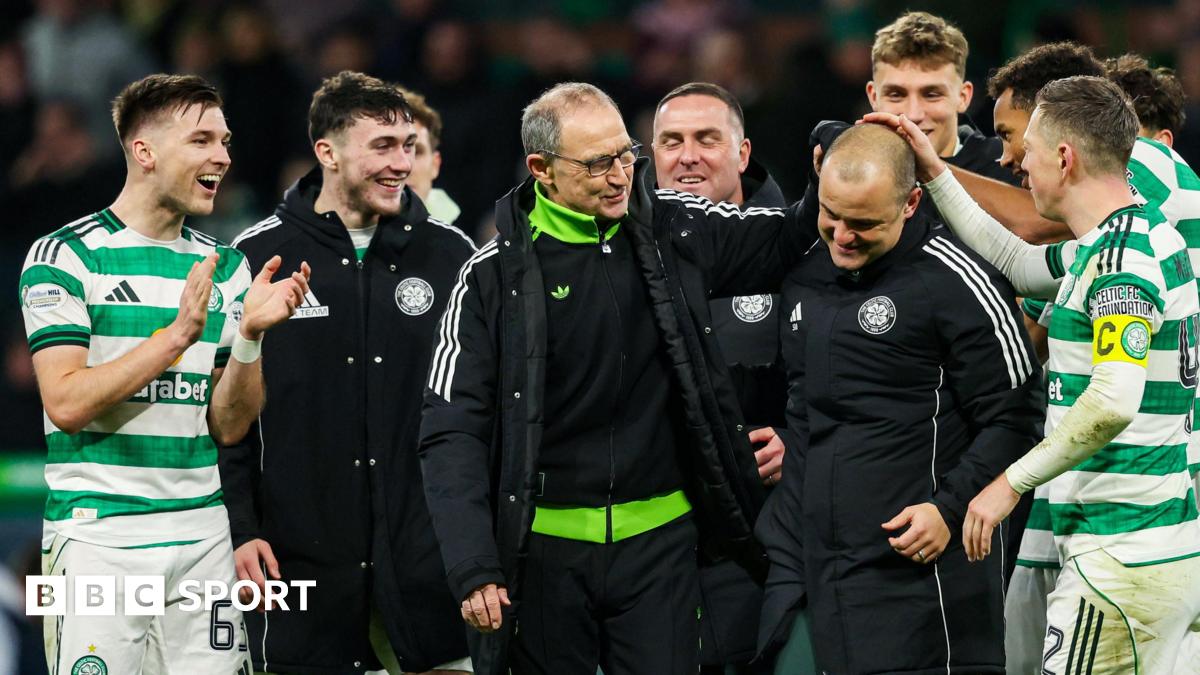
A Grand Old Showman Takes His Final Bow
When Martin O’Neill walked into Celtic Park at the turn of the century, he delivered a bolt of electricity to a club that had lost its way domestically and in Europe. His surprise announcement to leave – accompanied by Celtic’s public gratitude and, memorably, a fresh club tracksuit – had the feeling of a final curtain call from a born showman who always understood the theatre of football.
His last match in charge, framed as a farewell performance rather than just another fixture, reminded supporters exactly what he had given them: intensity, belief and a swagger that dragged Celtic out of a hole and back into the spotlight.
Yet the timing of O’Neill’s exit also throws a long shadow. The man coming in behind him inherits not only a talented squad and demanding fanbase, but also the weight of expectation created by one of the most successful modern reigns in Celtic history.
From Crisis to Contenders: O’Neill’s Transformative Impact
When O’Neill first arrived, Celtic were bruised. Domestic dominance had slipped, and European nights felt more like obligation than opportunity. The veteran manager, fresh from impressive spells in English football, brought structure, personality and a ruthless edge.
His legacy at Celtic can be framed in three pillars:
- Cultural reset: Restored belief and standards within the dressing room and the stands.
- Tactical clarity: Built a side around power, width and high-tempo attacking football.
- European credibility: Turned Celtic from also-rans into genuine European competitors.
O’Neill did not just win matches; he changed the way Celtic thought about themselves. Supporters went from hoping to expecting, from fearing big occasions to craving them.
“When I came here, I said I’d try to bring the glory days back. The players and fans have done that together. It’s been a privilege to be part of it.”
— Martin O’Neill, on reflecting about his Celtic tenure
By the Numbers: O’Neill’s Celtic Record in Focus
O’Neill’s time in Glasgow is often remembered emotionally – the roar of European nights, the drama of Old Firm derbies – but the statistics underline just how effective he was.
| Category | Figure | Context |
|---|---|---|
| Seasons in charge | Multiple campaigns | Oversaw a full cycle of rebuild and contention. |
| Domestic titles | League & Cups combined | Re-established Celtic at the top of Scottish football. |
| European campaigns | Repeated group runs | Celtic became a genuine European presence once again. |
| Home dominance | Formidable record | Turned Celtic Park into one of Europe’s toughest venues. |
While precise win percentages and title tallies tell part of the story, the broader context is key: O’Neill took over a team searching for identity and left behind a serial contender both at home and abroad.
A Final Performance and a New Tracksuit
O’Neill’s farewell did not come quietly. His last outing felt like a carefully crafted final act, a reminder of the emotional connection he’d forged with the Celtic support. On the touchline, clad in a fresh Celtic tracksuit, he cut the familiar figure: animated, demanding and utterly engaged until the final whistle.
The club’s structured thank-you, complete with tributes and symbolism, underlined how central he had become to the Celtic story. The tracksuit itself became a small but telling emblem — a nod to the everyday graft of a manager who lived every minute on the training pitch and the technical area.

Supporters, many of whom vividly remember the club’s struggles before his arrival, responded in kind. The ovation was not just for the trophies, but for the identity and pride he had restored.
“He gave us our Celtic back. The football, the fight, the belief — that’s what we’ll remember when we talk about Martin O’Neill.”
— Celtic supporter speaking outside Celtic Park
The Successor’s Burden: Following a Giant
If O’Neill’s arrival dragged Celtic out of a hole, his dignified exit digs a very different one for the next man: a pit of expectations. The new manager steps into an environment where:
- Silverware is assumed, not merely targeted.
- European progress is demanded, not just hoped for.
- Supporters expect both results and an identity on the pitch.
The timing of the announcement only sharpens that focus. With the club publicly and lavishly thanking O’Neill, the contrast with his successor will be immediate and unavoidable. Any early stumble will be read against the backdrop of the outgoing manager’s achievements.

From a sporting perspective, this kind of succession is one of the toughest tasks in football. Following a struggling regime allows room to grow; following a beloved winner means hitting the ground at full sprint.
Tactical Identity: What the Next Era Inherits
Beyond trophies, the next manager inherits a squad drilled in O’Neill’s principles: organisation, intensity and direct, purposeful play. The decision facing the club is whether to evolve this template or rupture it.
Key elements of O’Neill’s Celtic blueprint:
- Defensive structure: Compact units designed to be difficult to break down, especially at home.
- Wing play: Wide players encouraged to attack aggressively and supply the forwards early.
- Physicality and presence: A spine built to dominate duels and set-pieces.
- Emotional intensity: Harnessing the crowd and atmosphere as tactical weapons.
The new boss must balance respect for this framework with the courage to imprint his own ideas. Too much change, and the squad may flounder; too little, and the team risks stagnation while rivals adapt.
Human Stories Behind the Headlines
O’Neill’s farewell is not just a tactical or statistical story. It is deeply human. Players who blossomed under his management have spoken about the personal belief he instilled, often at pivotal moments in their careers.
“He backed me when things weren’t going well. That kind of faith changes a player. You don’t forget it.”
— Former Celtic player on Martin O’Neill’s man-management
For supporters, O’Neill’s era is tied to memories that transcend league tables: dramatic comebacks, derby days etched into family folklore, European nights that turned Celtic Park into a cauldron. These moments bind generations of fans together, and O’Neill has been at the heart of that shared story.

Celtic After O’Neill: Opportunity and Risk
As the club turns the page, two realities coexist. On one hand, Celtic are in far better shape than when O’Neill arrived: a stronger squad, renewed European standing and a fanbase reconnected to the team. On the other, the bar has been set high enough that anything less than sustained success will feel like regression.
From an analytical standpoint, the next phase will hinge on:
- Squad management: Retaining key players who thrived under O’Neill while integrating fresh talent.
- European evolution: Building on the foundations laid to go deeper in continental campaigns.
- Psychological resilience: Managing the inevitable comparisons with O’Neill in both good times and bad.
O’Neill leaves with Celtic’s thanks, a new tracksuit and a legacy secured in the club’s modern folklore. What remains to be written is how his successor responds to the pressure, and whether this farewell marks the peak of a cycle or the springboard to an even more dominant era.
As supporters look ahead to the next kick-off, one question will linger over Parkhead: can anyone truly follow Martin O’Neill, or will they forever be chasing the shadow of the grand old showman who just left the stage?
For official updates, fixtures and club news, visit the Celtic FC official website and follow competition data on the UEFA and SPFL websites.
