
Lizzo’s Legal Win: What Her Fat-Shaming Case Ruling Really Means for Pop Culture
Lizzo’s Legal Victory on Fat-Shaming Claims: A Turning Point for Pop, Power, and Body Positivity?
Lizzo has scored a significant legal win: a US judge has dismissed the fat-shaming claims brought by three of her former dancers in a 2023 lawsuit, a case she says has “haunted” her. The ruling doesn’t erase all the allegations she faces—claims of sexual harassment and a hostile work environment are still in play—but it does reshape how this high-profile legal drama sits within pop culture, body positivity, and the modern music industry.
This isn’t just a courtroom update for fans; it’s a stress test for the entire “body positive pop-star” narrative. When the artist most associated with mainstream body acceptance is accused of fat-shaming her own dancers, the story hits harder than a typical celebrity lawsuit—and the dismissal of those specific claims carries cultural weight of its own.
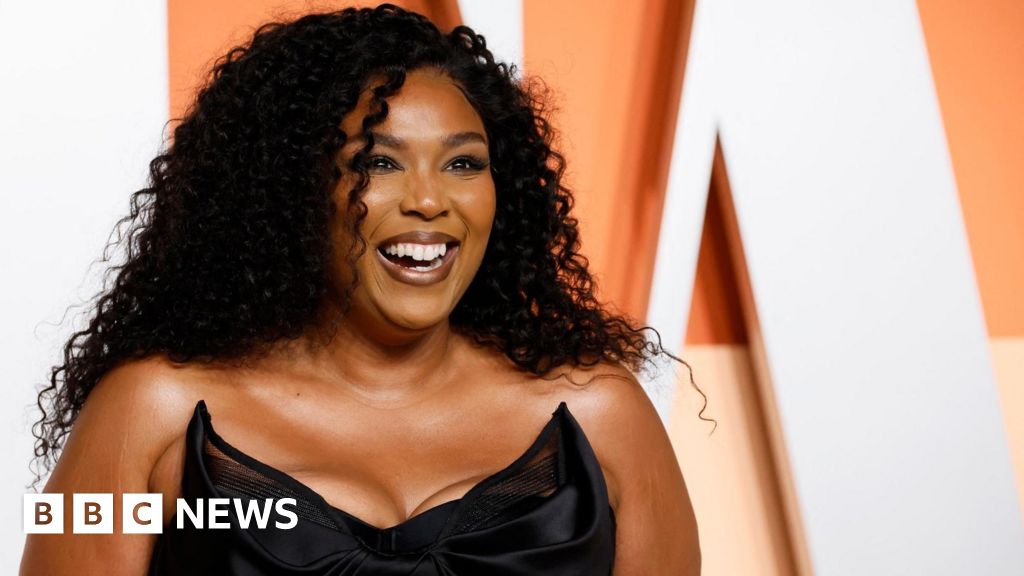
How We Got Here: The 2023 Lawsuit Against Lizzo
In 2023, three former dancers—key members of Lizzo’s touring operation—filed a lawsuit in Los Angeles, alleging fat-shaming, religious discrimination, sexual harassment, and a hostile work environment. The suit landed like a bomb in the middle of pop discourse because it targeted an artist whose entire public brand is built around joy, inclusivity, and self-love.
The most explosive detail, culturally speaking, was the claim that Lizzo, of all people, had allegedly criticized a dancer’s weight, questioned her commitment, and contributed to an environment where body size was quietly policed. For a star whose tracks like “Truth Hurts” and “Good as Hell” soundtrack gym playlists and TikTok affirmations, the accusation hit differently.
“These last few months have been incredibly difficult and emotionally taxing,” Lizzo said, adding that the allegations had “haunted” her.
The case also fed into a broader conversation about what happens when the “good vibes only” image of pop stars collides with the realities of being a boss—managing staff, navigating power dynamics, and handling conflict behind the scenes.
What the Judge Actually Dismissed: Fat-Shaming Claims Explained
The new legal development centers specifically on the fat-shaming allegations. A US judge has dismissed those claims, effectively ruling that, under the applicable employment and discrimination laws, the alleged conduct did not meet the legal threshold required to move forward in court on that basis.
That doesn’t mean every detail in the dancers’ story has been proven false; it means the fat-shaming portion of the case, as framed by the plaintiffs, doesn’t survive legal scrutiny as a standalone claim. Courts are often more conservative than culture when it comes to what constitutes discrimination or harassment on the basis of weight.
For Lizzo, this is a reputational lifeline. Body shaming is the single allegation that most aggressively contradicts her public persona. Having those claims dismissed allows her, and her legal team, to draw a line between the symbol (Lizzo as body-positive icon) and the very specific, very technical world of labor law.

What’s Still on the Table: Sexual Harassment and Workplace Culture
Even with the fat-shaming allegations dismissed, Lizzo is not out of the legal woods. The dancers’ lawsuit still includes claims of sexual harassment and an allegedly hostile work environment. Those parts of the case, according to current reporting, remain active.
These allegations tap into a recurring storyline in the entertainment industry: tour life as a space where boundaries blur, professionalism breaks down, and “family” culture becomes a double-edged sword. Pop tours often run on intense schedules, grueling rehearsals, and emotionally charged hierarchies where artists, creative directors, and dancers all share close quarters.
One of the more uncomfortable questions hovering over Lizzo’s case is whether the warmth and intimacy she projects to fans can, behind the scenes, slide into a work culture where saying “no” doesn’t feel like a real option for employees whose livelihoods depend on staying in the inner circle.
The Lizzo Brand vs. Reality: Body Positivity Under Cross-Examination
Lizzo isn’t just a chart-topping artist; she’s shorthand for body positivity in mainstream pop. From her flute solos to her unapologetic stage outfits, she’s built a brand on rejecting respectability politics and celebrating bigger bodies in spaces that historically only made room for one type of pop star.
That’s why the original fat-shaming claims landed so forcefully: they suggested hypocrisy at the heart of her public persona. Even with the court dismissal, the cultural bruise lingers. Audiences don’t parse legal filings in detail; they remember headlines.
Still, the dismissal gives defenders of Lizzo a tangible counterpoint: if the most symbolically charged allegations couldn’t survive legal scrutiny, maybe the gap between the public Lizzo and the private one isn’t as wide as critics feared. At the same time, fans increasingly accept that artists can be both trailblazing and flawed—it’s the post-#MeToo, post-standom reality of pop fandom.

What This Means for the Entertainment Industry and Dancer Rights
Beyond Lizzo, this case plugs into a long-running tension in music and entertainment: dancers, choreographers, and crew are essential to the show, but rarely enjoy the same protections, visibility, or leverage as the star whose name is on the marquee.
In recent years, dancers have become more vocal online about unfair contracts, extreme schedules, and being treated as disposable. High-profile lawsuits like this—whether fully successful or partially dismissed—send signals across the industry about what kinds of behavior might end up litigated, reported on, or called out by fans.
- For artists: The line between playful, “we’re all family” tour culture and legally risky conduct is thinner than it looks.
- For dancers: Even partial legal wins or settlements can raise awareness and shift negotiating power, especially in public-facing cases.
- For audiences: Parasocial relationships with stars are getting more complicated as backstage realities come into view.

Media Narratives, Social Media Trials, and the Court of Public Opinion
The BBC’s coverage of Lizzo’s legal victory zeroes in on the tension between her emotional response—she says the case has haunted her—and the unresolved nature of the broader lawsuit. It’s a reminder that news cycles love clean arcs: rise, scandal, redemption. Real cases are messier.
On social platforms, the response has been predictably polarized: some fans see the dismissal as full vindication, others argue that legal standards don’t erase the dancers’ experiences. That split reflects a bigger shift in celebrity culture: people are increasingly comfortable holding two truths at once—acknowledging a star’s impact while still interrogating their behavior.
In the age of stan culture and instant takes, a single headline about a motion being granted or dismissed can completely rewrite the public version of events—long before a full trial ever happens.
For now, Lizzo’s legal win on the fat-shaming front offers a narrative pivot point, but not a full epilogue. The story is still unfolding in both court filings and comment sections.

Where Lizzo Goes From Here: Reputation, Responsibility, and the Next Chapter
Lizzo’s dismissal of the fat-shaming claims is a meaningful win, both practically and symbolically. Practically, it narrows the scope of the lawsuit. Symbolically, it protects the core of her public identity as a champion for body positivity—at least in the eyes of the law.
At the same time, she still faces serious allegations related to workplace conduct, and those will continue to shape her narrative in the months ahead. The path forward, reputationally, may depend less on legal technicalities and more on how she engages with criticism: whether through silence, carefully worded statements, or more proactive changes in how her tours and teams operate.
For the industry, this moment is another reminder that the old model of the untouchable pop superstar is fading. Fans want hits, but they also want accountability. Lizzo’s legal victory on fat-shaming doesn’t close the book on her, but it does rewrite a crucial chapter—and the rest of the story will be written on stage, in court filings, and, inevitably, in the group chats where pop culture is really decided.
