
Living Longer With IBD: How UCSF’s New Longevity Clinic Is Changing Care for Adults 65+
For decades, inflammatory bowel disease (IBD) was seen as something that mostly struck people in their teens, 20s and 30s. But across the United States, and very clearly at UCSF, doctors are now caring for a growing number of older adults—people in their late 60s, 70s and beyond—living with Crohn’s disease and ulcerative colitis. That shift is exactly why UCSF has opened a dedicated IBD Longevity Clinic in San Francisco designed specifically for patients 65 and older.
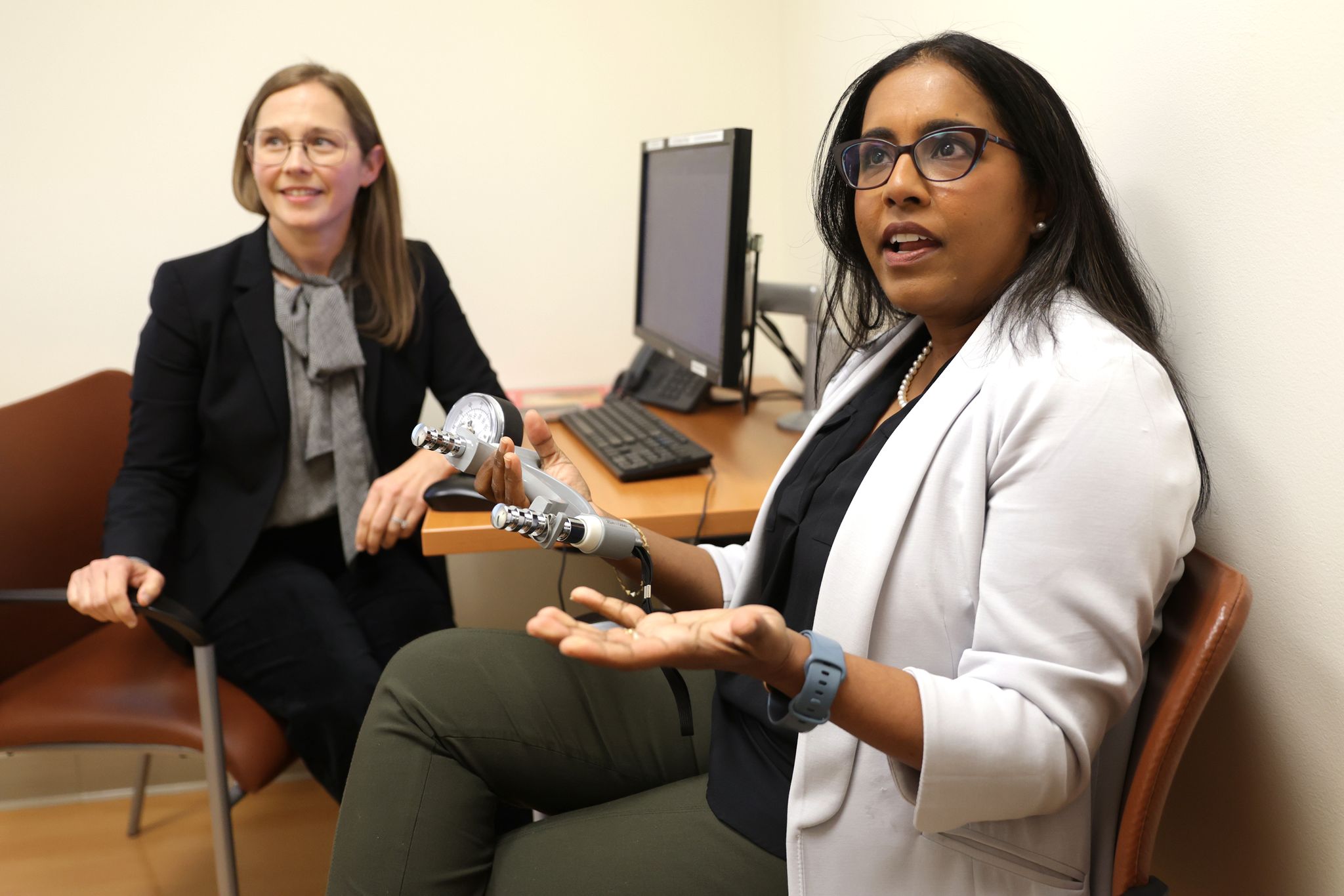
If you or someone you love is an older adult with IBD, you already know it’s not just about managing gut inflammation. Aging brings new medications, changing mobility, fall risks, memory concerns and the understandable desire to stay independent. UCSF’s new clinic is built around that reality, uniting gastroenterologists, geriatricians, nutritionists and pharmacists to create one coordinated care plan.
This article walks you through why IBD in older adults is rising, what makes care at UCSF’s IBD Longevity Clinic different, and practical questions you can ask your own care team—whether or not you live near San Francisco.
Why Are More Older Adults Living With IBD?
Two important trends are driving the rise of IBD in people 65 and older:
- People with IBD are living longer. Thanks to better medications, surgery techniques and infection control, many people diagnosed in early adulthood are now living well into their 70s and 80s.
- More people are being diagnosed later in life. A growing share of new cases of ulcerative colitis and Crohn’s disease now occur after age 60. Symptoms like diarrhea, abdominal pain and weight loss can easily be mistaken for “just aging,” delaying diagnosis.
UCSF physicians report they are seeing this dual trend clearly in their clinics. That’s why they launched the IBD Longevity Clinic—to respond to needs that standard gastroenterology visits often don’t have time or training to fully address.
“IBD in a 75-year-old is not the same as IBD in a 25-year-old. The immune system is different, the medication risks are different, the goals are often different—and our care has to reflect that.”
— Paraphrased from UCSF IBD Longevity Clinic physicians’ comments to the San Francisco Chronicle
Older adults may also be more vulnerable to side effects from standard IBD therapies—especially infections, bone loss, and drug interactions—making thoughtful, individualized treatment even more important.
Inside UCSF’s IBD Longevity Clinic: A Team Built for Aging and IBD
The IBD Longevity Clinic at UCSF is one of the first in the U.S. to explicitly combine gastroenterology and geriatrics for people 65 and older with inflammatory bowel disease.
Instead of seeing one specialist at a time, patients are evaluated by a coordinated team that may include:
- IBD gastroenterologists who focus on Crohn’s disease and ulcerative colitis.
- Geriatricians who specialize in the health of older adults, including memory, falls and frailty.
- Clinical pharmacists who review every medication—IBD-related or not—for interactions and safety.
- Nutritionists and dietitians to address malnutrition, weight loss, bone health and food tolerances.
- Nurses and care coordinators who help with vaccination schedules, lab monitoring and follow-up appointments.
The goal isn’t just to quiet gut inflammation; it’s to match treatment intensity with a person’s overall health, preferences and life plans.
Why Tailored IBD Care Matters After 65
Aging changes how bodies respond to both disease and treatment. UCSF’s Longevity Clinic approach is grounded in evidence showing that older adults with IBD face distinct risks and needs, including:
- Higher risk of infections from immunosuppressive drugs and steroids.
- More medication interactions because people often take treatments for blood pressure, heart disease, diabetes and more.
- Greater vulnerability to bone loss and fractures, especially with long-term steroid use.
- Cognitive changes that can affect remembering doses or recognizing side effects.
- Functional decline—fatigue, falls and mobility issues—that isn’t always addressed in standard GI visits.
“The same medication that’s ideal at 40 might be too risky at 80. Good IBD care in older adults is about balancing inflammation control with safety, independence and quality of life.”
— Geriatric gastroenterology perspective, consistent with current research
By layering geriatric assessment onto IBD expertise, the UCSF team can safely adjust treatment—sometimes simplifying regimens, sometimes intensifying therapy, and often updating vaccination and screening plans.
A Real-World Scenario: From “Too Many Meds” to a Safer Plan
Imagine a 76-year-old woman living with ulcerative colitis for 30 years. She’s on a biologic infusion every eight weeks, low-dose prednisone “just in case,” a blood thinner, blood pressure pills, and a sleeping medication. She’s also fallen twice in the last year.
At a standard visit, the focus might be: “How are your bowels?” At UCSF’s IBD Longevity Clinic, the conversation widens:
- A geriatrician assesses her fall risk, balance and home safety.
- A pharmacist reviews each medication, noticing that the sleep medication plus low-dose prednisone may be contributing to weakness and confusion.
- The IBD specialist evaluates whether the steroid is still necessary, and if her biologic dosing is optimal.
- The team screens for osteoporosis and updates her vaccines to reduce infection risk.
The end result might be fewer medications, better sleep, a more confident walking stride and the same—or even better—control of her colitis. It’s not a miracle cure, but it is thoughtful, age-aware medicine.
Before and After: How a Longevity-Focused IBD Visit Can Change Care


While every person is different, a longevity-focused IBD visit often leads to:
- Clearer understanding of treatment goals in the context of aging.
- Streamlined medication lists and fewer unnecessary drugs.
- Better planning around surgeries, hospitalizations and recovery.
- More attention to nutrition, bone health and physical activity.
Practical Steps for Older Adults Living With IBD (Wherever You Get Care)
Even if you’re not near San Francisco or UCSF, you can borrow key ideas from the IBD Longevity Clinic model. Here are concrete steps to consider:
1. Bring Aging Into the IBD Conversation
- Tell your GI doctor about falls, new weakness, memory changes or trouble with daily tasks—even if they don’t ask.
- Share your big-picture goals: Staying in your home? Traveling? Caring for a partner?
- Ask: “How does my age change the way we should think about this treatment?”
2. Request a Medication Review
- Make a list of every medication and supplement you take.
- Ask your GI doctor, primary care clinician or pharmacist: “Which of these are still necessary, and which could we taper?”
- Discuss infection risk, bone health and possible interactions between IBD drugs and heart, blood pressure or diabetes medications.
3. Involve a Geriatrician if Possible
If you have access to a geriatrician, ask them to coordinate with your GI doctor. Share visit notes between clinics when you can. If not, ask your primary care clinician to:
- Screen for falls and frailty.
- Check vaccination status (especially shingles, pneumonia, flu and COVID-19).
- Monitor bone density, weight changes and nutritional status.
What Does the Research Say About IBD in Older Adults?
Research over the last decade has clarified several key points about inflammatory bowel disease in older adults:
- Similar disease control, different risks. Many older adults can achieve good IBD control with modern therapies, but face higher rates of infection and hospitalization, especially with high-dose steroids.
- Later-onset IBD can behave differently. People diagnosed after 60 may have milder colon involvement but more comorbid conditions that complicate care.
- Multidisciplinary care improves safety. Studies in geriatrics consistently show that coordinated, team-based care can reduce medication-related problems and hospital stays in older adults with complex conditions.
UCSF’s Longevity Clinic reflects this evidence by intentionally combining IBD expertise with geriatric principles, rather than treating them as separate worlds.
For more on IBD and aging, see resources from organizations such as:
If You’re Interested in UCSF’s IBD Longevity Clinic
The IBD Longevity Clinic is located in San Francisco and focuses on adults 65 and older living with Crohn’s disease or ulcerative colitis. Referral pathways and availability can change over time, so it’s best to:
- Talk with your current gastroenterologist about whether a referral to UCSF is appropriate.
- Visit UCSF Health’s website and search for “IBD Longevity Clinic” or “geriatric IBD” for the latest details.
- Ask about options for remote consultation or shared-care models if you live outside the Bay Area.
Moving Forward: Aging With IBD on Your Own Terms
Living with Crohn’s disease or ulcerative colitis in your 60s, 70s or 80s can feel very different than it did earlier in life. Symptoms may shift, your energy may change and your priorities often become clearer. The message behind UCSF’s IBD Longevity Clinic is encouraging: your care can—and should—evolve with you.
You don’t need a specialized clinic to start advocating for age-aware IBD care. You can:
- Tell your doctors that both gut health and independence matter to you.
- Request periodic medication reviews and fall-risk assessments.
- Ask to involve a geriatrician or experienced primary care clinician in your IBD decisions.
None of this guarantees a smooth road—IBD is still a chronic, unpredictable disease. But with thoughtful, integrated care, many older adults are finding ways to live not just longer, but better, with IBD.
Next step: At your next appointment, bring a short list of your top three goals for the coming year—whether it’s walking a bit farther, sleeping better or visiting a grandchild—and ask your care team how your IBD plan can support those goals.
