
Kimi Antonelli Goes Undercover: F1 Pro Turns Milton Keynes Kart Night Into a Masterclass
Incognito F1 Star: Kimi Antonelli Lights Up a Milton Keynes Kart Night
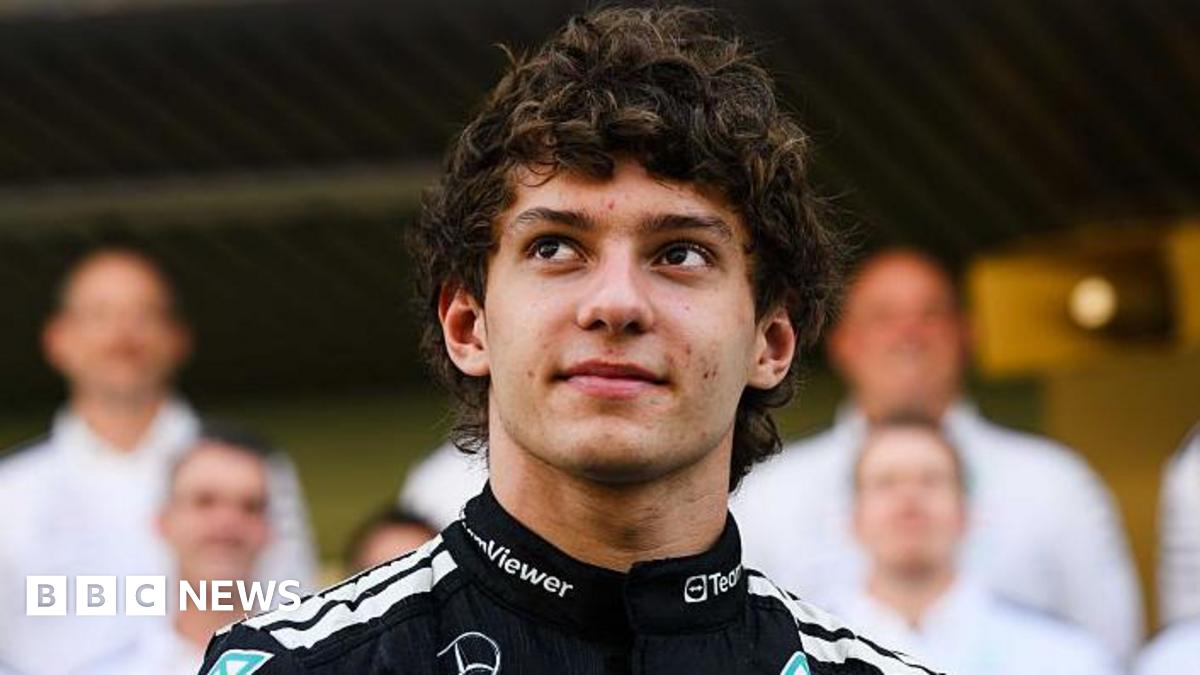
On a regular karting night in Milton Keynes, unsuspecting amateurs found themselves sharing the track with rising Formula 1 star Kimi Antonelli. He slipped in quietly, sat through the standard safety briefing, then hit the circuit like everyone else. By the end of the session, he had racked up two penalty points for pushing too hard, missed the podium on paper, yet still clocked the fastest lap of the night — a stealth masterclass in elite racecraft hidden in plain sight.
From Formula 1 Paddock to Local Kart Track: Why This Matters
Karting nights like this are usually about mates, bragging rights, and finding a tenth of a second on a tight indoor circuit. But when someone of Antonelli’s calibre turns up, the entire competitive landscape quietly shifts. The Italian prodigy, widely tipped as a future star in Formula 1, reminded everyone that even at grassroots level, the fundamentals of racing remain the same: commitment on the brakes, precision on the apex, and absolute focus on every lap.
According to circuit staff, there were no special conditions. Antonelli attended the usual briefing, followed the same rules, and raced in the same equipment as everyone else. The only difference? A level of pace and aggression that separated a professional racer from enthusiastic amateurs, even when nobody realised who they were up against.
“No-One Had a Clue”: Inside the Milton Keynes Session
Session organiser Mr Prince described Antonelli as just another driver in the pre-race build-up, blending into the group as staff ran through flags, safety rules, and circuit etiquette.
“He actually got two penalties for pushing too hard so didn’t finish on the podium, but no-one had a clue who he was,” Mr Prince said, reflecting on the surreal realisation that an F1-level talent had just stormed through an otherwise ordinary session.
The twist is pure motorsport irony: the quickest driver on track doesn’t officially stand on the podium because of driving standards penalties. It underlines how even elite racers must adapt their aggression to local rules and expectations.
- Standard briefing, no special treatment
- Mixed group with regular customers and casual racers
- Two penalties assessed for overly aggressive moves
- Fastest lap of the session despite the time losses
Lap Time Reality Check: How Fast Is a Pro in Rental Karts?
Exact figures from the session weren’t publicly released, but based on typical indoor kart performance and accounts from staff, we can build a realistic comparison between a professional driver like Antonelli and strong local amateurs.
On a tight indoor track, margins are tiny. A couple of tenths can separate the front row; half a second can cover an entire lobby of casual racers. A top-level single-seater driver, however, can often find up to a full second or more on the same machinery through braking technique, corner rotation, and consistency.
| Driver Type | Estimated Best Lap | Average Lap Consistency | Typical Gap |
|---|---|---|---|
| Kimi Antonelli (Pro) | ~ 29.5s | ± 0.15s | Baseline |
| Fast Amateur | ~ 30.2s | ± 0.40s | +0.7s |
| Regular Participant | ~ 31.5s | ± 0.80s | +2.0s |
| First-Time Racer | ~ 33.0s | ± 1.20s | +3.5s |
These numbers are estimations but reflect a consistent truth in motorsport: the stopwatch doesn’t care what you’re driving. Talent, technique, and repetition make the difference, whether it’s an F1 car or a rental kart.
Action on Track: Visualising the Pace
To put Antonelli’s undercover appearance in visual context, imagine the lines, braking points, and body language of a professional driver in a kart compared with a typical club racer.
Fastest Lap, No Podium: The Penalty Twist
The standout detail from the night is that Antonelli’s raw pace didn’t translate into a trophy. Two penalties, reportedly for pushing too hard, dropped him out of podium contention despite his quickest lap.
That contrast captures a fascinating tension in motorsport:
- Entertainment vs. Etiquette — Aggressive passes look spectacular, but rental kart environments prioritise safety and fairness.
- Elite Instincts — Drivers wired for competition often push to the limit by reflex, even in casual settings.
- Rule Adaptation — Whether it’s F1 stewarding or local flags, understanding how hard you can race within a given rulebook is a skill of its own.
In time, this story might become one of those “you won’t believe who I raced against” tales for everyone who shared the circuit that day — only truly appreciated once they find out who Antonelli is.
The Human Side: When Future F1 Stars Go Back to Their Roots
Beneath the stats and lap times, this is a human story about a young driver reconnecting with where it all began. Every F1 prospect has countless hours in rental and competition karts behind them. Returning to a local indoor track offers:
- Low-pressure fun away from the high-stakes F1 paddock
- Race sharpness through wheel-to-wheel combat in tight spaces
- Pure enjoyment of driving without engineers, briefings, and media commitments
For the other drivers, the experience is no less significant, even if they didn’t realise it in the moment. They now have a genuine benchmark: how it feels, sounds, and looks when a top-tier talent threads a kart through traffic.
What This Tells Us About Antonelli’s Racing DNA
Stories like this add another layer to the growing legend of Kimi Antonelli. The key takeaways from his Milton Keynes visit:
- Competitive Instinct: Even in a relaxed environment, he drove with enough intensity to pick up penalties.
- Raw Pace: Fastest lap of the session underlines the gulf in speed between an F1-level driver and regular racers on equal equipment.
- Grounded Approach: Willingness to join a public session, take the standard briefing, and blend into the group suggests a driver still very much connected to grassroots racing.
Objectively, one kart session doesn’t change Antonelli’s trajectory. But it does reinforce a consistent pattern: wherever he turns up, whatever he’s driving, the stopwatch almost always ends up on his side.
Looking Ahead: From Milton Keynes to Motorsport’s Biggest Stages
As Antonelli continues his rise through the ranks, nights like this will become part of his early-career folklore: the time a group of unsuspecting drivers went wheel-to-wheel with a future Grand Prix star and didn’t even realise.
For fans and aspiring racers, the takeaway is clear: if you keep turning up to kart tracks, you’ll occasionally share the circuit with serious talent. The stopwatch won’t lie, and the experience will stay with you long after the chequered flag.
The next question is simple and enticing: the next time Antonelli drops into a local kart circuit, will anyone spot the subtle clues in his lines, racecraft, and commitment and realise they’re watching a future F1 winner in disguise?
For more on professional racing series, official calendars, and driver profiles, visit the official Formula 1 website and leading statistics sites such as Motorsport Stats.
