
Katy Perry and Justin Trudeau Go Instagram Official in Japan: Pop Politics on Tour
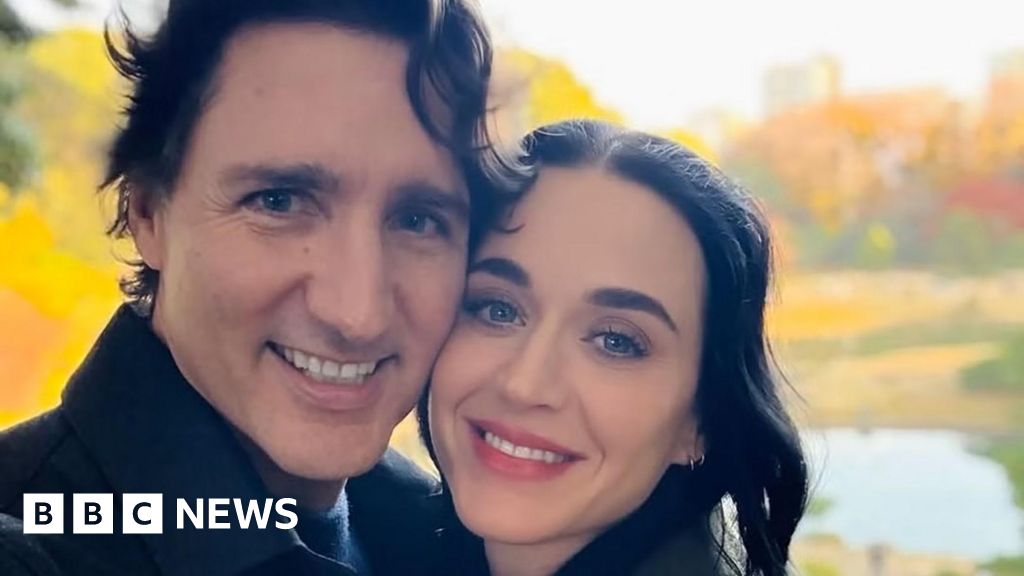
Katy Perry and former Canadian Prime Minister Justin Trudeau have sparked global chatter after the pop star shared a series of Instagram photos and videos from their trip to Japan, blending celebrity culture, politics, and tourism into one highly clickable moment.
Katy Perry, Justin Trudeau, and the Art of Going “Instagram Official” in Japan
When a global pop icon and a recently departed world leader turn up together in a string of glossy Instagram posts, the internet pays attention. Katy Perry’s latest photo dump from Japan, featuring Justin Trudeau, folds political celebrity into the visual language of travel influencers: neon cityscapes, casual selfies, and carefully curated candid shots.
The images, shared across Perry’s social media, show the pair sightseeing, posing with fans, and leaning into the aesthetic of modern Japan—part tourism promo, part soft-power moment, and part reminder that politics and pop culture now share the same algorithm.
Why This Post Matters: Pop Stars, Politicians, and Parasocial Politics
Katy Perry has long moved in political circles—she performed at rallies for US Democratic candidates and famously supported Hillary Clinton in 2016. Justin Trudeau, meanwhile, is one of the first Western leaders to fully inhabit the role of “digital-era prime minister,” treating social platforms as stages for carefully crafted authenticity.
Their Japan photo set sits at the crossroads of three trends:
- Celebrity diplomacy – entertainment figures often act as unofficial cultural ambassadors.
- Politicians as influencers – leaders increasingly curate their image like lifestyle brands.
- Travel as soft power – high-profile trips subtly promote destinations, values, and alliances.
The result is a piece of content that’s easy to double-tap but also loaded with subtext about how fame, governance, and branding now overlap.
Inside the Japan Photo Dump: Aesthetic, Narrative, and Branding
While each image in Perry’s post stands alone as a travel snapshot, together they follow a familiar Instagram storytelling arc: arrival, wonder, immersion, and reflection. It’s not journalism; it’s lifestyle content with political cameos.
The visuals lean into instantly recognizable Japanese iconography—city lights, signage, fashion moments—designed to be shared and reshared across platforms. Trudeau appears not as a statesman at a podium, but as a relaxed travel companion, the kind of approachable figure that plays well in the era of parasocial relationships.
For Perry, it reinforces an image she’s carefully maintained: hyper-visual, globally mobile, and always at ease in the spectacle of international pop culture.
“Social media lets us show the world not just what we do, but who we are—what we care about, what we experience, and the people we share it with.”
— A sentiment often echoed by both entertainers and politicians navigating digital fame

Celebrity and Politics: From Campaign Rallies to Instagram Stories
The Perry–Trudeau Japan posts don’t exist in a vacuum. They’re part of a longer story about how musicians and politicians collaborate in public view. Think of Beyoncé and Barack Obama’s mutual admiration, Taylor Swift and voter registration drives, or Korean idols intersecting with government messaging.
In this case, the power dynamic is less about explicit endorsement and more about proximity: two recognizable faces, side by side, subtly legitimizing each other’s relevance.
- For Perry, standing next to a former prime minister extends her political credibility without tying her to a specific partisan fight.
- For Trudeau, appearing alongside a global pop star keeps his public profile high in the post–prime minister chapter of his career.
- For Japan, the backdrop, however incidental, is priceless global promotion.

Strengths: Charm, Soft Power, and Sharable Storytelling
Judged purely as content, the Japan posts do exactly what they’re supposed to do: they’re visually appealing, easy to understand without context, and built for rapid sharing across entertainment news, Twitter threads, and celebrity blogs.
- High entertainment value – familiar faces in an eye-catching setting.
- Global reach – combining music fandom with political name recognition.
- Tourism boost – free advertising for Japan’s urban cool factor.
In an era where attention is currency, both Perry and Trudeau cash in, gently reminding the world they still matter—without a new single or a new election campaign on the horizon.
Weaknesses and Critiques: Optics, Privilege, and Image Management
Not everyone will find the posts charming. Some observers are likely to read the images as another example of high-profile figures living in a different reality—gliding through luxury travel while their home countries grapple with economic pressures, cultural debates, and political fatigue.
There’s also the question of how much “relatability” a carefully staged trip can really convey. In the age of cost-of-living crises and political polarization, a glossy vacation reel can feel out of step, even when it’s lighthearted and apolitical on the surface.
The same platforms that humanize public figures can also highlight the gap between their lives and those of their followers.
That tension—between access and distance, authenticity and curation—sits right at the center of this Perry–Trudeau moment.
What This Signals for Future Celebrity–Political Collabs
This Japan trip won’t go down as a major geopolitical event, but it is a tidy snapshot of where we are culturally in the mid‑2020s. Entertainment news, political coverage, and travel content increasingly occupy the same scroll.
Expect more of this:
- Former leaders leaning into “post-office” public personas via travel, podcasts, and curated collabs.
- Musicians and actors using political adjacency as a way to signal seriousness without turning into full-time activists.
- Destinations welcoming high-profile visitors as de facto tourism campaigns amplified by fans and followers.
For now, the Katy Perry–Justin Trudeau Japan photos live where much of contemporary culture does: in that ambiguous space between entertainment and messaging, between casual fun and calculated optics. The likes, comments, and dueling think pieces are part of the package.
Snapshot Review: The Katy Perry–Justin Trudeau Japan Moment
Katy Perry’s Instagram photo set with Justin Trudeau in Japan
As a piece of entertainment content, the Japan photos are slick, watchable, and deftly on‑brand for both figures. They successfully merge tourism, pop spectacle, and political afterglow, even if they risk feeling a little too polished for an era hungry for genuine vulnerability. Their real power lies less in any single image and more in what they collectively say about how fame and public life now operate on the same social stage.
Review by Editorial Staff
Rating: 3.5/5
