
Why Mixed Reality & Spatial Computing May Finally Be Ready for the Mainstream
Mixed reality (MR) and “spatial computing” are no longer fringe experiments confined to gaming conventions and research labs. From premium mixed reality devices like the Apple Vision Pro and Meta Quest Pro to more affordable VR headsets such as the Meta Quest 3 and Pico 4, the latest generation of hardware has reignited debate across The Verge, Engadget, TechRadar, Wired, and social platforms like YouTube, TikTok, and Twitch. Reviewers are asking a pivotal question: are we witnessing the birth of a new general‑purpose computing platform, or another hype cycle destined to fade?
In this in‑depth guide, we unpack the state of mixed reality and spatial computing as of late 2025: the hardware breakthroughs, software ecosystems, cultural shifts, and stubborn challenges that still stand between headsets and true mainstream adoption.
Mission Overview: What Is Spatial Computing Trying to Achieve?
At its core, spatial computing aims to treat the 3D world around you as the primary “screen.” Instead of being trapped inside flat displays, digital content is anchored to physical space—your room, your desk, your city—using sensors, cameras, and advanced computer vision.
Mixed reality sits between virtual reality (fully immersive, opaque displays) and augmented reality (transparent glasses that overlay digital objects on the real world). Modern MR headsets typically rely on:
- High‑quality passthrough video to recreate the real world in real time.
- Inside‑out tracking using cameras and inertial sensors to locate your head and hands without external beacons.
- Spatial mapping to understand walls, desks, and objects so virtual elements can interact realistically.
“Spatial computing is less about escaping reality and more about making the real world programmable.”
The mission is ambitious: turn headsets into devices that can eventually complement—or in some visions, replace—laptops, tablets, and even TVs.
Technology: Hardware Maturation and Key Innovations
The latest wave of coverage across TechRadar, Engadget, and Wired emphasizes a crucial shift: mixed reality hardware is finally good enough that its limitations are no longer immediately disqualifying. While perfection is distant, several technical pillars have improved markedly.
Display Resolution, Field of View, and Optics
Higher‑density OLED and mini‑LED panels, combined with advanced lenses, are dramatically reducing the “screen‑door effect” and eye strain:
- Higher resolution per eye enables readable text and detailed interfaces for productivity.
- Improved optics reduce chromatic aberration and god rays, though edge distortion remains a topic in detailed reviews.
- Expanded field of view (FOV) allows a more natural sense of peripheral vision, an important factor for immersion and comfort.
Passthrough and Mixed Reality Cameras
MR depends on high‑fidelity passthrough: cameras that capture the real world and display it on the headset’s screens. Early headsets had grainy, low‑resolution, monochrome passthrough. 2024–2025 devices offer:
- Color, high‑resolution passthrough suitable for reading and detailed tasks.
- Low‑latency pipelines that minimize motion sickness when you move your head.
- Depth sensing that lets virtual objects occlude correctly behind real ones.
Hacker News threads frequently dissect how milliseconds of latency and reprojection algorithms affect realism and comfort, especially for mixed reality gaming and productivity.
Hand, Eye, and Body Tracking
Controller‑free hand tracking is central to the “spatial computing” branding:
- Hand tracking uses cameras and machine‑learning models to infer skeletons and gestures.
- Eye tracking, present on higher‑end models, enables foveated rendering: the headset renders your focal point in high resolution while downscaling the periphery to save processing power.
- Body tracking is evolving through additional cameras and optional external sensors, improving full‑body avatars in social VR experiences.
These systems are imperfect but steadily improving with firmware updates and new software development kits (SDKs).
Comfort, Weight, and Ergonomics
Comfort is often the deciding factor for mainstream users. Reviewers at The Verge and TechRadar routinely score:
- Weight distribution (front‑heavy designs vs. balanced straps and battery packs).
- Face interface materials to reduce pressure points and skin irritation.
- Heat and fan noise during long sessions of gaming or productivity.
While modern headsets are lighter than early VR devices, they are still bulkier than conventional glasses—one of the main barriers to all‑day use.
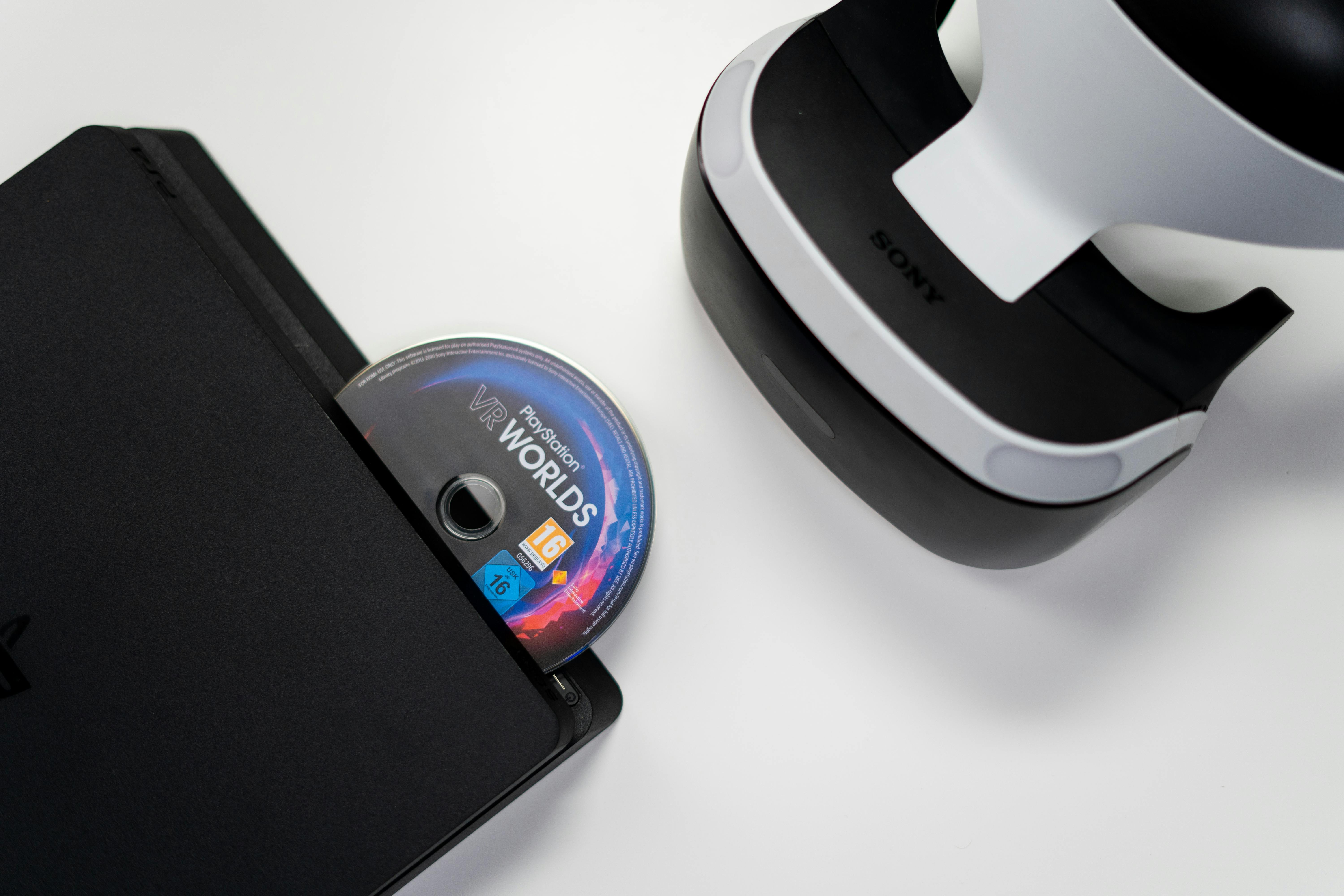
Visualizing the New Generation of Mixed Reality Headsets

From Gaming to Work: The Productivity and Spatial Computing Pitch
The narrative surrounding mixed reality has shifted decisively beyond games. Major vendors now market headsets as flexible workstations and creative studios, emphasizing:
- Virtual multi‑monitor setups for coding, writing, or financial analysis.
- Immersive collaboration spaces with shared whiteboards, 3D models, and avatars.
- 3D design, engineering, and data visualization for CAD, BIM, and scientific workflows.
- Creative production tools for video, music, and generative art.
Publications like The Verge and Wired frequently ask whether these use cases genuinely beat a well‑calibrated monitor and laptop. In many cases, headsets still feel like “concept cars”: impressive demos that are not yet superior for eight‑hour workdays.
“Headsets are most compelling when they do something that flat screens simply cannot—like letting you walk through your data, or sketch life‑sized prototypes in your living room.”
Typical Productivity Scenarios
Early adopters and reviewers report that MR productivity shines in certain niches:
- Travel‑friendly workstations: carrying a lightweight keyboard and a headset instead of multiple monitors.
- Focus modes: blocking distractions by dimming the real world and pinning a few virtual windows around you.
- Immersive analysis: reviewing 3D medical imagery, architecture, or complex data visualizations.
But questions remain about battery life, comfort, and whether MR workflows integrate cleanly with established desktop and cloud software.
Ecosystem and App Support: Can Software Keep Up?
A headset is only as compelling as its software. TechCrunch and developer‑focused outlets highlight three intertwined ecosystem factors.
Developer Tools and SDKs
Developers rely on engines and frameworks such as:
- Unity and Unreal Engine for high‑fidelity 3D experiences.
- WebXR and emerging web‑based XR frameworks for lightweight, browser‑delivered experiences.
- Platform‑specific SDKs (Meta, Apple, Sony, HTC, Pico) that expose hand tracking, passthrough, and spatial anchors.
Indie developers on Hacker News often debate trade‑offs between platform exclusivity (better optimization, tighter integration) and cross‑platform portability (larger reachable audience).
App Stores, Monetization, and Sustainability
For MR to go mainstream, developers must see sustainable revenue:
- Revenue sharing models and app store policies heavily influence where studios invest.
- Subscription models and enterprise licensing are becoming more common for productivity apps.
- Discoverability challenges make it hard for new experiences to surface without strong editorial curation or social virality.
A handful of breakout hits—fitness apps, rhythm games, and social platforms—have proven the potential for strong unit economics, but the “middle class” of MR developers is still forming.
Cross‑Device and Cross‑Reality Interoperability
To reach broad audiences, mixed reality content must gracefully degrade across:
- Fully immersive VR headsets.
- Mixed reality devices with high‑quality passthrough.
- Flat screens (PC, mobile, and consoles) for users who do not own headsets.
Techniques such as adaptive scene composition, scalable input systems, and cloud‑rendered streaming via services like NVIDIA CloudXR are active research and engineering areas.
Social and Cultural Adoption: Will People Actually Wear These?
While tech specs attract enthusiasts, mainstream adoption is shaped by culture—and the culture conversation is lively. TikTok and YouTube Shorts are full of clips showing people:
- Doing MR fitness routines and rhythm‑based exercise games.
- Painting in 3D, building AR sculptures, and staging mixed‑reality skits.
- Streaming their viewpoint for audiences on Twitch and other platforms.
These short videos help normalize headsets, but skepticism persists. Wired and The Next Web frequently publish think‑pieces exploring:
- Social acceptability of wearing bulky devices in public or with friends.
- Motion sickness and fatigue from prolonged use.
- Concerns about social isolation and over‑immersion in virtual spaces.
“The future of AR and VR isn’t about retreating into headsets; it’s about designing technologies that enhance co‑presence and shared experiences.”
Social MR apps are responding with features like shared living‑room spaces, spatial audio, co‑present avatars, and easy casting of headset views to TVs and phones so bystanders feel included.
Competition with Laptops, Tablets, and TVs
A central mainstream question is whether headsets will:
- Complement existing devices as occasional tools for specific tasks.
- Partially replace them for certain workflows (e.g., portable multi‑monitor setups).
- Eventually supersede some categories, such as dedicated TVs for people in small spaces.
Key Trade‑offs
Analysts and reviewers highlight recurring trade‑offs:
- Price vs. Value: Premium MR headsets can cost as much as a high‑end laptop plus a 4K monitor, raising the bar for justification.
- Battery Life: 2–3 hours of heavy use compares poorly with a full workday on a laptop (especially plugged in).
- Ergonomics: Even with better straps and cushions, most people do not want to wear a headset all day, every day.
In many current households, MR headsets are “secondary devices” used for entertainment, experimentation, and occasional work, rather than primary productivity machines.
Challenges: What Still Holds Mixed Reality Back?
Despite rapid progress, several hard problems keep MR from truly mainstream status.
Latency, Foveated Rendering, and Graphics Pipelines
Hacker News discussions often dissect the engineering details:
- Motion‑to‑photon latency must remain very low to prevent motion sickness.
- Foveated rendering depends on precise eye tracking; misalignment can cause visible blurring and discomfort.
- Local vs. cloud rendering raises trade‑offs: local GPUs reduce latency, but cloud renders allow higher‑fidelity graphics and thinner clients—if network conditions cooperate.
Form Factor and AR Glasses
Many technologists view lightweight AR glasses that resemble normal eyewear as the “holy grail.” To get there, the industry must solve:
- Power‑efficient displays (micro‑LED, waveguides) that work in bright daylight.
- Miniaturized compute and battery systems that do not overheat on your face.
- Subtle input methods (voice, micro‑gestures, eye interaction) that remain socially acceptable.
Until these challenges are solved, bulky headsets will likely remain confined to homes, offices, and specialized settings rather than constant outdoor use.
Privacy, Safety, and Ethics
Spatial computing devices continuously scan the environment, capturing:
- Room layouts, furniture, and personal items.
- Faces and bodies of people nearby.
- Potentially sensitive work documents and screens.
Regulators and privacy advocates are asking how this data is stored, processed, and shared. Responsible design requires:
- On‑device processing where feasible.
- Clear indicators when cameras and microphones are active.
- Granular user controls and transparent privacy policies.
Scientific Significance: Human–Computer Interaction at a Turning Point
Beyond consumer gadgets, mixed reality is a living laboratory for human–computer interaction (HCI), perception science, and cognitive ergonomics.
Understanding Presence and Embodiment
Researchers study how MR changes:
- Spatial memory when information is anchored in the environment instead of on flat lists.
- Embodiment when users inhabit avatars or manipulate virtual tools in 3D.
- Social cues when eye contact, gaze, and body language are transmitted via avatars.
These findings feed back into the design of more intuitive interfaces and collaboration tools.
Applications in Science, Medicine, and Engineering
Spatial computing is already impactful in specialized domains:
- Medical training: Simulating surgeries and anatomy in fully manipulable 3D.
- Engineering and architecture: Inspecting life‑sized models, catching design flaws earlier.
- Scientific visualization: Exploring complex molecular, astrophysical, or climate datasets spatially.
These serious applications often justify high‑end hardware first, paving the way for cost reductions and learnings that later benefit mainstream users.
Milestones: How We Got to the Current Wave
The current renewed enthusiasm for spatial computing stands on a decade of iteration. While specific brand names and product cycles evolve, a few broad milestones help structure the story:
- Early consumer VR — First‑generation headsets validated interest but exposed comfort and ecosystem gaps.
- Inside‑out tracking — Headsets liberated from external base stations lowered friction for consumers.
- Standalone devices — Onboard computing removed the need for gaming PCs or consoles, massively expanding reach.
- High‑fidelity MR passthrough — The rise of mixed reality experiences blurred boundaries between VR and AR.
- Spatial computing branding — Vendors reframed headsets as general‑purpose computers, not just gaming accessories.
Each milestone increased accessibility while highlighting the next set of technical and cultural hurdles.
Practical Considerations: Should You Buy a Mixed Reality Headset Now?
For individuals and teams weighing a purchase, several practical factors matter more than hype:
- Primary use case: gaming, fitness, creative work, remote collaboration, or specialized professional tasks.
- Budget: from relatively affordable consumer VR to premium mixed reality systems.
- Comfort and fit: pivotal if you plan multi‑hour sessions.
- Available apps: verify that the experiences you care about are strong on your chosen platform.
Reviews from outlets like The Verge’s VR/AR section and TechRadar’s VR coverage provide up‑to‑date hands‑on impressions and side‑by‑side comparisons.
For PC‑tethered setups, a comfortable headset stand and cable management solutions can help keep your workspace tidy. For example, an accessory like the AMVR VR Headset Display Stand can store your device safely between sessions and reduce clutter on your desk.
Mixed Reality in Everyday Life
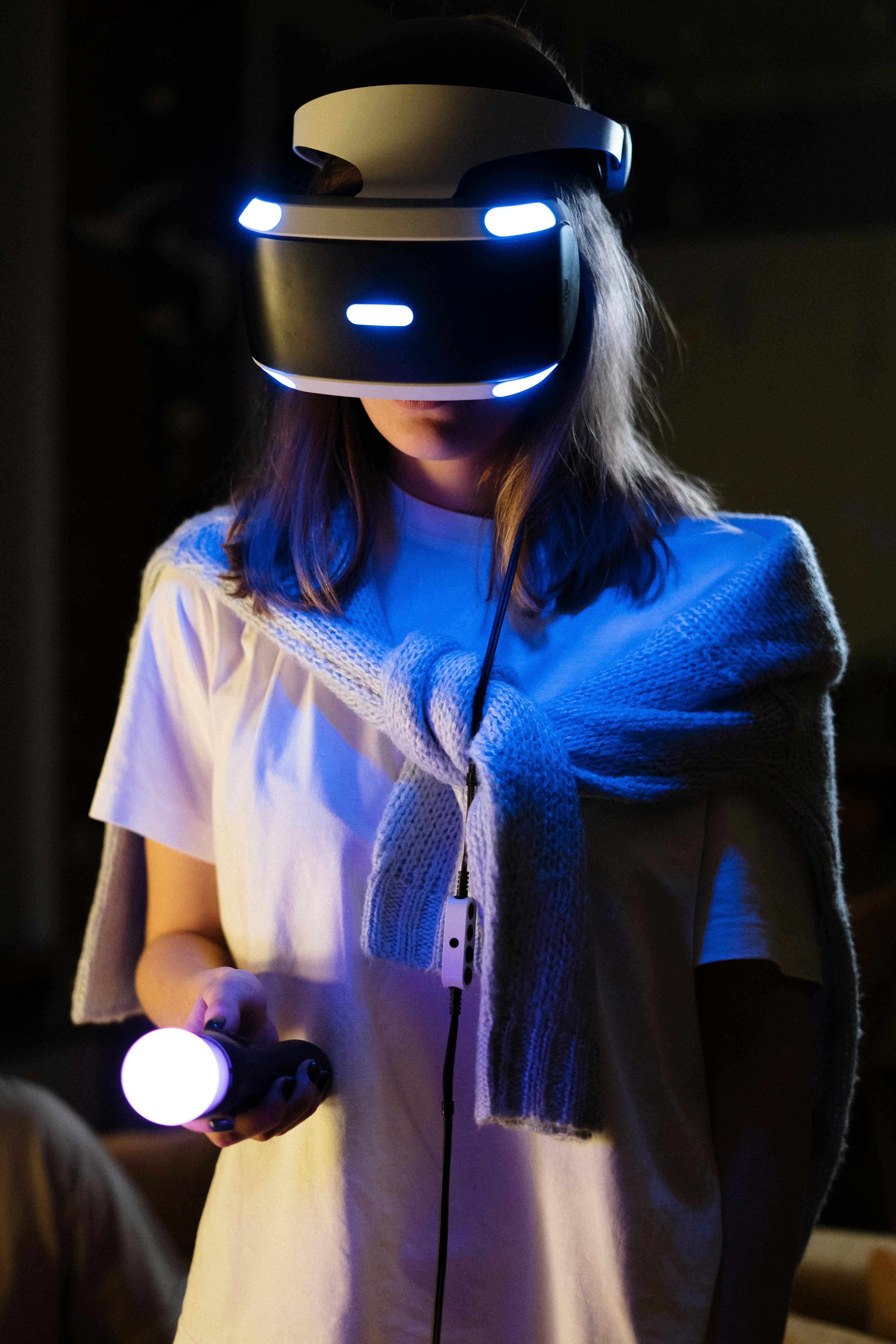
Shared MR experiences—games, watch parties, or virtual meetups—are key to moving headsets from solitary gadgets to socially accepted devices.
Conclusion: Can Headsets Truly Go Mainstream?
Mixed reality and spatial computing sit at the crossroads of maturing hardware, expanding software ecosystems, and evolving cultural expectations. Today’s devices are vastly more capable and comfortable than those of even a few years ago. For gaming, fitness, creative experimentation, and certain professional tasks, they are already indispensable to many early adopters.
Yet mainstream adoption—on the scale of smartphones or laptops—requires more:
- Lower prices and clearer value propositions for everyday users.
- Lighter, more socially acceptable form factors, edging closer to normal eyewear.
- Richer app ecosystems that showcase “must‑have” experiences unavailable on flat screens.
- Trustworthy approaches to privacy, accessibility, and safety.
Over the next several hardware generations, the line between “headset,” “glasses,” and “computer” will continue to blur. Whether MR becomes as ubiquitous as smartphones or settles into a powerful niche category will depend less on spec sheets and more on how well designers, developers, and researchers align the technology with human needs, habits, and values.
References / Sources
For deeper dives into mixed reality, spatial computing, and the broader AR/VR ecosystem, explore:
- The Verge – VR/AR Coverage: https://www.theverge.com/virtual-reality
- Engadget – Virtual Reality: https://www.engadget.com/tag/virtual-reality/
- TechRadar – VR Headsets: https://www.techradar.com/news/wearables/virtual-reality-vr-headsets
- TechCrunch – AR/VR News: https://techcrunch.com/tag/ar-vr/
- Wired – Augmented and Virtual Reality: https://www.wired.com/tag/virtual-reality/
- ACM Digital Library – Human–Computer Interaction and VR Research: https://dl.acm.org/topic/human-centered-computing/virtual-reality
- WebXR Device API (W3C): https://www.w3.org/TR/webxr/
- NVIDIA CloudXR Overview: https://developer.nvidia.com/nvidia-cloudxr-sdk
Additional Insights: How to Stay Ahead in the Spatial Computing Era
If you are a developer, designer, or technologist looking to stay ahead of the curve:
- Experiment with WebXR to reach users across headsets and browsers.
- Study HCI principles and accessibility guidelines to design comfortable, inclusive experiences.
- Participate in online communities—from specialized subreddits to Hacker News—to track real‑world pain points and emerging best practices.
- Watch conference talks on YouTube from events like IEEE VR and SIGGRAPH AR/VR for cutting‑edge research and demos.
For curious consumers, the safest strategy is to:
- Try headsets in person—at retail demos, friend’s homes, or events—before committing.
- Focus on concrete use cases you will actually use weekly, not just impressive tech demos.
- Budget not only for hardware but also for apps and accessories that enhance comfort and usability.
Mixed reality and spatial computing are still early, but the direction of travel is clear: computing is migrating off flat rectangles and into the space around us. Whether you are ready to wear that future on your face today or prefer to wait a few generations, understanding the landscape now will help you make smarter choices as the technology—and its social norms—continue to evolve.
