
Jimmy Kimmel’s ‘Alternative Christmas Message’: When Late-Night Comedy Talks Fascism on British TV
Jimmy Kimmel used the UK’s “Alternative Christmas Message” slot to deliver a comic warning about fascism and Donald Trump, blending late-night humor with political commentary for British viewers and sparking debate over how far satire can and should go during the holidays.
Jimmy Kimmel’s ‘Alternative Christmas Message’: When Holiday TV Turns into a Warning About Fascism
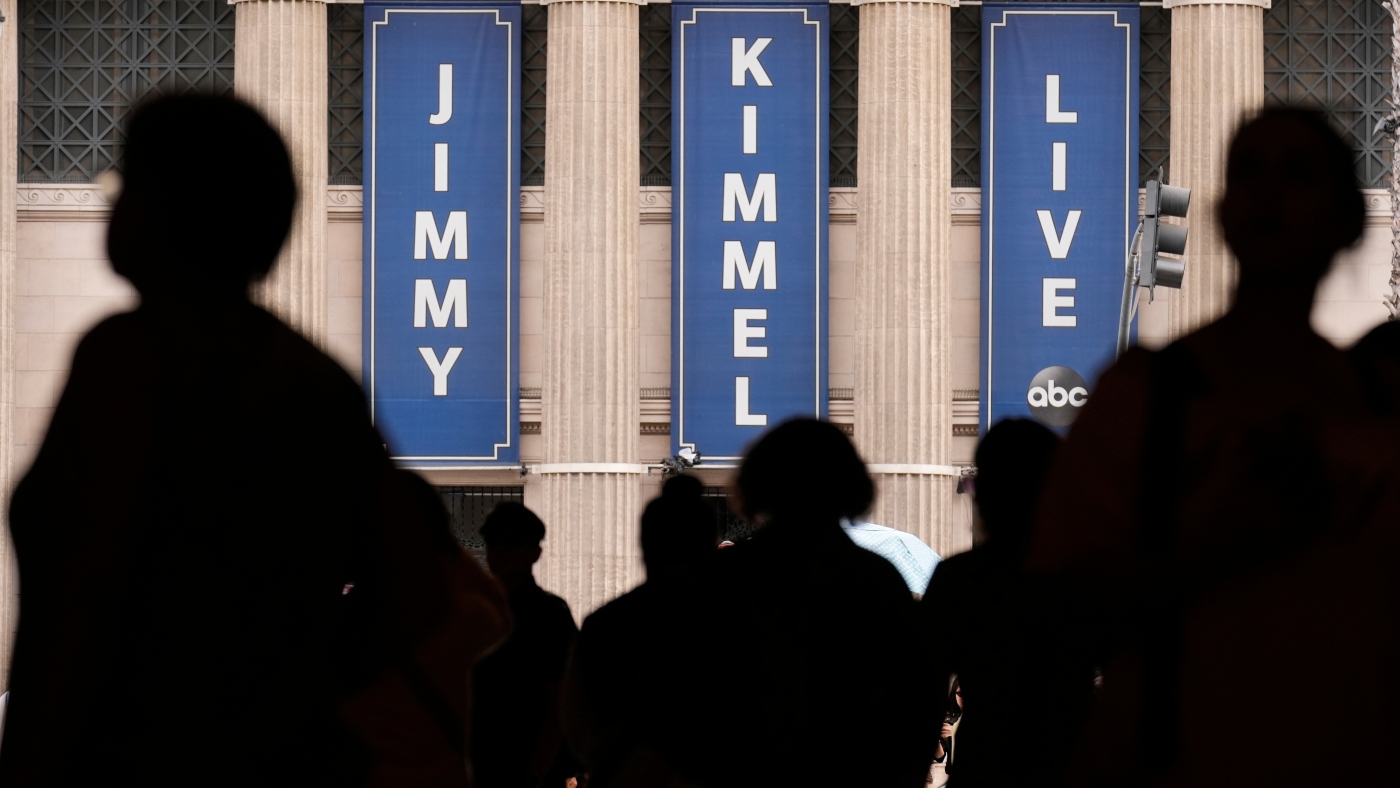
While King Charles III offered his traditional Christmas broadcast, many British viewers flipped channels to find something a little less royal and a lot more irreverent. Enter Jimmy Kimmel, beamed in from Los Angeles to deliver Channel 4’s Alternative Christmas Message—a long-running British TV tradition where comedians, activists, and cultural provocateurs get to answer the monarch with their own seasonal speech.
Kimmel used the opportunity to take aim at former U.S. President Donald Trump and what he described as a banner year for authoritarian politics in America, joking that “from a fascism perspective, this has been a really great year.” It was part stand-up monologue, part political PSA, and very much in line with the late-night host’s evolution from goofy prankster to one of Trump-era television’s most consistent critics.
What Is the “Alternative Christmas Message” Anyway?
For American audiences, the very idea of a formal Christmas speech from the monarch can feel like royal cosplay. In the UK, though, the King’s (formerly the Queen’s) Christmas broadcast is a ritual: a reflective, carefully apolitical message about faith, service, and national unity.
Channel 4’s Alternative Christmas Message, first aired in the early 1990s, exists specifically to subvert that tone. Past speakers have ranged from religious leaders to whistleblowers to fictional characters, making it one of British TV’s more quietly radical holiday traditions.
- Format: A short, pre-recorded speech, airing around the same time as the royal broadcast.
- Purpose: To offer a different perspective on the year—sometimes critical, sometimes satirical.
- Tone: Looser and riskier than the palace-approved version.

Against that backdrop, inviting Jimmy Kimmel—a late-night host whose feud with Trump has been a recurring bit—to deliver the 2024 message feels like a deliberate choice. You don’t book Kimmel and then act surprised when he talks about fascism.
“From a Fascism Perspective, This Has Been a Really Great Year”
Kimmel’s central joke was also the line that made international headlines. Speaking directly to British viewers, he framed the past year in America as a success story—if, that is, you were rooting for strongman politics.
“From a fascism perspective, this has been a really great year for us in the United States.”
The line works on two levels: as a deadpan bit of dark humor, and as a pointed criticism of the way Trump-era rhetoric and behavior continue to shape U.S. politics. By couching it in mock pride, Kimmel taps into a long tradition of satire where the comedian pretends to admire exactly what they’re condemning.
That style of “say the quiet part out loud” humor is also how late-night has tried to process the Trump years—Jon Stewart, John Oliver, and Stephen Colbert have all leaned on similar inversions. It’s less joke-as-punchline and more joke-as-warning label.

Jimmy Kimmel vs. Donald Trump: Late-Night as Political Theater
By the time he got to the Alternative Christmas Message, Kimmel’s rivalry with Trump was already well documented. Trump has repeatedly attacked Kimmel on social media and at rallies; Kimmel has responded with monologues that blend mockery, fact-checking, and a kind of weary disbelief.
In that context, the Channel 4 address played like an export version of Kimmel’s ABC show, but with a slightly different audience in mind. British viewers have their own complicated relationship with populist politics—think Brexit, culture wars, and the rotating cast of UK prime ministers—so Kimmel’s warning about fascism landed less as exotic American chaos and more as a cautionary tale.
Whether you see that as noble or exhausting probably depends on how you feel about politics in your escapist entertainment. But it’s undeniable that late-night television has shifted, becoming less about celeb couch chats and more about news-adjacent commentary.
Can You Joke About Fascism at Christmas?
That’s the uncomfortable question underlying the whole broadcast. Christmas TV is usually sentimental, even when it’s funny; Kimmel’s bit was openly anxious about where Western politics is heading.
Satire has always poked at authoritarianism—Charlie Chaplin’s The Great Dictator mocked fascist leaders while they were still in power; more recently, shows like Veep and The Thick of It have used extreme political incompetence for laughs. What’s changed is how immediate it all feels. Kimmel is joking about a figure who could again shape U.S. governance, not some historical villain.
Critics of this kind of humor often argue that joking about fascism can trivialize it. Supporters counter that satire is one of the oldest and safest ways to talk honestly about power, particularly when real-world stakes are high. Kimmel’s monologue tries to walk that tightrope by making the jokes absurd, but the message clear: complacency is dangerous.
In effect, Kimmel is saying: if this sounds ridiculous when I say it as a joke, maybe it should sound even worse when politicians flirt with it for real.
A Transatlantic In-Joke: British Tradition Meets American Late Night
There’s also a cultural comedy in the setup itself: a U.S. talk show host dropping into one of Britain’s most niche TV rituals. For UK viewers, Kimmel is both insider and outsider—someone steeped in American political chaos but speaking into a very British format usually reserved for arch, understated wit.
- British side: Deadpan, self-deprecating, skeptical of grand statements.
- American side: Louder, more emotive, more comfortable with direct moralizing.
Kimmel’s Alternative Christmas Message lives at that intersection. He borrows the formal trappings of a royal-style broadcast—direct address, solemn framing—then slams them up against late-night rhythms: punchlines, callbacks, and digs at Trump’s ego.

Does the Alternative Christmas Message Land? Strengths and Weaknesses
Evaluated purely as a piece of television, Kimmel’s Alternative Christmas Message is sharp, well-paced, and very on-brand. Whether it works for you depends on tolerance—for both politics and American-style earnestness—in what’s meant to be a holiday escape.
What works
- Clear point of view: Kimmel doesn’t hedge; the critique of Trump and fascistic tendencies is direct.
- Solid joke writing: The fascism line is memorable enough to double as a headline.
- Cultural crossover: Using an American host underscores how interconnected UK and US politics now feel.
Where it stumbles
- Preaching to the choir: Viewers who choose Channel 4’s Alternative Message are already predisposed to agree.
- Holiday fatigue: Not everyone wants to be reminded of creeping authoritarianism between the roast potatoes and Christmas pudding.
- Limited nuance: In a short slot, there’s little room beyond one big, provocative joke and a few sharp asides.
The Future of Holiday TV: More Comfort, or More Confrontation?
Kimmel’s fascism joke is a reminder that the seasonal TV landscape is changing. The old idea that holidays must be apolitical is colliding with a reality where politics is inescapable and platforms—from streaming services to talk shows—see themselves as part of that conversation.
Whether you found the Alternative Christmas Message cathartic or grating, it reflects a broader trend: audiences increasingly expect their entertainers to have (and voice) a stance. Kimmel, a host who once leaned heavily on celebrity pranks and light banter, has become one of the clearest examples of that shift.
The real test won’t be whether this particular message trends on social media for a day or two, but whether it nudges viewers—on both sides of the Atlantic—to stay alert to the real-world forces it’s joking about. If fascism is having, as Kimmel puts it, “a really great year,” then the least holiday television can do is refuse to pretend everything is fine.
For now, the Alternative Christmas Message remains one of the rare spaces where a comedian can look into the camera, crack a seasonal joke, and still talk seriously about democracy. It’s an odd, very 21st-century tradition—but also a revealing one.
