
Kabul’s Lost Silver Screen: What the Demolition of Ariana Cinema Really Means
Through coups, civil war, and foreign invasions, Kabul’s Ariana Cinema held its ground — a stubborn monument to the simple act of sitting in the dark and watching a story together. Now, as CNN reports, the historic movie theater has been torn down to make way for a shopping center, and with it goes a fragile but vital piece of Afghanistan’s urban and cultural memory.
The demolition of Ariana Cinema isn’t just another “old-building-makes-way-for-mall” headline. It’s a turning point in how Kabul remembers its past, negotiates its present, and imagines its future — especially under a government whose relationship with cinema, public gathering, and popular culture is fraught at best.

Below, we unpack Ariana’s rise, survival, and fall — and why its disappearance matters far beyond Kabul’s city limits.
From Golden Age Screens to War-Torn Survival: A Brief History of Ariana Cinema
Built in the mid-20th century, Ariana Cinema grew up alongside Kabul’s own modernization. For generations of Afghans, it was less a building and more a ritual: lining up for the latest Bollywood melodrama, catching grainy American action flicks, or ducking into the theater simply to feel part of a wider world.
- It hosted Bollywood blockbusters when Indian cinema was a cultural lifeline.
- It screened American and European films that filtered in even through political turbulence.
- It survived rocket fire, factional fighting, and shifting regimes that alternately tolerated or condemned cinema.
“Ariana wasn’t just a movie theater, it was Kabul’s window to everything happening beyond our borders.”
— Afghan film enthusiast, quoted in local coverage over the years
That Ariana persisted through the country’s darkest chapters became a point of pride for many Kabul residents. In a city repeatedly smashed and rebuilt, the theater was a rare piece of continuity — a reminder that Afghanistan has always had cultural tastes and cinematic desires that don’t fit into the headlines.
Why Ariana Cinema Was Demolished — And What Replaces It
According to CNN’s reporting, Ariana Cinema has now been completely torn down, its footprint earmarked for a shopping center in downtown Kabul. On paper, that might sound like a familiar global story: heritage building sacrificed for commercial development. But in Afghanistan’s current context, the symbolism cuts sharper.
Under the Taliban’s rule, cinema and many forms of entertainment have been heavily restricted or discouraged. Public leisure — especially mixed-gender social spaces — is eyed with suspicion. In that light, replacing a cinema with a shopping complex sends a clear signal about what kinds of public space are tolerated, and which ones are expendable.
- Economic logic: A shopping center promises rents, retail, and visible development.
- Ideological comfort: Commerce is easier to justify than a hall dedicated to fictional worlds and visual freedom.
- Control of gathering spaces: Malls can be more surveilled and regulated than dark, communal screening rooms.
The result is a city center that may look “modern” in a narrow, commercial sense, but feels eerily stripped of the kinds of spaces that once allowed Kabul residents to dream beyond their immediate circumstances.
Bollywood, Hollywood, and Kabul: A Cinema Culture Under Pressure
Ariana’s programming over the decades tells its own story. Bollywood films dominated partly because India’s film industry was geographically and culturally closer, but also because its blend of music, melodrama, and moral conflict resonated with Afghan audiences. Hollywood titles — often action-driven and dubbed or subtitled — added a different flavor of escapism.
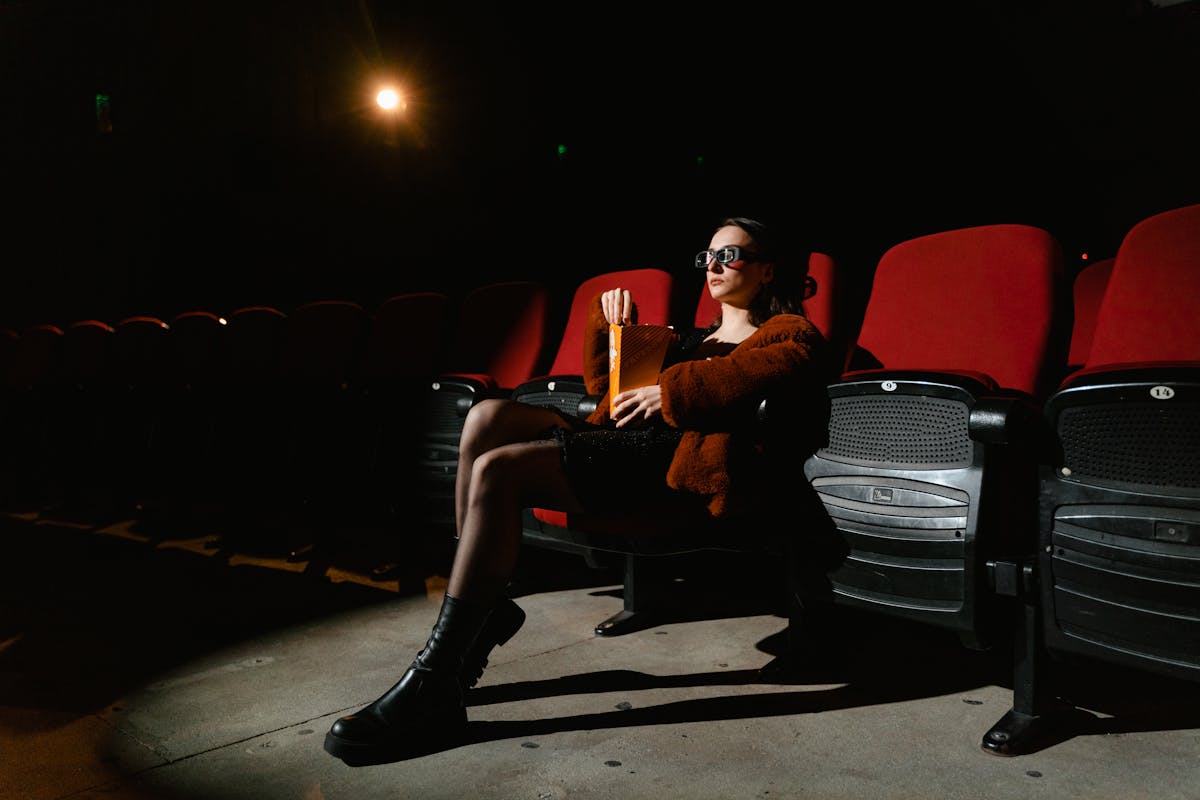
The theater helped nurture a cinephile culture that had to make do with limited infrastructure and recurring censorship. Afghan filmmakers and critics have often pointed out that even when local production was scarce, the habit of going to the movies kept alive a certain visual literacy — an understanding of framing, music, and narrative that fed into homegrown storytelling.
“Ariana’s screens raised more Afghan filmmakers than any film school ever did.”
— Comment from an Afghan director in a regional film festival Q&A
With the cinema now gone, that fragile feedback loop between watching and making films becomes even harder to sustain.
More Than a Building: What Ariana Meant as a Public Space
In any city, cinemas are unofficial barometers of public life. Who feels safe there? Who is allowed in? What’s on screen, and what’s banned? For Kabul, Ariana represented a rare, relatively accessible urban gathering point. Families, groups of friends, young couples, and solo film buffs all passed through its doors.
- Social mixing: It created a semi-neutral venue where different classes and neighborhoods shared the same flickering light.
- Urban identity: Ariana featured prominently in people’s mental map of the city: an easy reference point, a place to meet before or after the show.
- Cultural continuity: For older Kabul residents, it linked them to pre-war memories and to a more cosmopolitan version of Afghan life.

Losing Ariana means losing one of the last spaces where collective cultural experiences weren’t purely commercial, militarized, or tightly controlled by political ritual. A shopping center can offer distractions and necessities, but it’s rarely a substitute for the kind of storytelling commons a cinema can provide.
Development vs. Heritage: A Global Story With a Kabul-Specific Twist
On one level, Ariana Cinema’s fate mirrors what has happened from Cairo to Mumbai to New York: historic single-screen theaters bulldozed for multiplexes, office towers, or retail complexes. In that sense, Kabul is just another stop on the global tour of urban “modernization” that treats culture as a nice-to-have rather than an essential infrastructure.
The Kabul-specific twist is that Ariana’s loss lands in a city already stripped of many of its public and cultural institutions. When libraries, galleries, and cinemas shrink or close under political and economic pressure, each demolition carries extra weight.
Unlike cities where strong film institutions, archives, and festivals pick up the slack, Kabul has fewer buffers. When something like Ariana disappears, it’s not one cinema among many — it’s an entire chapter of the city’s cultural vocabulary going dark.
What Remains of Afghan Cinema After Ariana?
The physical building is gone, but Ariana still survives in memories, photographs, and the work of Afghan filmmakers it indirectly nurtured. The question now is what shape Afghan cinema and film culture can take without prominent public screens in places like Kabul.
- Digital platforms: Streaming and online screenings can keep Afghan stories circulating, though access inside the country is uneven.
- Festivals and diaspora: International festivals and Afghan filmmakers abroad increasingly carry the torch for national cinema.
- Unofficial screenings: Small, private showings — in homes, community spaces, or universities where possible — may become the new “cinemas.”
None of these, however, fully replace the symbolic power of a downtown marquee that everyone in the city recognizes. Ariana’s absence is a reminder that architecture and policy can either shelter culture or make it homeless.
Seeing and Remembering Ariana: Visual Traces and Documentation
For those outside Afghanistan, Ariana Cinema may now be known mostly through images — wire photos, news footage, and scattered archival shots that capture its façade, its tattered seats, its transformation over time. These visuals matter: they’re often all that remains when physical structures are erased.

For journalists, archivists, and film historians, documenting sites like Ariana is becoming urgent work. When political realities make physical preservation nearly impossible, careful visual and oral histories can at least preserve how these places felt — their sounds, their smells, the way the audience would collectively gasp, laugh, or fall silent as the projector rattled on.
After the Curtain Falls: Why Ariana’s Story Still Matters
Ariana Cinema’s demolition is not just a local planning decision; it’s a snapshot of how culture gets sidelined when politics tighten and economics narrow. In the trade of one of Kabul’s most storied cinemas for yet another shopping center, we see the shrinking space allowed for collective imagination in a city that desperately needs it.
The theater is gone, but the conversation around what replaces it — and what Afghans lose when spaces like Ariana vanish — is only beginning. Whether in Kabul, in the Afghan diaspora, or among global film communities, remembering Ariana is a way of insisting that cinemas are not luxuries. They are part of the emotional and imaginative infrastructure that makes a city feel like a place worth living in, not just surviving.
For readers following Afghanistan’s evolving cultural landscape, keeping an eye on reports from outlets like CNN, as well as film-focused organizations and Afghan creators on social media, will be crucial. Ariana’s curtain has fallen — but the story it represents is far from over.
Further Reading and Related Links
- CNN coverage of Ariana Cinema and Kabul cultural life: CNN Entertainment & World
- General film information and related titles: IMDb
- Background on Afghan film history: Cinema of Afghanistan – Wikipedia
