
Jam Master Jay Murder Case Shocker: What the Overturned Conviction Means for Hip-Hop and Justice
A federal judge has overturned one of the murder convictions connected to the 2002 killing of Run-DMC legend Jam Master Jay, reopening a decades-old case that helped define the uneasy intersection of hip-hop, fame, and violence while raising fresh questions about how the justice system handles high-profile crimes.
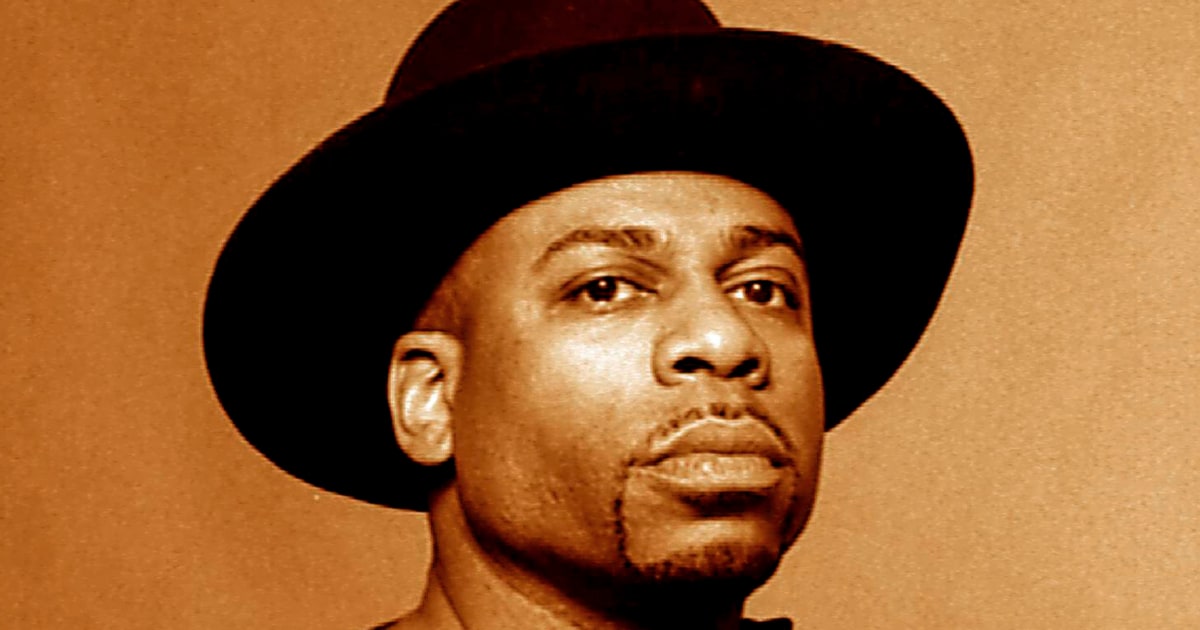
A Hip-Hop Cold Case Reopens — Again
More than twenty years after Jason “Jam Master Jay” Mizell was shot and killed in his Queens recording studio, his death is still not at rest — legally or culturally. The latest twist came when a federal judge overturned the conviction of Karl Jordan Jr., one of the two men previously found guilty in the DJ’s murder, citing issues serious enough to cast doubt on the jury’s verdict.
The ruling doesn’t just affect one man’s fate; it revives long-simmering debates about unreliable witnesses, federal conspiracy cases, and how American courts treat crimes that orbit the music industry — especially rap. For fans who grew up on “It’s Tricky,” “Walk This Way,” and “King of Rock,” the news is a jarring reminder that one of hip-hop’s most formative figures still doesn’t have a fully settled story.
Who Was Jam Master Jay, and Why This Case Matters
Long before the true-crime podcasts and documentary think pieces, Jam Master Jay was simply the DJ who helped change what rap could sound like. As one-third of Run-DMC, Mizell didn’t just spin records; he helped define the sonic blueprint for 1980s hip-hop and its leap into the mainstream.
Alongside Joseph “Run” Simmons and Darryl “DMC” McDaniels, Jay pushed rap beyond block parties and into MTV rotation. Their reworking of Aerosmith’s “Walk This Way” didn’t just revive Aerosmith — it rewired pop culture’s idea of what collaboration between Black hip-hop artists and white rock bands could look like.
“Run-DMC were the bridge — between the streets and the suburbs, between the boom box and the living room TV. Jam Master Jay was their steady hand on the fader.”
When Jay was killed in 2002, it struck a nerve that went deeper than tabloid tragedy. This wasn’t an artist on the come-up; this was someone already cemented in the canon, a kind of ambassador for a culture still fighting to be understood. The unsolved nature of the killing became part of hip-hop’s lore — a reminder that success and vulnerability often coexist in the same studio.
The Overturned Conviction: What the Judge’s Ruling Actually Means
According to reporting from NBC News, a federal judge moved to overturn the conviction of Karl Little D Jordan Jr., who had been found guilty in the killing along with Ronald Washington. While the exact language of the ruling will live in legal filings, the upshot is that the judge saw enough procedural or evidentiary problems to undermine confidence in the verdict.
In federal criminal cases, overturning a jury’s conviction is not a casual step. It typically signals concerns about:
- The reliability or consistency of key witness testimony.
- How evidence was presented or interpreted for the jury.
- Jury instructions or other procedural safeguards.
- Whether the government actually met its burden of proof beyond a reasonable doubt.
Practically speaking, an overturned conviction doesn’t automatically equal exoneration. Prosecutors may seek a new trial, appeal the judge’s decision, or re-evaluate the strength of the case. But symbolically, it lands like a thunderclap: a case long framed as “finally solved” is suddenly back in limbo.
“When a high-profile conviction gets tossed, it doesn’t just shake faith in one verdict — it forces us to re-examine the whole narrative we built around the case.”
For the Mizell family, this means yet another cycle of headlines, hearings, and hard questions. For the wider hip-hop community, it’s another reminder that closure in the legal sense often moves on a very different timeline than cultural memory.
Inside the Jam Master Jay Case: Witnesses, Street Rumors, and Federal Strategy
From the beginning, the Jam Master Jay investigation played out at the intersection of neighborhood silence and federal urgency. For years, people in Queens whispered theories, but very few were willing — or able — to testify in court. When federal prosecutors finally brought charges nearly two decades later, they leaned heavily on cooperating witnesses and long-simmering accounts of a drug-related dispute.
That strategy is familiar in organized crime and drug-conspiracy cases: build a narrative through insiders who may themselves be facing charges, and ask the jury to connect the dots. But that approach also creates vulnerabilities:
- Memory over time: Recollections from 15–20 years ago are easier for defense attorneys to attack.
- Witness credibility: Jurors are asked to trust people who may have their own criminal histories or plea deals.
- Cultural context: Juries who don’t understand hip-hop or street culture can misread behavior, language, and motives.
The overturned conviction suggests that, at least in Jordan’s case, the court agreed that something in that mosaic didn’t quite hold up under legal scrutiny. It doesn’t mean the underlying narrative is false, but it does mean the government’s method of proving it is now under a very bright spotlight.

Hip-Hop, Violence, and the Long Shadow of Unresolved Loss
The Jam Master Jay case sits alongside a painful lineage of violence in and around hip-hop — from the coastal wars of the 1990s to more recent losses like Nipsey Hussle and Takeoff. But Jay’s story is distinct because of who he was: not a battle rapper with public beefs, but a veteran DJ, mentor, and label head who helped launch acts like 50 Cent.
His killing reinforced an uncomfortable truth: success doesn’t always extract artists from the environments that shaped them. Studios, for all their mythology as safe creative spaces, can be as vulnerable as any other address in a neighborhood where grudges, economic desperation, and underground economies overlap.
“Our heroes aren’t supposed to die in the very rooms where they give us life through music — but hip-hop has never had the luxury of neat endings.”
That context matters when we talk about this overturned conviction. For some fans, any disruption of the legal outcome can feel like another failure to protect Black artists. For others, especially those wary of overreaching prosecutions, it’s a sign that due process is finally being taken seriously, even when the public already believes it knows the story.

Media, Mythmaking, and the Legacy of Jam Master Jay
The Jam Master Jay story has lived many lives in the media: as a tabloid mystery in the 2000s, a cold-case obsession for crime journalists, and now a courtroom saga with shifting leads and legal reversals. Each retelling reshapes his legacy in the public imagination — often emphasizing the crime more than the career.
For younger fans who discovered Run-DMC through playlists rather than vinyl, there’s a real risk that Jay becomes “the DJ who got killed” rather than the architect behind some of rap’s most durable records. That’s the paradox of true-crime storytelling: the more attention we pay to the case, the easier it is to flatten the person at its center.
Still, recent interest has also sparked a more balanced wave of retrospectives, documentaries, and longform pieces that recenter his artistry and community work — from mentoring younger artists in Queens to running his own label. The current legal twist will almost certainly trigger another round of coverage, and how that coverage is framed will matter.
The Justice System on Trial: Strengths, Weaknesses, and What Comes Next
When we talk about the Jam Master Jay case now, we’re really talking about two parallel reviews: one of the investigation and prosecution, and another of how hip-hop is treated as a cultural defendant in American courts.
On one hand, the eventual prosecution showed a real commitment to not letting a high-profile case die on the vine. Federal authorities leaned into witness protection, long-term investigation, and a complex conspiracy narrative to try to deliver closure for a family that had waited nearly a generation.
- Strengths: Persistence by investigators; willingness to revisit cold leads; recognition of Jam Master Jay’s importance beyond mere celebrity.
- Weaknesses: Heavy reliance on potentially fragile witness testimony; long delay between crime and prosecution; a narrative shaped as much by cultural assumptions as by hard evidence.
The overturned conviction doesn’t render the entire case illegitimate, but it does serve as a kind of harsh peer review of the process. If the criminal justice system wants credibility in high-profile music cases — especially in communities that already distrust it — getting the details right matters as much as getting a conviction.

Where the Jam Master Jay Story Goes From Here
The judge’s decision to overturn Karl Jordan Jr.’s conviction doesn’t close the book on Jam Master Jay; it rips out a chapter and forces the system to rewrite it. Prosecutors may regroup, appeal, or retry. Defense attorneys will point to the ruling as validation of longstanding doubts. Fans and family will be left, once again, between grief and uncertainty.
Culturally, though, Jay’s place is secure. No court can retroactively demote his influence on DJ culture, fashion, or the way rap learned to command arenas. The legal narrative may keep shifting, but the artistic one is locked: he helped build a bridge that today’s global hip-hop economy still walks across.
As new details emerge and appeals unfold, the challenge — for media, fans, and the justice system — will be to treat Jam Master Jay as more than a case file. The real measure of justice here isn’t just who gets sentenced or freed; it’s whether the process respects the complexity of a man whose life meant far more than the moment it was taken.
