
Iran’s 2026 World Cup Draw Drama in Washington: From Visa Standoff to Showpiece Stage
Iran’s national team will be present at the 2026 World Cup draw in Washington DC after a tense visa dispute that briefly threatened a boycott, turning a bureaucratic row into an early flashpoint for a tournament already rich with political and sporting storylines.
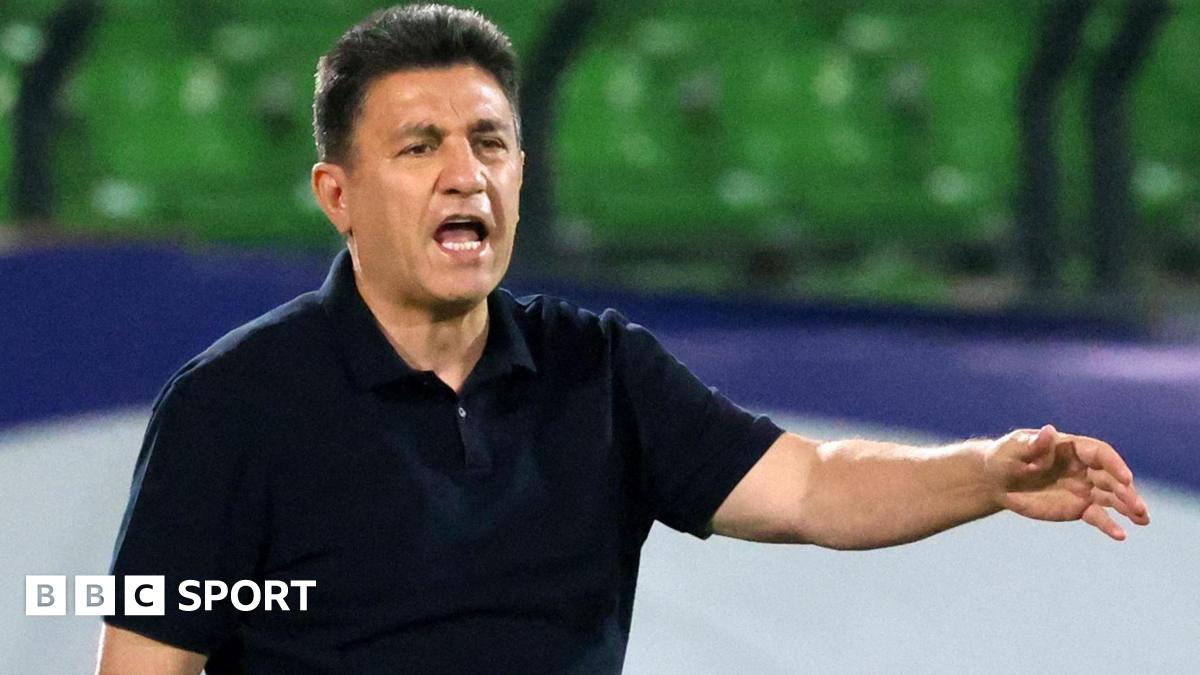
Visa row defused as Iran confirm attendance in Washington DC
What looked like a procedural step in the build-up to the 2026 FIFA World Cup briefly became a diplomatic flashpoint. After initially receiving visas for only four of nine requested delegates, Iran’s football federation threatened to skip Friday’s draw in Washington DC. With hours to spare, the standoff eased and officials confirmed a trimmed delegation would travel, ensuring Iran’s presence at the marquee event that will determine their group-stage path across the United States, Canada and Mexico.
How the Iran World Cup draw visa dispute unfolded
According to sources close to the federation, Iran applied for nine visas, covering senior football officials, technical staff and support personnel. Only four visas were granted, reportedly including key leadership figures such as federation president Mehdi Taj. That partial approval sparked public frustration in Tehran and talk of a boycott of the draw on US soil.
In the end, a compromise prevailed: a smaller group will attend, allowing Iran to be represented in the official ceremony without backing down fully from its initial protest. The episode underscores how geopolitical tension can seep into football administration, especially when a World Cup heads to a host nation with which some participants have strained diplomatic ties.
“We believe sporting events should remain open and accessible to all qualified teams and officials. The integrity of the World Cup draw depends on full participation.”
While that sentiment reflects the broader stance of many football administrators and analysts, the practical reality is that each World Cup cycle brings its own political, security and visa challenges. Iran’s situation in Washington is only the latest example.
Iran on the World Cup stage: history, pressure and expectations
Iran arrive at every World Cup qualification cycle carrying a double weight: footballing ambition and political symbolism. On the pitch, Team Melli have been Asia’s most consistent presence at the finals over the last three decades, routinely battling with Japan, South Korea, Australia and Saudi Arabia for AFC supremacy.
| World Cup | Host Nation | Stage Reached | Notable Result |
|---|---|---|---|
| 1998 | France | Group Stage | 2–1 win vs USA |
| 2006 | Germany | Group Stage | Draw vs Angola |
| 2014 | Brazil | Group Stage | Narrow 0–1 loss vs Argentina |
| 2018 | Russia | Group Stage | 1–0 win vs Morocco |
| 2022 | Qatar | Group Stage | 2–0 win vs Wales |
The raw numbers tell a clear story: Iran have yet to escape the group stage, but they’ve consistently pushed heavyweight opponents and delivered statement results. With the expanded 48-team format in 2026, the draw in Washington becomes even more pivotal: an accommodating group could finally open the door to a historic knockout-round berth.

Why the World Cup draw in Washington matters for Iran
The draw is more than a TV showpiece; it’s the tactical blueprint for the next two years. For Iran, who typically lean on a compact defensive block, disciplined pressing and quick transitions, the identity of their group opponents will significantly shape their preparation.
- Facing possession-heavy European or South American giants would test Iran’s defensive structure and counter-attacking efficiency.
- Meeting regional rivals or fellow Asian sides could produce tighter, more strategic contests decided by fine margins.
- A group featuring a co-host (United States, Canada or Mexico) would add layers of travel, atmosphere and, in some cases, political intrigue.
From a purely footballing standpoint, the expanded 2026 format—three-team or four-team groups depending on the final structure and progression rules—should marginally increase the odds of an emerging nation breaking through. That’s why actually being present at the draw, influencing logistics, and engaging with FIFA and host organizers is vital for Iran.
Politics on the touchline: multiple perspectives on the visa dispute
The Iranian visa row has reignited a familiar debate: can global events like the FIFA World Cup ever truly sit apart from international politics? Stakeholders around the game see it from very different angles.
- Sporting purity view: Many players, coaches and fans argue that football should be insulated from diplomatic disputes.
“If a team has earned its place, its officials and staff should not be caught in political crossfire,” said one former international defender now working as an analyst.
- Security and legal framework view: Host nations emphasize that visa decisions must respect domestic law, security assessments and administrative capacity.
- Symbolic resistance view: A section of Iranian supporters welcomed the threat of a boycott as a show of resolve, while others worried about isolating the team and missing out on critical tournament preparation.
Objectively, Iran’s decision to attend with a reduced delegation strikes a middle ground: the federation registers its dissatisfaction, but the squad’s practical interests are preserved. From a performance perspective, staying in the room where schedules, training facilities and travel logistics take shape is overwhelmingly the rational move.

Statistical snapshot: how close is Iran to a World Cup breakthrough?
The broader question surrounding Iran’s 2026 campaign is whether this generation can turn years of “nearly” moments into a first knockout appearance. Under various coaches, Iran have posted competitive underlying numbers at recent tournaments.
| Tournament | Games | Goals Scored | Goals Conceded | Points |
|---|---|---|---|---|
| 2014 | 3 | 1 | 4 | 1 |
| 2018 | 3 | 2 | 2 | 4 |
| 2022 | 3 | 4 | 7 | 3 |
These numbers highlight a team that competes but often falls just short. The path to changing that narrative in 2026 likely hinges on:
- A favorable draw that avoids multiple top-10 ranked opponents in the same group.
- Maintaining a defensive record closer to 2018 levels, while keeping the attacking edge shown in 2022 qualifying campaigns.
- Stability on the touchline, allowing tactical continuity between now and kickoff in North America.
Human side of the story: players caught between dreams and diplomacy
Lost amid the headlines about visas and boycotts are the people whose careers hinge on what happens in Washington: the players and coaches. For the core of Iran’s squad, 2026 may be the last realistic shot at a World Cup in their athletic prime. Every training camp, every friendly and every tactical tweak flows from the groups that will be unveiled at the draw.
For them, the priority is simple—clarity. Knowing the venues, travel distances and climatic conditions they will face across a sprawling host geography is crucial for conditioning plans and squad rotation. The difference between group games in humid southern US cities and cooler northern venues can materially affect preparation, recovery and style of play.
“Players shouldn’t have to worry about visas; we should be thinking about opponents, not paperwork,” remarked one former Team Melli midfielder in local media, capturing the sentiment inside many dressing rooms.
What Iran’s presence at the draw means for the 2026 World Cup narrative
With the immediate threat of a boycott lifted, the focus can shift back to football. Iran’s attendance in Washington ensures that one of Asia’s strongest sides is fully integrated into the build-up to a landmark tournament in North America. It also sets a pragmatic precedent: even amid political friction, stakeholders can often find a pathway that keeps the sporting show on track.
For neutral fans, Iran’s storyline at the 2026 World Cup will carry familiar ingredients—defensive resilience, passionate support, and a sense that they are perpetually one upset win away from cracking the global elite. The draw will either smooth or steepen that climb.
As FIFA and the host nations fine-tune logistics, the key questions now are sporting rather than diplomatic:
- Will Iran finally land in a group that realistically opens the door to the round of 32?
- Can they convert competitiveness into consistency across all group matches?
- And how will the team balance the weight of off-field narratives with the simple, urgent task of winning football games?
The answers will begin to take shape in Washington DC, where a draw that almost lost one of its protagonists may yet help script the most successful World Cup campaign in Iran’s history.
For official updates and full tournament details, visit the FIFA website and the dedicated World Cup 2026 hub.
