
Newcastle’s 2030 Vision: Can the Magpies Become a World Football Superpower?
Newcastle United’s 2030 Mission: From Contenders to Global Heavyweights
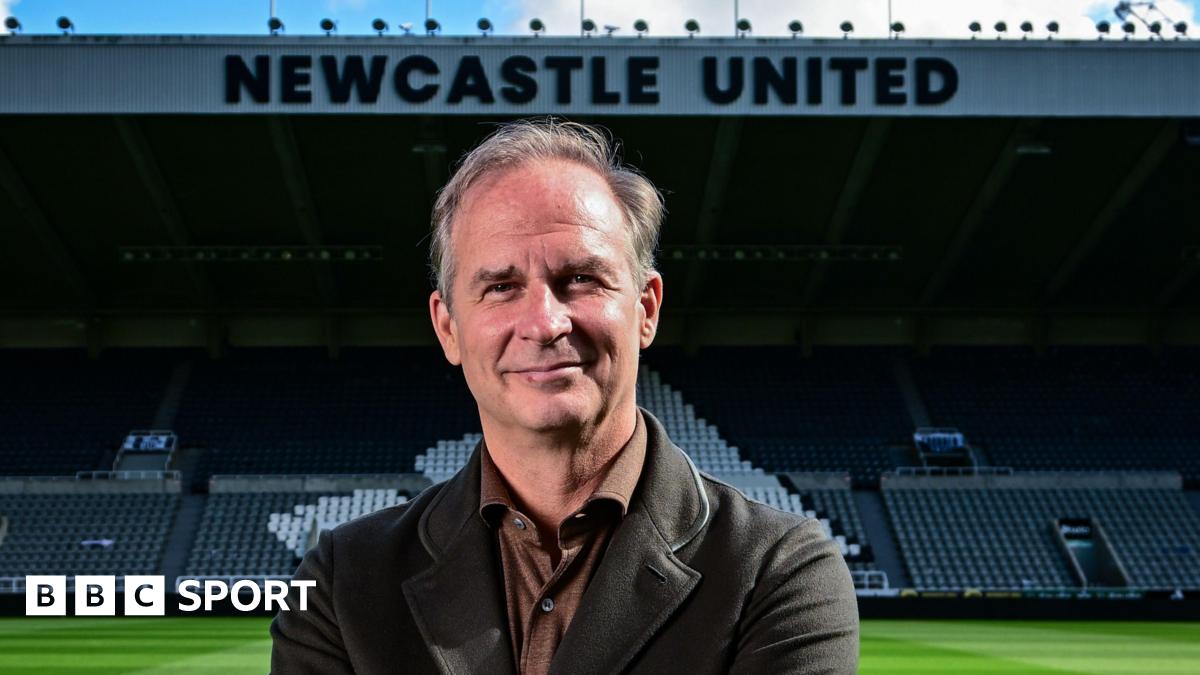
Newcastle United’s new CEO David Hopkinson has laid down a clear marker for the club’s future: by 2030, he wants the Magpies to be “in the debate” about being the top club in world football. It’s an ambitious, multi-year project built on smart recruitment, infrastructure investment and the stabilising influence of “special” head coach Eddie Howe—but even Hopkinson concedes the transformation will not happen overnight.
From Relegation Battles to Champions League Nights
Context matters when assessing Newcastle’s 2030 target. Less than a decade ago, the club was mired in relegation scraps and off-field uncertainty. Since the 2021 takeover by a consortium led by Saudi Arabia’s Public Investment Fund, with backing from PCP Capital Partners and the Reuben brothers, Newcastle have rapidly shifted trajectory.
Under Eddie Howe, Newcastle surged back into the UEFA Champions League, reached domestic cup finals, and transformed St James’ Park from a tense arena into one of Europe’s most vibrant matchday atmospheres. Hopkinson’s arrival as CEO signals the next phase: turning momentum into a sustainable, elite-level organisation.
- Ownership committed to long-term investment within financial regulations.
- Modernisation of commercial, digital and matchday operations.
- On-pitch identity built around intensity, pressing, and a fiercely united squad.

David Hopkinson’s Vision: “In the Debate” as the World’s Best
Hopkinson has overseen an in-depth review of the club since his arrival, assessing everything from commercial revenues to football operations. His headline ambition is clear: by 2030, Newcastle should be considered alongside the game’s giants—clubs like Real Madrid, Manchester City, Bayern Munich and Barcelona—when discussing the best in the world.
“We want Newcastle United, by 2030, to be firmly in the debate about being the top club in the world. That means excellence on the pitch, a powerful connection with our supporters, and an organisation that operates at the very highest level.”
Crucially, he has tempered that ambition with realism. Financial Fair Play rules, Premier League squad regulations and fierce competition at the top of European football mean the journey will be incremental, not instant.
- Consolidate top-four Premier League status.
- Become a regular in the Champions League knockout stages.
- Expand commercial and global fanbase reach.
- Develop a sustainable player pathway from academy to first team.
Eddie Howe: The “Special” Manager at the Core of the Project
Any plan to elevate Newcastle into the world’s elite hinges on the head coach, and Hopkinson has been unequivocal in his praise of Eddie Howe. Since taking charge in 2021, Howe has reshaped the squad, instilled an aggressive, front-foot style, and guided the team back into Europe ahead of schedule.
“Eddie is a special manager. His work on the training ground, his connection with the players, and the way he understands this club give us the foundation we need to dream big.”
Howe’s tactical flexibility—switching between a high-pressing 4-3-3 and a more controlled game plan in Europe—has allowed Newcastle to compete against more established heavyweights. Just as important is his rapport with the fanbase; for a city that lives and breathes football, that emotional connection is non-negotiable.
Key Performance Trends: Newcastle’s Rise by the Numbers
While exact 2024–25 season numbers continue to evolve, several recent campaigns underline how far Newcastle have come and what they need to bridge to reach global superclub status. Below is a snapshot comparing their recent domestic performance to the benchmark of an established Premier League powerhouse.
| Season / Metric | Newcastle United* | Typical Title Contender** |
|---|---|---|
| Average League Finish (last 3 seasons) | 5th–7th range | 1st–2nd |
| Average Points Total | ~65–70 | ~85–90 |
| Goals Scored (per league season) | ~70 | ~90–100 |
| Goals Conceded (per league season) | ~40–45 | ~30–35 |
| Champions League Participation (last 3 seasons) | 1 appearance | 3 appearances |
*Approximate ranges based on recent Premier League campaigns. **Representative of clubs like Manchester City or Liverpool in peak years. For detailed, up-to-date statistics see Newcastle’s official Premier League page or UEFA’s club profiles.

Infrastructure, Academy, and Commercial Power: The Other Half of the Equation
To be “top in the world” in modern football, a club needs more than 11 stars on the pitch. Hopkinson’s review has focused heavily on three pillars: facilities, youth development, and commercial reach.
- Training Ground & Sports Science: Upgrades to the training complex, recovery suites, and analytics departments are aimed at marginal gains that add up over a full season.
- Academy Pathway: Turning local North East talent into first-team regulars is both a financial necessity under FFP and a cultural cornerstone for the club.
- Global Commercial Strategy: Expanding partnerships, tours, and digital content to build Newcastle’s profile in emerging markets across Asia, the Americas, and Africa.
Clubs such as Manchester City and Paris Saint-Germain have shown that aligning commercial growth with sporting success can accelerate a rise to the top—provided recruitment remains disciplined and structurally sound.

Obstacles on the Road to 2030: Financial Rules, Competition, and Expectation
Ambition always meets resistance at the elite end of sport. For Newcastle, several structural and sporting challenges could slow progress toward Hopkinson’s 2030 goal.
- Financial Fair Play & Profitability Rules: The club cannot simply outspend rivals; revenues must grow to support sustained investment in the squad.
- Premier League Depth: Arsenal, Liverpool, Manchester City, Tottenham, Chelsea, and Manchester United all harbour similar top-tier ambitions.
- European Competition: Regularly outperforming giants like Real Madrid, Bayern Munich, and Inter Milan requires squad depth and tactical maturity.
- Fan Expectation: A passionate fanbase is a strength, but rising expectations can create pressure during inevitable dips in form.
Analysts are split. Some see Newcastle’s ownership structure and early progress as signs they can become England’s next sustained powerhouse. Others warn that regulations and competition may cap their trajectory at “consistent Champions League club” rather than undisputed world number one.

Human Stories: City, Club, and a Fanbase Reawakened
Beyond balance sheets and tactical boards, Newcastle’s resurgence is deeply personal for the city. Matchdays at St James’ Park are a weekly gathering of generations—grandparents who remember European nights of the past, parents who lived through relegations, and children who now dream of seeing their heroes lift Champions League trophies.
Players often speak about the emotional pull of the club. New signings talk of the roar when “Local Hero” echoes around the stadium and the sense of responsibility that comes with wearing the black and white stripes. That connection is one of Newcastle’s greatest advantages as they attempt to build a global brand without losing their identity.
“You feel the city on your shoulders when you play here—but in the best way possible. If we can match the supporters’ ambition, there’s no limit to what this club can do.”
Looking Ahead: Can the Magpies Hit the 2030 Target?
Newcastle United’s path to 2030 is clear in outline but challenging in execution. David Hopkinson’s statement of intent, backed by ambitious owners and a “special” manager in Eddie Howe, gives the club a coherent vision: sustained Premier League title challenges, regular Champions League deep runs, and world-class operations off the pitch.
Whether that translates into being the top club in the world—or simply one of a select group consistently in the conversation—will depend on how effectively Newcastle navigate financial constraints, recruit smartly, and maintain their unique bond with supporters.
Over the next five years, watch for three leading indicators of progress:
- Regular top-four Premier League finishes and a genuine title push.
- At least one deep Champions League run (quarter-finals or beyond).
- Visible growth in academy graduates, commercial partnerships, and global fan engagement.
If those boxes are ticked, Newcastle United won’t just be dreaming of joining the game’s elite—they’ll be living it. The only remaining question is: by 2030, will the football world be talking about them as contenders, or as the standard everyone else is chasing?
For official updates and further information, visit the Newcastle United official website and the Premier League.
