
Intermittent Fasting 2.0: How Time‑Restricted Eating and Biohacking Are Reshaping Metabolic Health
Intermittent fasting has quietly grown up. What began as a rapid weight‑loss trend has morphed into a more thoughtful approach—“Intermittent Fasting 2.0”—that blends time‑restricted eating, metabolic health, circadian rhythm alignment, and a dash of biohacking. Instead of chasing extremes, more people are asking: How can meal timing, food quality, and data from wearables work together to support long‑term health?

What Is Time‑Restricted Eating (TRE)?
Time‑restricted eating (TRE) is a style of intermittent fasting where you eat all of your daily calories within a consistent daily window—say 8, 9, or 10 hours—and fast for the remaining hours. Common examples include:
- 16:8 fasting: 16 hours fast, 8‑hour eating window (e.g., 10 a.m.–6 p.m.).
- 14:10 fasting: 14 hours fast, 10‑hour eating window (e.g., 8 a.m.–6 p.m.).
- Early TRE: An early window such as 8 a.m.–4 p.m. that leans into circadian rhythm science.
Unlike older approaches such as alternate‑day fasting or the 5:2 diet, TRE is framed as a daily rhythm—more like brushing your teeth than doing an occasional boot camp. Many people find the simplicity of “I eat between these hours” reduces decision fatigue, without prescribing exactly what to eat.
From Weight Loss to Metabolic Health and Longevity
The current wave of interest in intermittent fasting leans heavily on metabolic health and longevity rather than quick fixes. Podcasts, long‑form interviews, and biohacker communities highlight research suggesting TRE may help:
- Improve insulin sensitivity and glucose control in some individuals.
- Support blood pressure and certain cardiovascular risk markers.
- Influence pathways related to cellular repair and aging, such as autophagy (still under study).
Human data remain mixed and modest; TRE is not a magic switch. However, for people who love to experiment, the “metabolic tune‑up” framing is compelling. Think of it as one tool in a broader lifestyle toolkit that also includes sleep, movement, and nutrient‑dense food.
Eating with Your Body Clock: Circadian Rhythm and Early TRE
One of the most exciting shifts in Intermittent Fasting 2.0 is the focus on circadian rhythm alignment. Our metabolism has its own clock: we generally handle food better earlier in the day, while late‑night eating tends to spike blood sugar and disrupt sleep for many people.
This has led to interest in early time‑restricted feeding (eTRF), where your eating window might look like:
- 7 a.m.–3 p.m. for early birds.
- 8 a.m.–4 p.m. as a practical compromise.
- 10 a.m.–6 p.m. for those with social dinners, still avoiding very late meals.
Some small studies suggest that moving calories earlier—front‑loading breakfast and lunch—may improve insulin sensitivity and blood sugar swings, even without changing total calories. Many people also report less evening snacking and better sleep when they close the kitchen a bit earlier.

Why Food Quality Still Matters in Intermittent Fasting
The new conversation around intermittent fasting is clear: timing can’t rescue a poor‑quality diet. Nutrition‑forward practitioners emphasize:
- Adequate protein to support muscle, hormones, and satiety.
- High‑fiber carbohydrates—vegetables, fruit, legumes, whole grains—for stable energy and gut health.
- Healthy fats from sources like olive oil, nuts, seeds, and fatty fish.
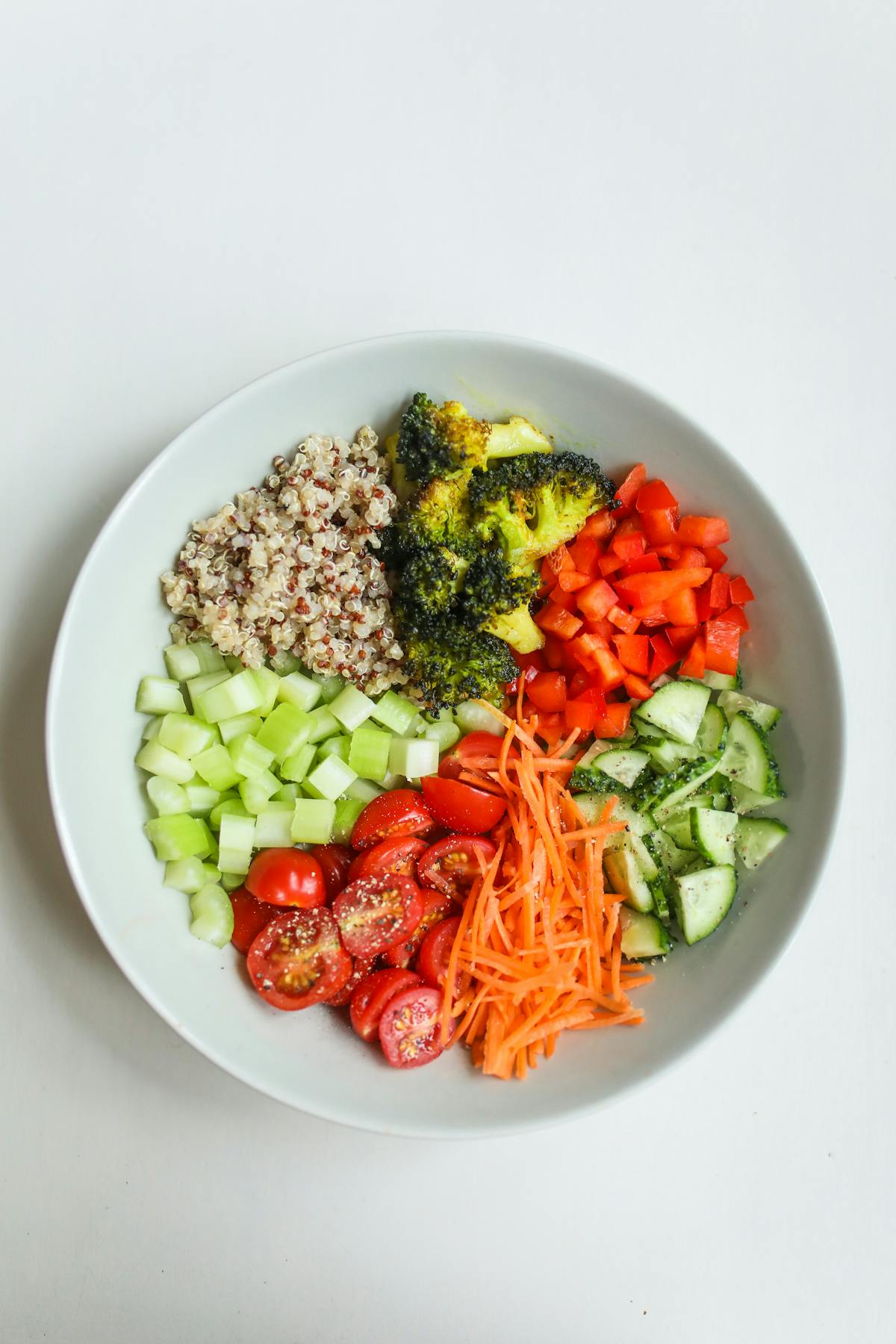
When your eating window is shorter, every meal has to pull its weight nutritionally. Think vibrant salads with beans and seeds, colorful grain bowls, slow‑cooked stews, and satisfying breakfasts built around eggs, Greek yogurt, tofu, or lentils rather than sugary pastries.

Biohacking Intermittent Fasting with Wearables and Data
In 2024–2025, intermittent fasting and biohacking are closely linked. Tech‑savvy eaters experiment with:
- Continuous glucose monitors (CGMs) to see how different meal times and foods affect blood sugar.
- Smartwatches and rings to track resting heart rate, heart rate variability (HRV), and sleep quality with earlier vs. later dinners.
- Food and mood journals that connect fasting patterns to focus, cravings, and energy throughout the day.
This data‑driven approach turns TRE into a personal experiment rather than a fixed rulebook. For instance, you might discover that:
- A 10‑hour window works better for your sleep than a strict 8‑hour one.
- Late‑night snacks noticeably worsen your recovery scores or morning glucose.
- Adding more protein at your first meal steadies your glucose curve all afternoon.
Personalizing Your Fasting Window for Real Life
Modern intermittent fasting is increasingly flexible and inclusive. Experts now emphasize that fasting must bend to your life context, not the other way around. A few examples:
- Shift workers: May use shorter, consistent windows that respect their sleep schedule, even if it’s not “traditional daytime.”
- People who menstruate: Some find they benefit from gentler fasting (or pausing fasting) during the late luteal phase when cravings and fatigue rise.
- Athletes and heavy exercisers: Often need wider eating windows or strategic pre‑ and post‑workout meals to support performance and recovery.
- Parents and social eaters: Might prioritize family dinners and use late‑morning starts instead of very early windows.
Dietitians and physicians also stress that aggressive fasting is not appropriate for everyone, especially if you have a history of disordered eating, are pregnant or breastfeeding, have certain medical conditions, or take medications affected by food intake. Medical guidance is strongly recommended in these cases.
“The best fasting window is the one that nourishes your body, protects your mental health, and fits your actual life—not an idealized version of it.”
Nuance, Limitations, and Criticism of Intermittent Fasting
As the research grows, so does the nuance. Some key points of criticism around intermittent fasting and TRE:
- Weight loss parity: When calories and protein are matched, TRE often performs similarly to traditional calorie‑restricted diets in clinical trials.
- Compensatory overeating: Some people arrive at their eating window ravenous and overeat, undoing any calorie reduction and feeling unwell.
- Sleep disruption: Skipping dinner or eating very early can backfire for some, leading to nighttime hunger and fragmented sleep.
- Social stress: Strict fasting schedules can strain social life, family meals, and cultural traditions centered around food.
Evidence‑based voices encourage a middle path: treat fasting as an optional framework, not a moral virtue. Sustainable patterns, adequate nutrition, mental wellbeing, and individual response matter more than rigid adherence.

Getting Started with Intermittent Fasting 2.0: A Gentle Guide
If you’re curious about time‑restricted eating, you don’t have to leap into a strict 16:8 schedule. A gradual, food‑first approach is kinder to your body and far more sustainable.
- Stabilize your meals: For 1–2 weeks, focus on three balanced meals at consistent times, rich in protein, fiber, and healthy fats.
- Set a simple evening boundary: Choose a “kitchen closed” time (for example, 8 p.m.) and avoid eating after that, while keeping breakfast unchanged.
- Stretch your overnight fast: Once evenings feel steady, gently delay breakfast by 30 minutes and see how you feel. Continue only if your energy and mood stay solid.
- Experiment with windows: Try 12:12, then 13:11, and, if it suits you, 14:10 or 16:8—always listening for signs of excessive fatigue, irritability, or preoccupation with food.
- Adjust with life: On heavy training days, travel, or holidays, widen your eating window or pause fasting entirely.
A Food‑Lover’s Perspective: Fasting Without Losing the Joy of Eating
For those of us who adore food—the aroma of coffee at sunrise, the sizzle of onions in olive oil, the simple pleasure of warm bread—intermittent fasting can feel intimidating. The good news? Intermittent Fasting 2.0 doesn’t require you to sacrifice the sensual joy of eating.
Many people report that a defined eating window actually sharpens appreciation for meals. When you sit down to a thoughtfully prepared plate—a fragrant lentil stew, crisp salad with toasted seeds, or a silky omelet with herbs—you’re fully there for it, not grazing distractedly all day long.

If you love to cook, TRE can become a creative framework: you might pour your energy into building two or three deeply satisfying meals, complete with vibrant vegetables, slow‑cooked grains, and a square of dark chocolate or a seasonal fruit dessert. The goal is never to punish yourself, but to align meal timing with how you want to feel—energized, clear‑headed, and fully present at the table.
The Bottom Line: Intermittent Fasting 2.0 as a Flexible Metabolic Tool
Intermittent fasting isn’t a fad that disappeared; it’s a concept that’s maturing. In its 2.0 form, it’s less about extreme fasting windows and more about:
- Aligning meal timing with your circadian rhythm.
- Prioritizing metabolic health and long‑term wellbeing over quick fixes.
- Honoring food quality, not just the clock.
- Using wearables and self‑reflection to personalize your schedule.
- Staying flexible and protecting mental and social health.
You don’t have to fast to be healthy—but if you’re drawn to the structure and simplicity of time‑restricted eating, you can approach it as a curious, well‑nourished experiment. Listen closely to your body, keep the joy of eating front and center, and let the science guide you without turning into strict dogma.
Above all, remember: the most powerful “biohack” is still a pattern you can live with—one that supports your energy, your relationships, and your genuine love of good food.
