Plant-Forward Power: Climatarian Eating and Sustainable Superfoods You’ll Actually Crave
Plant‑Forward, Climatarian Eating & Sustainable Superfoods (Plus a Cozy Lentil Grain Bowl Recipe)
Plant‑forward and “climatarian” eating are having a delicious moment. Instead of strict rules or labels, more home cooks are filling their plates with colorful vegetables, hearty legumes, whole grains, and even ocean‑grown superfoods like seaweed—while gently dialing down red and processed meat. The result is a way of eating that feels abundant and satisfying, and also happens to be kinder to the planet.
Below, we’ll unpack what climatarian eating really means, highlight today’s most talked‑about sustainable superfoods, and then bring it all to your table with a comforting, high‑protein Plant‑Forward Lentil & Ancient Grain Power Bowl recipe that’s easy enough for a busy weeknight.
What Is Plant‑Forward & Climatarian Eating?
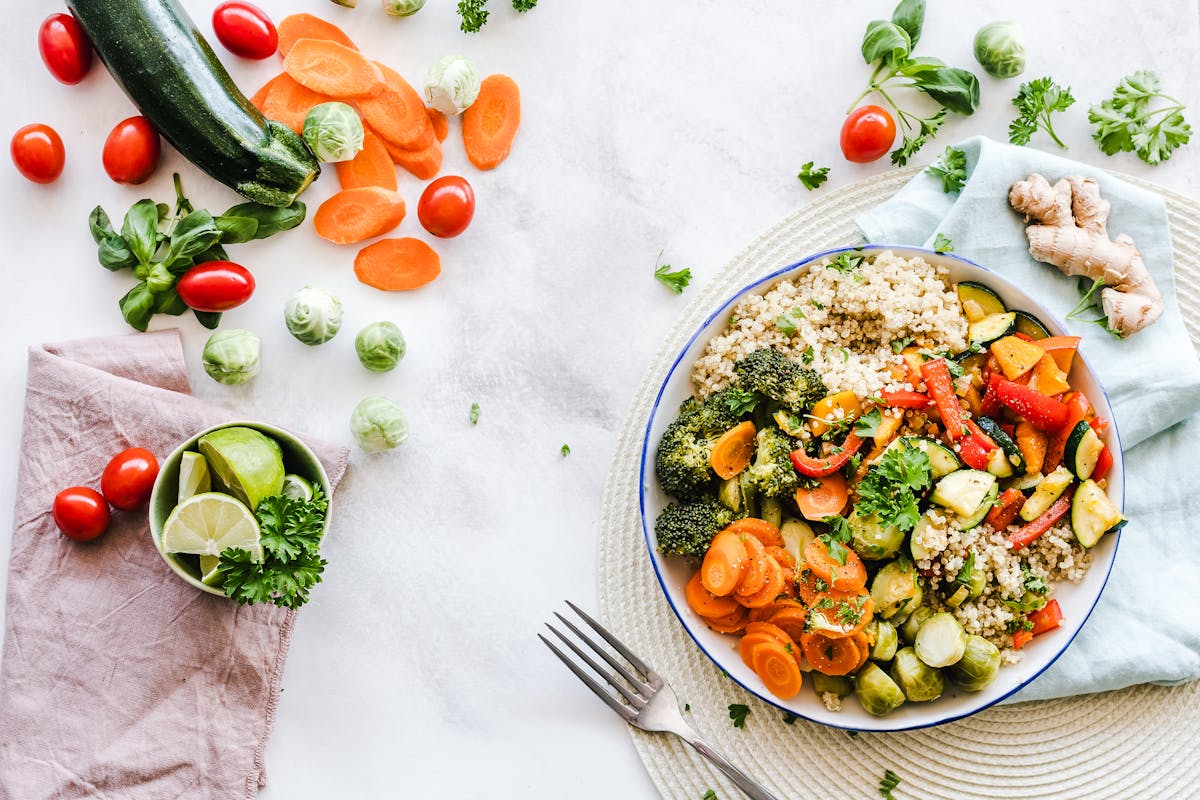
A plant‑forward diet simply means that plants—vegetables, fruits, whole grains, beans, lentils, nuts, seeds, and sea vegetables—take center stage on your plate. You can still include animal products if you like; they’re just used more thoughtfully and often in smaller portions.
Climatarian eating adds another layer: it asks, How does this food affect the climate?
People who identify with a climatarian approach tend to:
- Limit high‑impact meats like beef and lamb.
- Lean on plant proteins, and when using animal foods, choose more poultry, eggs, or sustainably sourced fish.
- Favor seasonal, local produce when possible to cut transport emissions.
- Get creative with leftovers and “root‑to‑stem” cooking to reduce food waste.
Many people come to plant‑forward eating for health—better energy, digestion, or weight management—and stay for the sense of alignment with their values around climate and biodiversity.

Everyday Plant‑Forward Swaps You Can Make Tonight
You don’t have to overhaul your entire diet to eat more sustainably. A few small, tasty swaps—shared endlessly on social media feeds—can add up quickly:
- Lentil or bean tacos instead of beef: Simmer brown lentils with taco spices and a splash of tomato for a juicy, “meaty” filling.
- Tofu or tempeh stir‑fries: Crisped cubes tossed with garlic, ginger, and seasonal veggies soak up sauces beautifully.
- Chickpea‑based curries: Creamy coconut, tomatoes, and warm spices turn humble chickpeas into a rich, fragrant dinner.
- Grain bowls: Layer whole grains, beans, roasted vegetables, greens, and a flavorful sauce—exactly what we’ll cook below.
Sustainable Superfoods: Legumes, Whole Grains & Seaweed
Behind the climatarian trend is a family of nutrient‑dense, lower‑impact staples that are already pantry favorites in cultures around the world.
1. Legumes: Lentils, Chickpeas & Beans
Lentils, chickpeas, and black beans are rich in protein, fiber, and minerals—and they help enrich the soil where they’re grown. In many traditional cuisines, they’ve long been the heart of everyday meals.
- High in plant protein and iron.
- Excellent for gut health thanks to their fiber and resistant starch.
- Budget‑friendly and shelf‑stable, perfect for stocking a climatarian pantry.
2. Whole Grains: Oats, Barley, Quinoa & More
Whole grains bring satisfying chew, gentle sweetness, and a nutty aroma when toasted. Oats, barley, quinoa, farro, and brown rice all provide slow‑release energy, B vitamins, and additional protein.
3. Seaweed: The Ocean’s Superfood
Seaweed is having a major moment. Nori, wakame, dulse, and kelp are naturally rich in minerals and iodine. They can be farmed offshore with minimal land and freshwater, making them especially interesting from a sustainability standpoint.
In our recipe, a sprinkle of toasted seaweed flakes adds a whisper of the sea—savory, a little smoky, and incredibly moreish.
Getting Enough Protein on a Plant‑Forward Diet
Protein is one of the top concerns people voice when cutting back on meat. In practice, a mix of legumes, soy foods, whole grains, nuts, and seeds can easily cover daily needs for most people, especially when total calorie intake is adequate.
Trending high‑protein options include:
- Tofu scrambles loaded with vegetables and spices.
- Seitan stir‑fries for a meaty texture (for those who tolerate gluten).
- Lentil pasta and chickpea pasta for an easy boost in bowls.
- Grain‑and‑bean bowls like the recipe below, which combine multiple protein sources.
Climatarian Choices: Beyond What’s on Your Plate
Climatarian eating often looks like a collection of small choices:
- Choosing beans and lentils more often than red meat.
- Buying what’s in season and grown closer to home when possible.
- Freezing leftovers and using slightly wilted veggies in soups or stir‑fries.
- Exploring traditional recipes that already use plants abundantly.
Importantly, it’s not about perfection. Access, budget, cultural foods, and dietary needs all matter. The most sustainable way of eating is one you can joyfully maintain.
Health Benefits: Fiber, Satiety & Long‑Term Well‑Being
Plant‑rich, minimally processed diets are linked in research to lower risks of cardiovascular disease, type 2 diabetes, and certain cancers. A big part of the magic comes from:
- High fiber: Supports digestion, gut microbes, and steady energy.
- Low energy density: Big, colorful plates for relatively few calories.
- Micronutrients & phytonutrients: Vitamins, minerals, and plant compounds that protect cells.
Many people notice they feel pleasantly full—not stuffed—after a hearty plant‑forward bowl. That’s the combination of fiber, protein, and healthy fats doing its work.
Nuance & Pushback: Not All Plant‑Based Foods Are Equal
Dietitians and sustainability experts often remind us that “plant‑based” doesn’t automatically mean healthy or low‑impact. Ultra‑processed meat substitutes, or tropical fruits flown halfway around the world out of season, may carry a heavier footprint.
That’s why climatarian guidance tends to emphasize:
- Whole or minimally processed plant foods as the foundation.
- Context: your local climate, traditions, and what’s realistically available.
- Flexibility rather than strict “good vs. bad” lists.
Recipe: Plant‑Forward Lentil & Ancient Grain Power Bowl with Seaweed Crunch
Prep time: 20 minutes
Cook time: 30 minutes
Total time: 50 minutes
Serves: 4
Difficulty: Easy–Moderate
Equipment
- Medium saucepan with lid
- Baking sheet (tray) and parchment paper (optional)
- Large mixing bowl
- Small bowl or jar with lid (for dressing)
- Sharp knife and cutting board
- Measuring cups and spoons
Ingredients
For the grains & lentils
- 1 cup (200 g) uncooked ancient grain mix (such as farro, barley, and quinoa) or just one grain, rinsed
- 2 cups (480 ml) water or low‑sodium vegetable broth
- 1 cup (200 g) dried brown or green lentils, rinsed
- 3 cups (720 ml) water or broth for lentils
- 1 bay leaf (optional)
- 1/2 tsp fine sea salt, plus more to taste
For the roasted vegetables
- 2 medium carrots, sliced into coins or batons
- 1 small sweet potato, cut into 1.5 cm (1/2‑inch) cubes
- 1 small red onion, cut into wedges
- 1 small head broccoli or 2 cups florets
- 2 tbsp extra‑virgin olive oil
- 1 tsp smoked paprika (optional but lovely)
- 1/2 tsp ground cumin
- Freshly ground black pepper and salt, to taste
For the lemon‑tahini dressing
- 1/3 cup (80 g) tahini (sesame seed paste)
- 3 tbsp freshly squeezed lemon juice
- 1 small garlic clove, finely grated or minced
- 1–2 tsp maple syrup or honey (if not strict vegan), to taste
- 4–6 tbsp cold water, to thin
- 1/4 tsp fine sea salt, or to taste
To finish the bowls
- 2 cups (about 60 g) baby spinach or mixed salad greens
- 1 ripe avocado, sliced
- 2 tbsp toasted pumpkin seeds or sunflower seeds
- 2 tbsp crushed roasted seaweed snacks or seaweed flakes
- Lemon wedges, for serving
Instructions
- Cook the grains.
In a medium saucepan, combine the rinsed ancient grain mix with 2 cups (480 ml) water or broth and 1/4 tsp salt. Bring to a boil over medium‑high heat, then reduce to a gentle simmer, cover, and cook until the grains are tender with a pleasant chew (typically 15–25 minutes, depending on the mix). Drain any excess liquid if needed, fluff with a fork, and keep warm. - Cook the lentils.
While the grains cook, add the rinsed lentils, 3 cups (720 ml) water or broth, bay leaf (if using), and 1/4 tsp salt to another saucepan. Bring to a boil, then reduce to a simmer and cook uncovered for 18–25 minutes, or until the lentils are tender but not mushy. Drain, discard the bay leaf, taste, and season with a pinch more salt if needed. - Roast the vegetables.
Preheat the oven to 200 °C (400 °F). On a parchment‑lined baking sheet, toss the carrots, sweet potato, red onion, and broccoli with olive oil, smoked paprika, cumin, salt, and pepper. Spread into a single layer. Roast for 20–25 minutes, stirring once halfway through, until the edges are caramelized and the centers are tender. - Make the lemon‑tahini dressing.
In a small bowl or jar, whisk together tahini, lemon juice, garlic, and maple syrup. The mixture will thicken at first; whisk in 4–6 tbsp cold water, a tablespoon at a time, until you reach a pourable, creamy consistency. Season with salt to taste. Adjust lemon and sweetness as desired—the flavor should be bright, nutty, and gently garlicky. - Prep the fresh toppings.
Just before serving, slice the avocado and rinse and pat dry the greens if needed. Crush the seaweed snacks or measure out seaweed flakes. Keep the pumpkin or sunflower seeds handy. - Assemble the power bowls.
Divide the greens among 4 wide bowls. Spoon a generous scoop of grains and lentils into each, nestling them beside the greens. Top with a colorful mix of roasted vegetables and fanned avocado slices. Drizzle with lemon‑tahini dressing. - Add the seaweed crunch & serve.
Finish each bowl with a sprinkle of pumpkin or sunflower seeds and a scattering of crushed seaweed for umami and crunch. Serve with lemon wedges for an extra squeeze of brightness at the table. Inhale the nutty, roasty aroma, and enjoy your climatarian feast.
Storage & Reheating
This bowl is meal‑prep friendly and keeps well, making it ideal for busy weeks.
- Fridge: Store grains, lentils, roasted veggies, dressing, and fresh toppings separately in airtight containers for up to 4 days.
- Reheating: Warm grains, lentils, and roasted vegetables together in a skillet over medium heat with a splash of water or broth, or microwave until hot. Add dressing and fresh toppings after reheating.
- Freezer: Cooked grains and lentils freeze well for up to 2–3 months. Freeze flat in labeled bags or containers. Thaw overnight in the fridge or reheat straight from frozen with a splash of water.
Serving Ideas & Pairings
Turn this power bowl into a full plant‑forward spread with:
- A simple citrus and fennel salad to echo the bright lemony dressing.
- A side of miso soup with wakame for extra seaweed goodness.
- Fresh fruit with a drizzle of tahini or nut butter for dessert.
Bringing Climatarian Cooking into Your Kitchen
Climatarian, plant‑forward eating isn’t about being perfect; it’s about enjoying deeply satisfying food that also supports a healthier planet. Every time you simmer lentils instead of browning beef, or roast a tray of seasonal vegetables instead of relying on ultra‑processed convenience foods, you’re participating in that shift.
Let this lentil and ancient grain bowl be one cozy, practical step on that path. From there, you can start experimenting—different beans, grains, seaweeds, and sauces—until your own signature climatarian favorites emerge.