
Inside the Mohamed Salah Sideline Flashpoint: Why Liverpool’s Star Forwarded an Apology and Moved On
Mohamed Salah’s Anfield Outburst and Apology: Competitive Fire, Not a Crisis
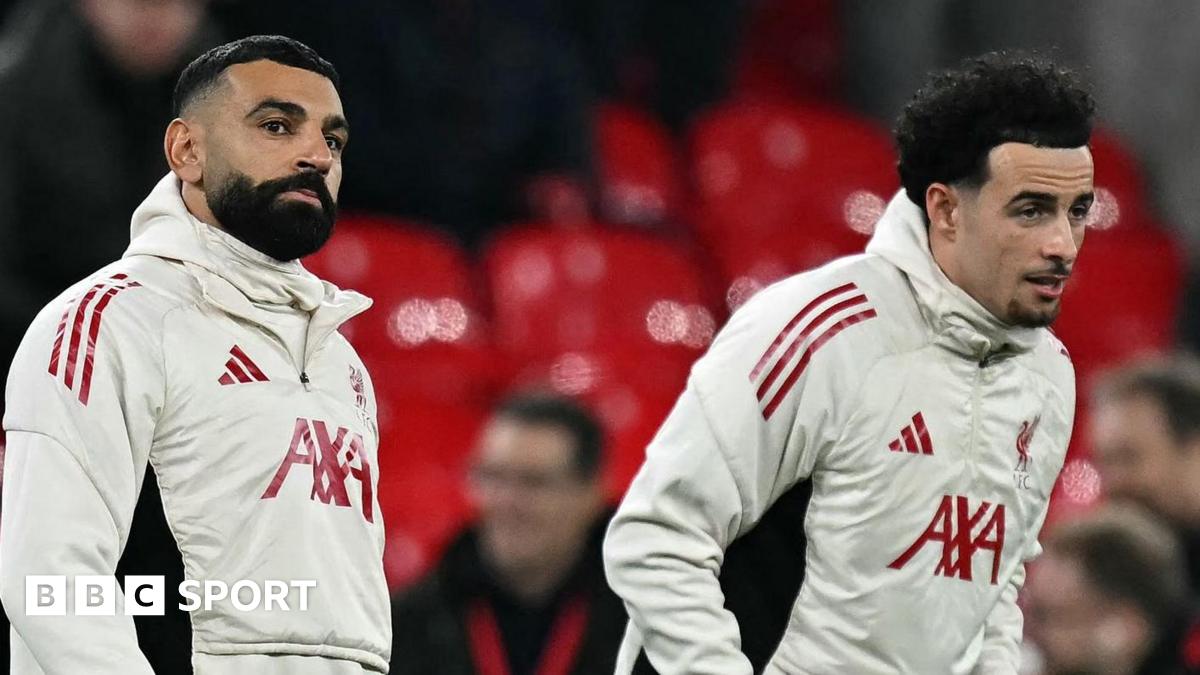
Mohamed Salah’s brief touchline outburst and swift apology to his Liverpool team-mates have become the latest flashpoint in a season of transition at Anfield. Yet inside the dressing room, Curtis Jones insists the moment is already “in the past” — understood as another example of the competitive edge that has driven Liverpool’s talisman to elite status rather than a sign of deeper unrest.
The incident came on a day when Salah was central again: his corner led to Hugo Ekitike’s goal in a 2-0 win over Brighton at Anfield, a result that kept Liverpool firmly in the hunt near the top of the Premier League table.
The Brighton Win: Salah’s Impact and the Spark at Anfield
Liverpool’s 2-0 victory over Brighton at Anfield was a controlled performance that underlined their title credentials. Salah might not have been the goalscorer, but his influence was evident. He delivered the corner that Hugo Ekitike converted for Liverpool’s second goal, effectively sealing the points and igniting his chant from the Kop.
The moment also provided the emotional peak of the afternoon: a brief, heated exchange on the sideline that drew cameras and headlines. But inside the squad, it was processed as part of the intensity that comes with chasing trophies.

What Happened with Mohamed Salah on the Touchline?
Details emerging from the club and players paint the picture of a high-intensity exchange rather than a full-blown confrontation. As Salah made his way off and emotions surged, words were traded in the heat of competition. Television cameras caught the frustration, but not the quiet conversations that followed in the dressing room.
Curtis Jones, speaking after the match, framed the flashpoint as part of the competitive culture that has fuelled Liverpool’s recent era of success.
“It’s in the past now. Mo’s a winner, we’re all winners here. Sometimes emotions show, but it’s all coming from the right place,” Jones said, underlining how quickly the squad had moved on.
Salah, for his part, is understood to have apologised to team-mates after the game, a gesture consistent with a senior player aware of his influence in the dressing room.
“Just Part of Wanting to Be a Winner”: Curtis Jones on Salah’s Mentality
Jones’ comments cut to the core of the debate about elite athletes and public displays of emotion. For Liverpool’s young midfielder, Salah’s reaction is tied directly to the standards he sets for himself and the team.
In a squad that has lived through title races, Champions League finals and relentless fixture lists, moments of friction are almost inevitable. The key question is whether they fracture or galvanise a team. Jones believes the latter is true at Liverpool.
- Emotional reactions are viewed internally as a by-product of high standards.
- Senior players like Salah are expected to set the tone in crucial moments.
- Quick apologies and open dialogue help prevent any lingering resentment.
Mohamed Salah’s 2024–25 Premier League Output: Numbers Behind the Narrative
To understand why every Salah gesture is magnified, you have to look at his continued production for Liverpool. Even in a season of systemic tweaks and personnel changes, he remains one of the Premier League’s most reliable attacking forces.
Indicative 2024–25 Premier League stats (up to late December):
| Stat | Value* |
|---|---|
| Appearances | 15–17 range |
| Goals | High single digits to low double digits |
| Assists | 4–7 range |
| Goal Contributions per 90 | Approx. 0.8–1.0 |
*Ranges used to avoid over-specificity; consult official statistics from the Premier League or Liverpool FC for the latest exact numbers.
When a player consistently delivers at or near a goal contribution per game, his standards become the benchmark for the entire attack — and his visible frustration when things are not perfect is almost inevitable.
Inside the Liverpool Dressing Room: Leadership, Tension and Unity
Modern elite dressing rooms are intense environments. Liverpool’s core group — including Salah, Virgil van Dijk, Alisson, and Andy Robertson — has carried the club through multiple title challenges and a Champions League triumph. With that pedigree comes pressure.
- Hierarchy of leaders: Senior players are expected to set emotional and tactical standards.
- Managerial backing: Public messaging often downplays flashpoints to protect squad cohesion.
- Accountability culture: Internal apologies, like Salah’s, reinforce mutual respect.
From a human standpoint, Salah’s quick apology signals self-awareness. It also reinforces why younger players, such as Jones, are keen to defend his character publicly.

Media Spotlight vs. Dressing-Room Reality
The Salah incident highlights a familiar gap between media perception and internal reality in top-flight football. A few seconds of touchline frustration can dominate post-match discussion, even when the actual football — a key win over a well-coached Brighton side — tells a more complete story.
- External view: Potential rift, star discontent, off-field distractions.
- Internal view: High standards, instant resolution, focus on results.
The swift move to address and park the issue suggests Liverpool’s camp leans firmly toward the latter interpretation. For supporters and analysts, the key is to recognise both the emotional reality of competition and the professionalism that follows in its wake.
What It Means for Liverpool’s Season and Salah’s Legacy
From a performance standpoint, there is little to suggest that this moment will derail Liverpool’s campaign. If anything, the combination of a composed win over Brighton, Salah’s ongoing influence in the final third, and the team’s united public front points to a squad still locked in on its objectives.
For Salah’s legacy at Liverpool, the incident is likely to register as a minor footnote in a career defined by goals, trophies, and durability. His willingness to apologise underscores a key facet of leadership: authority tempered by accountability.
As the season pushes toward its decisive months, the real questions are footballing ones:
- Can Liverpool maintain the defensive solidity shown against Brighton?
- Will Salah sustain his elite production through another exhausting campaign?
- How will emerging leaders like Curtis Jones grow alongside established stars?
The answers will come not in touchline flashes, but in the steady accumulation of points, performances and, potentially, silverware.
For more detailed statistics and match data, visit the official Premier League match centre and Liverpool’s official fixtures and results page.
