
Inside the Legal Battle Over Sean ‘Diddy’ Combs’ Push for Immediate Prison Release
As Sean “Diddy” Combs’ lawyers urge a New York federal appeals court to order his immediate release from prison and overturn his conviction, the case is rapidly turning into a stress test for how the U.S. justice system handles celebrity power, hip‑hop’s complicated legacy, and public pressure in the post‑#MeToo era.
Sean ‘Diddy’ Combs’ Appeal: Why This Case Is Bigger Than One Artist
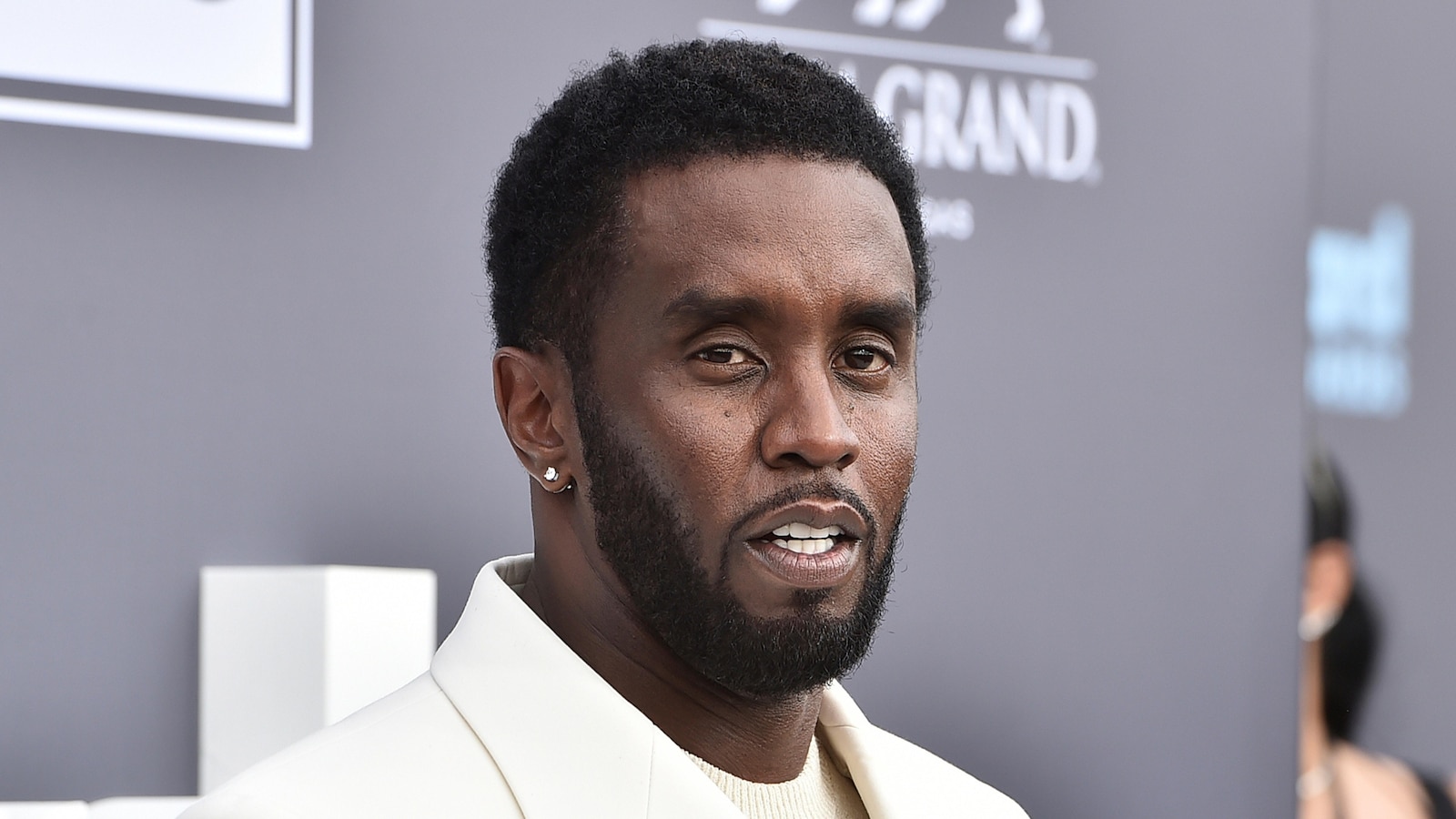
The latest filing, argued before a federal appeals panel in New York, asks the court to reverse Combs’ conviction on prostitution‑related and associated federal charges and to release him immediately while broader legal challenges play out. Beyond the technical legal arguments, the case sits at the intersection of celebrity culture, criminal accountability, and an industry still reckoning with long‑ignored abuse allegations.
How We Got Here: A Brief Background on the Diddy Case
Sean “Diddy” Combs isn’t just another rapper facing a criminal case; he’s a multi‑hyphenate mogul whose name has been attached to Bad Boy Records, Cîroc, Revolt TV, and a long list of chart‑topping acts. For decades, he represented a certain version of American success: flashy, aspirational, and relentlessly entrepreneurial.
That image collided with mounting civil lawsuits, public accusations, and eventually federal charges. Prosecutors framed Combs as the architect of a pattern of misconduct tied to prostitution‑related offenses and related federal crimes. A trial ended in conviction, and Combs is now serving a federal sentence while his defense team pushes the appeals process hard.
- High‑profile status has ensured wall‑to‑wall media coverage.
- The charges connect to a broader web of civil suits and prior allegations.
- The appeal centers on whether the conviction rests on legally sound foundations.

Inside the Appeal: What Diddy’s Lawyers Are Actually Asking For
In their most recent arguments to the federal appeals court, Combs’ lawyers are doing two things at once: challenging the legal foundation of the conviction and pushing for his immediate release while those challenges are considered.
- Immediate release from prison – a request that effectively argues continued detention is unlawful or unjust under the circumstances.
- Reversal of the conviction – on the grounds that key rulings at trial, or the way evidence was handled, violated federal law or constitutional protections.
The defense has flagged issues such as how certain witnesses were treated, the scope of evidence allowed at trial, and the interpretation of federal statutes. In appeals‑speak, that means they’re alleging reversible error—errors serious enough that, in their view, the verdict can’t stand.
“We are asking the court to recognize that the trial’s errors weren’t just technical—they go to the heart of whether Mr. Combs received a fair hearing under the law,” one attorney for Combs argued in court filings, according to ABC News.
Appeals courts, however, are famously conservative about overturning jury verdicts. They tend to defer heavily to trial judges unless the record reveals obvious, documented mistakes or major constitutional problems.
How Appeals Courts Weigh Requests for Immediate Release
Asking for immediate release while an appeal is pending is a high bar for any defendant, celebrity or not. Judges look at several factors, and the legal standard is intentionally strict.
- Likelihood of success on appeal – Are the legal arguments strong enough that reversal or a new trial is realistically on the table?
- Risk of flight – Does the defendant have the resources and incentives to flee the country or evade further legal process?
- Danger to the community – Would release pose a safety risk, as defined under federal law?
- Public interest – How does release or continued detention align with broader justice system goals?

In practical terms, that means Combs’ team must convince the court that this isn’t just a “close call” case; they have to show that serious legal doubts exist, and that keeping him incarcerated in the meantime would be fundamentally unfair.
Hip-Hop, Power, and the Post‑#MeToo Lens on Diddy’s Case
The Combs appeal doesn’t exist in a vacuum. It’s arriving after years in which the entertainment industry—and hip‑hop in particular—has been forced to confront abuse allegations against powerful men, from R&B stars to label heads.
That history shapes how both the public and the courts perceive any high‑profile defendant. While judges are meant to shut out the noise and focus only on the record, the broader context inevitably hovers in the background.
Combs’ long career—launching artists, running a label, and building media platforms—makes this more than just a criminal case. It’s a referendum on an era in which success could sometimes insulate stars from serious scrutiny. Now that scrutiny has arrived, and the appeals court must sift the legal questions from the cultural baggage.

Media Coverage, Public Opinion, and the Court of Public Perception
Networks like ABC News have followed the Combs case closely, and every hearing or filing generates a fresh cycle of push alerts, commentary, and social media takes. This isn’t unique to Diddy; it’s how the modern media ecosystem treats any major entertainment scandal.
Still, the Diddy story hits differently because of how central he’s been to pop culture for nearly 30 years—from producing Notorious B.I.G., to reality TV appearances, to business ventures that seemed to make him “too big to fail.”
“The Combs case is a litmus test of whether the justice system can remain even‑handed when celebrity, money, and decades of cultural influence are in the mix,” one legal analyst told entertainment outlets covering the appeal.
There’s also the broader question of how audiences respond. Some fans feel betrayed and are ready to walk away from the catalog; others insist on presuming innocence or drawing a hard line between the music and the man. The appeal won’t settle that debate, but it will heavily shape how future histories of hip‑hop remember this era.

Strengths and Weaknesses in Diddy’s Appeal Strategy
From an outsider’s perspective—relying on public filings and reporting—Combs’ legal approach has some clear strategic upsides and downsides.
Potential Strengths
- Resources for a deep legal fight – High‑powered counsel can comb the record for every arguable appellate issue.
- Complex, high‑profile case – The more complex the trial, the more room there is for potential legal missteps to be identified on appeal.
- Public spotlight – Transparency can sometimes nudge courts toward especially careful review, knowing decisions will be scrutinized.
Potential Weaknesses
- Appeals are not retrials – Judges aren’t re‑deciding guilt or innocence; they’re checking whether the legal process was sound.
- High threshold for reversing a conviction – Even clear errors can be labeled “harmless” if courts think the outcome would’ve been the same.
- Limited success rate for emergency release – Courts are generally reluctant to let defendants out mid‑appeal unless the legal issues are unusually compelling.

What Happens Next—and Why It Matters
The appeals court could rule in several ways. It might deny immediate release but still take months to decide the broader appeal. It could grant some limited relief on specific issues while leaving the conviction largely intact. Or, in a less likely but still possible outcome, it could order a new trial or even throw out parts of the case altogether.
Whatever the decision, it will resonate beyond one man’s fate. For the entertainment industry, the ruling will feed into ongoing conversations about how institutions respond when allegations finally catch up with powerful figures. For hip‑hop, it will influence how the legacy of a defining 1990s and 2000s figure is ultimately written.
For now, the only certainty is that the next move belongs to the court—and that every development will be broadcast, dissected, and debated across cable news, social media, and group chats in real time.
