
How Winnie-the-Pooh Turned Ashdown Forest into a 100-Year Pop-Culture Landmark
A hundred years after Winnie-the-Pooh first pottered onto the page, Ashdown Forest—the real-world inspiration for the Hundred Acre Wood—is stepping back into the spotlight. A series of centenary events across this corner of East Sussex is turning literary nostalgia into a living, walkable experience, reminding us how a small bear with very little brain became a very big deal in children’s literature, animation, and global pop culture.
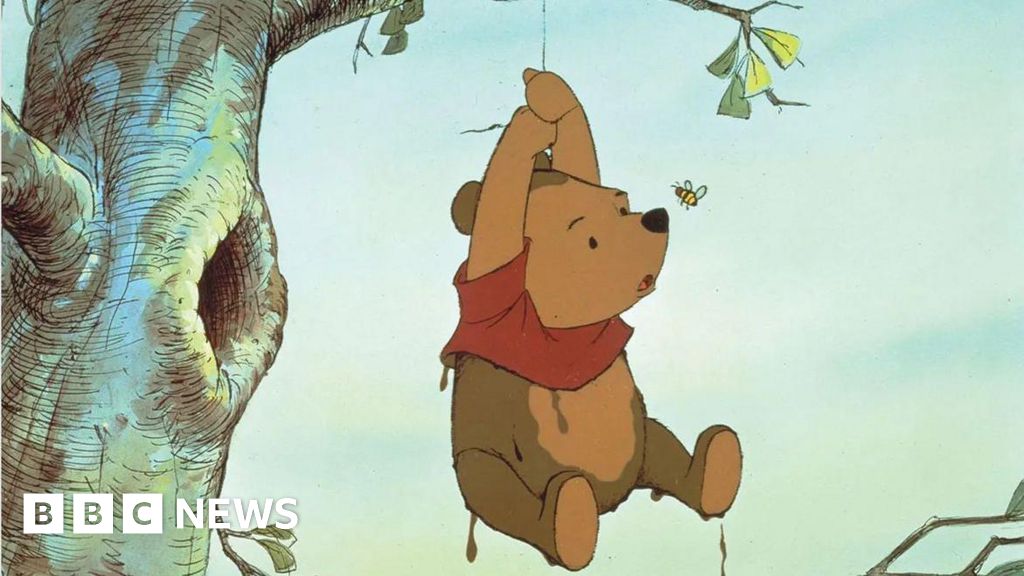
With Christmas Eve marking the 100th anniversary of Winnie-the-Pooh’s first appearance, Ashdown Forest isn’t just a picturesque backdrop; it’s the stage for a conversation about how children’s stories evolve, how Disney reshaped the bear’s identity in 1961, and why people are still willing to travel, queue and, yes, play Poohsticks for the perfect Instagram shot.
From Ashdown Forest to the Hundred Acre Wood: How a Real Place Became Mythic
Before it became a literary landmark, Ashdown Forest was a royal hunting ground and later a protected heathland in East Sussex. For A.A. Milne, who bought a country home at Cotchford Farm in the 1920s, it became something more intimate—a children’s playground filtered through adult memory.
Milne transplanted this landscape directly into his fiction. The “Hundred Acre Wood” is a riff on the real Five Hundred Acre Wood nearby, and many of the stories’ key locations—Poohsticks Bridge, the Sandy Pit, the North Pole expedition site—are rooted in specific spots you can still visit today.
“The forest was not simply scenery. It was a character in its own right, storing the memories of childhood games that found their way into Milne’s stories.”
This grounding in a real, walkable landscape is part of why Winnie-the-Pooh has aged differently from many other nursery characters. The magic isn’t Narnia-level portal fantasy: it’s the idea that the woods down the road might be hiding a mythic geography if you look at them with a child’s eye.
Ashdown Forest’s Winnie-the-Pooh Centenary: What’s Actually Happening?
To mark a century since Pooh’s first appearance in print, Ashdown Forest and surrounding communities are leaning into their status as literary real estate. The BBC reports a series of events “in and around Ashdown Forest” to celebrate the bear’s centenary, turning the heathland into a kind of open-air museum of childhood imagination.
- Guided Pooh Walks: Curated trails linking key locations tied to E.H. Shepard’s original illustrations and Milne’s stories.
- Family Story Sessions: Public readings of Milne’s texts, often paired with craft activities for younger visitors.
- Exhibitions: Displays exploring Milne’s life, Shepard’s artwork, and the evolution of Pooh from page to screen.
- Poohsticks Gatherings: Organized (or informal) games on real-life bridges that inspired one of the books’ most enduring inventions.
The tone of these events is deliberately low-key and family-friendly. Unlike the high-gloss branding you’d see at a Disney park, Ashdown Forest’s approach varies from modest visitor-centre exhibits to guided walks run by local experts. It feels more like literary pilgrimage than IP theme park.
A Hundred Years of Pooh: From Milne’s Prose to Disney’s Global Icon
Winnie-the-Pooh first appeared on Christmas Eve 1924 in a story published in the London Evening News, the seed that would grow into the 1926 book Winnie-the-Pooh. Milne followed with The House at Pooh Corner (1928), plus two poetry collections, and together they created a tone that was gently comic, melancholic in places, and quietly philosophical.
The turning point for Pooh’s fame came in 1961, when Disney acquired certain rights to the character. That deal effectively split Pooh into two coexisting bears:
- The literary Pooh – rooted in E.H. Shepard’s scratchy line drawings and Milne’s wry, very English dialogue.
- The Disney Pooh – rounder, brighter, and calibrated for television, merchandising, and theme parks.
“Disney’s version sandpapers down Milne’s ironies, but it preserves the core atmosphere of mild peril and gentle reassurance that made the books so beloved.”
Animation historian Leonard Maltin once noted that Disney’s Winnie the Pooh and the Honey Tree (1966) was intentionally paced slower than contemporaneous cartoons, mirroring the unhurried rhythm of Milne’s storytelling. That slow pace, once a creative risk, has become part of Pooh’s comfort-viewing appeal in an age of hyperactive children’s media.
What Makes Winnie-the-Pooh Still Work in 2025?
In 2025, Winnie-the-Pooh exists on several cultural channels at once: original books that still sell briskly, Disney+ streams of classic shorts, meme culture that borrows Pooh’s nonchalance, and physical tourism centred on Ashdown Forest. That multichannel life could have diluted him; instead, it’s turned Pooh into a kind of emotional shorthand.
Part of the endurance comes from character design. Pooh isn’t a superhero or a chosen one; he is, as Milne wrote, “a Bear of Very Little Brain” whose moral victories are tiny but real: sharing honey, helping Eeyore find his tail, walking to the door with Christopher Robin before they must say goodbye.
“Pooh is an antidote to anxiety. His world is small, navigable, and governed by the logic of friendship rather than the logic of plot.”
Psychologists and critics have repeatedly read the Pooh stories as parables of childhood development, emotional regulation, and even neurodiversity (sometimes in ways that Milne never intended). The upshot is that Pooh’s centenary doesn’t just celebrate a cute bear; it underscores how much we’ve used this character to talk about childhood itself.
Ashdown Forest as a Literary Pilgrimage Site
Ashdown Forest’s centenary events also highlight a broader trend: the rise of “story tourism.” Fans travel to places like New Zealand’s Hobbiton or King’s Cross Platform 9¾; Ashdown offers a quieter, more analog version of that experience. There are no animatronics here, just heather, pines, and the stubborn English weather.
The local economy has learned to speak “Pooh” without drowning in it. Cafés and shops reference honey and the Hundred Acre Wood, but the forest itself remains a Site of Special Scientific Interest, balancing fan enthusiasm with conservation.
- Pros: Gentle, low-impact tourism; encourages reading and imaginative play; gives families a screen-free way to engage with a beloved IP.
- Challenges: Footpath erosion, litter, and the tension between preserving a fragile heathland and accommodating international visitors armed with GPS and bucket lists.
For many visitors, walking in Ashdown Forest is less about re-enacting specific scenes than about tapping into a mood—unhurried, slightly wistful, and suffused with the sense that some corners of childhood can be revisited, if not entirely recovered.
Page, Screen, and Soundtrack: Experiencing Winnie-the-Pooh Across Media
The centenary also coincides with renewed interest in how Pooh has moved across media: from illustrated prose to animation, audiobooks, and streaming-era nostalgia playlists. For many contemporary fans, the first encounter with Pooh isn’t Milne’s prose but the Sherman Brothers’ songs and Disney’s warm, slightly woozy color palette.
The contrast between Milne’s understated humour and the more overtly sentimental Disney adaptations is part of what makes returning to the books rewarding as an adult. There’s a dry, almost Wildean streak in Milne’s dialogue that doesn’t always make it into the animated versions.
“What day is it?” asked Pooh. “It’s today,” squeaked Piglet. “My favorite day,” said Pooh.
Lines like this have been endlessly re-shared on social media (often misattributed or slightly edited), but their original context is less inspirational-poster and more gentle joke about mindfulness before mindfulness had a name.
Planning a Pooh-Themed Visit to Ashdown Forest
For families and fans considering a centenary-era trip, Ashdown Forest is less “theme park” and more “pack good shoes and a picnic.” Expect heathland, woodland, and a network of paths rather than curated backdrops every few meters.
- Start at the Visitor Centre: Pick up maps and current information about Pooh-related walks and exhibitions. Official info is available via the Ashdown Forest Conservators website.
- Walk to Poohsticks Bridge: One of the most iconic spots; be prepared for mild crowds on weekends and holidays.
- Mix Pooh with nature: Centenary events often combine story elements with talks on local wildlife and conservation, making the trip more than literary nostalgia.
- Stay respectful: Remember it’s a protected landscape, not a film set—sticking to paths and carrying out litter keeps the real Hundred Acre Wood from becoming a cautionary tale.
Strengths, Blind Spots, and the Future of a Very Famous Bear
Ashdown Forest’s centenary celebrations mostly land on the right side of tasteful: they treat Pooh as a literary figure first and a franchise second. The strengths are obvious—encouraging reading, giving families an offline focal point, and tying a global cultural phenomenon to a specific, fragile landscape.
The weak spots are subtler. There’s a risk of soft-focus nostalgia glossing over the more complicated parts of Milne’s life and his relationship with his son Christopher Robin, or ignoring ongoing debates about commercialization and copyright as some Pooh material slips into the public domain. A more robust centenary program can (and in some venues, does) address those questions head-on.
Still, it’s telling that a hundred years on, the central image isn’t a logo or a Funko Pop, but a child leaning over a wooden bridge, dropping sticks into a stream. For all the corporate muscle that has wrapped itself around Pooh since 1961, the enduring icon remains a very small game in a very ordinary forest.
A Hundred Years of Honey: Where Pooh Goes Next
As Ashdown Forest marks a hundred years of Winnie-the-Pooh, the celebration doubles as a quiet manifesto for how we might handle beloved stories in the next century: with curiosity, with critical distance, but also with room for people—especially children—to meet the work on its own gentle terms.
The forest will go on changing; so will the bear. New adaptations, critical essays, and crossovers are almost inevitable. But if the centenary proves anything, it’s that Pooh’s real power doesn’t lie in any single version—Milne’s, Disney’s, or otherwise. It lies in the shared act of walking into some ordinary woods and deciding, together, that they are full of stories.
For a character once described as having “no brain at all, some of the time,” that’s a remarkably sharp cultural legacy.
