
How This Winter’s Flu Surge Is Stressing Local Hospitals (And What You Can Do Now)
If A&E waiting rooms feel busier, GP appointments seem harder to find, or you’ve heard friends say they “can’t get a bed” in hospital, you’re not imagining it. This winter’s flu outbreak is pushing hospitals across the UK to some of the highest levels of flu-related pressure they’ve ever recorded, with the NHS in England warning it is on “high alert.”
In this guide, we’ll walk through how flu is affecting hospitals in your area, what “high alert” really means for you and your family, and the simple, evidence-based steps you can take to reduce your risk, use services wisely, and support an NHS that’s working flat out.
You’ll also find practical advice on when to go to A&E, when to call NHS 111, and when self-care at home is more appropriate, so you can feel more confident making decisions during a stressful winter season.
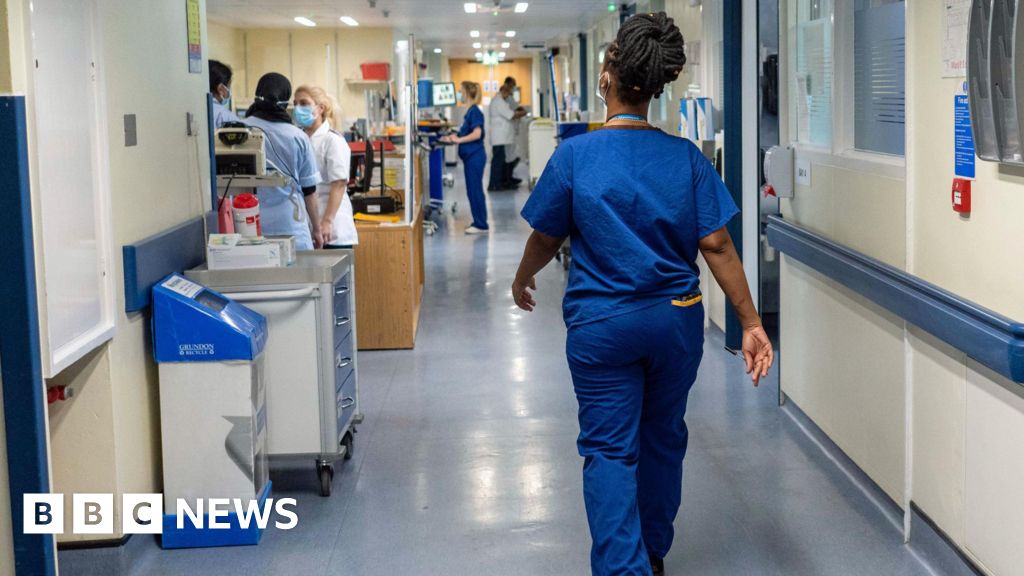
Each winter, respiratory viruses like flu and RSV place extra strain on the NHS. This season, however, hospitals across the UK are reporting exceptionally high numbers of flu cases needing hospital care. In England, the NHS has described this as a period of “high alert,” reflecting record or near‑record flu admissions in some regions.
While exact figures vary week by week and from region to region, the pattern is consistent:
- More people with flu are being admitted to hospital beds, particularly older adults and people with long‑term health conditions.
- Children’s services are also seeing high numbers of respiratory illnesses, though the pattern can differ between regions.
- ICU and high‑dependency beds are under pressure where flu is causing severe complications like pneumonia.
“We plan intensively for winter every year, but this season’s flu levels have added a significant extra layer of pressure on top of already busy services.”
— Senior NHS clinical manager, winter briefing
What “High Alert” Really Means for Your Care
“High alert” doesn’t mean hospitals are unsafe or closed. It means they are operating close to their limits and are using extra measures to keep patients safe and services running. In practice, that can look like:
- Longer waits in A&E and urgent treatment centres, especially for non‑life‑threatening problems.
- Ambulances queuing outside busy hospitals, which can delay handover and response times.
- More patients in corridors or temporary areas while teams work to free up beds.
- Some non‑urgent operations or clinic appointments being postponed to prioritise emergency and high‑need cases.
None of this is ideal, and it can be deeply frustrating if you or a loved one are waiting for care. But it’s important to remember that life‑threatening emergencies are still prioritised. If you are seriously unwell, the NHS absolutely wants you to seek help promptly.
How to Find Out How Flu Is Affecting Hospitals in Your Area
Many people want to know, “Is it this bad where I live?” While news headlines often focus on national figures, there are ways to understand pressures in your region more precisely.
- Use trusted interactive tools and dashboards
Broadcasters and official bodies sometimes publish interactive maps or tools that let you explore flu and hospital data by postcode or region. These may show:- Flu hospital admission rates
- Overall hospital bed occupancy
- Trends over recent weeks
- Check official weekly reports
Organisations like the UK Health Security Agency and NHS England publish regular winter and flu situation reports. These documents can feel technical, but the summaries and graphs are usually clear and show how your region compares to national trends. - Follow updates from your local NHS trust and ICB
Hospital trusts and Integrated Care Boards (ICBs) often share alerts and advice on their websites and social media when services are under particular strain.
While numbers matter, they’re only part of the picture. Your personal risk depends on your age, health conditions, vaccination status, and how much flu is circulating in your community, not just in hospitals.
Why This Flu Season Is So Tough on Hospitals

Flu is always a challenge, but several factors can turn a difficult winter into a really tough one for hospitals:
- High community flu levels: When many people are infected at once, even a small percentage needing hospital care can translate into a lot of admissions.
- Vulnerable populations: Older adults, pregnant women, and people with chronic conditions are at higher risk of severe flu and complications like pneumonia.
- Co‑circulating viruses: Flu rarely travels alone. COVID‑19, RSV, and other respiratory viruses can pile extra pressure on wards and intensive care.
- Staff sickness: When flu hits the workforce, hospitals can end up with fewer staff just as demand peaks.
- Limited spare capacity: Even outside flu season, many hospitals run with high bed occupancy. Winter surges leave very little slack.
“What people see as ‘crowded corridors’ are often the visible tip of a complex system juggling very sick patients, infection control, and limited space.”
— Consultant in Emergency Medicine, regional teaching hospital
A Real‑World Snapshot: One Family’s Experience
Earlier this winter, a patient I’ll call “Sarah” (not her real name), a 67‑year‑old with COPD and diabetes, developed a high fever, cough, and sudden breathlessness. She was reluctant to “bother anyone” because she’d heard the NHS was extremely busy.
Her daughter eventually called NHS 111, who advised an urgent assessment at A&E. On arrival, the waiting room was full, and it took time to be seen. But because Sarah was clearly struggling to breathe, she was triaged quickly and moved to a monitored area. She spent several days in hospital being treated for flu and pneumonia, and she recovered.
What stayed with her family was the contrast: visible crowding and delays for some, alongside rapid escalation for the sickest patients. The system felt under pressure, but the staff were focused on prioritising those at greatest risk.
Practical Steps to Protect Yourself and Ease Hospital Pressure

You can’t single‑handedly fix hospital capacity, but small actions add up. Evidence shows that preventing severe flu and using services appropriately can ease pressure on the system and protect the most vulnerable.
1. Stay up to date with flu vaccination
- Flu vaccines don’t guarantee you won’t catch flu, but they significantly reduce your risk of severe illness, hospitalisation, and death, particularly in older adults and people with underlying conditions.
- In the UK, flu vaccination is usually free on the NHS for groups at higher risk (for example, over‑65s, pregnant women, some children, and people with certain medical conditions).
- Even mid‑season, it’s often still worthwhile to get vaccinated if you’re eligible. Protection can help for the remainder of the winter.
2. Use simple infection‑control habits
- Wash or sanitise hands regularly, especially after being in crowded places and before eating.
- Catch coughs and sneezes in a tissue or your elbow, then wash hands.
- Consider wearing a mask in very crowded indoor settings, particularly if you are at higher risk or live with someone who is.
- Stay home if you have a high fever or feel acutely unwell, where possible, to avoid passing infections on.
3. Look after your general health
Maintaining good control of existing conditions like asthma, COPD, heart disease or diabetes can reduce your risk of needing emergency hospital care if you do catch flu. This includes:
- Taking prescribed medications regularly and ensuring repeat prescriptions are ordered in good time.
- Knowing your personalised action plan (for example, for asthma) and when to step up treatment.
- Seeking early advice from your GP or specialist team if your baseline symptoms worsen.
4. Choose the right service for your needs
Using services in a way that matches the urgency of your problem can help ensure the sickest people get seen fastest. A simple rule of thumb:
- 999 / A&E: Life‑threatening emergencies such as chest pain suggestive of heart attack, signs of stroke (FAST), severe breathing difficulties, major injuries, heavy bleeding, or sudden collapse.
- NHS 111 (online or phone): When you’re unsure what to do, your symptoms are worrying but not obviously life‑threatening, or you need urgent advice out of hours.
- GP / community pharmacy: Non‑urgent or routine problems, medication queries, mild flu‑like illnesses without red‑flag symptoms.
When Flu Becomes an Emergency: Red‑Flag Symptoms
Most people with flu feel very unwell but recover with rest, fluids, and simple pain relief. However, certain symptoms suggest complications that need urgent medical attention.
Adults: Seek urgent help (999 or A&E) if you notice:
- Severe difficulty breathing, chest pain, or blue lips/face.
- Sudden confusion, drowsiness, or difficulty staying awake.
- Seizures (fits) or sudden weakness in the face, arm, or leg.
- Signs of dehydration that don’t improve (for example, not passing urine for many hours, dizziness on standing, or feeling faint).
- A fever that doesn’t respond to medicines and worsening symptoms after initially improving.
Children: Call 999 or go to A&E urgently if:
- They are breathing very fast, struggling to breathe, or their ribs are pulling in with each breath.
- They are very floppy, difficult to wake, or not responding as usual.
- Their skin, lips, or tongue look blue, grey, or pale in a way that is unusual for them.
- They have a rash that doesn’t fade with pressure (for example, using the glass test).
How the Flu Surge Affects Care Beyond the Flu Wards

One of the most challenging aspects of a major flu surge is the ripple effect across the whole healthcare system. Even if you never catch flu, you may feel its impact in other ways:
- Delayed elective surgery: Some planned operations may be postponed to free up staff and beds.
- Rearranged outpatient appointments: Clinics may be consolidated or rescheduled if staff are redeployed to wards.
- Pressures in community services: If hospital discharge is delayed (for example, because of flu outbreaks in care homes), patients may stay in hospital longer, blocking beds for new admissions.
It’s understandable to feel anxious or frustrated if your planned care is affected. Keeping in touch with your clinical team, asking what you can do in the meantime (for example, exercises before surgery), and knowing how to escalate concerns if your condition changes can all help.
Supporting Older and Vulnerable People Through the Flu Season
Many of the people who end up in hospital with flu are older adults or those with long‑term conditions. If you’re caring for someone in this group, or if you fall into it yourself, a few extra layers of planning can reduce risk and anxiety.
- Check vaccination status: Make sure flu (and COVID‑19, if applicable) vaccinations are up to date.
- Stock essential medications: Without hoarding, ensure there’s enough of regular medicines to avoid urgent last‑minute requests.
- Agree a plan: Talk through what you’ll do if flu‑like symptoms develop — who you’ll call, where the list of medications is kept, and which hospital is nearest.
- Protect social contact safely: Isolation has its own health risks. Encourage safe connection (for example, well‑ventilated visits, phone calls, or video chats) rather than cutting people off completely.
Common Questions About the Flu Outbreak and Hospital Pressures
“Should I avoid hospital at all costs because of flu?”
No. You should avoid unnecessary A&E visits, but you should not avoid emergency care when it’s needed. If you have serious or rapidly worsening symptoms, the potential benefits of timely care far outweigh the risks of being in a busy environment.
“Is it still worth getting the flu jab mid‑winter?”
In many cases, yes. Flu often circulates for several months. Even if you’re part way through the season, vaccination can still reduce your risk of severe illness for the remainder of the winter. Check with your GP, pharmacist, or local NHS guidance about eligibility and timing.
“If my operation is postponed, could that harm me?”
For most planned operations, a delay of a few weeks is safe, though it can be inconvenient and stressful. Hospitals should assess urgency when deciding which procedures to postpone. If your symptoms worsen while you’re waiting, contact your clinical team so they can review your situation.
Moving Through a Difficult Flu Season Together

This winter’s flu outbreak is testing hospitals across the UK, and the phrase “on high alert” reflects a system under serious strain. Yet within that pressure, staff continue to do everything they can to care for the sickest patients, prioritise emergencies, and keep services running.
You have a meaningful role in this picture. By protecting yourself with vaccination, practising simple infection‑control habits, using services wisely, and seeking help promptly when things don’t feel right, you’re not only looking after your own health — you’re also easing pressure on an NHS that millions of people rely on every day.
If you do one thing today, make it this:
- Check your eligibility for a free flu vaccine and book it if you haven’t had it this season.
- Save the NHS 111 online and phone details in your contacts so you can get guidance quickly if you need it.
Winter will always bring challenges, but informed, practical steps — taken by individuals, families, and communities — can help us move through it more safely, and with a little less fear.
