
The One Airplane Seat That Can Help You Avoid Getting Sick (Backed by Science)
Staying healthy on a plane can feel almost impossible, especially during busy holiday travel, but choosing the right seat and following a few evidence-based hygiene strategies can significantly reduce your risk of getting sick and help you arrive feeling better and less stressed.
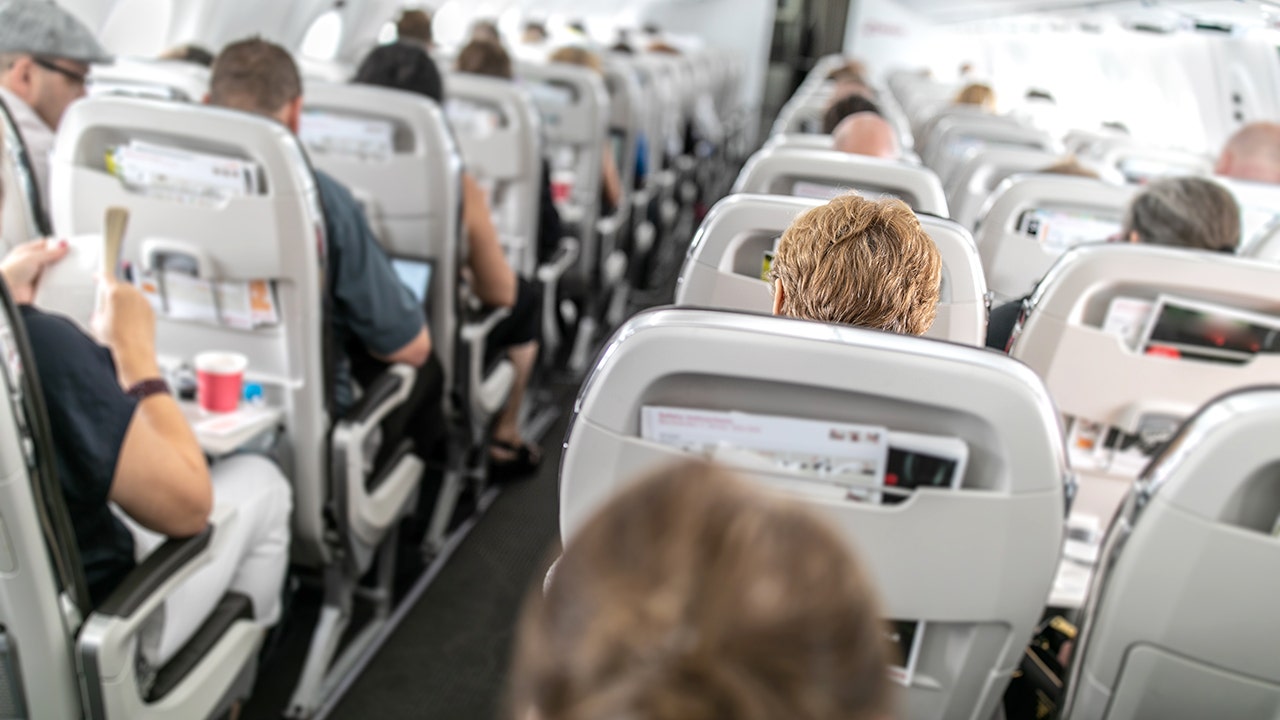
Why the Seat You Choose Matters for Your Health
If you’ve ever stepped off a flight with a sore throat or stuffy nose and thought, “I must have caught something on the plane,” you’re not imagining it. While modern aircraft have effective air filtration, close contact with other passengers, shared surfaces, and long periods of sitting can still increase your risk of picking up a virus.
In late 2025, a medical expert quoted in a Fox News Lifestyle piece summed it up simply: where you sit influences how many people you come into close contact with, and that contact is a major driver of infection risk. The good news is that you do have some control.
“Air travel itself isn’t the problem; proximity is. The more people who pass, cough, or lean near you, the higher your exposure. A smarter seat choice can decrease that exposure.”
— Board-certified internal medicine physician, interview summarized from 2025 travel health coverage
Let’s walk through what the research suggests about the best seat to avoid getting sick on a plane—and what else you can do when your ideal seat isn’t available.
The Real Problem: Germs Spread More Through People Than Through Plane Air
Many travelers picture a plane full of recycled “germy” air. Modern commercial aircraft, however, generally use HEPA filters that remove a high percentage of airborne particles, including many viruses and bacteria, with air exchanged frequently (often 20–30 times per hour).
Studies from 2018 onward, including modeling of respiratory droplet spread on flights, suggest that:
- Most transmission risk comes from people within a few rows of you, especially those in the same row or within one row in front/behind.
- Movement up and down the aisle (boarding, bathroom trips, stretching) increases close contacts.
- Touching contaminated surfaces (tray tables, armrests, seat belts) and then touching your face can also play a role.
So, it’s less about “bad air” and more about who is around you and how often people pass close to your seat.
The Best Seat to Avoid Getting Sick: Window Seat, Away from High-Traffic Areas
Evidence from cabin-behavior studies and infectious disease modeling points to one consistent conclusion:
The window seat, particularly away from the restroom and galley, is generally the best spot if you want to reduce your risk of getting sick.
A well-cited 2018 study in Proceedings of the National Academy of Sciences (PNAS) observed passenger movement on transcontinental flights. It found that passengers in window seats had fewer close interactions with others than those in aisle or middle seats. Fewer interactions mean fewer opportunities for virus exposure.
- Window vs. Aisle: Window-seat passengers are “tucked away,” with people only on one side. Aisle passengers experience more people brushing by, leaning over, and standing near them.
- Away from Restrooms and Galleys: Seats close to restrooms and service areas see more foot traffic and queuing—more coughs, sneezes, and conversations nearby.
- Middle Seat: Often the worst choice for comfort and exposure, since you’re directly between two people and still reachable from the aisle.
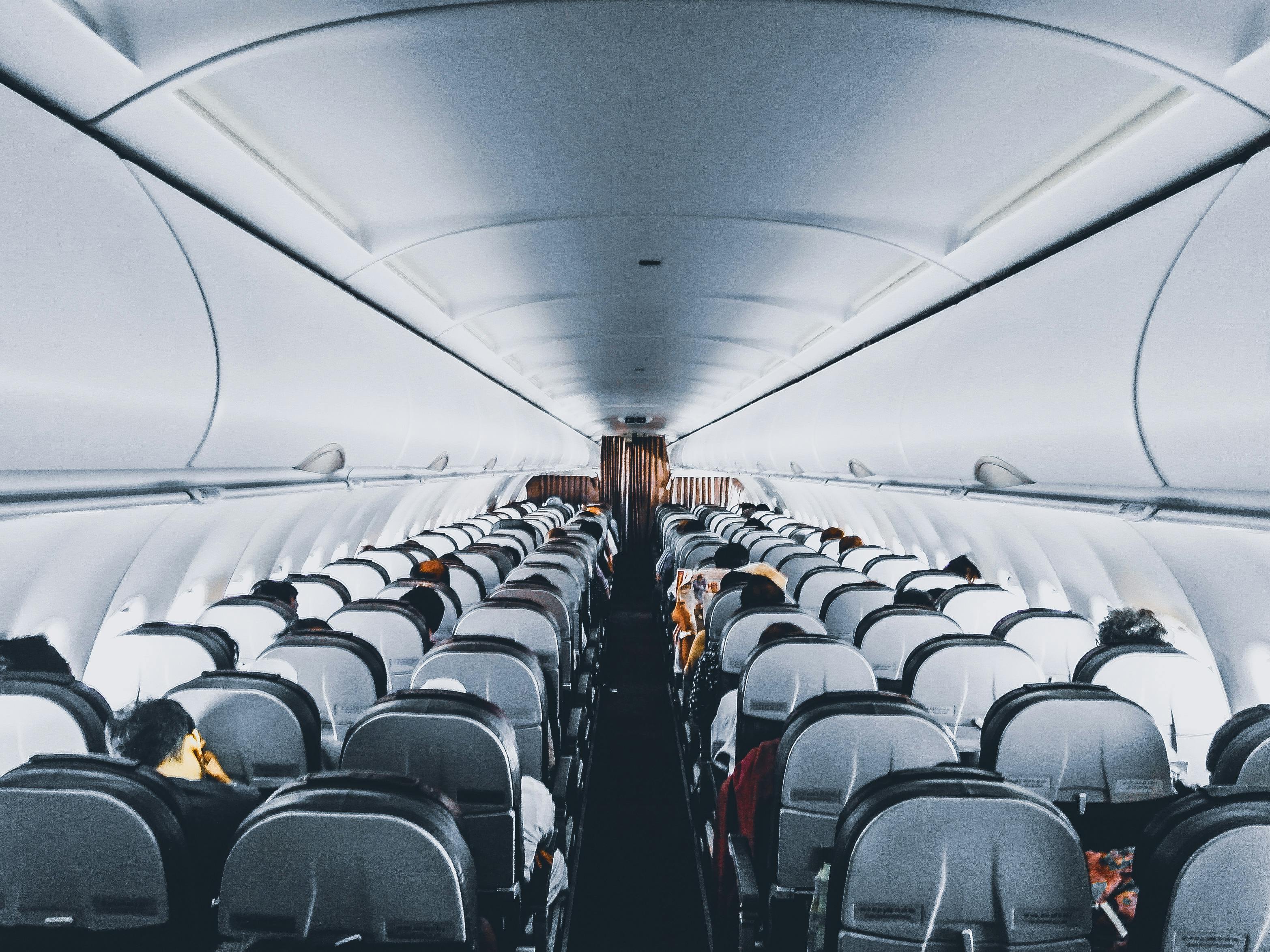
A Real-Life Example: Two Holiday Travelers, Two Very Different Outcomes
Consider two frequent flyers I worked with in a travel-wellness coaching program:
Alex used to pick seats based solely on getting off the plane faster—usually an aisle near the front. During one particularly busy holiday season, Alex ended up with a 5-hour flight in an aisle seat right across from the restroom. People lined up throughout the flight, often standing inches away. Two days later, Alex came down with a respiratory infection that lingered for weeks.
The next year, Alex changed strategies: window seat, mid-cabin, farther from the restrooms, plus basic hygiene habits (hand sanitizer, minimal face-touching). After multiple similar-length flights that season, Alex reported feeling far less run down and didn’t come home sick once. That doesn’t prove cause and effect, but it’s a good illustration of how thoughtful seat selection and simple precautions can stack the odds in your favor.
“I can’t control whether someone on my flight is sick, but I can control how close I sit to the crowd and how I protect myself. That mindset shift alone made travel much less stressful.”
— Alex, frequent holiday traveler (shared with permission, name changed)
Step-by-Step: How to Choose a Health-Smart Airplane Seat
Even if you don’t have elite airline status, you can still make strategic choices. Here’s a practical approach you can use every time you book.
- Start with a window seat.
When choosing your seat online, filter or scan for window options first. Prioritize these over being slightly closer to the front, if you can. - Check the seat map for restrooms and galleys.
Most airlines show icons for restrooms and crew areas. Try to sit at least a few rows away from them, especially on long flights where passengers move around more. - Avoid bulkhead rows if people queue there.
Bulkhead seats can be tempting for legroom, but they’re sometimes near bassinets or restroom lines. Judge based on the specific aircraft layout. - Consider the time of day and crowding.
Very early or late flights may be less crowded, slightly reducing exposure. This isn’t guaranteed, but it can be a secondary factor. - Use seat-selection tools.
Sites and apps that show real-time seat maps can help you find pockets of emptier rows. A window seat in a partially empty row is even better. - If stuck with an aisle, optimize your behavior.
If you must choose an aisle, see the next section for extra steps to protect yourself.

When You Can’t Get the Best Seat: How to Lower Your Risk Anyway
Sometimes you’re booking last minute, traveling with a group, or simply stuck with what’s left. You still have options.
If you end up in an aisle seat
- Avoid leaning into the aisle. Sit back during service and when people are walking by.
- Keep personal items off the aisle floor. They can pick up whatever gets tracked through the cabin.
- Consider a good-quality mask during boarding, deplaning, and beverage service when the aisle is busiest—especially if respiratory viruses are circulating widely.
If you’re near the restroom or galley
- Close the overhead vent slightly if air is blowing directly on you when lines form; adjust it so air flows just in front of your face, not straight into your eyes or mouth.
- Turn slightly toward the window side when people are standing close by, and avoid direct face-to-face positioning with strangers in line.
- Use hand sanitizer after touching overhead bins, restroom doors, or seat backs others have used to steady themselves.
Beyond the Seat: Evidence-Based Habits to Avoid Getting Sick on a Plane
Research and guidance from organizations like the CDC and major health systems emphasize a few core strategies for reducing illness risk during air travel. None of them are perfect on their own, but together they can make a meaningful difference.
1. Hand hygiene, done correctly
- Wash with soap and water for at least 20 seconds when you can (airport bathrooms before boarding, after landing).
- Use an alcohol-based hand sanitizer (around 60% alcohol or more) on the plane, especially:
- After handling your boarding pass, passport, or luggage.
- After touching tray tables, seat belts, or bathroom surfaces.
- Before eating or touching your eyes, nose, or mouth.
2. Smart surface strategy
Studies have found that certain airplane surfaces can harbor microorganisms. While not every germ leads to illness, it’s reasonable to reduce unnecessary exposure:
- Use disinfectant wipes on:
- Tray table (top and edges)
- Armrests and seat belt buckle
- Touchscreen or remote control
- Avoid placing food directly on the tray table; use a napkin or container.
- Keep your hands away from your face as much as possible.
3. Vent control and air direction
While research is still evolving, some infection-prevention specialists suggest using the overhead air vent (“gaspers”) strategically:
- Turn the vent on low-to-medium and angle the airflow so it passes just in front of your face.
- This can help create a gentle “curtain” of filtered air, potentially reducing stagnant air directly in front of you.
4. Support your immune system (without magic cures)
No supplement or trick can “guarantee” you won’t get sick, and big promises deserve skepticism. But there are realistic, science-aligned basics:
- Sleep: Aim for a decent night’s sleep before you fly; chronic sleep loss is associated with increased susceptibility to infection.
- Hydration: Drink water regularly; dry cabin air can irritate mucous membranes.
- Nutrition: Balanced meals and snacks (including fruits/vegetables where possible) support overall health more reliably than any single vitamin megadose.

Common Obstacles (and How to Overcome Them)
It’s one thing to know the healthy choice and another to make it when flights are packed and plans are stressful. Here are some real-world challenges and practical workarounds.
“I’m traveling with kids or a group.”
- Place more vulnerable travelers (older adults, those with chronic conditions) in window seats.
- If you must use aisles, designate one adult in an aisle as the “buffer” and place others toward the window.
- Teach simple hygiene habits to kids—like using sanitizer after the bathroom and before snacks.
“I booked late and only middle seats are left.”
- Ask politely at check-in or at the gate if any window seats have opened up.
- Consider paying a modest fee for a better seat if it significantly reduces your stress or exposure risk.
- Double down on hygiene and mask use during the most crowded phases of the flight.
“I have anxiety about flying and feel safer in an aisle seat.”
Your mental wellbeing matters too. If being in an aisle seat meaningfully reduces your anxiety:
- Keep the aisle seat but increase other protective behaviors (mask use in crowds, hand hygiene, wiping surfaces).
- Choose an aisle seat that’s as far from restrooms and galleys as possible.
- Practice calming techniques (breathing exercises, music, or guided meditations) to keep stress—and stress-related immune suppression—lower.
What the Science and Experts Say (Without the Hype)
Air-travel health research is still growing, but a few themes are consistent across recent studies and expert reviews:
- HEPA-filtered cabin air is generally cleaner than many indoor environments on the ground, according to multiple airline and independent investigations.
- Transmission risk is highest within a few seats of an infectious passenger, especially for prolonged periods.
- Window seats reduce the number of person-to-person contacts, which is a practical, evidence-aligned way to lower risk.
- Simple hygiene behaviors—hand cleaning, avoiding face-touching, and surface disinfection—are consistently recommended by health authorities.
For transparency, here are types of sources that inform this guidance (you can search these topics with up-to-date terms for the latest details):
- Studies on respiratory virus transmission on aircraft in journals like PNAS and Journal of Travel Medicine.
- Guidance from public health agencies that discuss travel, ventilation, and infection prevention.
- Expert interviews with infectious disease specialists and aviation medicine physicians in reputable news outlets, including 2025 travel health coverage like the Fox News Lifestyle newsletter.
Before vs. After: Small Changes, Noticeable Differences
You don’t need a complete travel overhaul to see benefits. Here’s a simple comparison of common habits versus an upgraded, health-conscious approach.
Typical approach (Before)
- Chooses seat last minute based only on getting off quickly.
- Sits in an aisle near the restroom without realizing the impact.
- Rarely uses hand sanitizer or wipes surfaces.
- Boards exhausted after staying up late packing.
Health-smart approach (After)
- Books a window seat away from high-traffic areas when possible.
- Brings a small kit: hand sanitizer, disinfectant wipes, tissues, and a mask.
- Cleans key surfaces and practices mindful hand hygiene.
- Prioritizes sleep and hydration the day before flying.
Bringing It All Together: A Realistic Way to Stay Healthier in the Air
You can’t control who else gets on your flight, and no strategy can reduce your risk of illness to zero. But you can make smart, science-informed choices that tip the odds in your favor.
For most travelers, that means:
- Choosing a window seat away from restrooms and galleys whenever you can.
- Practicing consistent hand hygiene and surface cleaning.
- Using layered protection (like masks during busy moments) during seasons of high respiratory illness activity.
- Supporting your general health through sleep, hydration, and nutrition before and after flying.
The goal isn’t perfection; it’s stacking small, realistic habits that make travel kinder to your body. Over time, many travelers notice fewer post-flight colds, less anxiety about getting sick, and more energy for the moments that matter at their destination.
Next time you book a flight, pause for 30 seconds at the seat map. Ask yourself: “Where can I sit that keeps me a little farther from the crowd?” That one decision, repeated over a lifetime of trips, can quietly reshape how healthy you feel when you travel.
