
How Queen Elizabeth II Turned Colorful Coats into Cultural Power Moves
Queen Elizabeth II’s Most Iconic Outfits: How a Monarch Turned Dress Codes into Diplomacy
Decades before “quiet luxury” hit TikTok, Queen Elizabeth II had already perfected a more enduring concept: quiet authority. As a new royal exhibit revisits her most iconic outfits, it’s clear that her wardrobe wasn’t just about pearls and pastel coat dresses—it was a carefully calibrated visual language that helped define the modern monarchy.
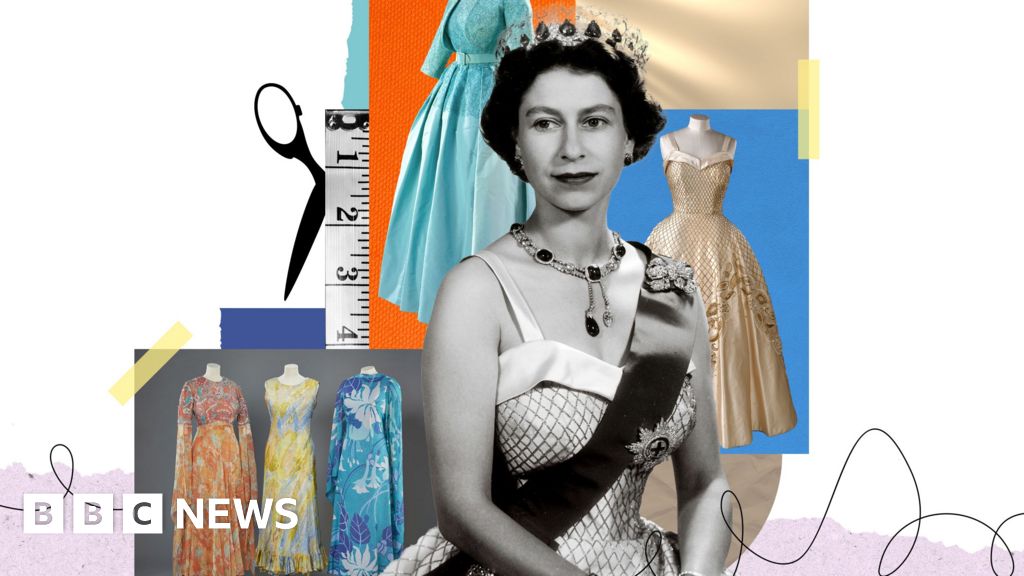
From fashion diplomacy in the United States to a famously transparent raincoat over a gleaming tiara, the late Queen’s style evolved with the times while staying instantly recognisable. What looks, at first glance, like conservative repetition was in fact a powerful formula—part brand identity, part soft power, and part personal preference.
From Young Princess to Global Icon: The Context Behind the Clothes
When Elizabeth ascended the throne in 1952, post-war Britain was still rationing clothing coupons. The idea of a monarch as a global style reference point didn’t really exist. Yet, over the next seven decades, her wardrobe became a visual timeline of changing British identity—from empire and austerity to multicultural, media-saturated modernity.
Clothing for a reigning monarch has always been political, but Elizabeth II redefined what royal dressing could do. Her outfits needed to:
- Be instantly visible to 10,000 people viewing her from far away in a crowd.
- Photograph clearly in black-and-white newsprint and later in HD television.
- Respect local cultures and customs during overseas state visits.
- Signal continuity, stability and dignity—even when the news cycle was anything but.
“I must be seen to be believed.”
That often-quoted line, attributed to the Queen, became the thesis of her entire visual strategy. The clothes were never meant to upstage the role—they were a tool to make the role legible to millions.
The Power of Colour: Why the Queen Rarely Wore Neutrals
If you think of Queen Elizabeth II, chances are you picture a block-colour coat and matching hat: neon green, sherbet yellow, fuchsia, royal blue. This wasn’t eccentricity; it was logistics. In a pre-smartphone crowd, a five-foot-four monarch had to stand out above a sea of grey coats and umbrellas.
Her longtime dressmaker Angela Kelly and couturiers like Norman Hartnell and Sir Hardy Amies understood this “human highlighter pen” effect. Colour became a way to:
- Help people say, “I saw the Queen” from 200 metres away.
- Reflect the mood of an event—sombre navy and black for remembrance, soft pastels for hospital visits.
- Avoid clashing with other royals and dignitaries, particularly brides at weddings.
Interestingly, these bright hues feel surprisingly in step with current fashion’s love of bold colour blocking. What once read as grandmotherly has been reappraised as a precursor to today’s maximalist power dressing.
Fashion Diplomacy: Dressing for the United States and Beyond
One of the most fascinating threads in the new exhibit—and in BBC coverage of it—is how intentionally the Queen dressed for foreign audiences. During state visits to the United States, for example, she leaned into subtle nods rather than costume-y nationalism.
- Washington, D.C. dinners: Gowns in soft whites and metallics that photographed elegantly under harsh flashbulbs, paired with tiaras that signalled state occasion without overwhelming the room.
- New York engagements: Sleek, unfussy coats echoing the city’s tailored aesthetic, while still anchored in her signature gloves-and-hat silhouette.
- Visits to US landmarks: Brooches and motifs with quiet references—floral emblems, colours that echoed flags or local symbols without veering into cosplay.

“Every outfit worn by the Queen was a diplomatic briefing in fabric form.”
This is where her style overlaps with modern celebrity dressing: think of how red-carpet looks at Cannes or the Met Gala are now dissected for semiotics. The difference is that the Queen’s semiotics had geopolitical stakes.
The Transparent Raincoat and Other Surprisingly Playful Moments
For someone so associated with tradition, the Queen occasionally slipped in flashes of wry humour. One of the most talked-about pieces highlighted ahead of the exhibit is a transparent raincoat—practical for the British weather, but also a witty solution to a real problem: why spend hours planning a look only to hide it under a shapeless mac?

The see-through raincoat, worn over full ceremonial dress, preserved both the pageantry and the pragmatism. It embodies the core contradiction of royal style: the need to appear above ordinary life while constantly battling its realities—rain, wind, long hours on foot.
There were other playful flourishes over the years: the much-memed lime-green “green screen” outfit at the 2016 Trooping the Colour, or the unexpectedly vivid colour blocking late in her reign that aligned her, aesthetically at least, with millennial and Gen Z fashion sensibilities.
A Carefully Crafted Uniform: Brooches, Bags and the Handbag Signal
While the colours changed, the basic silhouette rarely did: structured coat, matching hat, mid-heel shoes, gloves, pearl earrings and necklace, Launer handbag. It was, effectively, a uniform—one that became as recognisable as any corporate logo.

Within that framework, the Queen—and her dressers—played with texture, embroidery and jewellery. Brooches, in particular, carried layers of meaning. They were gifts from foreign leaders, heirlooms from previous monarchs, or subtle signals of solidarity and remembrance depending on the occasion.
Then there’s the famed “handbag code.” While often exaggerated into near-myth, it’s widely reported that moving her bag from one hand to the other could signal to aides that she was ready to wrap up a conversation—proof that even accessories became part of the working toolkit of monarchy.
“The Queen’s style is not about trend; it is about trust.”
In that sense, her wardrobe functioned more like a uniform in the military or the judiciary: reassuring in its consistency, even as the world around her shifted dramatically.
Cultural Legacy: From Crown to Catwalk and Screen
The renewed focus on these outfits, in the wake of her passing and ahead of major exhibitions, lands at an interesting cultural moment. Prestige dramas like The Crown and a cottage industry of “royalcore” Pinterest boards have brought her style to a generation that never queued for a glimpse of her in person.
Designers have riffed on her look, from Gucci’s ironic takes on ladylike dressing to runway collections that rework tweed coats and headscarves into something knowingly referential. Meanwhile, younger royals navigate a more trend-aware version of the same balancing act, often measured against the Queen’s steadiness.
Critics are divided on how radical her style truly was. Some see it as a masterclass in branding and soft power; others argue that its deeply conservative grammar mirrored an institution slow to change. Both can be true: the clothes were tools of continuity, even when the cultural conversation was demanding rupture.
Inside the New Royal Exhibit: Why These Outfits Matter Now
The upcoming exhibit spotlighted by the BBC isn’t just a nostalgia tour through favourite looks. It’s part of a broader reassessment of Elizabeth II’s long reign—one that views the wardrobe as archive. Each outfit represents a specific moment in diplomatic history, media evolution, or shifting public opinion.
Expect to see:
- Early Hartnell gowns that defined mid-century royal glamour.
- Striking block-colour coat and hat combinations from high-profile jubilees.
- Themed ensembles worn during key state visits, including to the US and Commonwealth countries.
- Weather-proofed outfits—like the transparent raincoat—that show the working reality behind the ceremony.

For contemporary audiences, especially those used to micro-trends and influencer hauls, the spectacle of near-consistent style over seventy years feels almost radical. The exhibit frames that consistency as both a professional discipline and a kind of visual contract with the public.
Beyond Iconic: What the Queen’s Wardrobe Tells Us About Power and Presence
Looking back at Queen Elizabeth II’s most iconic outfits, what stands out isn’t any single dress or tiara, but the cumulative effect of disciplined, purposeful dressing. In an era when personal style is often equated with self-expression, her clothes served almost the opposite function: they muted the individual in service of the role, while still crafting an unmistakable public image.
As the royal family moves into a new chapter, the exhibit functions as both fashion history and institutional memory. It invites a question that extends beyond Buckingham Palace: in a world saturated with images, what does it mean to dress not just to be seen, but to be believed?
