
Cody Rhodes vs. Drew McIntyre Goes to Hell: SmackDown’s Three Stages of Chaos Explained
SmackDown Recap: Three Stages of Hell for Cody Rhodes and Drew McIntyre, Plus Joe Hendry’s Big WWE Debut
WWE SmackDown wrapped up the year with the kind of sports‑entertainment chaos that makes Friday nights feel big again: Cody Rhodes and Drew McIntyre are now locked into a brutal Three Stages of Hell match for the Undisputed WWE Championship, and viral cult favorite Joe Hendry walked into his SmackDown debut and walked out with a win.
This recap unpacks how we got to One Night in Hell for Rhodes and McIntyre, what Hendry’s arrival means for WWE’s evolving roster, and why this episode quietly retooled the blue brand’s main‑event ecosystem heading into 2026.
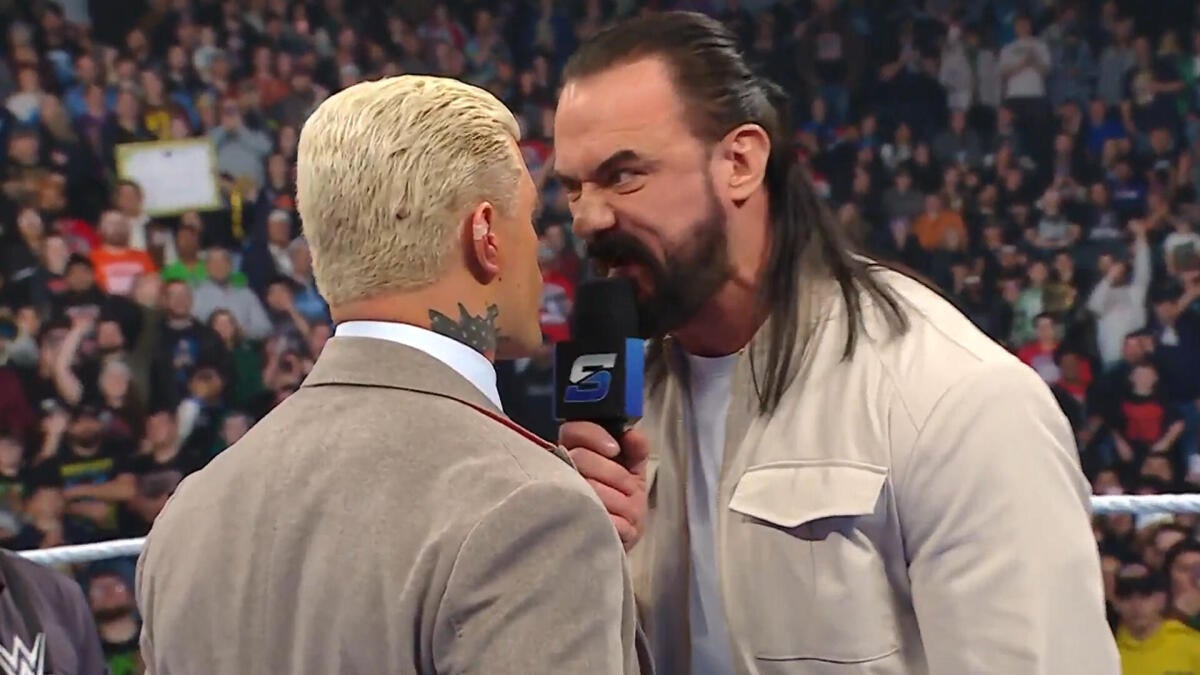
Setting the Stage: Why Cody Rhodes vs. Drew McIntyre Needed Escalation
Cody Rhodes’ Undisputed WWE Championship reign has been defined by legacy, redemption, and a steady stream of challengers who all think they deserved “his” spot. Drew McIntyre might be the most convincing of them: a pandemic‑era world champion who never got his genuine stadium coronation and has been wrestling with a chip on his shoulder ever since.
On SmackDown, that simmering resentment finally boiled over into something WWE could sell as genuinely dangerous. McIntyre and Rhodes didn’t just cut promos; they framed their feud as two men fighting over more than a belt — they’re fighting over who really carried WWE through instability and who gets to write the era‑defining chapter.
“You finished your story. I never even got to start mine properly.”
Lines like that from McIntyre hit harder than a standard heel promo. It plays directly into real‑world history: Cody’s long chase to dethrone Roman Reigns vs. Drew’s under‑appreciated pandemic run, performed in empty arenas.
Three Stages of Hell: What the Stipulation Means in WWE History
The Three Stages of Hell stipulation is essentially a best‑of‑three falls Iron Man hybrid, but with each fall contested under a different set of rules. Traditionally, the first fall is more “pure” wrestling, the second escalates violence (usually No DQ), and the third is something spectacularly destructive like a Steel Cage or Last Man Standing.
WWE doesn’t break this match type out often, which is why giving it to Rhodes vs. McIntyre is a statement. It says: this isn’t just a TV feud; it’s the kind of rivalry you build a chapter of company lore around.
- Triple H vs. Stone Cold (No Way Out 2001) – A car‑crash classic that set the tone for the stipulation’s brutality.
- Shawn Michaels vs. Triple H (Armageddon 2002) – Emotionally heavy, character‑driven violence.
- John Cena vs. Ryback (Payback 2013) – Modern PG‑era chaos with more stunt‑based spots.
Cody and Drew slot neatly into that history: both are workhorses with main‑event storytelling instincts, and both have fanbases invested in their personal narratives. The “Hell” here isn’t just weapon shots; it’s the psychological crash of two careers colliding.
How SmackDown Sold the Rhodes–McIntyre Showdown
On this SmackDown, the confrontation between Cody Rhodes and Drew McIntyre was less about cheap heat and more about framing: commentary, camera work, and pacing all served to make their announcement feel like a major sports headline, not just a wrestling angle.
- Verbal Jabs with Real‑World Anchors: References to pandemic arenas, near‑miss WrestleMania moments, and “finishing the story” gave the feud a meta edge.
- Body Language Over Brawling: The segment relied on tension and controlled aggression rather than an overbooked pull‑apart brawl, preserving physicality for the match.
- Clear Stakes: By the end, viewers knew not just what the match was, but why it had to be this violent.
“This isn’t about a title anymore, Cody. This is about proving who really deserved that spotlight in the first place.”
From a TV‑production standpoint, this is WWE leaning into what has worked since the post‑Reigns reshuffle: long‑form character arcs that nod to fan memory instead of ignoring it.
Joe Hendry’s SmackDown Debut: From Meme King to Mainstream Player
While the Three Stages of Hell announcement grabbed the headlines, Joe Hendry’s SmackDown debut may be the long‑term story that ages the best. Hendry arrives with a ready‑made cult following from his work in Impact and NXT, where his self‑aware entrance songs and “I believe in Joe Hendry” catchphrase turned ironic fandom into genuine star reaction.
On this episode, WWE wisely didn’t overcomplicate things: Hendry came in, hit the greatest‑hits beats of his persona, and backed it up with a decisive in‑ring performance that felt like the promotion planting a flag for a new mid‑to‑upper‑card attraction.

“You don’t just sing about Joe Hendry. You invest in Joe Hendry.”
What This SmackDown Means for WWE’s Title Scene and Roster Strategy
Beyond the pop of a rare stipulation and a buzzy debut, this SmackDown hinted at WWE’s broader strategy heading into the next year: a mix of prestige storytelling at the top of the card and meme‑friendly, character‑driven acts rising underneath.
Strengths of the Episode
- Coherent Main Event Narrative: The Rhodes–McIntyre program feels earned, not thrown together for a ratings blip.
- Smart Use of Rarity: Saving Three Stages of Hell for a genuinely personal feud makes the stipulation mean something.
- New Blood with Upside: Joe Hendry’s debut adds a different flavor of charisma to SmackDown’s weekly mix.
Potential Weaknesses
- Stipulation Inflation Risk: If WWE leans on big‑match gimmicks too often, even Three Stages of Hell can feel ordinary.
- Balancing Tone: Moving between deadly serious Cody–Drew segments and tongue‑in‑cheek Joe Hendry material requires careful pacing to avoid tonal whiplash.
- Card Depth: The main event is hot, but SmackDown still needs consistent narrative attention on the undercard to sustain momentum.

How It Stacks Up: Comparing This SmackDown to Past “Big Angle” Episodes
Historically, SmackDown has swung between being a pure “wrestling show” and a storyline‑heavy extension of Raw. Episodes that resonate tend to do what this one did: offer at least one historical hook (like a rare stipulation) and one fresh face shaking up the formula.
- Compared to early Brand Split SmackDown (circa 2016–2017): This episode has similar energy to the AJ Styles–John Cena era, where the world title scenes felt sporty and consequential.
- Compared to the Roman Reigns Bloodline peak: It lacks the sprawling ensemble drama but gains flexibility, allowing stars like Cody, Drew, and Hendry to define new lanes.
- Compared to middle‑of‑the‑road “go‑home” shows: The angle density is lower, but the quality of the main story is higher, which often ages better on rewatch.

Watch the Hype: Official Highlights and Promos
For a full sense of how WWE framed the Three Stages of Hell announcement and Joe Hendry’s debut, it’s worth watching the official SmackDown clips and packages, which lean heavily on cinematic editing and replay angles.
You can find the latest highlights on:
- WWE’s official YouTube channel – for segment‑by‑segment uploads and post‑show interviews.
- WWE.com SmackDown page – for match graphics, recap articles, and photo galleries.
- CBS Sports’ WWE hub – for written recaps, analysis, and updated card listings.

Final Verdict: A Hell of a Setup for 2026
As a piece of weekly TV, this SmackDown did exactly what a late‑December episode should do: it closed a chapter while making the next one feel bigger. The Three Stages of Hell match between Cody Rhodes and Drew McIntyre has the narrative heft and historical weight to headline a major premium live event, and Joe Hendry’s debut hints at WWE’s willingness to embrace internet‑era charisma without losing in‑ring credibility.
If WWE can resist the urge to overbook the stipulation and instead let Cody and Drew tell a brutal, character‑driven story across all three falls, this could be one of the defining matches of Cody’s title run — and a career‑reframing moment for McIntyre. Meanwhile, SmackDown’s undercard, buoyed by acts like Hendry, looks better positioned to keep Friday nights from feeling like a one‑feud show.
Reviewer: Entertainment Analysis Desk
Rating: 4/5 – A strong episode anchored by a rare stipulation and a promising debut, with room to grow if the undercard stories tighten up.
