
How Ironman World Champion Lucy Charles-Barclay Turned Coeliac Diagnosis into a Racing Superpower
Ironman world champion Lucy Charles-Barclay has revealed that the very pasta and bread she relied on to fuel brutal 140.6-mile race days were, in her words, “poisoning” her body. Before discovering she had coeliac disease, her classic pre-race carb-loading routine was damaging her small intestine, sabotaging both health and performance. Her journey from misdiagnosis to a fully gluten-free fueling strategy has reshaped how elite endurance athletes think about nutrition.
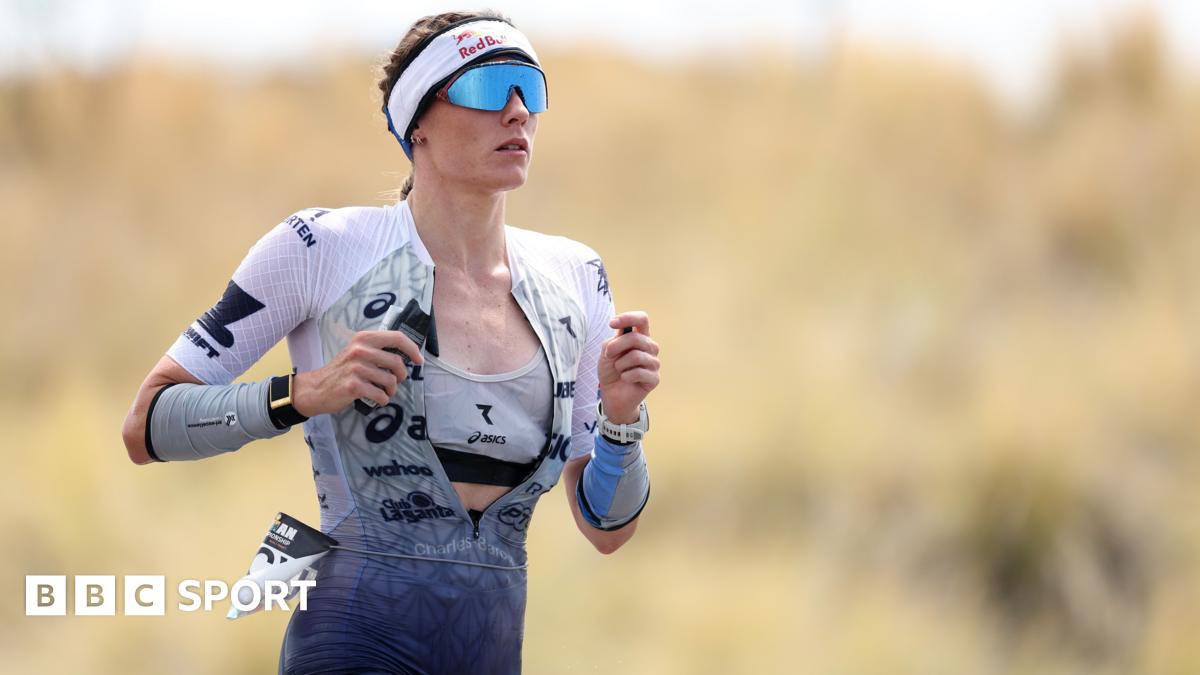
From pasta nights to pain: the road to a coeliac diagnosis
In the world of triathlon, pre-race pasta parties are almost a ritual. For Lucy Charles-Barclay, they were once standard operating procedure: three days out from race day, she would ramp up carbohydrate intake to top off glycogen stores before taking on a 3.8km swim, 180km bike, and marathon run.
But behind the scenes, those meals came with a cost—stomach discomfort, fatigue, and inconsistent race-day sensations that didn’t match her training numbers. Only later did she discover the cause: coeliac disease, an autoimmune condition where gluten triggers an immune response that damages the small intestine.
“Three days out from races, I thought I was doing everything right with carb-loading, but in reality I was just constantly upsetting my gut. Looking back, I was basically poisoning myself before I even got to the start line.”
Once diagnosed, Charles-Barclay began a strict gluten-free diet. She has said it took roughly a year for her small intestine to heal fully, a timeline consistent with medical guidance for coeliac recovery. The payoff has been dramatic: more stable energy, fewer GI issues, and the consistency befitting an Ironman world champion.
What coeliac disease does to an endurance athlete’s body
For a professional triathlete, the small intestine is prime real estate. It’s where carbohydrates, fats, and proteins are absorbed and delivered to working muscles. In coeliac disease, gluten triggers inflammation and flattens the tiny villi lining the intestine, slashing the surface area available for absorption.
- Reduced nutrient absorption can lead to low iron, B vitamins, and energy availability.
- Chronic gut irritation can cause bloating, cramps, and unpredictable bathroom stops on course.
- Recovery is impaired when the body struggles to absorb the fuel it’s given.
For most fans, the story is split times and podiums. For Charles-Barclay, the hidden battle was happening in her digestive tract every time she tucked into a standard bowl of spaghetti.
Rebuilding from the inside: Lucy’s switch to gluten-free fueling
Once the diagnosis was confirmed, Charles-Barclay and her support team overhauled her nutrition. Every stage of her Ironman fueling plan—pre-race carb-load, on-course gels, post-race recovery—was rebuilt with one non-negotiable rule: no gluten.
Sample gluten-free fueling structure for an Ironman (inspired by elite protocols):
| Phase | Typical Gluten-Based Foods | Gluten-Free Alternatives |
|---|---|---|
| 3 days pre-race carb-load | Wheat pasta, white bread, couscous | Rice pasta, potatoes, rice, gluten-free oats |
| Race-morning breakfast | Toast, bagels, cereal with gluten | GF toast, rice cakes, certified GF oats |
| On the bike | Bars with malt, mixed bakery items | GF energy gels, GF rice bars, drink mixes |
| Post-race recovery | Pizza, regular sandwiches | GF pizza bases, rice bowls, lean protein + potatoes |
Charles-Barclay has described the transition as gradual but decisive: each gluten-containing food was swapped out, and she kept a close eye on how her body responded in training blocks and races.

Performance impact: how a healed gut shows up on the results sheet
While Ironman results are never down to a single factor, the timing of Charles-Barclay’s resurgence lines up closely with her nutritional reset. Once her small intestine had time to heal—roughly a year—she began to string together more complete races, sustaining high power on the bike and closing marathons with fewer late collapses.
Key performance benefits commonly seen when coeliac disease is properly managed:
- More stable energy levels across long training days.
- Reduced GI distress during races, leading to fewer time losses.
- Improved iron and micronutrient status, supporting oxygen delivery.
- Better post-session recovery and more consistent training blocks.

Ironman demands vs. digestive reality
To understand why Charles-Barclay’s story matters, it helps to look at the raw demands of an Ironman and what that means for the gut. Across a world-championship-level race, athletes must take in huge amounts of energy while moving at high intensity in heat and humidity.
| Metric | Estimated Range | Why the Gut Matters |
|---|---|---|
| Total race time | 8–9 hours | Long exposure to high-intensity stress on digestion. |
| Carb intake per hour | 60–90g | Requires a highly trained and healthy intestine. |
| Total calories burned | 6,000–8,000 kcal | Any absorption issue quickly becomes performance-limiting. |
| Sweat loss | 3–6 L | Electrolyte balance compounds the stress on the GI tract. |
In that context, even a moderate reduction in nutrient absorption—like that caused by an inflamed, gluten-damaged small intestine—can translate into major swings in performance. Charles-Barclay’s shift to a gluten-free strategy was not a lifestyle tweak; it was a competitive necessity.

Different perspectives: is gluten-free a performance hack or medical necessity?
Charles-Barclay’s success on a gluten-free diet has inevitably fueled debate in endurance circles. Some athletes without coeliac disease have experimented with going gluten-free in the hope of marginal gains, while sports dietitians remain cautious.
“For athletes with confirmed coeliac disease, strict gluten avoidance is non-negotiable. For everyone else, the question isn’t ‘Is gluten bad?’—it’s ‘Is your overall diet meeting your energy and nutrient needs?’”
The consensus among specialists is clear:
- For coeliac athletes: a gluten-free diet is essential and can be performance-saving.
- For non-coeliac athletes: performance gains from cutting gluten alone are unproven; any benefit often comes from eating less processed food and paying closer attention to overall nutrition.
- For all endurance athletes: unexplained fatigue, chronic gut issues, or iron deficiency should trigger a conversation with a medical professional—not self-diagnosis.
Beyond the numbers: the human side of racing with coeliac disease
Away from the power meters and splits, Charles-Barclay’s story is also deeply human. Managing coeliac disease means reading every label, planning every trip around safe food options, and trusting that what’s on your plate won’t derail months of preparation.
There’s also a psychological shift. Once the cause of her symptoms was identified, she could finally align her training data with how she felt. Confidence grew—not just in her legs, but in her ability to arrive on the start line fully fueled and free from the anxiety of another mid-race gut meltdown.

What Lucy Charles-Barclay’s journey means for the future of endurance sport
Charles-Barclay’s transformation from “pasta was poisoning me” to Ironman world champion is a powerful case study in how individualized nutrition can unlock elite performance. It underscores a broader shift at the top level of sport: the days of one-size-fits-all fueling are over.
As more athletes speak openly about coeliac disease, IBS, and other gut-related challenges, teams are investing heavily in nutrition testing, personalized carb plans, and GI training protocols alongside traditional metrics like VO₂ max and lactate thresholds.
For fans and age-group athletes watching her race, the message is clear: listen to your body, respect the science, and recognize that sometimes the biggest performance gains don’t come from a lighter bike or a harder interval—they come from finally giving your body the fuel it can actually use.
As the Ironman calendar rolls on and Charles-Barclay lines up for more world-title shots, one compelling question hangs over the sport: in an era of marginal gains, how many podiums will ultimately be decided not by who trains the hardest, but by who understands their own gut the best?
For official race results and schedules, visit Ironman.com. For statistics and historical performances across triathlon, see Triathlon Data Now or the World Triathlon site.
