
How 2025’s Climate Extremes Could Reshape Bitcoin Mining, Energy Markets, and Web3 Infrastructure
Executive Summary: Climate Extremes as a New Macro Variable for Crypto
2025’s record heatwaves, floods, and energy shocks are no longer just environmental headlines—they are directly impacting the economics of bitcoin mining, data centers, and Web3 infrastructure, forcing crypto investors and builders to rethink location risk, energy sourcing, and resilience strategies.
As global attention spikes around search terms like “2025 heatwave,” “record floods,” and “energy prices 2025,” crypto markets are quietly repricing a new set of risks: grid instability, regulatory responses to climate pressure, and the rising cost of power-intensive proof-of-work (PoW) systems. At the same time, these shocks are accelerating innovation in renewable-powered mining, on-chain carbon markets, and energy-linked token models.
- Extreme weather and volatile energy prices are reshaping mining profitability, node distribution, and exchange operations.
- Jurisdictions with resilient grids and abundant renewables are emerging as strategic hubs for bitcoin and large-scale Ethereum validator operations.
- On-chain infrastructure for carbon, energy credits, and real-world assets (RWA) is maturing in parallel with climate policy debates.
- Investors need robust frameworks for evaluating climate and energy exposure across crypto assets, protocols, and infrastructure providers.
This article breaks down how 2025’s climate extremes intersect with crypto markets and offers actionable frameworks for assessing risk, designing resilient strategies, and positioning in a world where climate and energy are core macro variables for digital assets.
2025 Climate Extremes and Energy Shocks: Why Crypto Should Care
Throughout 2025, prolonged heatwaves, record-breaking floods, and wildfire-driven air quality crises have disrupted transportation, agriculture, and power systems across multiple regions. Viral social media clips of submerged streets, orange wildfire skies, and overloaded grids have turned climate risk from an abstract concern into a lived reality.
Energy markets have responded with price spikes, especially during summer demand peaks and storm-driven outages. Policy debates over decarbonization timelines, grid modernization, and climate justice are now central themes on X (Twitter), YouTube, and mainstream news.
“Climate-related risks to economic output, infrastructure, and energy systems are no longer distant—they are unfolding within current planning cycles.”
For crypto, these dynamics matter because:
- Bitcoin and other PoW networks are highly sensitive to electricity price volatility and grid reliability.
- Proof-of-stake (PoS) networks like Ethereum rely on data centers and cloud infrastructure that are exposed to heatwaves, floods, and power outages.
- Regulators are increasingly linking crypto oversight to climate and energy policy—especially around mining emissions and grid stress.
Social and Search Trends: Climate Narrative Meets Crypto Narrative
Search and social data show strong momentum around 2025’s extreme weather and energy themes. Queries like “2025 heatwave,” “record floods,” “climate tipping points,” and “energy prices 2025” have surged, and with them, interest in how these forces affect electricity-dependent sectors such as bitcoin mining and data centers.
On crypto-specific channels:
- Crypto Twitter hosts active debates on “green bitcoin,” “stranded energy mining,” and “climate-aligned DeFi.”
- YouTube analysts combine El Niño/La Niña, ocean temperature data, and gas price charts with bitcoin hash rate and miner revenue curves.
- News sites like CoinDesk and The Block feature regular coverage on climate regulation and mining migration.
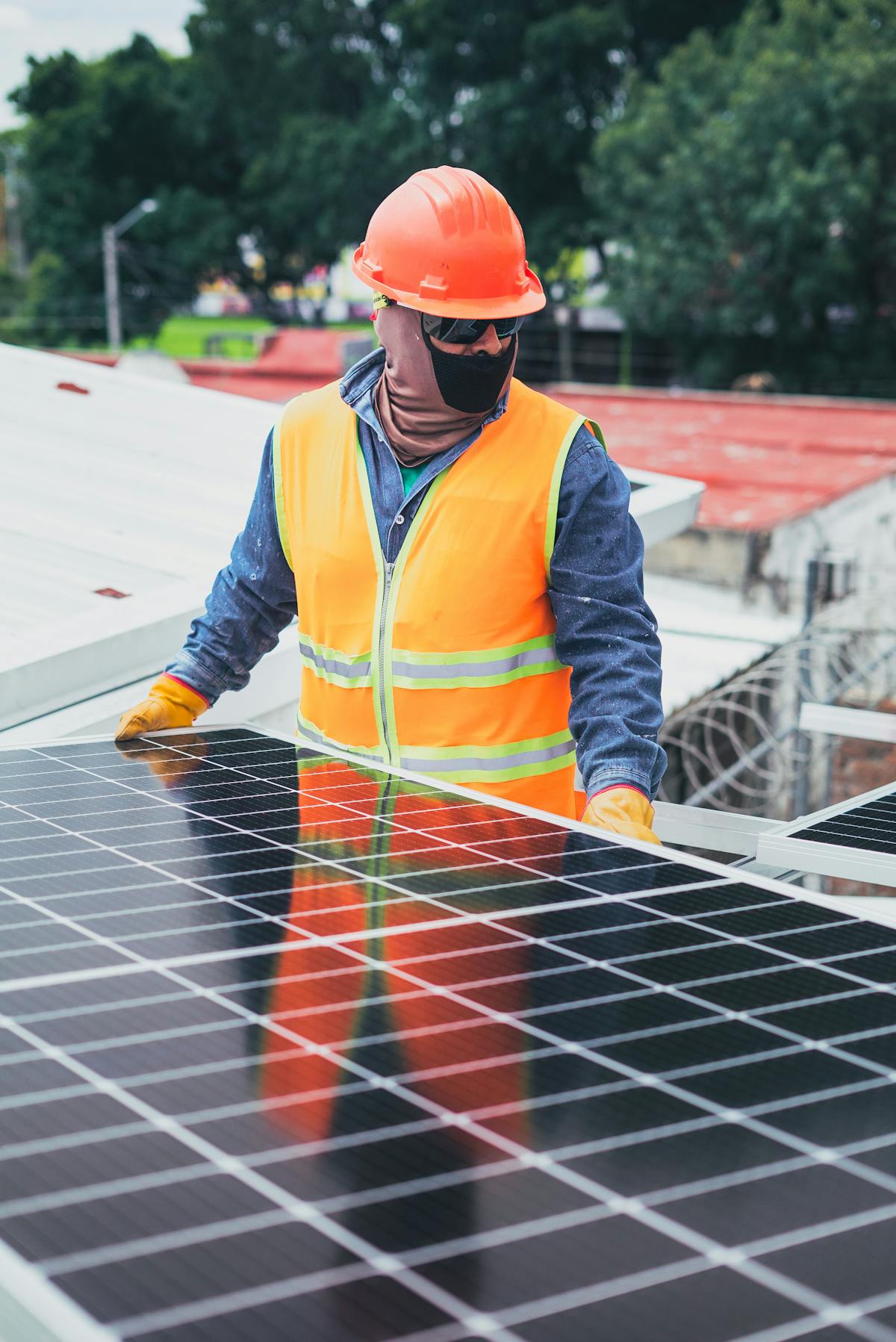
For Web3 builders and investors, this convergence suggests that climate and energy narratives will increasingly shape sentiment, policy risk, and capital allocation across the crypto stack—from physical infrastructure to L1/L2 token valuations.
Bitcoin Mining Under Climate Stress: Heat, Floods, and Grid Constraints
Bitcoin’s proof-of-work consensus secures the network by requiring miners to expend computational work—and thus electricity. In a year of climate extremes, that power demand intersects with grid stress, regulatory pressure, and changing economics.
How Heatwaves Hit Mining Economics
Heatwaves raise ambient temperatures, increase cooling costs, and reduce the efficiency of ASIC miners. Where grids are already stretched, miners can face:
- Higher time-of-use pricing during peak load hours.
- Forced curtailment agreements to free capacity for residential and critical loads.
- In extreme cases, outright shutdowns due to grid emergencies.
At the same time, extreme heat pushes residential cooling loads higher, raising political sensitivity around “non-essential” industrial demand—into which mining often falls in public debates.
Flood and Storm Risk: Physical and Operational
Floods and storms introduce:
- Physical risk to mining sites located near rivers, coastal areas, or poorly drained land.
- Supply chain risk for equipment delivery and replacement parts.
- Extended downtime risk from damaged substations, roads, or fiber connectivity.
Insurance costs and requirements are rising accordingly, altering site-selection economics.
Comparative Mining Exposure by Region (Illustrative)
While precise distributions change as mining migrates, broad regional patterns help frame exposure to climate and energy shocks.
| Region | Key Energy Profile | Primary Climate Risks (2025) | Mining Risk Assessment |
|---|---|---|---|
| North America | Mixed grid with gas, renewables, hydro, nuclear | Heatwaves, wildfires, regional storms | Moderate; strong regulation, but better grid reliability and insurance options |
| Europe | High-cost power, growing renewables | Heatwaves, river level volatility, floods | High; tight regulation and expensive power limit large-scale mining |
| Latin America | Abundant hydro and some gas | Droughts, floods, infrastructure gaps | Mixed; attractive hydro, but weather and political risk are material |
| Central Asia & Others | Coal-heavy in some areas, mixed otherwise | Cold winters, some flood/heat pockets | Varies widely; often higher regulatory and geopolitical uncertainty |
For miners and investors in mining equities or hashrate tokens, scenario analysis around climate and energy shocks is now a core part of due diligence.
Ethereum, DeFi, and Web3 Infrastructure: Beyond Proof-of-Work
While Ethereum’s transition to proof-of-stake (PoS) significantly reduced its direct energy footprint, the broader Web3 stack still depends on energy-intensive infrastructure: data centers, cloud providers, content delivery networks, and validator clusters.
Validator and Node Operations in a Hotter, Wetter World
PoS validators and full nodes typically run in:
- Commercial data centers (colocation or cloud)
- Specialized bare-metal hosting facilities
- Home or small office setups for individual stakers
Heatwaves increase cooling loads in data centers and raise the risk of localized outages. Floods and storms threaten critical connectivity and power infrastructure. Even where uptime remains high, costs for cooling, redundancy, and insurance are drifting upward.

DeFi Protocols and Real-World Climate Risk
Most DeFi protocols today are “climate-blind”: their smart contracts have no awareness of physical risks like floods, droughts, or heatwaves. Yet:
- Real-world asset (RWA) collateral, such as tokenized real estate or infrastructure, is exposed to physical climate risk.
- On-chain carbon credits and energy tokens depend on off-chain projects, whose performance can be disrupted by climate extremes.
- Stablecoin liquidity can be affected indirectly by macroeconomic shocks from climate events (e.g., food price spikes, migration pressure).
As RWA integration deepens, DeFi risk management must incorporate climate and energy data feeds into oracle design and collateral frameworks.
Climate, Energy, and Tokenomics: New On-Chain Models Emerging
2025’s climate extremes and policy debates are accelerating interest in crypto-native mechanisms for pricing and managing climate and energy risk. Three areas are particularly relevant:
- On-chain carbon markets – Tokenized carbon credits, offsets, and removals with transparent provenance and settlement.
- Energy-linked tokens – Tokens backed by power purchase agreements (PPAs), renewable energy certificates (RECs), or metered generation.
- Resilience and adaptation finance – Protocols that tokenize climate adaptation projects, from flood defenses to microgrids.
Illustrative Comparison: Climate-Linked Token Models
| Model Type | Underlying Asset | Primary Use Case | Key Risks |
|---|---|---|---|
| Tokenized Carbon Credits | Verified offsets/removals | Corporate climate targets, DeFi collateral | Double counting, low-quality credits, regulatory changes |
| Energy-Backed Tokens | PPAs, RECs, or kWh claims | Hedging power costs, financing renewables | Metering integrity, counterparty risk, local regulation |
| Adaptation Finance Tokens | Infrastructure cash flows or impact claims | Funding flood defenses, microgrids, resilience projects | Project delivery risk, complex KPIs, illiquidity |
For crypto investors, these models represent a bridge between climate finance and Web3, but due diligence must extend beyond on-chain metrics to underlying project quality, verification methods, and local policy environments.
A Practical Framework: Assessing Climate and Energy Risk in Crypto Portfolios
To move from headlines to action, investors and builders need systematic ways to evaluate climate and energy exposure. The following framework is designed for both institutional allocators and advanced individual investors.
1. Map Direct and Indirect Energy Dependence
- Layer-1s: Distinguish between PoW (e.g., bitcoin) and PoS (e.g., Ethereum, Solana). Estimate sensitivity to power costs and hash/validator concentration.
- Infrastructure plays: Identify holdings in mining companies, data-center-dependent tokens, or protocols heavily reliant on specific cloud providers.
- DeFi and CeFi: Consider centralized exchange (CEX) exposures, as outages from climate events can affect trading, liquidity, and derivatives settlement.
2. Analyze Geographic Concentration
Location risk is now climate risk. For each significant exposure:
- Identify major operating regions (mining sites, validator clusters, data centers).
- Overlay climate hazards: heatwaves, floods, storms, wildfire, sea-level rise.
- Overlay policy hazards: mining bans, power rationing, emissions regulations.

3. Evaluate Resilience and Redundancy
- For miners: Diverse energy sources, flexible load agreements, robust insurance coverage, and multi-region operations.
- For validators and data centers: Multi-region failover, backup power, redundant connectivity, clear disaster recovery plans.
- For protocols: Decentralized node distribution, multiple client implementations, and robust oracle design.
4. Integrate Climate-Related Disclosures
As regulators push for more climate-related financial disclosures, expect:
Key Risks, Constraints, and Misconceptions
Climate and energy considerations introduce additional complexity to already volatile crypto markets. Several risks and misconceptions deserve attention.
- Over-simplified narratives: Labeling bitcoin as “bad” and Ethereum as “good” for the climate misses nuance around energy sourcing, grid balancing, and proof-of-work’s role in monetizing stranded renewables.
- Data uncertainty: Estimates of mining energy mix and emissions often rely on partial or lagging data. Treat specific figures with caution and focus on ranges and trends.
- Regulatory whiplash: Sudden policy moves—such as regional mining bans or targeted energy tariffs—can rapidly change project economics.
- Greenwashing risk: Some “green” mining or climate-token projects overstate impact. Scrutinize verification, third-party audits, and actual energy or emissions data.
- Correlation with macro risk: Climate shocks can trigger broader macro volatility (food prices, migration, political instability), which in turn affects crypto liquidity and risk appetite.
None of these risks imply that climate-aligned crypto innovation is futile. They do mean that investors should emphasize robust governance, transparent reporting, and conservative assumptions over marketing narratives.
Actionable Strategies for Investors, Traders, and Builders
Within a non-speculative, risk-managed framework, there are several practical ways to adapt to 2025’s climate and energy realities.
For Long-Term Crypto Investors
- Diversify consensus exposure: Balance holdings between PoW and PoS assets to reduce reliance on any single energy or policy regime.
- Prioritize resilient infrastructure partners: When using custodians, staking providers, or miners, favor those with documented resilience and climate strategies.
- Integrate climate metrics into thesis: Treat energy mix, geographic distribution, and regulatory posture as part of fundamental analysis alongside tokenomics and developer activity.
For Active Traders
- Monitor climate and energy newsflow: Extreme weather and grid stress can trigger short-term dislocations in mining stocks, hashrate derivatives, and regionally exposed tokens.
- Watch mining and validator metrics: Sudden drops in hash rate, rising transaction fees, or unusual validator behavior can signal localized stress.
- Manage liquidity and venue risk: During major climate events, be cautious with leverage and counterparty exposure on exchanges in affected regions.
For Builders and Protocol Designers
- Design for resilience: Encourage client diversity, geographic node dispersion, and multi-region cloud strategies from day one.
- Integrate climate data via oracles: For RWA, insurance, or climate-linked protocols, use high-quality oracles and transparent methodologies.
- Align incentives with real impact: Ensure that tokenomics for carbon, energy, or adaptation projects are tied to verifiable, measurable outcomes—not just speculative trading volume.

Outlook: Crypto in an Age of Climate Volatility
Year-end reflection in 2025 has a clear theme: “something is different now.” Weather patterns, energy bills, and policy debates are converging into a new macro backdrop for all risk assets, including bitcoin, ethereum, DeFi tokens, and Web3 infrastructure plays.
For crypto, the key question is not whether climate and energy risks exist—they clearly do—but how well different projects, protocols, and business models can adapt. Those that treat climate and energy as first-class design constraints rather than afterthoughts are more likely to attract long-term capital and regulatory goodwill.
Going forward, expect:
- More granular disclosure of mining energy mix, emissions, and grid-impact data.
- Growing institutional demand for climate-aligned crypto exposure and infrastructure.
- Regulatory frameworks that link crypto oversight with broader decarbonization and resilience goals.
- Deeper integration of real-world climate and energy data into DeFi, RWA, and on-chain risk management.
The investors and builders who develop rigorous frameworks for these dynamics now will be better positioned not just to manage risk, but to shape the next generation of climate-resilient, energy-aware crypto systems.
Further reading:
- International Energy Agency (IEA) – Global electricity and renewable energy reports
- CoinDesk – Bitcoin Mining Coverage
- IPCC Reports – Climate science and risk assessments
- DeFiLlama – On-chain DeFi metrics and protocol data
