
High-Satiety Eating: Protein, Fiber & Flavor-Packed Recipes for Lasting Fullness
High‑protein, high‑fiber “satiety diets” are having a real moment—and honestly, it’s refreshing. Instead of counting every gram of carbs or living in fear of your favorite foods, this approach asks a simpler question: how full and satisfied does this meal make you feel per calorie? With smart use of protein, fiber, and minimally processed ingredients, you can build plates that are generous, colorful, and deeply satisfying—without that constant gnawing hunger that derails so many weight‑loss attempts.
Below, you’ll find a friendly, evidence‑informed guide to satiety‑focused eating plus a cozy, high‑protein, high‑fiber Hearty Lentil & Chicken Veggie Stew recipe—perfect for batch cooking, GLP‑1 users mindful of protein, or anyone who wants to feel pleasantly full while supporting weight management.
What Is a High-Satiety Diet?
A high‑satiety diet centers on foods that deliver more fullness for fewer calories. Instead of rigid rules, it leans on a few powerful levers:
- Protein at every meal to stabilize blood sugar, protect muscle, and reduce cravings.
- Fiber for volume and gut health so meals feel big, hearty, and slow to digest.
- Low energy density—think soups, stews, salads, and stir‑fries loaded with vegetables and lean protein.
- Fewer ultra‑processed foods, not banned, but enjoyed with awareness so they don’t crowd out more filling choices.
On social media, you’ll see this packaged as “high‑satiety meal plans,” “volumetrics‑style bowls,” or “protein + fiber hacks,” often with eye‑opening comparisons: the same calories as a tiny pile of snacks versus a huge, colorful plate of vegetables, lean protein, and whole grains.
The goal isn’t to eat less food—it’s to eat more satisfying food, so your appetite naturally calms down.
Why Satiety Diets Are Trending Now
This wave of satiety‑focused eating is woven into a few big conversations: GLP‑1 medications like Ozempic and Wegovy, the backlash against extreme restriction, and the rise of longevity‑focused, high‑protein, plant‑forward diets.
People on GLP‑1 medications are frequently advised to prioritize protein and fiber to prevent muscle loss and support digestion. At the same time, doctors and researchers on podcasts and TikTok are highlighting how higher protein, more plants, and lower energy‑density meals can support sustainable weight management and metabolic health.
Unlike strict keto or long fasting windows, satiety diets tend to be:
- Flexible – no entire food group is permanently off‑limits.
- Evidence‑aligned – research supports higher protein, higher fiber, and lower energy density for weight‑loss success.
- Visually compelling – “before/after plate” photos vividly show how far your calories can go.
There are critics, of course. Some worry that “satiety score” graphics can oversimplify nutrition or trigger new food fears. But overall, the movement nudges people toward minimally processed, nutrient‑dense patterns that feel more like living than dieting.
Recipe: Hearty High‑Protein Lentil & Chicken Satiety Stew
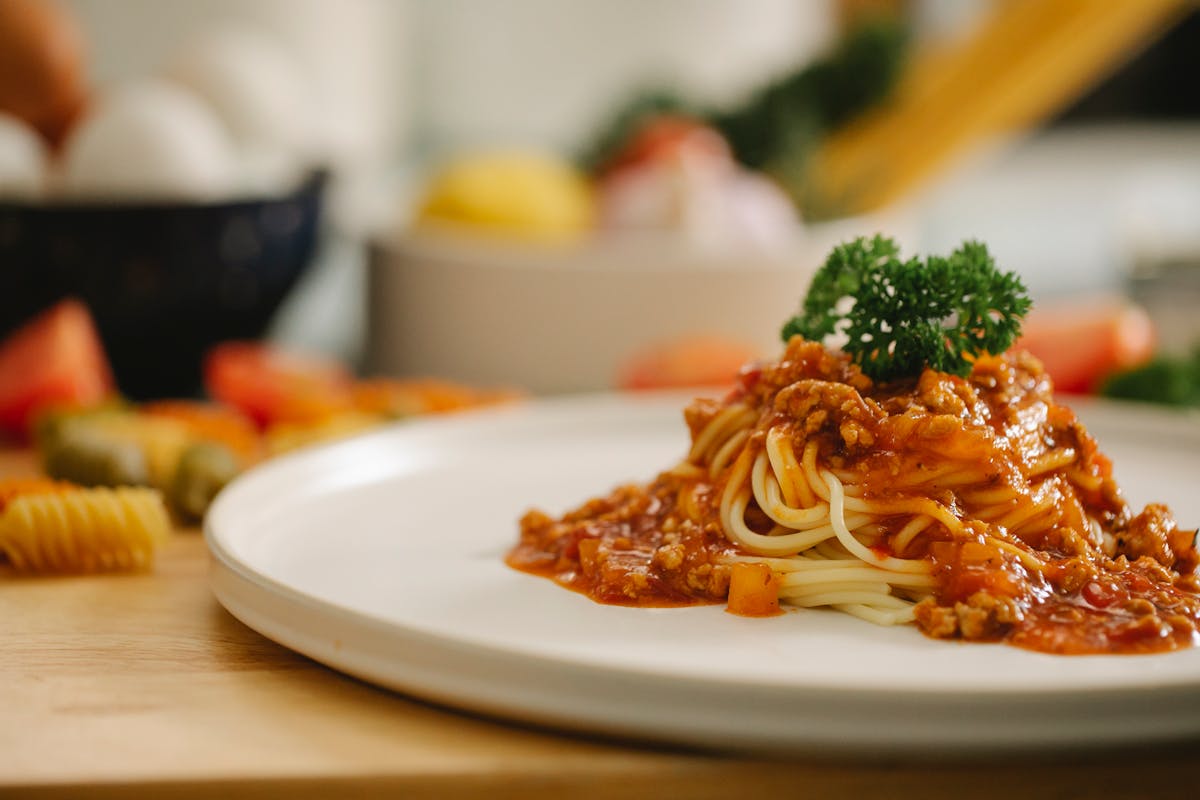
This cozy stew is a satiety superstar: lean chicken for protein, lentils and vegetables for fiber and volume, and a broth base that keeps energy density low while still delivering spoon‑hugging comfort. It’s perfect for weight‑conscious meal prep, a nourishing option for GLP‑1 users, and a deeply satisfying bowl for chilly evenings.

Equipment You’ll Need
- Large heavy‑bottomed pot or Dutch oven (5–6 quarts)
- Cutting board and sharp chef’s knife
- Measuring cups and spoons
- Wooden spoon or heat‑safe spatula
- Ladle for serving
- Optional: fine mesh strainer (for rinsing lentils)
Ingredients (High-Protein, High-Fiber Focus)
For the stew:
- 2 teaspoons olive oil (or avocado oil)
- 1 large yellow onion, finely diced
- 3 medium carrots, sliced into coins
- 2 celery stalks, chopped
- 3 cloves garlic, minced
- 1 red bell pepper, diced
- 1 cup (about 200 g) dry green or brown lentils, rinsed
- 1 pound (450 g) boneless, skinless chicken breast or thighs, cut into bite‑size pieces
- 6 cups (1.4 L) low‑sodium chicken or vegetable broth
- 1 can (14.5 oz / 400 g) diced tomatoes, with juices
- 2 teaspoons smoked paprika
- 1 teaspoon ground cumin
- 1 teaspoon dried thyme or Italian seasoning
- 1 bay leaf
- Salt and freshly ground black pepper, to taste
- 2 cups chopped leafy greens (kale, spinach, or Swiss chard, packed)
- Juice of 1/2 lemon (optional, for brightness)
For serving (optional but delicious):
- Fresh parsley or cilantro, chopped
- Plain Greek yogurt or skyr (adds extra protein and creaminess)
- A spoonful of cooked barley, quinoa, or brown rice for extra fiber (optional if you want more carbs)
Step-by-Step Cooking Instructions

- Prep your ingredients.
Dice the onion, slice the carrots, chop the celery, and dice the bell pepper. Mince the garlic. Rinse the lentils in a fine mesh strainer and pick out any debris. Cut the chicken into bite‑size pieces and pat dry with a paper towel for better browning. - Sauté the aromatics.
Heat the olive oil in your pot over medium heat. Add onion, carrots, and celery with a small pinch of salt. Cook, stirring occasionally, until the vegetables begin to soften and the onion turns translucent, about 5–7 minutes. - Add garlic and bell pepper.
Stir in the garlic and diced bell pepper. Cook for 1–2 minutes, just until fragrant. Avoid browning the garlic to keep it sweet rather than bitter. - Brown the chicken.
Push the vegetables to the sides of the pot, increase heat to medium‑high, and add the chicken pieces to the center. Season with salt and pepper. Sear for 3–4 minutes, stirring once or twice, until the outside is opaque. The chicken does not need to be fully cooked through yet. - Layer in spices and lentils.
Sprinkle in smoked paprika, cumin, thyme (or Italian seasoning), and the bay leaf. Stir to coat the chicken and vegetables, toasting the spices for about 30 seconds. Add the rinsed lentils and stir again so they’re evenly distributed. - Add liquids and simmer.
Pour in the broth and canned tomatoes with their juices. Stir well, scraping up any browned bits from the bottom of the pot. Bring to a gentle boil, then reduce heat to low, cover partially, and simmer for 25–30 minutes, or until the lentils are tender and the chicken is cooked through. - Finish with greens and lemon.
Stir in the chopped leafy greens. Simmer uncovered for another 5 minutes, until the greens are wilted and tender but still vibrant. Taste and adjust seasoning with additional salt, pepper, and a squeeze of lemon juice if you like a bright finish. - Serve with satiety‑boosting toppings.
Ladle the stew into bowls. Top with chopped fresh herbs and, if desired, a spoonful of Greek yogurt. For extra fiber and staying power, you can add a small scoop of barley, quinoa, or brown rice, especially if you’re very active or need more carbs.


How This Recipe Fits a Satiety Diet
Every component of this stew is chosen with fullness and nourishment in mind:
- Protein: Chicken plus lentils deliver a powerful one‑two punch, helping maintain lean muscle and curb cravings.
- Fiber: Lentils, vegetables, and leafy greens offer substantial fiber for gut health and slow digestion.
- Low energy density: A broth‑based dish with loads of vegetables provides a high volume of food for relatively few calories.
- Minimally processed: Mostly whole ingredients, with canned tomatoes as a convenient, nutrient‑dense addition.
The result is a meal that feels generous in the bowl, warm and savory on the tongue, and pleasantly filling for hours—exactly what a satiety‑focused approach aims to deliver.
Smart Substitutions & Variations
Use these ideas to tailor the stew to your preferences and dietary needs without sacrificing satiety.
- Swap the protein: Use turkey breast, extra‑lean ground turkey (browned first), or firm tofu/tempeh for a plant‑forward version.
- Change the legumes: Replace lentils with canned beans (like cannellini or black beans). Add them halfway through cooking since they’re already tender.
- Boost veggies: Stir in zucchini, green beans, or frozen peas in the last 5–10 minutes for even more fiber and volume.
- Spice route: Add chili flakes or a dash of harissa for heat; incorporate curry powder and a touch of coconut milk for a different flavor profile (note: coconut milk increases calories and energy density).
- Higher‑carb athletes’ version: Serve over a larger portion of whole grains or add diced potatoes to the stew for extra energy.
Storage, Freezing & Reheating
This stew is a meal‑prep dream: flavors deepen over time, and it reheats beautifully.
- Fridge: Cool completely, then store in airtight containers for up to 4 days.
- Freezer: Portion into freezer‑safe containers, leaving a bit of headspace. Freeze for up to 3 months. Label with the date.
- Reheating (stovetop): Warm gently over medium‑low heat, stirring occasionally. Add a splash of broth or water if it has thickened too much.
- Reheating (microwave): Heat in 60–90 second bursts, stirring between intervals for even warming. Let it sit for a minute before eating to avoid hot spots.
For continued appetite control, pair reheated portions with a side salad or steamed vegetables rather than breads or crackers if you’re trying to lower calorie density.
Serving Suggestions & Complementary Dishes
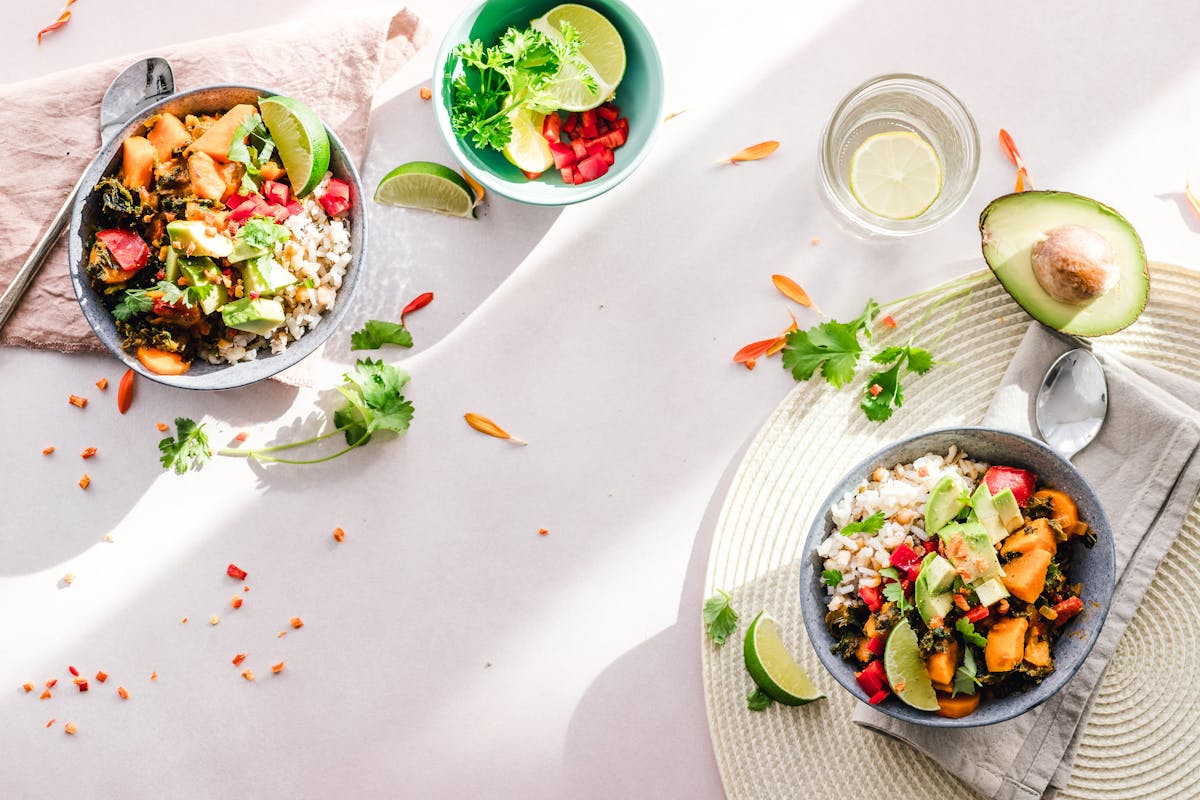
To build a fully rounded, high‑satiety meal plan around this stew, try pairing it with:
- Crunchy side salad: Mixed greens, cucumbers, cherry tomatoes, and a light vinaigrette to add freshness and more fiber.
- Protein‑boosted yogurt cup: Plain Greek yogurt with a few berries and chia seeds for extra protein and fiber as a dessert or snack.
- Roasted vegetable tray: Roast broccoli, cauliflower, and Brussels sprouts with just a bit of olive oil and salt for another low‑energy‑density side.
- Hydrating beverages: Water, sparkling water, or unsweetened herbal tea help with fullness and mindful eating without extra calories.
Think of this stew as your anchor—a reliable, filling centerpiece you can customize with lighter, plant‑forward sides depending on your appetite and goals.
Practical Satiety Diet Tips for Everyday Life
Whether you’re just starting to shift toward a satiety‑focused approach or already experimenting with high‑protein, high‑fiber plates, these simple habits can help:
- Anchor every meal with a clear protein source (chicken, fish, tofu, beans, eggs, or Greek yogurt).
- Fill half your plate with vegetables—raw, roasted, steamed, or in soups and stews.
- Prefer intact whole grains like oats, barley, quinoa, and brown rice over refined versions.
- Keep ultra‑processed treats optional rather than automatic; savor them mindfully when you choose them.
- Eat slowly so your natural fullness signals (including GLP‑1 and other hormones) have time to show up.
Most importantly, allow this style of eating to be kind and flexible. A high‑satiety framework works best when it supports your life, your culture, and your joy in food—not when it becomes another rigid rulebook.
Recipe Structured Data (Schema.org)
The following JSON‑LD describes this recipe for search engines:
