
Ozempic Diets Decoded: What to Eat on GLP‑1 Drugs Without Losing the Joy of Food
Ozempic, Wegovy & the Rise of “Ozempic Diets”: How GLP‑1 Weight‑Loss Drugs Are Changing the Way We Eat
Ozempic and Wegovy have leapt from endocrinology clinics into everyday food conversations, social feeds, and dinner tables. These GLP‑1 weight‑loss injections don’t just shrink appetites—they quietly rewrite your relationship with food, from what sounds appetizing to how much you can comfortably eat, and even how long a simple meal lingers in your stomach.
If you’re on a GLP‑1 agonist or supporting someone who is, you might be wondering: What should I actually eat? How do you stay nourished when you’re just not that hungry, or when greasy favorites suddenly make you queasy? Let’s walk through what’s happening in your body, how “Ozempic diets” exploded online, and how to build a satisfying, sustainable way of eating that still celebrates food.
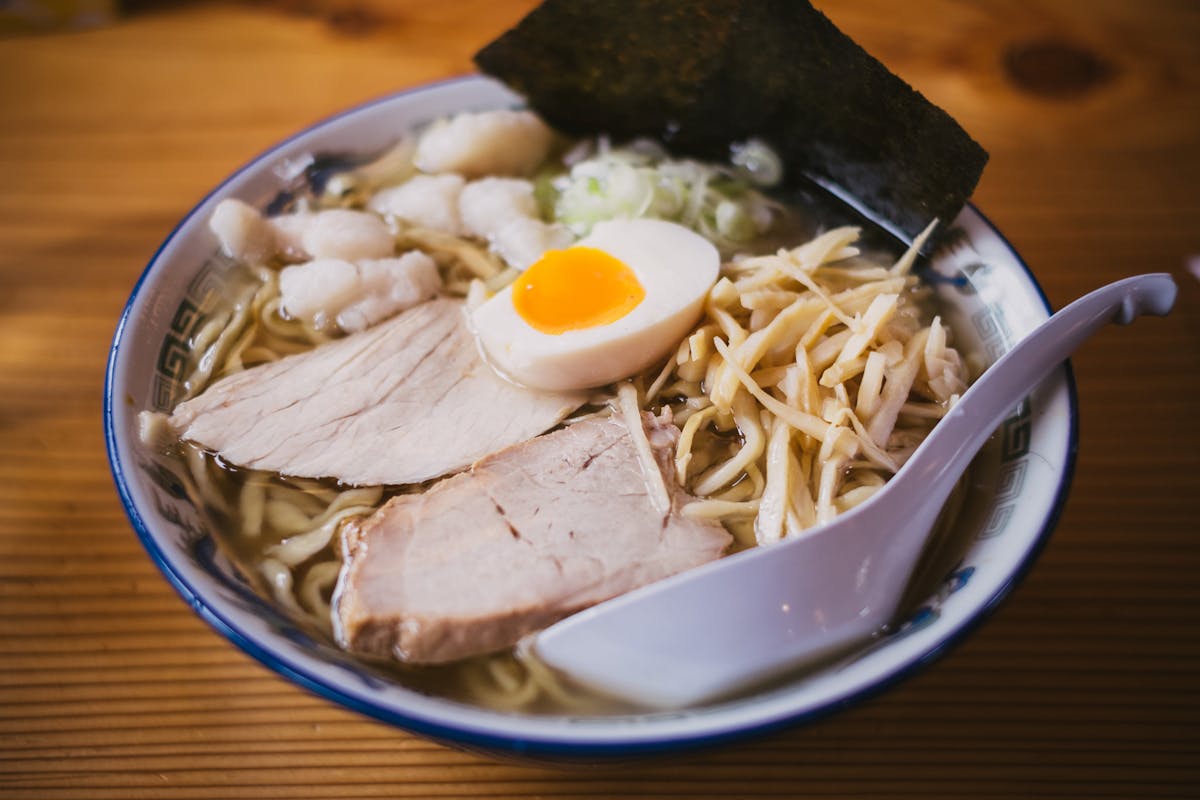
What Ozempic & Wegovy Actually Do in Your Body
GLP‑1 agonists like Ozempic (semaglutide) and Wegovy mimic a naturally occurring hormone called glucagon-like peptide‑1. This hormone has several powerful effects that change how you experience food:
- Appetite reduction: signals to the brain that you’re satisfied sooner, so hunger fades and portions naturally shrink.
- Slower gastric emptying: food leaves the stomach more slowly, so you feel pleasantly (or sometimes uncomfortably) full for longer.
- Improved blood sugar control: smoother post-meal blood-sugar curves, especially important for people with type 2 diabetes.
For many, that translates into dramatic weight loss. But it can also bring less pleasant companions: nausea, reflux, constipation, or sudden aversion to high‑fat, fried, or heavily processed foods.
“It was like someone quietly turned down the volume on my appetite. A burger and fries that once felt comforting suddenly felt… too much. Soups, yogurt, and soft veggies became my new safe zone.”
That “new safe zone” is where most Ozempic‑friendly nutrition advice lives: gentle cooking methods, moderate fat, and smaller, more frequent meals that work with your changed digestion instead of fighting it.
The Rise of “Ozempic Diet” Content on TikTok & YouTube
Type “what I eat on Ozempic” into TikTok or YouTube and you’ll see an endless stream of:
- Day-in-the-life vlogs with tiny portions and long stretches without hunger.
- Before-and-after photos highlighting dramatic weight-loss transformations.
- Grocery hauls featuring low‑fat yogurts, protein drinks, soft fruits, and precooked chicken.
- “GLP‑1 friendly recipes” that emphasize soups, stews, smoothies, and easily digested meals.
Creators talk about suddenly disliking fast food, getting heartburn from greasy takeout, or feeling stuffed after just a few bites. Many reach for:
silky soups, tender fish, creamy Greek yogurt, and gently cooked vegetables—foods that sit softly in the stomach and still deliver protein, fiber, and flavor.
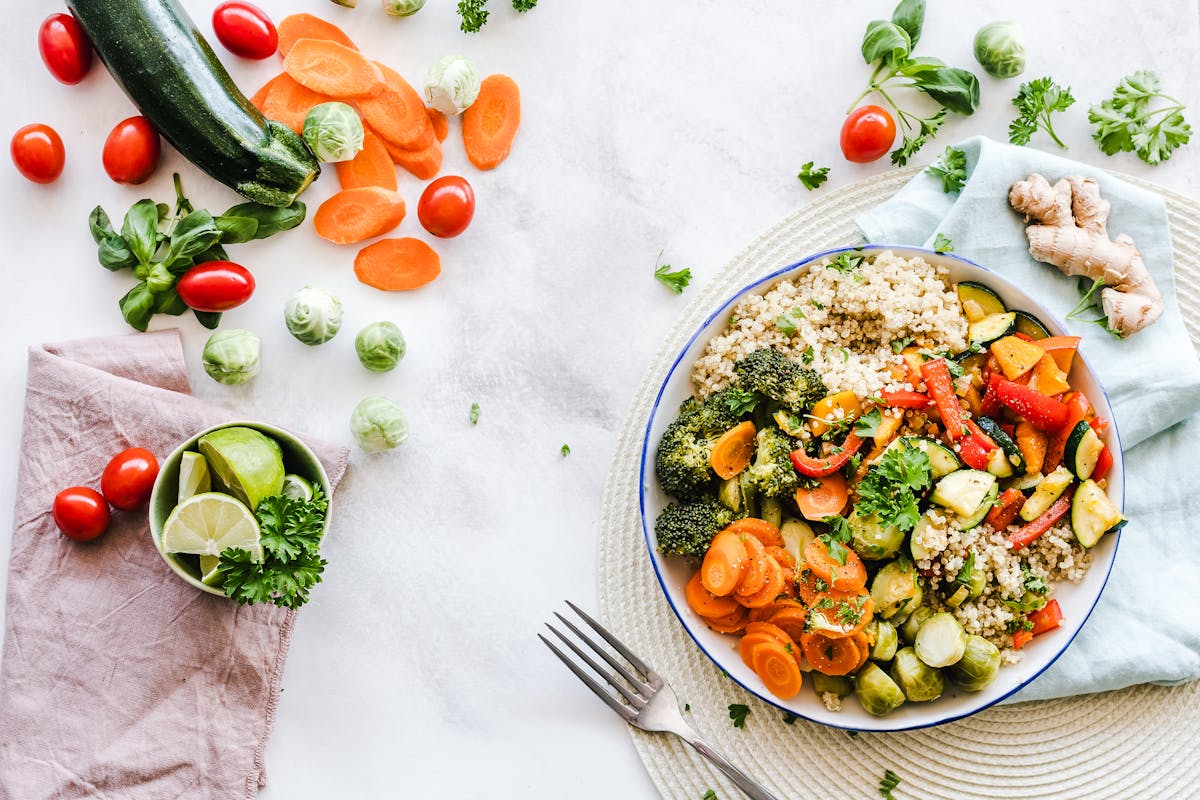
Evidence-Based Nutrition Priorities on GLP‑1 Medications
Registered dietitians and physicians tend to agree on four main nutrition goals for people using Ozempic, Wegovy, and similar GLP‑1 drugs:
- Prioritize protein to protect muscle
Rapid weight loss can take muscle with it. To help preserve lean mass, many experts suggest aiming for about 1.2–1.6 g of protein per kilogram of body weight per day, spread across meals and snacks.
GLP‑1-friendly protein ideas:- Soft scrambled eggs or egg bites
- Greek yogurt or skyr (plain, topped with soft fruit)
- Silken or firm tofu in soups or stir-fries
- Baked or poached fish, shredded chicken, or turkey
- Lentil or bean soups, hummus, and smooth bean dips
- Keep fiber and micronutrients in the picture
Because digestion slows, constipation can become a real issue. Gentle fiber from:- Cooked vegetables (carrots, zucchini, spinach)
- Soft fruits (berries, ripe pears, bananas, stewed apples)
- Oats, quinoa, barley, and other whole grains
- Beans and lentils in soups or purees
- Manage side effects with meal structure
Many people find relief from nausea, reflux, and bloating by:- Eating smaller, more frequent meals instead of big plates.
- Limiting very fatty, fried, or greasy foods which linger longer in the stomach.
- Sipping water throughout the day rather than chugging large amounts with meals.
- Eating slowly and stopping at the first sign of comfortable fullness.
- Think beyond the injection: long-term habits
Once GLP‑1 meds are reduced or stopped, appetite usually returns. Without solid habits in place, weight regain is common. Building:- regular meal patterns,
- a mix of resistance and strength training, and
- an eating style rooted in whole foods rather than ultra-processed “diet” products
Ozempic, Willpower & Diet Culture: A New Narrative
GLP‑1 medications have cracked open long-standing myths about weight, willpower, and morality. Many people living with obesity describe finally feeling their biology “unlocked,” as if fighting hunger all day has been replaced with a quiet, livable calm around food.
At the same time, there are real concerns:
- Overuse for cosmetic weight loss in people without medical indications.
- Reinforcement of thin-ideal beauty standards, especially in celebrity culture.
- Marketing of ultra-processed “GLP‑1 diet foods”—hyperpalatable bars, shakes, and frozen meals—over simple, whole-food options.
Culturally, Ozempic has become a symbol: for some, a long-awaited medical tool; for others, a worrying shortcut that deepens unrealistic body expectations. Wherever you land, it’s worth remembering that:
Your worth is not defined by your weight, your prescription list, or what fits on your plate. Food can be a source of care and pleasure, even in the middle of medical treatment.
How to Eat Well on Ozempic or Wegovy: A Gentle, Nourishing Pattern
Think of an “Ozempic-friendly” way of eating not as a rigid diet, but as a comfort-focused framework that supports your body’s new rhythm. Here’s one example of a day built around protein, fiber, and digestive comfort.
Sample Gentle Meal Pattern
- Breakfast (or first meal, if you’re not hungry early):
Greek yogurt with soft berries and a spoonful of oats, or a small veggie omelet and a slice of whole-grain toast. - Midday snack (if needed):
A small protein shake, a boiled egg, or a handful of edamame. - Lunch:
Lentil or chicken soup with soft vegetables, plus a small portion of quinoa or brown rice. - Afternoon bite:
Hummus with soft pita or cucumber slices, or cottage cheese with fruit. - Dinner:
Baked salmon or tofu, mashed sweet potato, and steamed zucchini or carrots. - Evening (if still slightly hungry):
A cup of warm milk or fortified plant milk, or a small piece of fruit.
Comforting GLP‑1-Friendly Recipe: Creamy Protein-Packed Chicken & Veggie Soup
This soothing, high‑protein soup is designed with Ozempic and Wegovy users in mind: soft textures, lean protein, cooked vegetables, and gentle seasoning. It’s cozy enough for a queasy day, but satisfying and bright enough to enjoy when you’re feeling great too.

Quick Recipe Summary
Ingredients (4 Servings)
- 1 tablespoon olive oil or avocado oil
- 1 small onion, finely diced
- 2 medium carrots, peeled and thinly sliced
- 2 celery stalks, thinly sliced
- 2 cloves garlic, minced (optional if your stomach is sensitive)
- 1 teaspoon dried thyme or 2 teaspoons fresh thyme leaves
- 1/2 teaspoon dried oregano
- 1/2 teaspoon salt, plus more to taste
- 1/4 teaspoon black pepper (or to taste, you can omit if reflux is an issue)
- 5 cups low-sodium chicken broth
- 1 cup water
- 1 lb (about 450 g) boneless, skinless chicken breasts or thighs
- 1/2 cup quick-cooking oats or 3/4 cup cooked brown rice
- 1 cup frozen peas or chopped green beans
- 3/4 cup plain Greek yogurt (2% or low‑fat; lactose-free if needed)
- 2 tablespoons chopped fresh parsley or chives (optional)
- Lemon wedges for serving (optional)
Equipment Needed
- Large soup pot or Dutch oven
- Cutting board and sharp knife
- Wooden spoon or heatproof spatula
- Measuring cups and spoons
- Two forks for shredding chicken
- Small bowl and whisk (for tempering the yogurt)
Step-by-Step Instructions
- Sweat the vegetables.
Warm the oil in your pot over medium heat. Add the onion, carrots, and celery. Cook for 5–7 minutes, stirring occasionally, until the vegetables soften and smell sweet but are not browned. - Add aromatics.
Stir in the garlic (if using), thyme, oregano, salt, and pepper. Cook for about 1 minute, just until fragrant. This builds a gentle flavor base without harsh spices. - Simmer the chicken.
Pour in the chicken broth and water. Gently place the chicken breasts or thighs into the pot. Bring everything to a soft boil, then reduce to low, cover, and simmer for 15–20 minutes, until the chicken is cooked through and tender. - Shred the chicken.
Transfer the cooked chicken to a plate. Using two forks, shred it into small, bite-sized pieces that are easy to chew and digest. - Enrich with gentle grains.
If you’re using quick oats, stir them into the simmering soup now and cook for 3–5 minutes until soft and slightly creamy. If you’re using cooked brown rice, add it and warm through for a couple of minutes. - Add peas or green beans.
Return the shredded chicken to the pot. Stir in the peas or green beans and cook for another 3–4 minutes, until they’re bright and tender. - Make it creamy (without curdling).
Turn off the heat. In a small bowl, whisk the Greek yogurt until smooth. Add a ladleful of hot soup to the yogurt and whisk again—this “tempers” the yogurt. Then slowly stir the yogurt mixture back into the pot. The soup should become silky and pale without splitting. - Taste and serve.
Taste and adjust seasoning with more salt and pepper if needed. Sprinkle with fresh parsley or chives if you like. Ladle into bowls and, if tolerated, finish with a gentle squeeze of lemon for brightness.

Ingredient Swaps, Dietary Adaptations & Storage
Dietary Adaptations
- For a vegetarian / meat-free version: Replace chicken with a can of rinsed white beans plus cubed firm tofu. Use vegetable broth instead of chicken broth.
- For a dairy-free version: Use unsweetened, plain soy or oat yogurt instead of Greek yogurt, or skip the yogurt and stir in a splash of canned light coconut milk (if you tolerate a bit of fat).
- For gluten-free needs: The recipe is naturally gluten-free if you use certified gluten-free oats or swap oats for brown rice or quinoa.
- For lower fat sensitivity days: Use cooking spray instead of oil when softening vegetables and reduce or omit the yogurt, adding extra broth for desired consistency.
Storage & Reheating
- Refrigerator: Store in an airtight container for up to 3–4 days.
- Freezer: Freeze in single-serve containers for up to 2–3 months. Thaw overnight in the fridge before reheating.
- Reheating: Warm gently over low to medium-low heat on the stove, stirring often. Avoid boiling if the soup contains yogurt to prevent curdling.
Serving Suggestions & What to Eat Alongside GLP‑1-Friendly Meals
Because your appetite may be smaller, each bite matters. Pair this soup—and similar gentle meals—with sides and add-ons that earn their place on the plate:
- A small slice of whole-grain bread with a thin smear of nut butter or soft cheese.
- Soft fruit: sliced ripe pear, banana, or stewed apples with a sprinkle of cinnamon.
- Simple salads made with tender greens, peeled cucumber, and a light vinaigrette (if raw veg is comfortable for you).
- Protein-forward sides: a boiled egg, a few slices of baked tofu, or a spoonful of hummus.
On days when you feel more robust, you might add:
- A slightly larger portion of grains.
- A side of roasted vegetables brushed with a bit of olive oil.
- A yogurt parfait with fruit and a sprinkle of nuts or seeds.
The goal is flexible structure: a gentle backbone of protein and fiber that can dial up or down depending on your hunger and how your stomach feels that day.
Final Thoughts: Keeping Food Joyful on an Ozempic or Wegovy Journey
GLP‑1 medications may change how much you eat, how hungry you feel, and which foods sit comfortably—but they don’t have to erase the pleasure of a warm bowl of soup, a perfectly ripe peach, or a cozy, home-cooked dinner.
Ground yourself in:
- Protein for strength,
- fiber for gut health,
- gentle cooking methods for comfort,
- and ongoing movement and resistance training to protect your muscles.
With a bit of experimentation—and support from healthcare professionals—you can build an “Ozempic diet” that’s less about restriction and more about nourishment, ease, and genuine enjoyment, one mindful, delicious bite at a time.
