
High-Protein, Muscle-Preserving Meals: Eat to Keep Your Gains While You Lose Fat
High-Protein, Muscle-Preserving Eating: Fuel Fat Loss Without Losing Strength
Across gyms, home kitchens, and even doctor’s offices, the conversation has shifted from “How much weight can I lose?” to “How strong, energetic, and lean can I feel?” High-protein, muscle-preserving diets sit right at the heart of that shift. When you’re in a calorie deficit, your body happily sheds both fat and muscle—unless you give it a clear signal to hang onto that precious lean mass: plenty of protein, paired with resistance training and nutrient-dense whole foods.
Whether you’re lifting weights, walking through a GLP‑1 journey, or simply wanting to age with more muscle and better metabolic health, a protein-forward plate can be your quiet, daily ally. Think of it as body recomposition in fork form: less fat, steadier blood sugar, better appetite control, and muscle that keeps you moving powerfully into your 30s, 40s, 50s, and beyond.
From “Weight Loss” to “Muscle-Preserving Fat Loss”
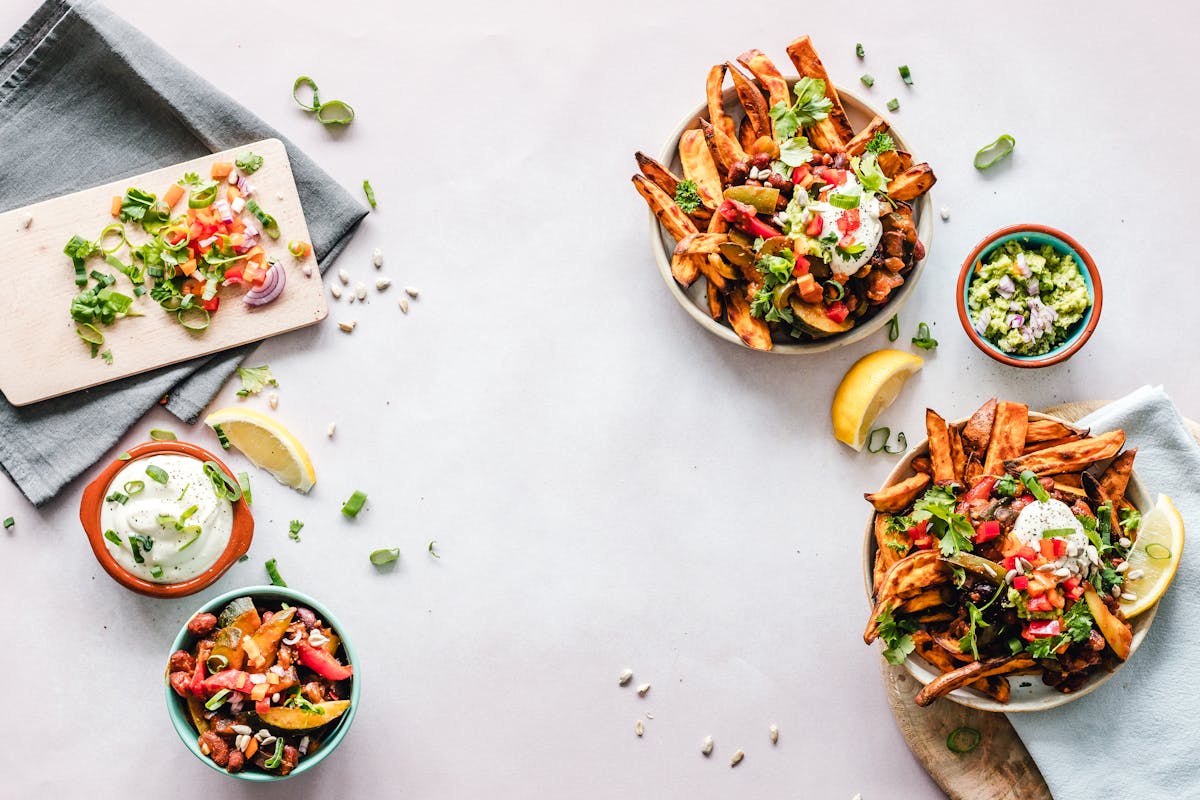
Over the last few years, a clear trend has emerged: people care less about shrinking at all costs and more about what their weight is actually made of. This is body composition—your ratio of fat to lean mass (muscle, bone, organs, fluid). Two people can weigh the same, but the one with more lean muscle usually feels stronger, burns more calories at rest, and often looks more defined at a higher weight.
Social feeds are overflowing with:
- “What I eat in a day to hit 150 g of protein” videos.
- Side‑by‑side comparisons of animal vs. plant protein sources.
- Meal prep containers lined up with high-protein bowls, wraps, and baked oats.
- “Anabolic” versions of comfort foods—pizza, ice cream, nachos—rebuilt with more protein and fiber.
Underneath the hype is a simple, science-backed idea: in a calorie deficit, you’re at risk of losing muscle as well as fat. To nudge your body toward burning more fat while preserving muscle, you want:
- Enough protein—often 1.6–2.2 g per kg of body weight per day for active people, and
- A regular strength training signal (weights, resistance bands, or bodyweight training).
Why Protein Matters So Much During Weight Loss
Protein is more than just a “macro” to hit—it’s physically what your muscles, enzymes, immune cells, and many hormones are built from. When you dial down calories, your body starts looking for fuel. Adequate protein tells your body, “Leave the muscle alone; we’ll use other energy sources.”
A well-constructed high-protein, muscle-preserving diet can help you:
- Maintain lean muscle while losing fat, especially when lifting weights.
- Support metabolic rate, since muscle tissue is more metabolically active than fat.
- Stay fuller longer, as protein is the most satiating macronutrient.
- Control blood sugar, especially when paired with fiber-rich carbs and healthy fats.
- Protect against sarcopenia (age‑related muscle loss), which accelerates after about age 30–40.
For many active adults aiming for fat loss and muscle preservation, that 1.6–2.2 g/kg/day protein range is the sweet spot supported across recent research and widely used in sports nutrition. Someone at 70 kg (about 155 lb) might aim for roughly 110–150 g of protein per day, spread over 3–4 meals.
What High-Protein, Muscle-Preserving Diets Actually Look Like
The most effective high-protein, muscle-preserving diets don’t just chase protein grams; they build complete meals with color, fiber, and flavor. You’ll see a mix of:
Lean Animal Proteins
- Chicken or turkey breast
- Fish and seafood (salmon, cod, shrimp, tuna)
- Eggs and egg whites
- Low-fat Greek yogurt and cottage cheese
- Lean cuts of beef and pork in moderation
Plant Proteins
- Tofu, tempeh, and edamame
- Lentils, chickpeas, black beans, and other pulses
- Seitan (for those who tolerate gluten)
- High-protein whole grains like quinoa, farro, and amaranth
Convenient Options
- Whey or plant-based protein powders
- High-protein yogurts and cottage cheese cups
- Protein bars (ideally lower in added sugar)
- High-protein wraps or breads

Recipe: High-Protein Muscle-Preserving Chicken & Bean Power Bowl
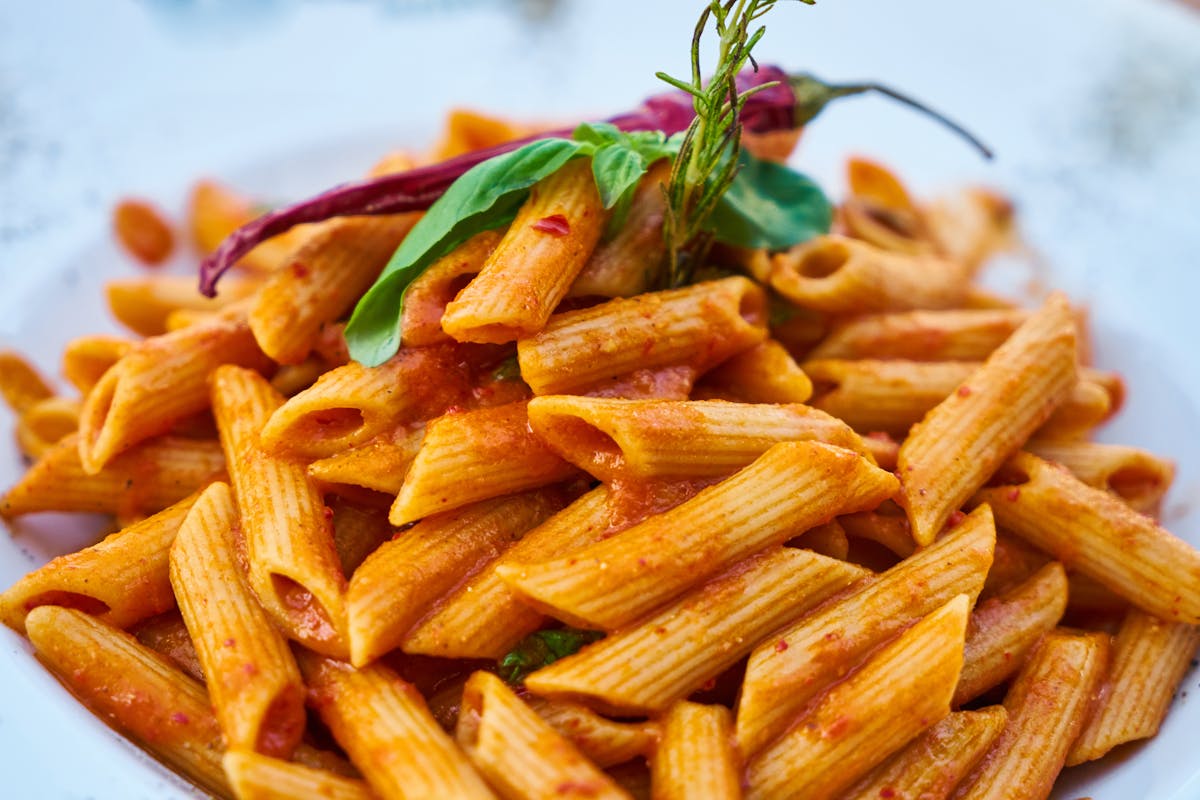
Let’s put these principles onto a single, satisfying plate. This high-protein power bowl brings together lean chicken, beans, whole grains, and a bright yogurt sauce. Each bite is warm, savory, and just a little tangy, with crunch from fresh vegetables and creaminess from Greek yogurt—exactly the kind of meal that keeps you feeling energized, full, and gym-ready.
Quick Recipe Summary
Prep time: 15 minutes
Cook time: 20 minutes
Total time: 35 minutes
Servings: 2 bowls
Difficulty: Easy
Diet: High-protein, gluten-free (if grains/wraps are GF)
Equipment
- Sharp chef’s knife and cutting board
- Large non-stick skillet or frying pan
- Medium mixing bowl
- Small bowl or jar for sauce
- Measuring cups and spoons
- Food thermometer (helpful for checking chicken doneness)
Ingredients
For the Chicken
- 300 g boneless, skinless chicken breast (about 2 small breasts)
- 1 tbsp olive oil
- 1 tsp smoked paprika
- 1/2 tsp ground cumin
- 1/2 tsp garlic powder
- 1/2 tsp onion powder
- 1/2 tsp fine sea salt (or to taste)
- 1/4 tsp freshly ground black pepper
For the Bowl Base
- 1 × 400 g can black beans, drained and rinsed
- 120 g cooked quinoa (about 3/4 cup cooked; or substitute brown rice)
- 30 g baby spinach or mixed salad greens
- 120 g cherry tomatoes, halved
- 80 g cucumber, diced
- 60 g corn kernels (fresh, canned, or thawed frozen)
- 60 g red bell pepper, diced
- 40 g red onion, finely chopped
For the High-Protein Yogurt Sauce
- 60 g 0–2% Greek yogurt (about 1/4 cup)
- 1 tbsp fresh lime juice
- 1 tsp olive oil
- 10 g fresh cilantro or parsley, chopped (about 2 tbsp)
- 1/4 tsp fine sea salt (or to taste)
- 1–2 tbsp water, to thin if needed
Step-by-Step Instructions
Prep the chicken.
Pat the chicken breast dry with paper towels. This helps it sear instead of steam. Slice into thin strips or small bite‑sized cubes for even, speedy cooking.
Slice the chicken into even strips or cubes so it cooks quickly and stays juicy. Season generously.
In a medium bowl, whisk together olive oil, smoked paprika, cumin, garlic powder, onion powder, salt, and black pepper. Add the chicken and toss until every piece is coated in that fragrant, brick‑red spice mixture.
Sear the chicken.
Heat a large non-stick skillet over medium‑high heat. When hot, add the chicken in a single layer—avoid crowding so it can brown nicely. Cook for about 4–6 minutes per side, until lightly charred at the edges and no longer pink in the center. The internal temperature should reach 74°C / 165°F.
Look for golden-brown edges and clear juices as signs your chicken is perfectly cooked. Prep the beans and vegetables.
While the chicken cooks, rinse the black beans under cold water until they stop foaming, then drain well. Halve the cherry tomatoes, dice the cucumber and red pepper, and finely chop the red onion. If your quinoa isn’t cooked yet, start that according to package directions.

A rainbow of vegetables plus beans adds fiber, micronutrients, and satisfying volume to your bowl. Mix the high-protein yogurt sauce.
In a small bowl or jar, combine Greek yogurt, lime juice, olive oil, chopped herbs, and salt. Whisk until smooth. Add 1–2 tablespoons of water a little at a time until the sauce is creamy and pourable. Taste and adjust salt or lime to your liking—the sauce should be bright and slightly tangy.
Greek yogurt adds extra protein, tang, and creaminess without weighing the dish down. Assemble the muscle-preserving bowls.
Divide the baby spinach or salad greens between two wide bowls. Spoon warm quinoa and black beans on top. Add the cooked chicken pieces, then arrange tomatoes, cucumber, corn, red pepper, and onion around the bowl for a feast of color and texture.

Layer grains, legumes, lean protein, and fresh vegetables so every forkful is balanced and satisfying. Finish with sauce and serve.
Drizzle the yogurt-lime sauce generously over each bowl. Sprinkle on extra chopped herbs if you like. Enjoy immediately while the chicken and grains are still warm against the cool, crisp vegetables.
Variations, Substitutions, and Dietary Adaptations
One of the joys of bowls like this is how customizable they are. Use the framework—protein + fiber‑rich carbs + colorful plants + sauce—and play.
High-Protein Vegetarian or Vegan Version
- Swap chicken for firm tofu or tempeh, marinated in the same spice mixture and pan‑seared.
- Use extra beans or lentils for an added protein boost.
- Replace Greek yogurt with a plain, unsweetened soy or coconut yogurt plus 1–2 teaspoons of nutritional yeast for a savory note.
Gluten-Free Adaptation
- This bowl is naturally gluten-free if you use quinoa, rice, or other gluten-free grains.
- As always, double-check labels on spices, beans, and yogurt if you’re highly sensitive or celiac.
Lower-Carb or GLP‑1 Friendly Tweaks
- Reduce or skip the quinoa and add extra greens, cucumbers, and peppers.
- Use cauliflower rice as a base for a very low‑carb version.
- Keep the protein portion generous to maximize satiety, especially if GLP‑1 medications blunt your appetite.
Storage, Meal Prep, and Reheating Tips
This high-protein bowl is perfect for meal prep—you can easily scale the recipe and build several days’ worth of muscle-preserving meals.
- Storage: Keep assembled bowls in airtight containers in the refrigerator for up to 3–4 days. Store the yogurt sauce separately so the greens stay crisp.
- Reheating: Reheat chicken, beans, and grains gently in the microwave (about 1–2 minutes) or in a skillet over low heat. Add fresh vegetables and sauce after warming.
- Freezing: You can freeze extra cooked chicken and beans in separate containers for up to 2–3 months. Thaw overnight in the fridge and rebuild bowls with fresh veggies.

Serving Suggestions and Complementary Dishes
To build a full day of delicious, high-protein, muscle-preserving eating, pair this bowl with simple, protein-forward meals and snacks.
- Breakfast: Protein-enriched baked oats, Greek yogurt with berries and nuts, or a veggie omelet with an extra side of egg whites.
- Snacks: Cottage cheese with fruit, edamame, hummus with veggie sticks, or a whey/plant-based protein shake plus a piece of fruit.
- Another main meal: Lentil or chickpea pasta with lean turkey or tofu, and a big salad dressed with olive oil and lemon.
Over time, these choices add up. Instead of white‑knuckling through diets that leave you tired and weaker, high-protein, muscle-preserving meals let you feel fed, not deprived, while your body composition quietly shifts in the background.
Think of every high-protein, colorful plate as a small investment in your future strength. You’re not just losing weight—you’re building a body that can carry you powerfully through the next decades.
