Ozempic & GLP‑1 Weight‑Loss Drugs: How to Eat Well on the ‘Ozempic Diet’ Without Losing Muscle
Ozempic, GLP‑1 Weight‑Loss Drugs, and the New Way We Talk About Food
GLP‑1 weight‑loss drugs like Ozempic, Wegovy, Mounjaro, and Zepbound are quietly transforming kitchens and grocery carts all over the world. People who once felt ruled by cravings now find themselves satisfied by a few bites, gravitating toward soft, simple meals, and wondering: “What should I actually be eating on this so‑called Ozempic diet?”
This guide blends up‑to‑date nutrition science with real‑life cooking strategies to help you eat well, protect your muscles, and truly enjoy your food while taking GLP‑1 medications—whether you’re a confident home cook or just learning to boil an egg.
What’s changing?
GLP‑1s reduce appetite, slow digestion, and can make large, heavy meals uncomfortable.
Why food matters
Eating too little protein and too few nutrients can lead to fatigue and muscle loss, even while the scale drops.
Our focus
Small‑volume, high‑protein, gentle‑on‑the‑stomach meals you can actually look forward to eating.
How GLP‑1 Drugs Like Ozempic Change Appetite, Digestion, and Cravings
GLP‑1 agonists—Ozempic and Wegovy (semaglutide), Mounjaro and Zepbound (tirzepatide), and newer cousins in development—mimic the hormone GLP‑1, which your body naturally releases after you eat. These medications:
- Slow down how quickly food leaves your stomach (slower gastric emptying).
- Send stronger “I’m full” signals to your brain.
- Blunt spikes in blood sugar, which can reduce sugar cravings.
- Often make big, greasy, or ultra‑rich meals feel unpleasant.
Many people describe the experience like this: “For the first time, I can leave food on my plate.” That can be freeing—but it also means you may unintentionally slide into a very low‑calorie intake, especially during dose increases.

The Hidden Risks of the “Ozempic Diet”: Muscle Loss, Fatigue, and Nutrient Gaps
When your appetite suddenly drops, it can feel tempting—and almost effortless—to live on a few bites of whatever sounds tolerable that day. Over time, though, that pattern can lead to:
- Muscle loss (loss of lean mass), which can slow your metabolism and make weight regain more likely.
- Low energy, brain fog, and feeling “wired but tired.”
- Nutrient deficiencies in iron, B vitamins, calcium, vitamin D, and others if your diet becomes too limited.
- Hair shedding and brittle nails when protein and micronutrients are chronically low.
Many obesity specialists and dietitians now emphasize a simple mantra for GLP‑1 users:
“Let the medication help with appetite—but let food protect your muscles, your energy, and your long‑term health.”
The goal isn’t to fight the medication and force yourself to eat huge portions—it’s to make every bite count.

Core Nutrition Goals on Ozempic and Other GLP‑1 Medications
Healthcare professionals are converging on a few key principles for a sustainable Ozempic‑friendly eating pattern:
- Prioritize protein at every meal.
Many clinicians recommend 1.6–2.2 g of protein per kilogram of body weight per day (roughly 0.7–1.0 g per pound), especially if you’re losing weight quickly. This supports lean muscle and helps keep you satisfied between small meals. - Choose nutrient‑dense, low‑volume foods.
Because your stomach fills faster, you want more nutrition per bite: Greek yogurt, cottage cheese, eggs, tofu, fish, nut butters, and blended soups pack a lot of protein, healthy fats, and micronutrients into modest portions. - Embrace gentle, cooked fiber.
Raw salads or dense whole‑grain breads can feel like a brick in your stomach right now. Instead, go for cooked vegetables, oatmeal, beans in soup, and soft fruits. Increase fiber slowly and drink water to avoid worsening constipation. - Don’t forget fluids and electrolytes.
Just as your appetite declines, your thirst might too. Sipping water, herbal teas, broths, or sugar‑free electrolyte drinks throughout the day can help you stay hydrated and support digestion.

What a GLP‑1-Friendly Day of Eating Can Look Like
Every body is different, and dosing schedules, side effects, and cultural food preferences matter enormously. That said, here’s an example of an Ozempic‑friendly day of eating that emphasizes protein and soft textures:
- Breakfast: Soft scrambled eggs with a spoonful of cottage cheese for extra creaminess, plus a few bites of avocado and a slice of very lightly toasted bread (or no bread if that feels too heavy).
- Midmorning: Half a small protein smoothie: Greek yogurt, berries, spinach, and milk blended until silky. Save the rest for later if you’re full.
- Lunch: Blended vegetable soup made with carrots, potatoes, and lentils, finished with a swirl of olive oil and a dollop of Greek yogurt.
- Afternoon: A few slices of baked tofu or deli‑style turkey roll‑ups with a little cheese.
- Dinner: Tender baked salmon or flaky white fish, mashed sweet potatoes, and very soft green beans or zucchini, all in small portions.
Notice the pattern: soft textures, moderate fats, steady protein, and plenty of flavor, all served in intentionally small portions so you can stop at the first sign of fullness.
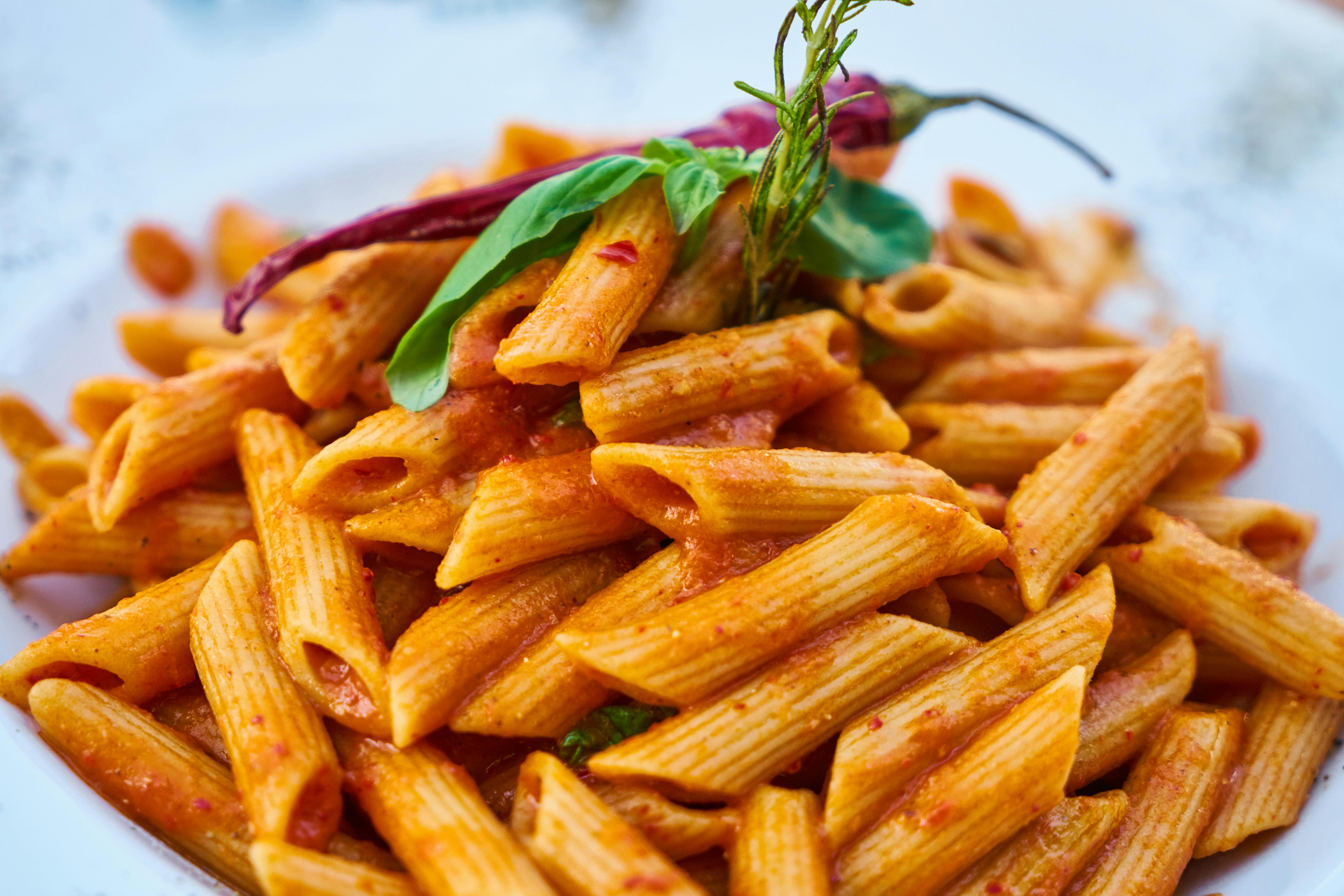
Recipe: High‑Protein Soft Breakfast Bowl for Ozempic & GLP‑1 Diets
Think of this bowl as a gentle “protein anchor” for your day: creamy, cool, and light enough for queasy mornings, but packed with protein to protect your muscles. You can eat a few slow bites, pause, and come back to it later if needed.
Ingredients
- 1/2 cup (120 g) plain 2% Greek yogurt
- 1/2 cup (120 g) low‑fat cottage cheese (lactose‑free if needed)
- 1/4 cup (30 g) soft berries, fresh or thawed frozen
- 2 tbsp (16 g) quick oats or instant oat flour
- 1 tsp honey or maple syrup, optional
- Pinch of cinnamon or a drop of vanilla extract, optional
- 1–2 tsp finely ground chia or flaxseed, optional
- Small splash of milk or milk alternative, if needed to thin
Equipment
- Small mixing bowl
- Spoon or small whisk
- Measuring cups and spoons
- Optional: immersion blender or mini food processor for extra‑smooth texture
Step-by-Step Instructions
- Make the creamy base.
In your bowl, combine the Greek yogurt and cottage cheese. Stir firmly until they’re well blended and look smooth and glossy. If the curds bother you, pulse briefly with an immersion blender until silky. - Add gentle carbs and texture.
Sprinkle in the quick oats or oat flour. Mix well, then let the bowl sit for 2–3 minutes so the oats soften. This thickens the mixture slightly and makes it extra cozy. - Fold in fruit and flavors.
Gently stir in the berries. Add honey or maple syrup if you like, plus cinnamon or vanilla if those flavors feel soothing. Keep the sweetness subtle to avoid big sugar spikes. - Adjust thickness.
If the bowl feels too thick or heavy, stir in a small splash of milk or milk alternative until it reaches a soft, pudding‑like consistency. - Serve slowly.
Eat very slowly, pausing between bites to let your fullness cues catch up. If you feel even slightly heavy or queasy, stop—cover the bowl and refrigerate it to finish later.
Storage, Reheating, and Gentle Serving Tips
One of the realities of life on GLP‑1s is that you simply can’t predict how hungry you’ll feel from one meal to the next. Planning for leftovers is a kindness to your future self.
Storing GLP‑1-Friendly Meals
- Soft bowls & yogurt mixtures: Store in airtight containers in the fridge for up to 2 days. Stir before eating; add a splash of milk if it thickens.
- Soups & stews: Refrigerate up to 4 days or freeze for 2–3 months. Reheat gently on low heat to avoid strong smells that might trigger nausea.
- Cooked proteins (chicken, fish, tofu): Cool quickly and refrigerate up to 3 days. Reheat covered and with a bit of broth or sauce to keep them tender.
Reheating Without Overwhelming Your Stomach
- Use low to medium heat and reheat just until warm, not piping hot.
- Keep lids on to contain strong cooking smells, then let the dish cool slightly before eating.
- Serve yourself a very small portion first; you can always go back for more if you’re comfortable.
Think “mini tasting portions” rather than traditional platefuls—this respects the way GLP‑1 medicines slow down digestion.
Serving Suggestions and Complementary Dishes for GLP‑1 Users
To round out your high‑protein bowl and other GLP‑1‑friendly meals, mix and match gentle sides that offer hydration, color, and satisfaction without overwhelming your appetite.
- With the breakfast bowl: Pair with a few sips of herbal tea or warm water with lemon, and 1–2 slices of soft fruit like ripe pear or banana if tolerated.
- For lunch or dinner: Add a small mug of blended vegetable soup, or a few spoonfuls of mashed sweet potato or pureed beans.
- For snacks or “mini meals”: Combine half portions—half your breakfast bowl plus half an egg, or a small piece of cheese with a few spoonfuls of soup.
Many people on GLP‑1s thrive on three small meals and one or two mini snacks instead of three big meals. Aim to include some protein every time you eat, even if it’s just a few bites.
The “Ozempic Diet” on Social Media vs. Sustainable Real-Life Eating
Scroll through TikTok or YouTube today and you’ll find “Ozempic grocery hauls,” “GLP‑1 meal prep,” and emotional before‑and‑after photos. Celebrities and influencers have amplified conversations about these medications, sparking debates over body image, access, and the fairness of using diabetes drugs for cosmetic weight loss.
Amid the noise, clinicians keep coming back to the same core message: medication alone isn’t a lifestyle. GLP‑1s can be powerful tools, but:
- Your long‑term health still depends on balanced nutrition and movement.
- Extreme restriction can backfire when doses change or medications are stopped.
- Building simple, comfortable habits now makes maintenance much easier later.
Think of your “Ozempic diet” as a training ground for a new relationship with food: one where satisfaction starts earlier, portions are gentler, and every small, thoughtful meal is an act of self‑respect—not punishment.