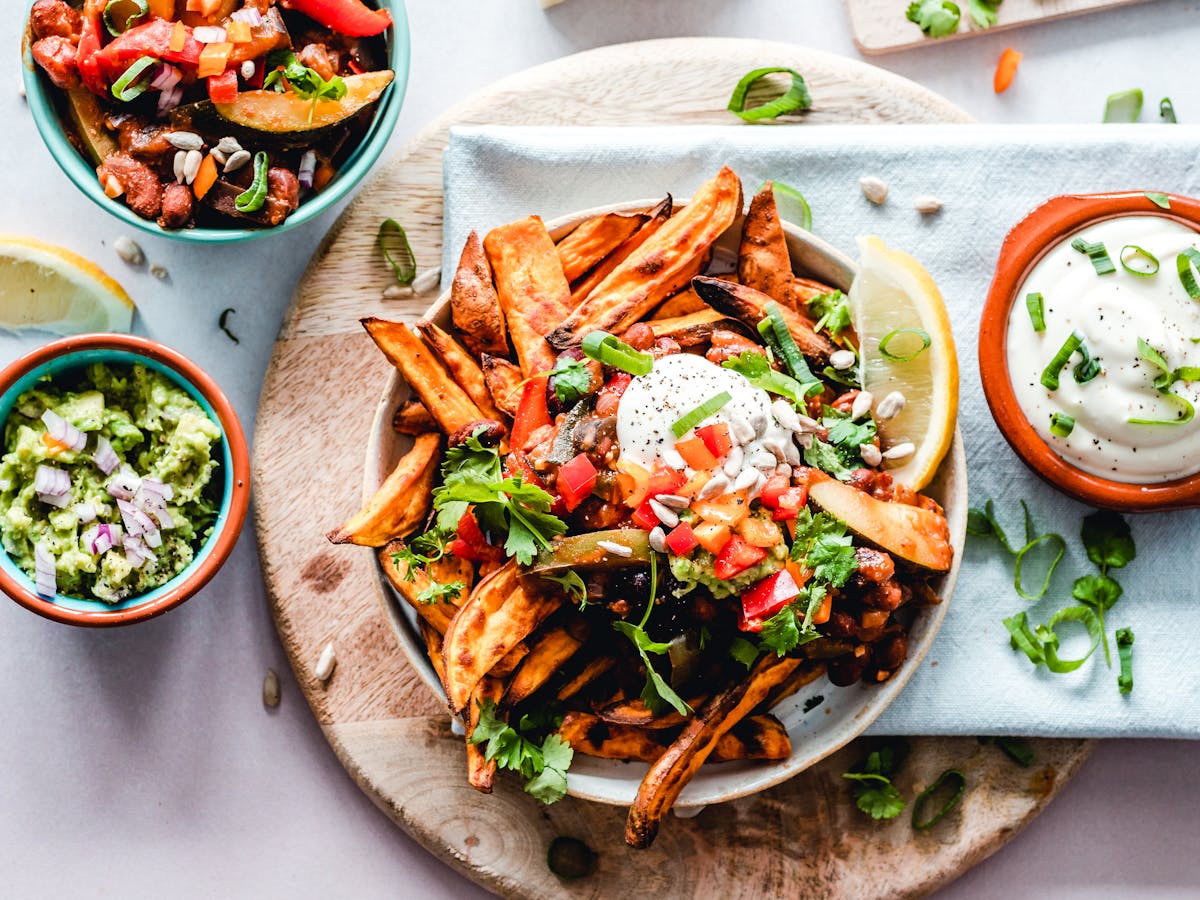
High-Protein Macro Magic: How the ‘Macro-Optimized’ Lifestyle Is Reshaping the Way We Eat
The Rise of the High-Protein, Macro-Optimized Lifestyle
High‑protein, macro‑optimized eating has sprinted out of bodybuilding circles and into everyday kitchens, TikTok feeds, and grocery carts. Instead of simply counting calories, more people in 2024–2025 are tracking macronutrients—protein, carbohydrates, and fats—to sculpt their body composition, protect muscle, and feel more energized and satisfied between meals.
This “hit your macros” approach is especially popular among those focusing on body recomposition, people using GLP‑1 medications who want to preserve muscle, and home cooks who love experimenting with high‑protein recipes that still feel fun and indulgent. Think creamy cottage cheese bowls, protein‑packed pastas, and macro‑friendly desserts that taste like a treat but quietly support your goals.

Why High-Protein Macros Are Trending in 2024–2025
Several powerful forces are pushing the high‑protein, macro‑optimized lifestyle into the spotlight, from social media recipe creators to evolving weight‑loss science.
1. Muscle Matters More Than the Scale
We’re finally talking about body composition—how much of your body is lean mass versus fat—rather than just body weight. Two people can weigh the same but look and feel radically different depending on their muscle mass.
- Higher lean mass usually means a stronger metabolism.
- Muscle supports joint health, posture, and everyday strength.
- It changes how clothes fit and how defined your body appears.
To support this, many coaches now recommend around 1.2–2.0 g of protein per kilogram of body weight per day, especially when paired with resistance training. That’s where macro tracking comes in: it gives structure to these protein goals.
2. GLP‑1 Medications and the Protein Protection Plan
The surge in GLP‑1 medications (like semaglutide‑based drugs) has changed how people lose weight. These drugs can blunt appetite so effectively that some users unintentionally under‑eat, including not getting enough protein.
To counter this, dietitians and creators share GLP‑1‑friendly
or Ozempic‑safe
meals: high‑protein, modest‑volume dishes that protect muscle while still being gentle on a subdued appetite.
- Thick Greek yogurt parfaits loaded with berries and nuts
- Cottage cheese bowls with fruit and crunchy granola
- Egg‑white frittatas packed with vegetables
- Chicken or tofu macro bowls with grains and greens
3. Convenience Foods Are Getting a Protein Makeover
Supermarkets are overflowing with protein‑enriched products in 2025: high‑protein breads, cereals, wraps, pasta, ice cream, bars, puddings, and ready‑to‑drink shakes. These often headline:
What I eat in a day
videosMacro‑friendly grocery hauls
- High‑protein snack taste tests on TikTok and YouTube
While these groceries make it easier to hit protein targets, there’s a growing conversation about food quality—watching for extra sugars, ultra‑processing, or reliance on sweeteners.
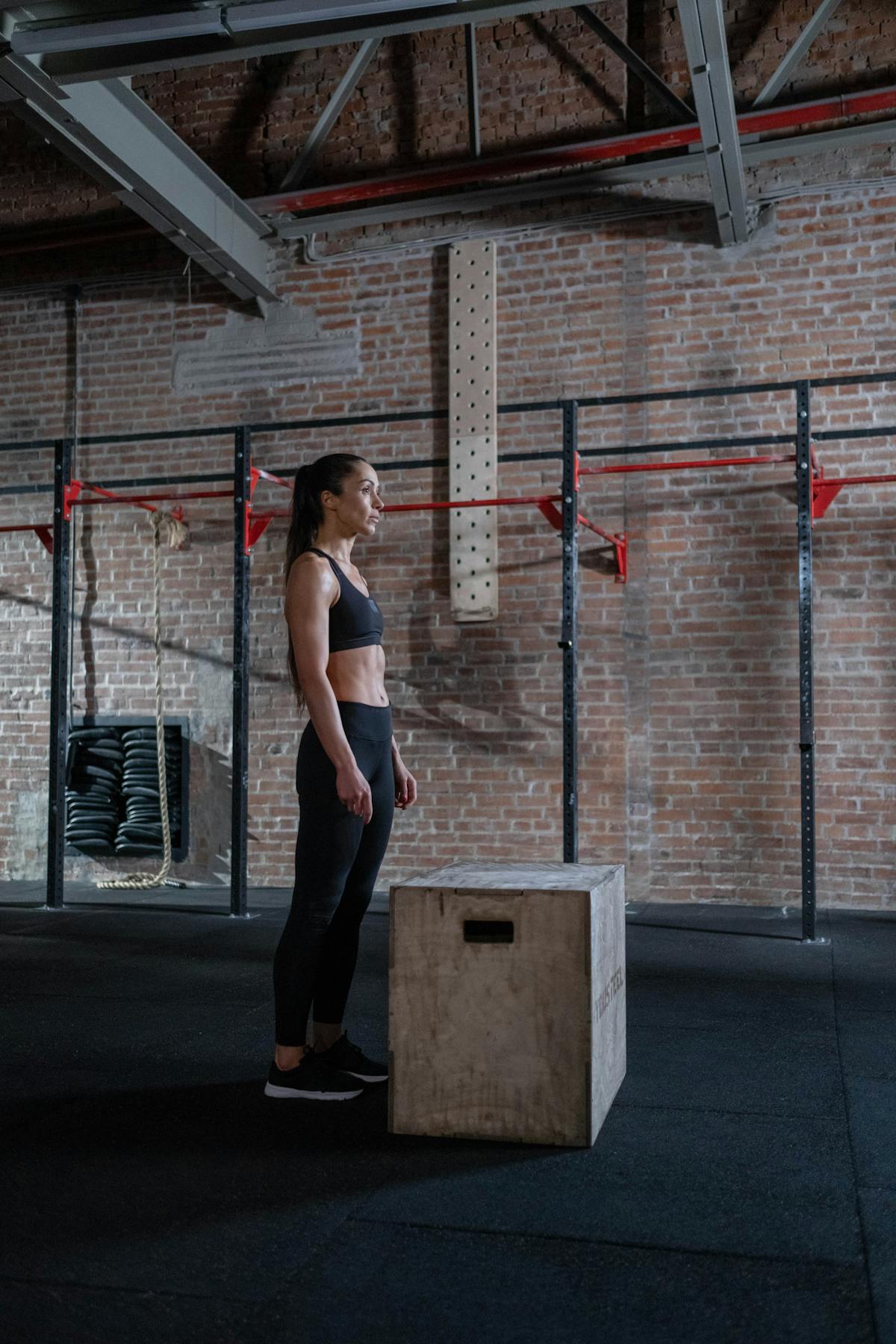
How Macro-Optimized Eating Works Day to Day
Instead of asking, “How many calories is this?” macro‑optimized eaters ask, “How much protein, carbs, and fat are in this meal?” The goal is to build plates that match your personal macro targets while still tasting delicious and feeling sustainable.
Typical Macro Splits
Many tracking apps and online coaches suggest starting with macro splits like:
- 30–40% of calories from protein
- 30–40% from carbohydrates
- 20–30% from fats
These are then adjusted for specific goals:
- Fat loss: Often slightly higher protein, moderate carbs, moderate fats.
- Muscle gain: Higher overall calories with enough carbs to fuel training.
- Maintenance / recomposition: Balanced macros with resistance training.
A Sample Macro-Optimized Day
Many online creators structure days around 20–30 g of protein per main meal and 10–20 g per snack, while sneaking in fiber and healthy fats for happy digestion and long‑lasting fullness.
- Breakfast: High‑protein overnight oats with Greek yogurt and berries (25–30 g protein)
- Snack: Cottage cheese with pineapple and chia seeds (15 g protein)
- Lunch: Chicken or tofu grain bowl with veggies and avocado (30 g protein)
- Snack: Protein shake or bar plus a piece of fruit (15–20 g protein)
- Dinner: Salmon, quinoa, and roasted vegetables with olive oil drizzle (30 g protein)
Benefits and Critiques of the High-Protein Macro Lifestyle
Like any nutrition trend, macro‑optimized eating can be an empowering tool—or an unhelpful stressor—depending on how it’s used.
Potential Benefits
- Better satiety: Protein and fiber‑rich meals tend to keep you fuller longer.
- Muscle support: Adequate protein helps maintain or build lean mass, especially with strength training.
- More food awareness: Tracking for a while can teach you portion sizes and where your nutrients come from.
- Visible results: Many people find that body recomposition feels more predictable when macros are dialed in.
Common Concerns
Experts and mental health professionals also share thoughtful cautions:
- Risk of over‑tracking: For some, logging every bite can trigger or worsen disordered eating tendencies.
- Overreliance on processed products: A day filled with protein bars and shakes may hit macros but lack whole‑food nutrition.
- All‑or‑nothing thinking: Feeling like you’ve “failed” if you miss your macros can erode a healthy relationship with food.
Many dietitians now encourage a flexible macro approach: treat your macro targets as a helpful range, focus on mostly whole foods, and allow social meals, cravings, and life to fit into the picture.
Think of macros not as strict rules, but as spotlights: they simply help you see where your protein, carbs, and fats are coming from so you can eat in a way that feels good and supports your goals.
High-Protein Greek Yogurt & Cottage Cheese Power Bowl
This creamy, crunchy high‑protein breakfast bowl is a macro‑lover’s dream: thick Greek yogurt, whipped with cottage cheese for extra protein, topped with juicy berries, crisp granola, and a silky drizzle of nut butter. It’s quick, deeply satisfying, and easy to adapt for different dietary needs.
Prep time:
Cook time:
Total time:
Servings: 1 bowl
Difficulty: Easy
Diet: High‑protein, gluten‑free (with GF toppings)

Equipment
- Small mixing bowl
- Spoon or small whisk
- Serving bowl
- Measuring cups and spoons
Ingredients
- 150 g (about 2/3 cup) non‑fat or 2% Greek yogurt
- 100 g (about 1/2 cup) low‑fat cottage cheese
- 1–2 tsp honey or maple syrup, or zero‑calorie sweetener to taste
- 1/2 tsp vanilla extract (optional but lovely)
- 60 g (about 1/2 cup) mixed berries (fresh or frozen and thawed)
- 20–30 g (about 1/4 cup) high‑protein granola or regular granola
- 1 tbsp nut butter (peanut, almond, or cashew)
- 1 tsp chia seeds or ground flaxseeds (optional, for extra fiber and fats)
- Pinch of cinnamon (optional)
Instructions
Mix the creamy base.
In a small mixing bowl, combine the Greek yogurt, cottage cheese, vanilla, and sweetener. Stir or lightly whisk until smooth and fluffy. You’re aiming for a thick, pudding‑like texture with a gentle tang from the cultured dairy.Taste and adjust sweetness.
Taste the mixture. If you prefer a dessert‑like bowl, add a touch more honey or sweetener. For a more savory‑leaning, tangy profile, keep it minimal.Assemble the bowl.
Spoon the creamy base into your serving bowl and smooth the top with the back of a spoon.Add fruit and crunch.
Scatter the berries over the surface, then sprinkle on the granola and chia or flaxseeds. You want a mix of juicy pops, crisp bites, and tiny seeds that add texture.Finish with a drizzle.
Warm the nut butter slightly if it’s very thick, then drizzle it over the top in ribbons. It should melt slightly into the cool yogurt, creating a beautiful marbled effect and a rich, nutty aroma.Serve and enjoy.
Enjoy immediately for maximum crunch, or chill for 10–15 minutes if you like it extra cold and thick. Each spoonful should feel creamy, crunchy, sweet‑tart, and deeply satisfying.

Approximate Macros (Per Bowl)
These values will vary depending on your exact brands and toppings, but a typical bowl might provide:
- Calories: ~400–450 kcal
- Protein: ~35–40 g
- Carbohydrates: ~35–45 g
- Fat: ~10–15 g
- Fiber: ~6–8 g
Storage & Make-Ahead
For the best texture, store the creamy base and toppings separately.
- Base: Keep the mixed yogurt and cottage cheese in an airtight container in the fridge for up to 3 days.
- Toppings: Store granola at room temperature to keep it crunchy; berries can be pre‑washed and refrigerated.
- To serve: Assemble just before eating. If the base has thickened, stir in 1–2 tsp of milk or water to loosen.
Serving Suggestions & Pairings
This macro‑friendly bowl is fantastic as:
- A pre‑workout breakfast, paired with a small banana for extra carbs.
- A post‑workout meal with added granola or a slice of high‑protein toast on the side.
- A satisfying evening snack when cravings hit but you still want to support your protein goals.
Bringing the Macro-Optimized Lifestyle into Your Kitchen
The beauty of the macro‑optimized, high‑protein lifestyle is that it doesn’t demand perfection—just a little curiosity and willingness to experiment. Start by focusing on one or two meals per day, like a protein‑rich breakfast or a more balanced dinner, and build from there.
- Center each meal around a protein anchor: Greek yogurt, eggs, tofu, tempeh, fish, chicken, or lentils.
- Add color and fiber with fruits and vegetables you genuinely enjoy.
- Layer in smart carbs (oats, quinoa, rice, potatoes, beans) and healthy fats (olive oil, nuts, seeds, avocado).
- Use macro tracking apps as a learning tool, then transition to more intuitive portioning once you’re comfortable.
Over time, you’ll start to recognize what a high‑protein plate looks like, how different foods make you feel, and how to flex your macros for busy weeks, social events, or training cycles. Most importantly, you’ll discover that a macro‑optimized lifestyle can be flavor‑forward, satisfying, and joyful—not just a numbers game.