
Ozempic, Wegovy & the Skinny Shot Era: How GLP‑1 Weight‑Loss Drugs Are Rewriting Diet Culture
Ozempic, Wegovy & the ‘Skinny Shot’ Era: How GLP‑1 Drugs Are Changing Diet Culture
GLP‑1 weight‑loss drugs like Ozempic, Wegovy, Mounjaro, and Zepbound are changing what “being on a diet” looks and feels like in 2025. Instead of endless juice cleanses and crash diets, many people are turning to weekly injections that blunt appetite, reshape eating habits, and stir up huge debates about health, privilege, and what sustainable nutrition really means. This new “skinny shot” era is forcing us to ask: if a medication can make you eat less, how do you make sure what you do eat still deeply nourishes your body?
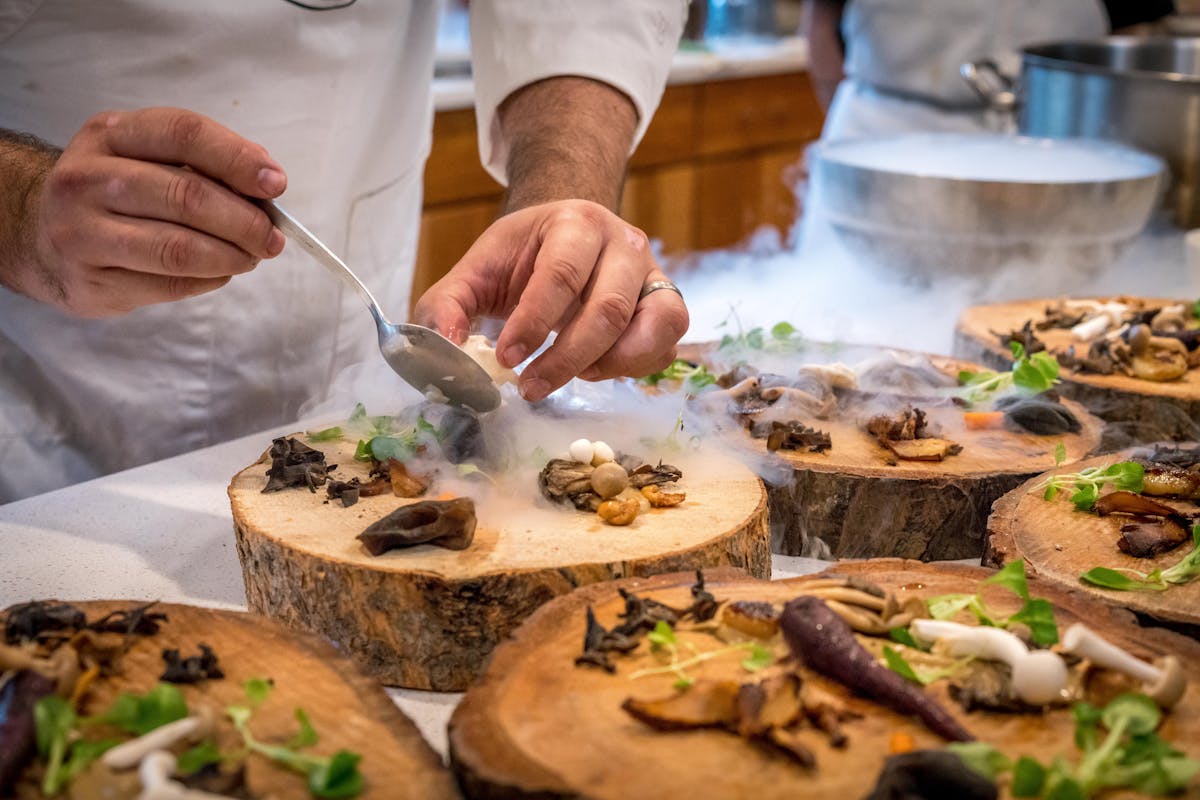
For home cooks and food lovers, this shift is about more than the number on the scale. It’s about learning how to build smaller plates that are still big on flavor, protein, fiber, and comfort, so eating well remains joyful—even when your appetite is dialed down.
What Are GLP‑1 Weight‑Loss Drugs Like Ozempic, Wegovy, Mounjaro & Zepbound?
GLP‑1 agonists are medications that mimic a natural gut hormone called glucagon-like peptide‑1. That hormone helps regulate blood sugar, slows how quickly food leaves your stomach, and talks to appetite centers in your brain.
- Ozempic (semaglutide): originally for type 2 diabetes; often used off‑label for weight loss.
- Wegovy (semaglutide): higher-dose semaglutide, approved specifically for chronic weight management.
- Mounjaro (tirzepatide): targets GLP‑1 and another hormone (GIP); for diabetes, often used off‑label for weight loss.
- Zepbound (tirzepatide): tirzepatide formulation approved for obesity and weight management.
These drugs are typically taken as weekly injections, often called “skinny shots” on social media—a nickname that captures the hype but not the full medical complexity.
How GLP‑1 Drugs Work in the Body: Appetite, Fullness & Metabolism
Mechanistically, GLP‑1 agonists:
- Slow gastric emptying – food stays in your stomach longer, so you feel fuller for more time.
- Increase satiety signals in the brain – appetite centers get stronger “I’m full” messages.
- Reduce cravings – many users notice less interest in snacking, sweets, or overeating.
- Improve blood sugar control – by enhancing insulin response and reducing glucose spikes, especially in people with type 2 diabetes.
The net effect for many people is fewer calories eaten without trying as hard. But this can come with common side effects like nausea, constipation, or fatigue—especially if meals are heavy or high in fat.
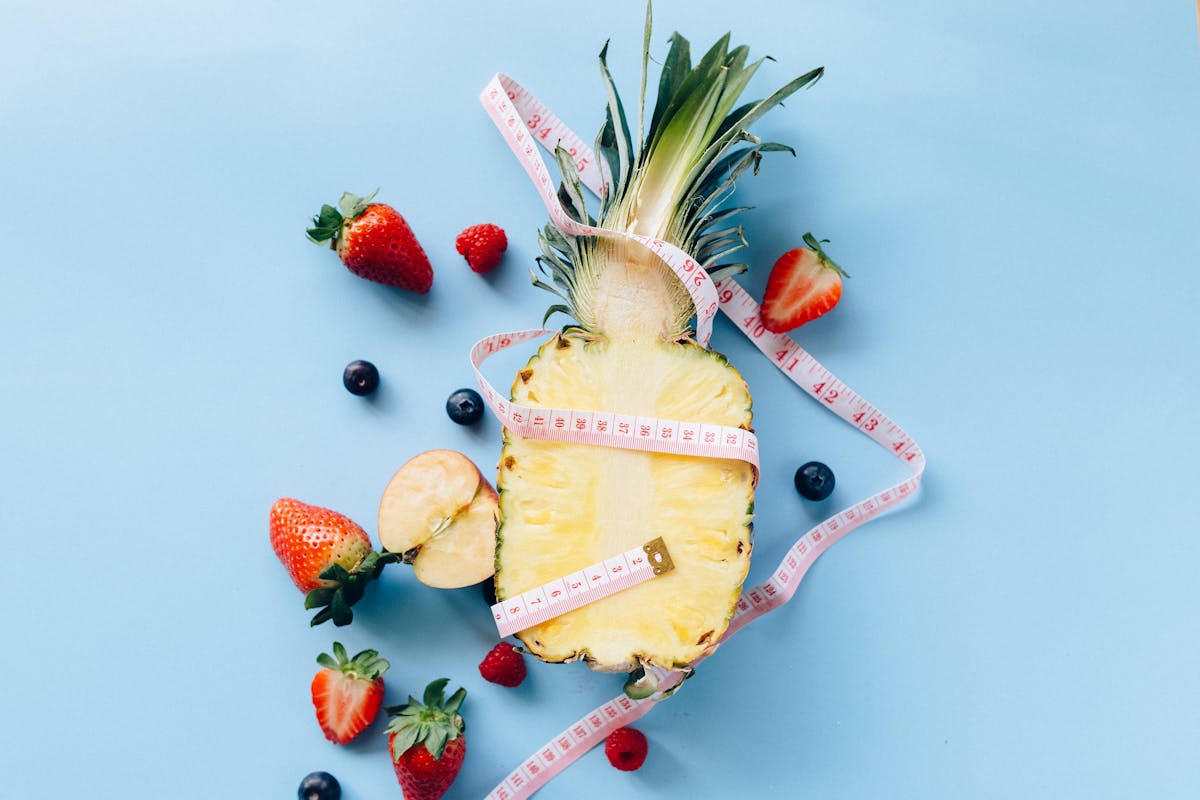
From Fad Diets to Injections: How the “Skinny Shot” Era Is Rewriting Diet Culture
For decades, diet culture revolved around willpower: cutting carbs, counting calories, buying detox teas, or chasing the latest cleanse. GLP‑1 drugs flip that script by moving the focus away from sheer self-control and toward biology and medication.
Online, you’ll see:
- “Ozempic Week 1–12” diaries detailing appetite changes and weigh‑ins.
- Dramatic before‑and‑after photos from celebrities, influencers, and everyday users.
- New slang like “skinny shot,” “GLP‑1 girl dinner,” and “Ozempic face” entering pop culture.
Instead of hopping from keto to Whole30 to fasting, some people see GLP‑1s as a kind of “last resort”—the moment they stop blaming themselves and turn to medication. That shift can feel liberating, but it also raises tough questions about access, stigma, and what truly healthy weight management looks like long term.
The new challenge isn’t “How do I eat less?” It’s “How do I make every bite truly count for my health?”
Celebrity Culture, Privilege & the Ethics of “Skinny Shots”
The GLP‑1 boom has been supercharged by celebrity rumors and red‑carpet transformations. When actors, musicians, and tech moguls suddenly appear thinner, speculation about Ozempic or Wegovy often follows—even when there’s no confirmation.
This has intensified questions such as:
- Access & cost: GLP‑1 meds can cost hundreds to over a thousand dollars per month without strong insurance coverage.
- Shortages: In some regions, people with diabetes report difficulty accessing medication while wealthier users obtain it for cosmetic weight loss.
- Body ideals: A new ultra‑slim aesthetic may be driven less by diets and more by expensive pharmaceuticals.

Health professionals increasingly emphasize that GLP‑1s are prescription medications, not beauty tools, and that decisions about starting or stopping should be grounded in medical need, not social pressure.
Why Nutrition Still Matters on Ozempic, Wegovy, Mounjaro & Zepbound
Feeling less hungry doesn’t automatically mean you’re eating better. In fact, the smaller your appetite, the more intentional you need to be with every plate. Many GLP‑1 users unintentionally:
- Skimp on protein, which increases the risk of losing muscle along with fat.
- Miss out on fiber, worsening constipation and impacting gut health.
- Fall short on key micronutrients like iron, B‑vitamins, and magnesium.
Dietitians now encourage GLP‑1 users to aim for roughly 1.2–1.6 g of protein per kg of body weight per day (unless otherwise advised by a clinician), along with:
- Plenty of colorful vegetables for fiber and antioxidants.
- Whole grains and legumes for steady energy.
- Healthy fats (olive oil, avocado, nuts) for heart health and satiety.
Common Side Effects & Long‑Term Questions
On social media, GLP‑1 diaries often mention side effects, especially during dose increases:
- Nausea or vomiting
- Constipation or, less commonly, diarrhea
- Loss of appetite and early fullness
- Fatigue, especially if calorie and protein intake are very low
There are also emerging concerns about:
- Muscle loss with rapid weight reduction.
- Gallbladder issues in some users.
- Weight regain when the medication is stopped, suggesting long‑term or lifelong use may be needed for many people.
Decisions about these medications should always be made with a healthcare provider who can weigh benefits, risks, and personal health history.
Building an “Ozempic‑Friendly” Eating Pattern: Key Strategies
Many clinicians now recommend pairing GLP‑1 therapy with a structured, nutrient‑dense eating pattern that supports muscle, gut health, and energy. Core pillars include:
- Prioritize protein at every meal
Think Greek yogurt, eggs, tofu, tempeh, fish, chicken, lentils, or cottage cheese as your meal anchor, then build around it. - Lean into Mediterranean‑style fats and fiber
Use olive oil, nuts, seeds, whole grains, beans, and plenty of vegetables to support heart and metabolic health. - Use smaller, more frequent meals
Three modest meals and one protein‑rich snack often feel better than two big plates that trigger nausea. - Stay hydrated
Sipping water, herbal tea, or broth throughout the day can ease constipation and reduce fatigue. - Pair with resistance training
Strength work 2–3 times per week helps protect lean mass as the scale moves.
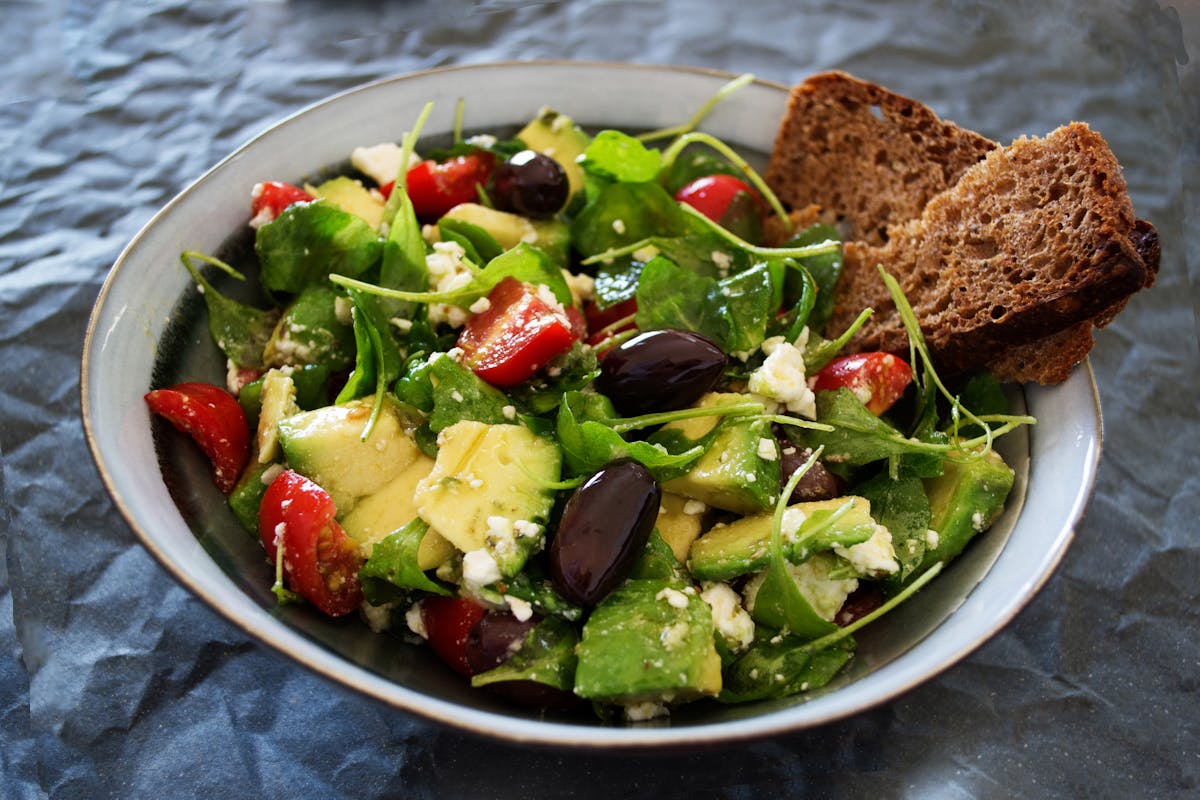
Recipe: High‑Protein Mediterranean GLP‑1‑Friendly Power Bowl
This high‑protein Mediterranean bowl is designed for smaller appetites: it’s gentle on the stomach, richly flavored, and packed with protein, fiber, and healthy fats to support GLP‑1 users. The ingredients are flexible, so you can adjust textures and portions based on how you’re feeling that day.
Quick Recipe Overview
Prep Time:
Cook Time:
Total Time:
Servings: 2–3 small bowls
Difficulty: Easy

Equipment Needed
- Medium saucepan with lid (for grains)
- Nonstick or cast‑iron skillet
- Cutting board and sharp knife
- Mixing bowl for sauce
- Measuring cups and spoons
Ingredients
Base
- 1/2 cup (90 g) dry quinoa or brown rice, rinsed
- 1 cup (240 ml) low‑sodium vegetable or chicken broth (or water)
- Pinch of salt (optional, to taste)
Protein & Vegetables
- 250 g (about 9 oz) boneless, skinless chicken breast or firm tofu, cut into bite‑sized pieces
- 1 tbsp extra‑virgin olive oil
- 1 tsp dried oregano
- 1/2 tsp ground cumin
- 1/4 tsp garlic powder or 1 small garlic clove, minced
- Salt and pepper to taste
- 1 small cucumber, chopped (peel if you prefer a softer texture)
- 1 small bell pepper, finely diced
- 8–10 cherry tomatoes, halved (or use roasted tomatoes for a softer bite)
Creamy Yogurt Sauce
- 3/4 cup (170 g) plain Greek yogurt (2% or 5% for extra creaminess)
- 1 tbsp lemon juice
- 1 tbsp finely chopped fresh dill or parsley
- 1–2 tsp olive oil
- Pinch of salt and black pepper
Toppings (Optional but Recommended)
- 2 tbsp crumbled feta or plant‑based feta
- 2 tbsp toasted almonds, walnuts, or pumpkin seeds (chopped)
- 1/2 ripe avocado, sliced (adds creaminess and calories if your intake is low)
- Extra lemon wedges for serving
Step‑by‑Step Instructions
- Cook the grain base.
In a medium saucepan, combine the rinsed quinoa or rice, broth, and a pinch of salt. Bring to a gentle boil over medium‑high heat, then reduce the heat to low, cover, and simmer until tender (about 12–15 minutes for quinoa, 20 minutes for brown rice). Turn off heat and let rest, covered, for 5 minutes, then fluff with a fork. - Season the protein.
While the grains cook, place the chicken or tofu pieces in a bowl. Add olive oil, oregano, cumin, garlic, and a pinch of salt and pepper. Toss until evenly coated. - Cook the protein.
Heat a nonstick or cast‑iron skillet over medium heat. Add the seasoned chicken or tofu in a single layer. Cook, turning occasionally, until the pieces are golden and cooked through (about 6–8 minutes for chicken, 5–7 minutes for tofu). If you’re sensitive to browning, keep the heat slightly lower so the protein stays tender and easy to digest. - Chop the vegetables.
While the protein cooks, chop the cucumber, bell pepper, and tomatoes. If raw vegetables feel harsh on your stomach, you can lightly sauté the bell pepper or use roasted peppers instead. - Make the creamy yogurt sauce.
In a small bowl, whisk together the Greek yogurt, lemon juice, dill or parsley, olive oil, salt, and pepper. The sauce should be pourable—add a teaspoon of water if needed. Taste and adjust seasoning; you want a bright, tangy flavor that wakes up a small portion of food. - Assemble the bowls.
Spoon a small amount of grains into each bowl (you can always come back for more). Top with a portion of chicken or tofu, then arrange the cucumber, bell pepper, and tomatoes around it. Drizzle generously with the yogurt sauce. - Add toppings and serve.
Sprinkle with feta and nuts or seeds, add avocado slices if using, and finish with a squeeze of lemon. Take a moment to enjoy the colors and aromas before your first bite—you’re nourishing your body with intention.
Substitutions & Dietary Adaptations
Storage & Reheating
This bowl is excellent for meal prep, especially when your appetite is unpredictable.
- Refrigeration: Store grains, cooked protein, chopped veggies, and yogurt sauce in separate airtight containers in the fridge for up to 3 days.
- Reheating: Gently reheat grains and protein in the microwave or on the stovetop with a splash of water or broth until just warm. Keep the vegetables and sauce cold and add them after reheating.
- Freezing: You can freeze cooked grains and chicken (without veggies or sauce) for up to 2 months. Thaw overnight in the fridge before reheating.
Serving Suggestions & Complementary Dishes for GLP‑1 Users
If your appetite is low, think about pairing smaller main dishes with soft, nourishing sides that are easy to enjoy slowly:
- Smooth soups like pureed lentil, tomato, or butternut squash, enriched with olive oil or Greek yogurt.
- High‑protein snacks such as cottage cheese with berries, hummus with soft pita, or a boiled egg with avocado.
- Gentle desserts like stewed fruit with a spoonful of yogurt or chia pudding with almond butter.

Rethinking Dieting in 2025: Beyond the “Skinny Shot”
GLP‑1 drugs like Ozempic, Wegovy, Mounjaro, and Zepbound sit at the crossroads of science, culture, and ethics. They can make weight loss more achievable for many people who’ve struggled for years—but they don’t replace the need for thoughtful, nutrient‑dense eating and movement.
Whether you’re on a GLP‑1 medication or simply curious about this new era of weight management, focusing on protein, plants, healthy fats, and joyful cooking will serve you well. Diet culture may be changing, but the simple pleasure of a lovingly prepared, nourishing meal is as powerful as ever.
