
High-Protein Girl Dinner Snack Plates: Easy No-Cook Meals That Actually Fill You Up
High-protein “girl dinner” snack plates take the fun, low-effort vibe of the original TikTok trend and turn it into a more satisfying, nutrient-dense way to eat. By centering protein, fiber-rich carbs, colorful produce, and healthy fats, these no-cook plates blur the line between snack and meal while still supporting energy, fullness, and a flexible, less rigid approach to diet culture.
From Viral Trend to Balanced Plate
“Girl dinner” began as a playful internet confession: instead of cooking, people were piling bread, cheese, pickles, fruit, or chips onto a plate and calling it dinner. It was honest, a bit chaotic, and deeply relatable. But as the videos spread, dietitians and health professionals started pointing out a pattern—many of these plates were closer to a light snack than a full meal, particularly for people using them regularly to “eat less.”
The newest wave of the trend, often tagged as high-protein girl dinner, “protein snack plate,” or “adult Lunchables,” tries to keep what made the original fun—minimal cooking, playful variety, and strong visual appeal—while gently nudging things toward more staying power: think 20–30 grams of protein, some fiber, and enough calories to keep you satisfied.
Quick Recipe Summary: High-Protein Girl Dinner Snack Plate
- Prep time: 10 minutes
- Cook time: 0 minutes (no-cook)
- Total time: 10 minutes
- Servings: 1 generous plate (easily scaled)
- Difficulty: Very easy
- Diet: High-protein; easy to adapt for vegetarian, vegan, and gluten-free diets
This snack-plate-style dinner is more of a formula than a single recipe: combine a protein, colorful produce, crunchy fiber-rich carbs, and satisfying fats to build a plate that feels like a treat board but eats like a real meal.
Visual Inspiration: High-Protein Snack Plate Ideas
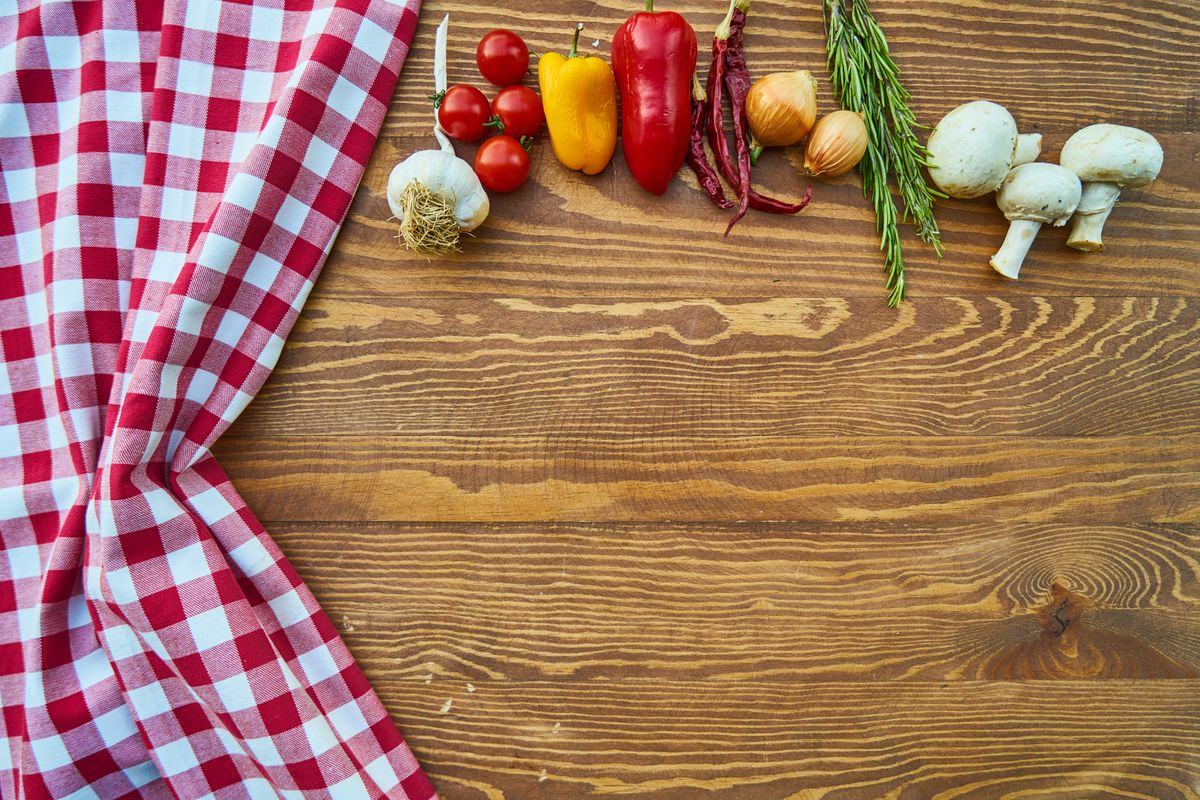
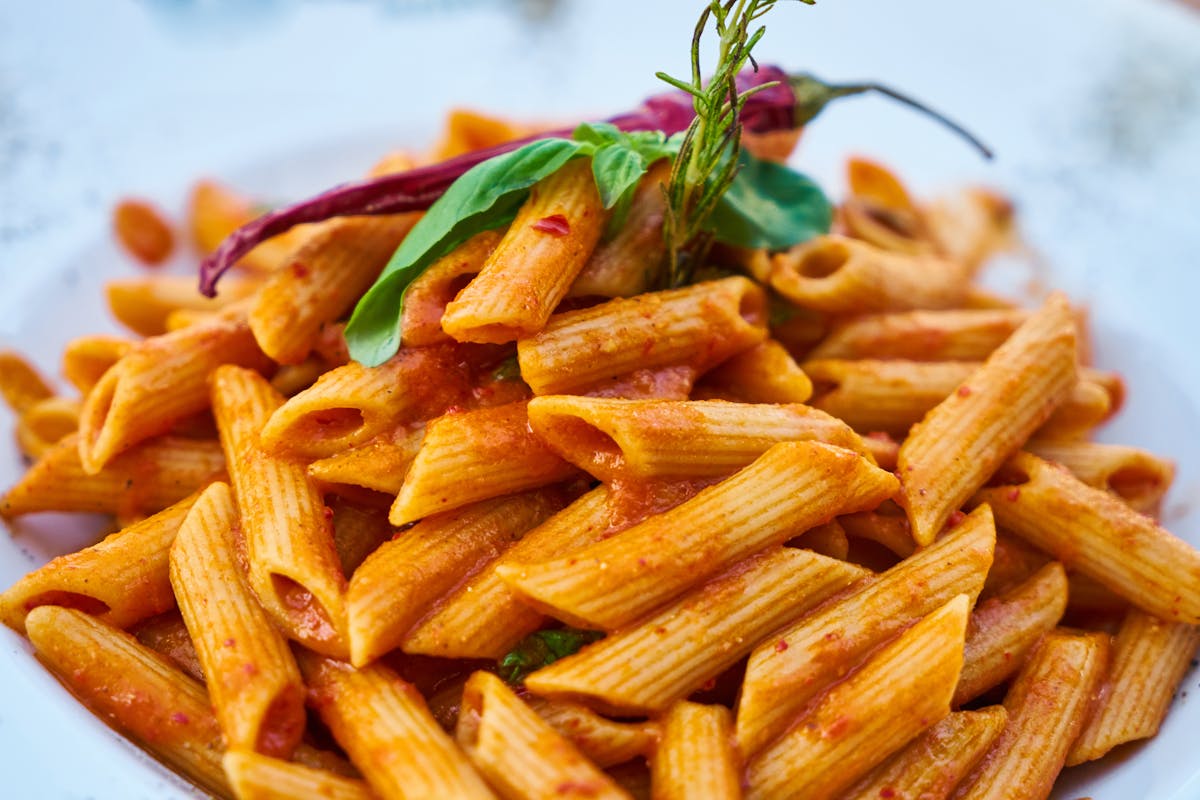
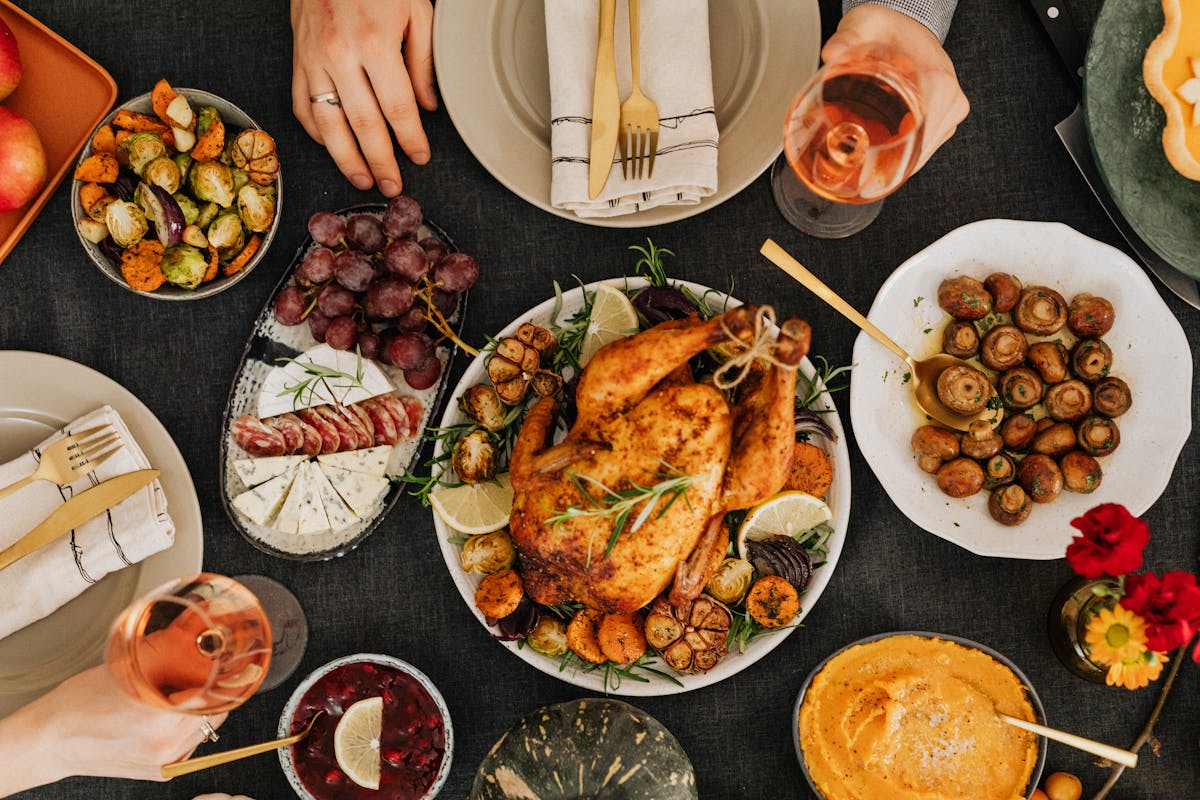
Use these images as inspiration for layering colors, textures, and protein-rich elements on your own “girl dinner” plates.

Why High-Protein Girl Dinner Is Trending Now
Scroll through TikTok or Instagram, and you’ll see endless “plate builds” where creators slide deli turkey, berries, crackers, and dips into a bento box while macro counts pop up on screen. This evolution of girl dinner taps into a few 2025 realities:
- Anti-cooking, pro-convenience: Long days, tiny kitchens, and burnout mean that a no-cook plate feels far more realistic than a full recipe on a Tuesday night.
- Visual, shareable food: Color-blocked veggies, swirls of hummus, and neat lines of crackers look gorgeous in vertical video, which keeps the trend algorithm-friendly.
- Diet culture tension: Some early girl dinners were basically decorative under-eating. In response, dietitians started using the trend as a teaching moment about portion sizes, protein targets, and what a true meal might look like.
- Flexible and inclusive: The “build your own plate” format easily adapts to vegan, vegetarian, gluten-free, and higher-calorie needs without feeling like a “diet plan.”
Think of modern girl dinner as permission to keep things simple—as long as your plate actually feeds you.
What Makes a Snack Plate a Real Meal?
A snack plate becomes a satisfying meal when it covers three bases: enough protein, enough energy, and at least a little fiber and color. Nutrition pros often suggest:
- Protein: Aim for about 20–30 g per meal for most adults. That might look like ¾–1 cup Greek yogurt, ¾ cup cottage cheese, 2–3 eggs, 3–4 oz chicken or tofu, or a mix.
- Carbs + fiber: Add whole-grain crackers, seeded bread, beans, lentil snacks, fruit, and vegetables to support energy and digestion.
- Healthy fats: Use hummus, guacamole, nuts, olives, seeds, or cheese to help you stay full and absorb fat-soluble vitamins.
- Color: At least one fruit or veg—berries, grapes, tomato, cucumber, carrots, or snap peas—adds freshness, crunch, and micronutrients.
Recipe: High-Protein Girl Dinner Snack Plate (Adult Lunchable)

Think of this as a template, not a rulebook. You’ll choose at least one item from each category—protein, produce, carbs, and fats—and arrange them into a snackable spread. Below is a balanced example that lands around 25–30 g of protein.
Ingredients (1 High-Protein Plate)
Protein (choose 1–2, about 25–30 g total)
- ¾ cup (180 g) 2% Greek yogurt or Skyr
- OR ¾ cup (180 g) low-fat cottage cheese
- OR 2 large hard-boiled eggs plus 1 oz (30 g) cheese slices
- OR 3–4 oz (90–115 g) sliced turkey or chicken breast
- Plant-based: ½ cup (85 g) edamame + ½ cup (120 g) marinated tofu cubes
Fiber-Rich Carbs
- 6–8 whole-grain or seeded crackers (about 25–30 g)
- OR 1 slice whole-grain bread, sliced into fingers
- Optional: ¼ cup (40 g) grapes or ½ small apple, sliced
Colorful Produce
- ½ cup cherry tomatoes
- ½ cup sliced cucumber or bell pepper strips
- ¼ cup berries (strawberries, blueberries, or raspberries)
Healthy Fats & Flavor
- 2 tbsp (30 g) hummus or guacamole
- 1 tbsp (15 g) nuts or seeds (almonds, pistachios, pumpkin seeds)
- Optional: 4–6 olives for salty richness
- Pinch of salt, pepper, dried herbs, or a drizzle of olive oil for finishing
Equipment
- 1 medium plate or shallow bowl (a small board or platter works too)
- Small ramekins or dipping bowls (for hummus, yogurt, or dips)
- Knife and cutting board
- Spoon for scooping and swirling dips
Step-by-Step Instructions
- Choose your protein base. Decide what sounds good tonight: creamy Greek yogurt, cottage cheese, eggs, deli meat, or tofu/edamame. Place it on one side of your plate or in a small bowl. If using yogurt or cottage cheese, give it a quick stir so it’s smooth and inviting.
- Prep your produce. Rinse your tomatoes, cucumber, berries, and any other fruit or veg. Slice them into bite-sized pieces or fun shapes—sticks, rounds, or wedges—for easy snacking. Arrange them in clusters around the protein for a colorful, “grazing board” look.
- Add carbs for crunch and staying power. Fan out whole-grain crackers or bread slices in an open space on the plate. Try to keep them away from wet ingredients so they stay crisp. If you’re including fruit like apple slices or grapes, tuck them beside the crackers for a sweet-and-savory combo.
- Layer in healthy fats and dips. Spoon hummus, guacamole, or another dip into a small ramekin and place it near the veggies or crackers. Sprinkle a small handful of nuts or seeds where they’re easy to grab, and add olives if you like something briny and rich. Finish with a pinch of salt, pepper, or herbs over your protein for extra flavor.
- Check your balance. Before you sit down, glance at your plate. Do you see: (1) a clear protein anchor, (2) at least one fruit or veg, (3) some kind of carb, and (4) a bit of fat? If anything’s missing—or if the plate looks tiny—add another item (extra crackers, another egg, a handful of nuts, or more veg).
- Serve and enjoy mindfully. Sit down, even if it’s just for a few minutes. Notice the crunch of the crackers, the creaminess of the protein, the pop of the berries, and the savory hum of dips and olives. Allow yourself to go back for seconds if you’re still hungry—your girl dinner is meant to feed you, not impress an algorithm.
Substitutions & Dietary Adaptations
One of the best parts of the high-protein girl dinner concept is how adaptable it is. You can tune it to your preferences, cultural flavors, or dietary needs without losing the overall structure.
Vegetarian High-Protein Snack Plate
- Use Greek yogurt, cottage cheese, eggs, cheese, edamame, or high-protein tempeh slices.
- Pair with hummus, nuts, seeds, and whole-grain crackers for extra protein and fats.
Vegan High-Protein Snack Plate
- Protein ideas: marinated tofu cubes, tempeh strips, roasted chickpeas, edamame, or vegan deli slices.
- Dips: hummus, white bean dip, lentil spread, or thick tahini sauce.
- Include nuts, seeds, avocado, and olive oil for healthy fats.
Gluten-Free Girl Dinner
- Swap crackers for gluten-free versions, rice cakes, corn thins, or roasted potatoes.
- Check deli meats, flavored yogurts, and dips for hidden gluten if you’re sensitive or have celiac disease.
Higher-Calorie or Sport-Friendly Plate
- Add extra carbs (more crackers, bread, or fruit) and fats (more nuts, cheese, or avocado).
- Consider a larger protein portion (e.g., 1 cup Greek yogurt plus a side of edamame) to support recovery and appetite.
Storage, Meal Prep & Reheating
Because high-protein snack plates rely on fresh ingredients, storage is mainly about keeping textures right—crackers crisp, veggies crunchy, and protein safe.
Short-Term Storage
- Protein: Store Greek yogurt, cottage cheese, deli meat, tofu, and edamame in airtight containers in the fridge. Use within 3–4 days of opening.
- Veggies & fruit: Wash, cut, and store in separate containers lined with a paper towel to absorb moisture.
- Crackers & nuts: Keep in a cool, dry pantry or in small containers to grab as needed.
Can I Meal Prep Girl Dinners?
Absolutely. Prep in bento-style containers with compartments:
- Keep wet ingredients (yogurt, dips, juicy fruit) separate from dry ones (crackers, nuts).
- Assemble 2–3 days’ worth at a time for the best texture and freshness.
Reheating
Most high-protein girl dinners are fully no-cook and no-reheat. If you include cooked elements (like roasted potatoes or tofu), reheat them separately in the microwave or a skillet before adding them to your plate so the rest of the components stay cool and crisp.
Serving Ideas & Pairings
A high-protein snack plate is satisfying on its own, but you can also turn it into a more complete experience with simple add-ons.
- With soup: Pair your plate with a mug of tomato, vegetable, or chicken soup for extra comfort and volume.
- With a simple salad: Toss mixed greens with olive oil, lemon, and salt; serve on the side for a restaurant-style feel.
- For a group: Scale everything up onto a shared board so each person can build their own girl dinner plate from the spread.
- For dessert: Add a square of dark chocolate, a small cookie, or extra fruit to round out the meal and satisfaction factor.
However you assemble it, remember that this trend is just a tool. Your high-protein girl dinner should make your life easier, your plate more colorful, and your body genuinely fed—not stressed.
