
How GLP‑1 Drugs Are Reshaping Diet Culture (Without Ruining Your Relationship With Food)
Ozempic, GLP‑1 Drugs, and the ‘Ozempic Diet’ Debate: How to Eat Well on Modern Weight‑Loss Medications
GLP‑1 weight‑loss drugs like Ozempic, Wegovy, and Mounjaro/Zepbound are quietly rewriting the rules of dieting—and sparking fierce debate in the process. Once reserved for type 2 diabetes, these injectable medications have leapt into mainstream culture through celebrity transformations, viral “What I eat on Ozempic” videos, and intense interest in how to eat sustainably while on—or after—these drugs. Beneath the hype is a serious conversation about muscle preservation, nutrient sufficiency, gut health, and the risk of swapping diet culture for drug culture.
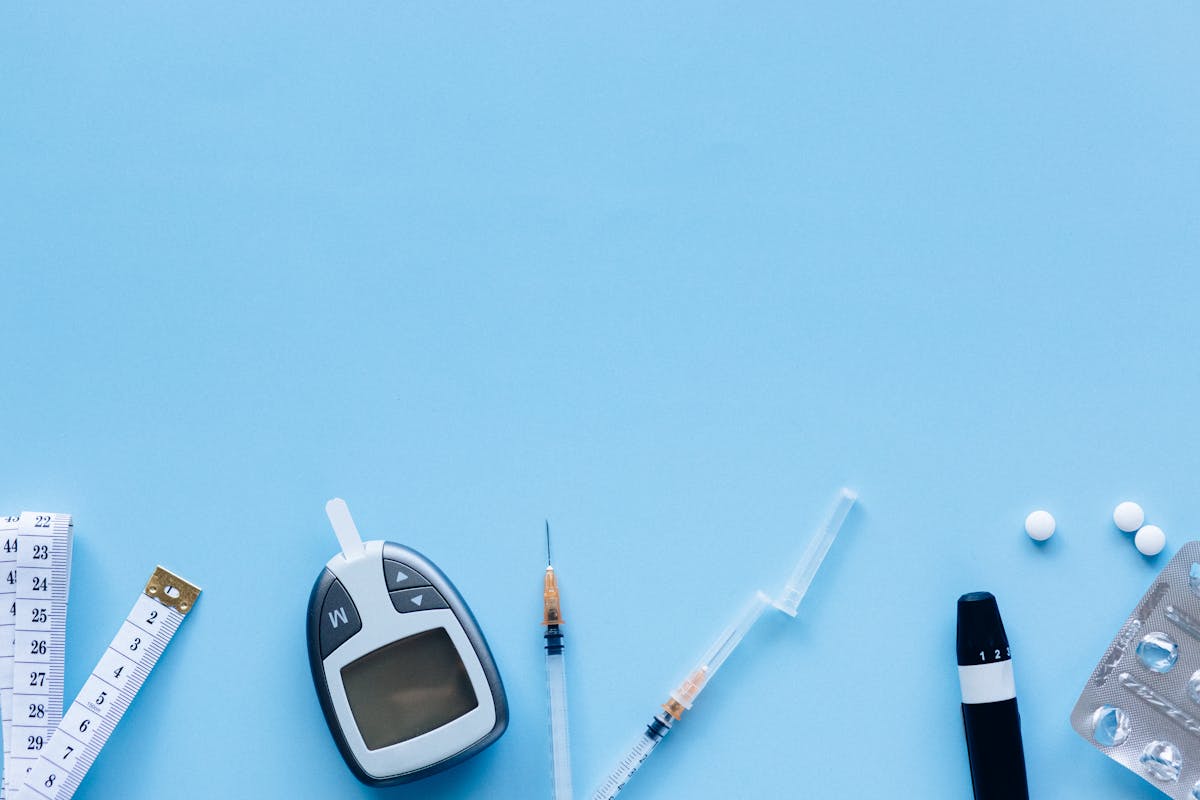
If you or someone you love is on a GLP‑1 agonist, you’ve probably noticed how drastically appetite can change. Many people suddenly go from thinking about food all day to struggling to finish half a plate. That shift can feel liberating—but it also raises big questions: Are you getting enough protein? What about vitamins and minerals? How do you keep your muscles and bones strong? And what happens nutritionally when you stop the medication?
Let’s walk through what’s driving the “Ozempic diet” conversation, what dietitians and clinicians are recommending, and how you can respect both your hunger cues and your long‑term health.
Why GLP‑1 Drugs—and the ‘Ozempic Diet’—Are Everywhere
Over roughly the past two years, GLP‑1 receptor agonists such as Ozempic (semaglutide), Wegovy, and tirzepatide drugs like Mounjaro/Zepbound have shifted from niche tools for managing type 2 diabetes to front‑page news. Their ability to significantly reduce appetite and support weight loss has turned them into a cultural touchpoint.
- Celebrity influence: Rumors and confirmations of GLP‑1 use among high‑profile actors, musicians, and influencers have kept these medications in the entertainment and social media spotlight.
- Visible transformations: Before‑and‑after photos and rapid transformation stories generate enormous engagement on TikTok, Instagram, and YouTube.
- Nutrition questions: As more people try these drugs, clinicians and dietitians are racing to address side effects, muscle preservation, and long‑term metabolic health.
These medications change how your brain and gut talk to each other about food. The challenge is making sure the conversation still includes strength, nourishment, and joy—not just the number on the scale.
How GLP‑1 Medications Change the Way You Eat
GLP‑1 drugs mimic hormones that help regulate blood sugar and appetite. They slow stomach emptying, increase feelings of fullness, and dampen cravings. In real life, that can look like:
- Feeling satisfied after just a few bites of food.
- Forgetting meals you would never have skipped before.
- Strong aversions to greasy or ultra‑rich foods.
- Occasional nausea, reflux, or constipation, especially early on.
From a purely weight‑loss standpoint, that decreased appetite helps. But nutrition is about more than eating less. It’s about what still fits on your plate—and how to make those smaller portions work harder for your body.
Protein, Muscle, and the Risk of Losing More Than Fat
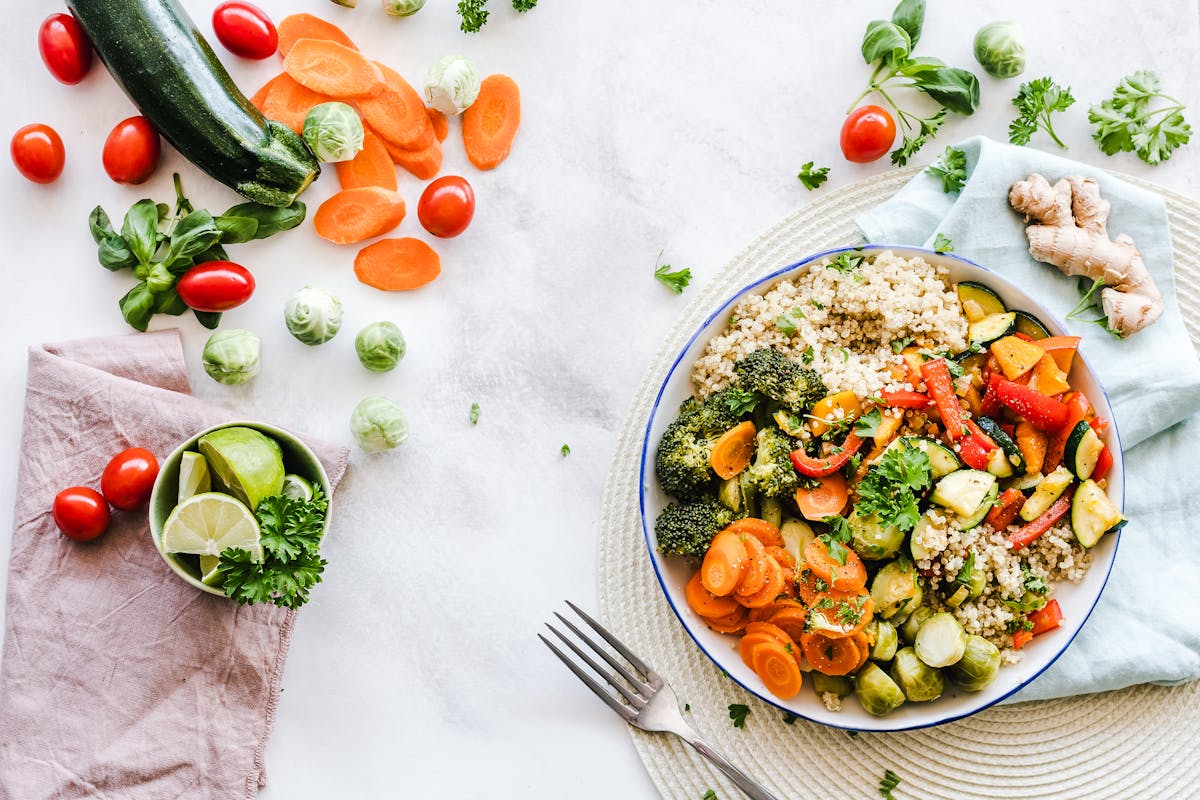
One of the loudest concerns among experts is muscle loss. When calories drop quickly—as they often do on GLP‑1 drugs—the body doesn’t just tap into fat stores. Without enough protein and resistance training, it also breaks down muscle, which you rely on for strength, mobility, and a healthy metabolism.
Many sports dietitians and obesity‑medicine clinicians now suggest higher protein targets for people using GLP‑1 medications, especially if they are active adults:
- Frequently cited ranges: around 1.6–2.2 g of protein per kilogram of body weight per day for active adults (always adjust with your clinician or dietitian based on medical history, kidney health, age, and activity).
- For someone weighing 80 kg (about 176 lbs), that might mean roughly 130–175 g of protein spread across the day.
Hitting those targets can feel intimidating when you’re just not hungry. Focusing on high‑protein, lower‑volume foods helps:
- Greek yogurt or skyr, cottage cheese, and cheese sticks.
- Eggs and egg whites in omelets or soft scrambles.
- Lean meats, poultry, tofu, tempeh, and fish (especially fatty fish like salmon for extra omega‑3s).
- Protein shakes or smoothies made with whey, casein, soy, or pea protein.

Micronutrients: Packing Vitamins and Minerals Into Smaller Meals
When appetite shrinks, it’s not only calories that drop. You may also unintentionally eat fewer food groups, which can mean lower intake of iron, calcium, B‑vitamins, and other micronutrients. That’s why so much GLP‑1 nutrition content emphasizes nutrient‑dense foods—options that give you a lot of nutrition per bite.
Some all‑star choices include:
- Eggs: Protein, choline, B‑vitamins, and healthy fats in a compact, easy‑to‑digest package.
- Greek yogurt and kefir: Protein, calcium, and probiotics to support gut health.
- Leafy greens: Spinach, kale, and arugula for folate, vitamin K, and antioxidants.
- Fatty fish: Salmon, sardines, and mackerel for omega‑3s and vitamin D.
- Berries: Antioxidant‑rich and gentle on the stomach for many people.
- Nuts and seeds: Almonds, walnuts, chia, and flax provide healthy fats, fiber, and minerals.
- Legumes: Lentils, chickpeas, and beans add plant protein, fiber, iron, and magnesium.

Gut Health and GI Side Effects: Eating for Comfort and Regularity
Nausea, constipation, bloating, and reflux are among the most common early side effects of GLP‑1 medications. The way you eat can either soothe or aggravate those symptoms.
Trending GLP‑1 nutrition advice often includes:
- Smaller, more frequent meals: Instead of three large meals, many people feel better with four to six mini‑meals or snacks spread through the day.
- Lower‑fat, less greasy choices: Very high‑fat, fried, or heavy meals sit in the stomach longer and can worsen nausea or reflux.
- Gradual fiber increases: Oats, chia seeds, ground flax, vegetables, and fruits support regularity, but ramp them up slowly and drink plenty of water.
- Hydration: Sipping water, herbal teas, or broth throughout the day is easier on the stomach than chugging big glasses all at once.

Life After Ozempic: Navigating Weight Regain and Long‑Term Eating Patterns
Another hot‑button topic on social platforms is post‑Ozempic weight regain. Many people notice that once they stop the medication, hunger returns—sometimes with a vengeance—and weight can creep back up if old patterns resurface.
That reality has inspired content focused on transition plans and building sustainable nutrition habits long before the last injection:
- Slow calorie increases: Instead of jumping back to pre‑medication portions, dietitians often suggest gradually increasing calories over time while monitoring hunger, energy, and weight trends.
- Anchoring habits: Maintaining a consistent meal rhythm (e.g., three meals plus a protein‑rich snack) helps prevent chaotic eating when appetite returns.
- Pattern‑based, not rule‑based eating: Many experts recommend patterns like a Mediterranean‑style diet or high‑protein, plant‑forward approaches over rigid rules or fad diets.
Think of GLP‑1 medications as a powerful tool, not a permanent replacement for your relationship with food. The goal is to use the time on these drugs to practice skills—like planning balanced plates, honoring hunger cues, and strength training—so you’re better equipped if and when you stop.
Ethics, Access, and the Risk of a New Diet Culture
Alongside recipe videos and transformation stories, there’s a serious ethical conversation unfolding around GLP‑1 drugs:
- Off‑label cosmetic use: Some clinicians and advocates worry about prescriptions for people without clear medical indications, while others emphasize weight‑neutral care and the complexity of obesity as a disease.
- Access and shortages: Spikes in demand have at times made it harder for people with type 2 diabetes to access medications originally designed for their condition.
- Replacing diet culture with drug culture: There’s concern that we’re simply swapping one form of pressure (extreme dieting) for another (reliance on a medication) instead of addressing weight stigma and social determinants of health.
Many clinicians call for a more balanced narrative: one that respects evidence for GLP‑1s in treating obesity and diabetes, while also respecting people who choose not to use them, and centering long‑term wellbeing over quick fixes.
A healthy future with GLP‑1 medications means talking not just about weight loss, but also about equity, mental health, stigma, and the everyday realities of feeding yourself well.
What to Eat on Ozempic: A Practical, Food‑Lover’s Guide
Let’s pull everything together into a simple, supportive framework. Think less in terms of strict rules and more in terms of priorities for your smaller appetite:
1. Start With Protein
Build each meal around a protein anchor, then add color and texture:
- Breakfast: Greek yogurt with berries and chia, or scrambled eggs with spinach and feta.
- Lunch: Lentil soup with whole‑grain toast, or a chicken and quinoa salad.
- Dinner: Salmon with roasted vegetables and a small serving of whole grains or potatoes.
2. Layer in Plants for Fiber and Micronutrients
Aim for vegetables or fruit at most meals, even in small amounts—a handful of cherry tomatoes, a side of sautéed greens, or an orange with your snack all count.
3. Choose Friendly Fats
Prioritize olive oil, avocado, nuts, seeds, and fatty fish over very heavy, fried foods to keep things easier on your stomach and heart.
4. Respect Your Fullness—Without Fearing Food
On GLP‑1s, your “I’m done” signal might show up faster. That’s okay. It’s fine to save half your meal for later. What matters is that across the day, you’re getting enough total energy and nutrients to feel steady and strong.
From TikTok to Podcasts: How Social Media Frames the ‘Ozempic Diet’
Search almost any platform right now and you’ll find:
- “What I eat on Ozempic” vlogs and daily food diaries.
- GLP‑1 friendly high‑protein recipes and meal prep videos.
- Long‑form podcast episodes where clinicians explain drug mechanisms, risks, and ethical debates.
This surge of content has upsides—more people are hearing about protein targets, resistance training, and gut health. But it also risks glamorizing rapid weight loss without highlighting serious medical nuances or mental‑health impacts.
Why Medical and Nutrition Guidance Matter
GLP‑1 medications are powerful and should always be used under medical supervision. This is especially true if you live with:
- Type 2 diabetes or other metabolic conditions.
- Pre‑existing gastrointestinal issues.
- A history of eating disorders or disordered eating.
- Kidney, liver, or pancreatic disease.
Online advice—including this article—can offer general education, but it cannot replace individualized care. A partnership between your prescriber, a registered dietitian (ideally with experience in obesity and diabetes care), and when needed a mental‑health professional can help you navigate:
- Appropriate dosing and monitoring of side effects.
- Realistic weight‑loss expectations and maintenance strategies.
- Protecting your relationship with food and body image.
If something feels off—severe nausea, signs of malnutrition, dizziness, or emotional distress around food—please reach out to your medical team promptly.
Bringing It All Together: Nourishment, Not Just Numbers
GLP‑1 drugs like Ozempic and Wegovy are changing the landscape of weight‑loss and diabetes care, and with that comes a wave of new hopes, fears, and questions about how to eat. Amid the noise, a few themes stand out: prioritize protein, protect your muscles, pack your smaller meals with nutrients, support your gut, and plan for life beyond the injection pen.
Most importantly, your worth is not defined by your dosage, your diet, or your weight. Whether you choose GLP‑1 medications or not, you deserve a way of eating that feels sustainable, respectful of your body, and connected to the simple pleasures of food—its colors, textures, aromas, and the memories it carries.
If you’re ready for more tailored support, consider asking your healthcare provider for a referral to a registered dietitian experienced with GLP‑1 medications. You don’t have to navigate this new landscape alone.
