
Heartbreak in East LA: Con Artists Steal Necklace Holding Woman’s Late Daughter’s Ashes
An elderly woman in East Los Angeles was scammed out of a necklace containing her late daughter’s ashes after two apparent con artists approached her asking for directions, embraced her in a seemingly kind gesture, and quietly slipped the pendant off her neck. The necklace had little resale value, but to her it was everything—a portable memorial she wore close to her heart every day.
A Hug, a Prayer, and a Priceless Loss
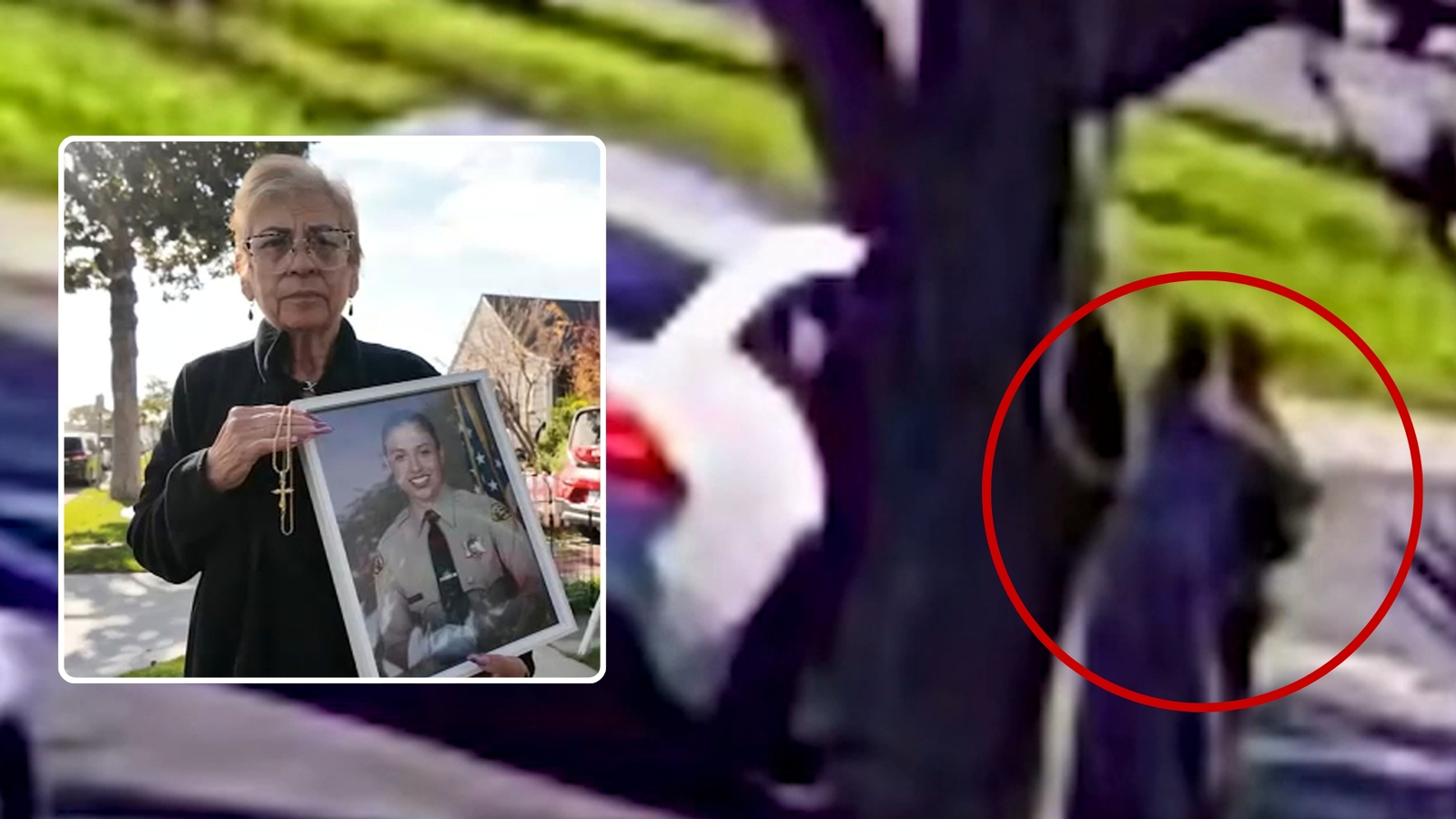
According to a report from ABC7 Los Angeles, the encounter unfolded in East LA when a pair of strangers in a vehicle stopped the woman under the guise of needing help. They asked for directions, asked her to pray for them, and then one of them offered a hug. That moment of vulnerability and trust was all the thieves needed to remove the necklace that held her late daughter’s ashes—an item that cannot be replaced or repaired.
The Scam in East Los Angeles: What We Know
The East LA case, as reported by KABC/ABC7, follows a familiar pattern: two suspects in a vehicle approach an older adult, initiate a warm, emotionally charged interaction, and use physical contact as cover to steal jewelry or other valuables. In this instance, the “valuable” wasn’t gold weight or designer branding—it was a pendant holding the cremated remains of the victim’s late daughter.
Investigators with Los Angeles County authorities are reportedly reviewing surveillance footage from the area and urging anyone with information to come forward. These cases can be notoriously difficult to solve, as the suspects often move quickly between neighborhoods and sometimes even between counties.
“Little did the thieves know, the necklace contained the woman’s late daughter’s ashes.”
That line from local coverage captures what makes this particular theft feel especially cruel. What might look like “just another necklace” to a stranger was, in reality, a mobile shrine—something many grieving parents and family members rely on as a quiet, daily ritual of remembrance.
Why Memorial Jewelry Matters: Grief You Can Wear
Memorial jewelry—necklaces, lockets, rings, or bracelets that hold ashes or hair—occupies a specific space in our cultural relationship to grief. It’s part Victorian mourning tradition, part modern wellness culture, and part deeply personal spirituality. These pieces are rarely about status; they’re about staying tethered to someone you’ve lost in a way that’s tangible but private.
You can see versions of this in everything from 19th-century hair lockets to contemporary Etsy shops specializing in ash-infused glass beads. For many people, especially parents who’ve lost a child, these items are quietly sacred. They let you carry your loved one into the grocery store, onto the bus, or through a tough doctor’s appointment without needing to explain your grief to anyone.
That’s what turns this East LA theft from “property crime” into something closer to emotional vandalism. The thieves didn’t just take an object—they disrupted a ritual and a relationship.
How “Hug Scams” Work: The Emotional Manipulation Behind the Crime
Law enforcement agencies across the U.S. and Europe have warned about so‑called “hug scams” or “distraction jewelry thefts.” The mechanics are simple but psychologically sharp:
- Approach with a favor: asking for directions, prayers, or help—anything that cues empathy.
- Create emotional intimacy fast: invoking family, illness, or religious language.
- Introduce physical contact: a hug, a touch on the shoulder, or “trying on” jewelry.
- Swap or steal: thieves either remove the real necklace or swap it for cheap costume jewelry.
- Leave fast: the victim often doesn’t realize what happened until the scammers are gone.
What’s particularly striking here is the use of spirituality—asking for prayers—as part of the script. It’s a deliberate play on cultural norms in many Latino and religious communities, where offering blessings or a hug to someone in distress feels not only kind but almost morally required.
The scam hinges on one brutal calculation: that the victim’s instinct to help will briefly override their instinct to protect themselves.
East LA, Vulnerability, and the Politics of Everyday Safety
East Los Angeles, with its dense neighborhoods and strong multigenerational households, is the kind of place where people still stop to talk to each other. That’s a strength—but, as this incident shows, it can also be weaponized by people willing to exploit trust.
Crimes against elders often spark a particular kind of outrage. They tap into intergenerational ethics: the idea that our parents and grandparents should be protected, not targeted. In Latino and immigrant communities, that expectation is even more loaded, because older relatives are often guardians of language, tradition, and family history.

The emotional texture of this story isn’t just “crime report”; it’s about how safe it feels to move through your own neighborhood, how much you can trust strangers, and whether acts of kindness are still worth the risk.
True Crime, Local News, and the Story We Tell About Victims
Stories like this live in a gray zone between straight local news and the broader true‑crime ecosystem that dominates streaming and podcasts. On one hand, ABC7’s coverage serves a clear public‑service function: alerting viewers to a specific scam and asking for help identifying the suspects. On the other, it also fits into a now-familiar media rhythm where emotionally charged crimes—especially those involving elders or children—become clickable content.
To its credit, the reporting centers the victim’s loss without sensationalizing the thieves or glamorizing the crime. The focus stays on the necklace’s meaning, not on any lurid details. That’s a crucial ethical line, especially in an era where some true‑crime storytelling can feel disturbingly close to entertainment.
There’s also a cultural literacy aspect: the story taps into ongoing conversations about how society values senior citizens, what “justice” looks like for nonviolent but deeply traumatic crimes, and whether traditional street‑level policing is enough to address emotional harms that don’t show up neatly in property‑loss statistics.
Safety Without Paranoia: Practical Takeaways for Families
While the emotional weight of this East LA case is specific, the practical lessons are broadly relevant—especially for families with older relatives who walk, shop, or commute alone.
- Talk explicitly about “hug scams”: Many elders simply haven’t heard of this tactic. Naming it can break the spell.
- Set boundaries around physical contact: It’s okay to say no to hugs, jewelry “gifts,” or strangers trying to put anything around your neck or wrist.
- Secure sentimental items: If a necklace carries ashes or irreplaceable mementos, consider when and where it’s worn.
- Create code phrases: Families can agree on simple phrases older relatives can use to exit uncomfortable interactions (“Sorry, my son is waiting for me,” etc.).
- Encourage reporting—even if it feels “small”: Police can’t spot patterns if people stay silent out of embarrassment.
The goal isn’t to turn grandparents into amateur detectives or to make every stranger feel like a threat. It’s about giving them enough information to recognize a red flag in time to walk away.
Grief, Anger, and the Search for Closure
For the woman at the center of this story, no arrest or conviction can truly “fix” what’s been taken. Even if the necklace is recovered, its journey through the hands of strangers may feel like a violation on top of a violation. That emotional calculus is something the legal system isn’t great at measuring.
But there is still room for meaningful closure. Community solidarity—neighbors looking out for each other, sharing security footage, or simply acknowledging her loss—can help counter the isolation that often follows victimization. Media coverage that treats her grief as real and important, not just a hook, also matters.
The true center of this story isn’t the thieves, but a mother still trying to carry her daughter with her in a world that has already taken too much.
Where to Learn More and How to Help
For details on this specific case, including any updated suspect descriptions or surveillance images, refer directly to the original coverage from:
If you live in the Los Angeles area and recognize the described scam pattern, local authorities urge you to contact your nearest sheriff’s station or use non‑emergency reporting channels. Even small tips can help identify repeat offenders who move between neighborhoods looking for vulnerable targets.
A Final Word: Protecting Both People and What They Hold Sacred
The East Los Angeles necklace theft sits at the intersection of crime, culture, and grief. It’s about a scam tactic, yes—but it’s also about what we choose to carry with us, and how easily that can be taken away.
As distraction scams evolve, the most effective counter isn’t fear, but awareness. The more these stories are told with nuance and empathy, the better chance communities have to protect their elders—and the memories they refuse to let go of.
