
Inside the Blake Lively vs. Justin Baldoni Legal Showdown: What Deadline’s Latest Update Really Means
Blake Lively & Justin Baldoni: Why Their Court Showdown Is Bigger Than One Movie
Blake Lively and Justin Baldoni, co‑stars and producers of the film adaptation of It Ends With Us, are now locked in a very different kind of drama. According to a new Deadline report, the two are set to meet in court‑ordered settlement talks early next year over Lively’s sexual harassment and retaliation lawsuit against Baldoni and related parties—yet insiders say no meaningful progress is expected, and a full trial still looms in the background.

The case now sits at the intersection of Hollywood workplace culture, #MeToo accountability, and the business pressures surrounding a buzzy book‑to‑screen adaptation—raising questions about what happens when an on‑screen partnership fractures in real time.
From BookTok Phenomenon to Contentious Collaboration
To understand the stakes, it helps to start with the source material. Colleen Hoover’s It Ends With Us became one of the defining titles of the TikTok‑driven “BookTok” era: a contemporary romance that folds in serious themes of domestic abuse and cycles of trauma. That built‑in audience made a film adaptation all but inevitable—and highly valuable.
Justin Baldoni, already known for his work on Jane the Virgin and his own directorial efforts like Five Feet Apart, secured the adaptation rights through his company Wayfarer Studios. Blake Lively, with her post‑Gossip Girl reputation as both a bankable star and savvy producer, joined the project as its lead and a creative force behind the scenes.
What was supposed to be a buzzy collaboration between two media‑savvy figures has since morphed into a legal battle that now threatens to overshadow the film itself.
Inside the Lawsuit: Harassment, Retaliation, and a Fractured Partnership
Lively’s lawsuit, filed earlier in 2025, alleges sexual harassment and retaliation connected to her work on It Ends With Us. The filings, as summarized in entertainment trades, paint a picture of a production environment in which she says boundaries were crossed and professional concerns were not properly addressed. Baldoni and associated defendants have denied wrongdoing, setting up a classic Hollywood he‑said‑she‑said, but with real legal stakes and reputational fallout on both sides.
“When power dynamics on set go unchecked, accountability often happens only after the cameras stop rolling.”
The lawsuit has reportedly expanded into a “sprawling” action, involving multiple claims and parties. That complexity is part of why the judge is steering the case toward settlement talks: sprawling litigation is expensive, slow, and unpredictable, especially when it overlaps with an active film release strategy and talent relationships that spiderweb across the industry.

The Upcoming Settlement Talks: Why No One Expects a Breakthrough
According to Deadline’s latest reporting, Lively and Baldoni are scheduled to attend court‑mandated settlement talks early next year. On paper, this is the court’s effort to nudge both parties toward a resolution without putting a full trial on the calendar.
Behind the scenes, however, sources suggest neither side is walking into the room expecting miracles. That’s not unusual. By the time a case reaches this stage—especially one involving sexual harassment and alleged retaliation—both camps typically have dug in around narrative, financial terms, and public‑relations strategy.
- Reputational risk: Both Lively and Baldoni have carefully built public brands. Any settlement risks being read as an admission, even if the paperwork says otherwise.
- Precedent anxiety: High‑profile harassment settlements can influence future cases; studios and insurers are wary of opening the floodgates.
- Creative control and credit: Beyond money, there are often disputes over cuts, promotion, and how involved each party will be with future releases or spin‑offs.
So when Deadline notes that “no progress” is expected, it’s not cynicism; it’s an acknowledgment of how far apart the parties likely are on both money and meaning.
Hollywood After #MeToo: The Industry Context Around the Case
This dispute doesn’t exist in a vacuum. Since the mainstream emergence of the #MeToo movement in 2017, Hollywood has re‑examined workplace norms, harassment protocols, and power imbalances—at least on paper. Intimacy coordinators, new HR structures, and “zero‑tolerance” policies are now standard language in studio press releases.
Yet the continued stream of harassment and retaliation lawsuits suggests that culture changes more slowly than policy. The Lively–Baldoni battle is part of a wave of cases that test whether high‑profile talent can hold each other accountable, not just studios or executives in dark suits.

“The real shift comes when stars are willing to hold other stars to account. That’s when the informal power structure starts to change.”
For studios, the lesson is uncomfortable but clear: every major production is now also a workplace risk scenario, especially when built around personalities with their own companies, brands, and social‑media ecosystems.
What It Means for It Ends With Us as a Film and Franchise
From a purely commercial standpoint, the timing is brutal. Adaptations of mega‑popular novels live or die on fan goodwill. Many readers came to It Ends With Us because of its sensitive depiction of trauma and healing; a public fight over alleged harassment and retaliation undercuts that messaging before the film even lands.
Studios have a few playbook strategies when a project is overshadowed by off‑screen controversy:
- Soft‑pedal the press tour: Limit joint appearances, avoid tough interviews, and let the film “speak for itself.”
- Lean into the source material: Make author Colleen Hoover and the book’s themes, not the cast, the center of promotion.
- Window dressing with philanthropy: Partner with domestic‑violence or survivor‑support organizations, signaling seriousness about the film’s subject matter.
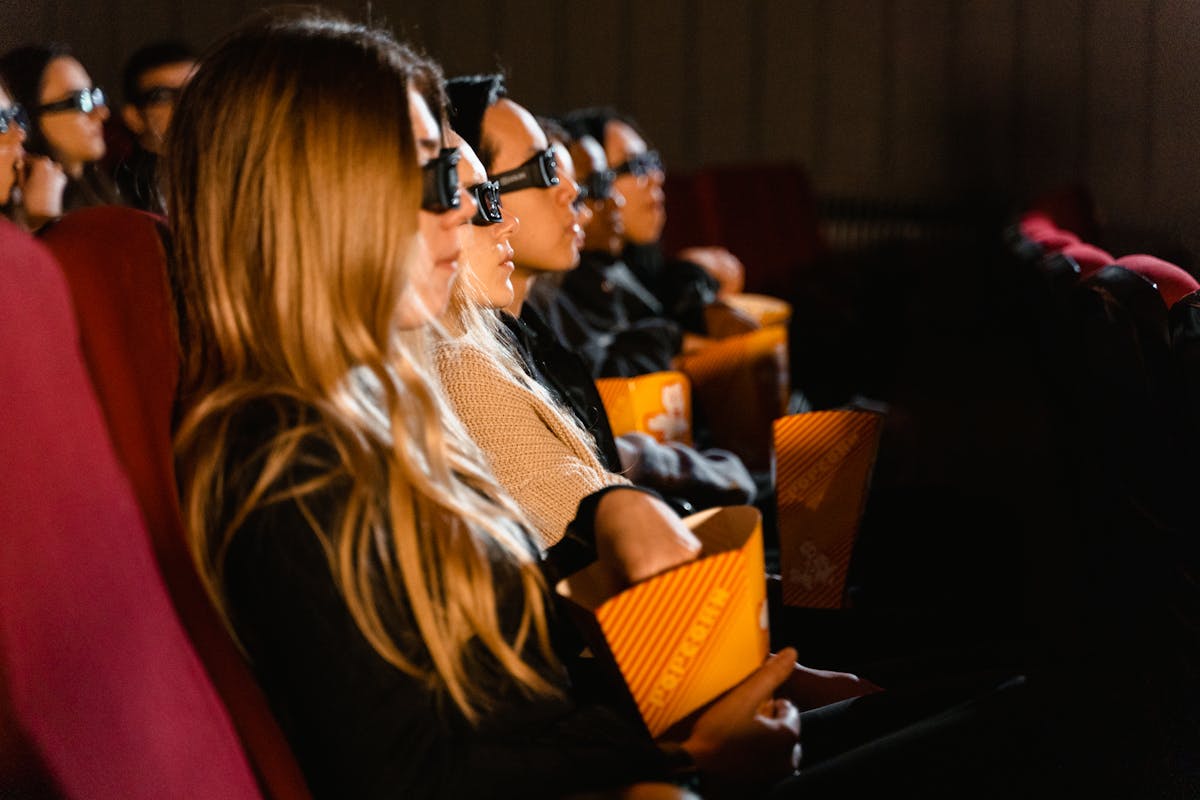
The bigger, longer‑tail question is whether the film remains a one‑off adaptation or a launchpad for further Hoover titles on screen. Ongoing litigation makes any sequel or related project with the same creative pairing a much harder sell.
The Case in Cultural Terms: What’s Gained, What’s Lost
In terms of public conversation, there are both upsides and downsides to this highly visible conflict.
Potential Upsides
- Visibility for on‑set conduct issues: When A‑listers litigate, it’s harder for the industry to dismiss similar complaints from below‑the‑line workers.
- Pressure on studios: Distributors and financiers have to build better protections into contracts and daily production practices.
- Nuanced discourse: The case complicates easy hero/villain narratives, forcing conversations about power on all sides of the camera.
Potential Downsides
- Fan fatigue: Audiences drawn in by romance and catharsis may feel alienated by real‑world controversy.
- Chill on collaboration: Some creatives may become more guarded—or more litigious—when disputes arise.
- Weaponized narratives: Online fandoms can oversimplify, taking sides aggressively before a court has weighed evidence.

What to Watch Next: Trial Looms, Optics Shift, and Careers Adapt
With settlement talks on the calendar but pessimism in the air, the most likely near‑term outcome is continued stalemate. A trial would extend this saga well beyond the news cycle of the film’s release, locking Lively and Baldoni into a slow‑burn narrative of filings, motions, and carefully worded public statements.
For viewers and readers trying to follow along, a few practical steps:
- Track coverage from established outlets like Deadline, The Hollywood Reporter, and Variety.
- Differentiate between official court documents and social‑media commentary.
- Remember that, until a case is resolved, many filings represent each side’s claims, not established fact.

However the legal chapter ends, it’s likely to shape how both stars choose their next projects, partners, and public personas. In an industry that now sells not just stories but the ethics of who tells them, the fallout from It Ends With Us may be just beginning.
Summary & Context (Structured Data)
Below is structured review‑style metadata to help search engines contextualize this coverage of the Blake Lively and Justin Baldoni legal dispute and its impact on It Ends With Us.
