
Gut Health & Fermented Superfoods: Simple, Flavor-Packed Ways to Nourish Your Microbiome
Gut Health & Fermented Superfoods: From Kimchi to Kefir
Fermented superfoods like kimchi, kefir, sauerkraut, miso, yogurt, and kombucha have moved from niche health stores into everyday kitchens. Their bright tang, gentle fizz, and deep umami don’t just taste incredible—they’re also celebrated for supporting a healthy gut, digestion, immunity, skin, and even mood.
Think of this as your warm, practical guide to the modern gut-health trend: why everyone’s talking about the microbiome, how to choose (and enjoy) fermented foods, and a simple, deeply satisfying Kimchi-Fried Grain Bowl with Kefir-Lime Drizzle you can make tonight.

Why Gut Health & Fermented Foods Are Trending
Over the past few years, “gut health” has gone from obscure science term to a lifestyle pillar. Social feeds are packed with searches and posts around “gut health diet,” “fermented foods,” “kimchi benefits,” “kefir vs yogurt,” and “probiotic foods.” Behind the buzz is a simple idea: a thriving gut microbiome may support your immunity, mood, skin, and weight management.
- Microbiome awareness: Books, podcasts, and clinicians are translating research into day-to-day advice. We now talk about “feeding our gut bugs” almost as casually as we talk about getting steps in.
- Low-effort functional foods: A spoonful of sauerkraut with lunch or a glass of kefir with breakfast feels more realistic than a full diet overhaul.
- Cultural crossover: Traditional staples like Korean kimchi, Japanese miso and natto, and Eastern European sauerkraut are being re-framed as superfoods—without losing their cultural roots.
A little goes a long way: many nutrition-focused creators now recommend 1–2 servings of fermented foods per day as part of a varied, plant-rich diet.

The Gut Microbiome, Probiotics, and Prebiotics
Your gut is home to trillions of microbes—bacteria, yeasts, and other tiny organisms—collectively called the microbiome. A diverse, balanced microbiome is associated with smoother digestion, better immune responses, and emerging links to mental health via the gut–brain axis.
Fermented foods are often framed in two key categories:
- Probiotics: Live, beneficial microbes found in foods like kimchi, kefir, live-culture yogurt, sauerkraut (not vinegar-pickled), kombucha, miso, tempeh, and some cheeses.
- Prebiotics: Fibers and plant compounds that feed your gut microbes. Think beans, lentils, onions, garlic, leeks, oats, and bananas.
The new mainstream narrative pairs the two: add a small serving of fermented food and surround it with a diverse, plant-rich plate—sometimes framed as the “30 plants per week” challenge, including fruits, vegetables, whole grains, nuts, seeds, legumes, herbs, and spices.
How to Enjoy a Daily Fermented “Dose”
One reason fermented foods have become “everyday superfoods” is how easily they slide into meals you already love. You don’t have to eat a mountain of kimchi—just small, consistent servings.
- At breakfast: Stir kefir into a smoothie with berries and oats, or top porridge with live-culture yogurt and nuts.
- At lunch: Add a forkful of sauerkraut or kimchi next to a grain bowl or sandwich.
- At dinner: Whisk miso into soup, glaze, or dressing; serve tempeh with stir-fried vegetables.
- As a drink: Sip kombucha or drinkable kefir as a snack or gentle dessert alternative.
Many creators suggest starting with a few forkfuls or a small glass per day and increasing slowly—especially if you’re not used to high-fiber or fermented foods—to reduce the chance of bloating.

Recipe: Kimchi-Fried Grain Bowl with Kefir-Lime Drizzle
This bowl is a love letter to both gut health and pure comfort. Imagine warm, slightly crisped grains tossed with spicy-sour kimchi, sweet carrots, and scallions, all crowned with a cool, tangy kefir-lime drizzle. It’s fast enough for a weeknight, deeply satisfying, and naturally rich in prebiotics and probiotics.

Equipment You’ll Need
- Large non-stick or cast-iron skillet or wok
- Cutting board and sharp knife
- Medium mixing bowl for sauce
- Measuring cups and spoons
- Spatula or wooden spoon
- Serving bowls
Ingredients
For the Kimchi-Fried Grains
- 2 cups cooked and cooled whole grains (e.g., brown rice, barley, quinoa, or a mix)
- 1 cup well-fermented kimchi, roughly chopped (plus 2 tbsp kimchi juice, if available)
- 1 small carrot, finely sliced or julienned
- 3 scallions, sliced (white and green parts separated)
- 2 cloves garlic, minced
- 1 tbsp neutral oil (avocado, grapeseed, or light olive oil)
- 1 tsp toasted sesame oil
- 1–2 tsp low-sodium tamari or soy sauce, to taste
- 1 tsp gochujang (Korean chili paste), optional for extra heat
- Freshly ground black pepper, to taste
For the Kefir-Lime Drizzle
- 1/2 cup plain, unsweetened kefir (or drinkable yogurt with live cultures)
- Zest of 1/2 lime (finely grated)
- 1–2 tsp fresh lime juice, to taste
- 1 tsp honey or maple syrup (optional, for balance)
- Pinch of fine sea salt
For Serving
- 1/2 avocado, sliced (optional but lovely)
- 1–2 tbsp toasted sesame seeds
- Extra kimchi, on the side
- Fresh herbs (cilantro, shiso, or parsley), chopped
Step-by-Step Cooking Instructions
Prep your ingredients.
Finely slice the carrot and scallions, separating white and green parts. Roughly chop the kimchi. Mince the garlic. If your grains are freshly cooked, spread them on a tray to cool and steam off excess moisture—this helps them fry rather than clump.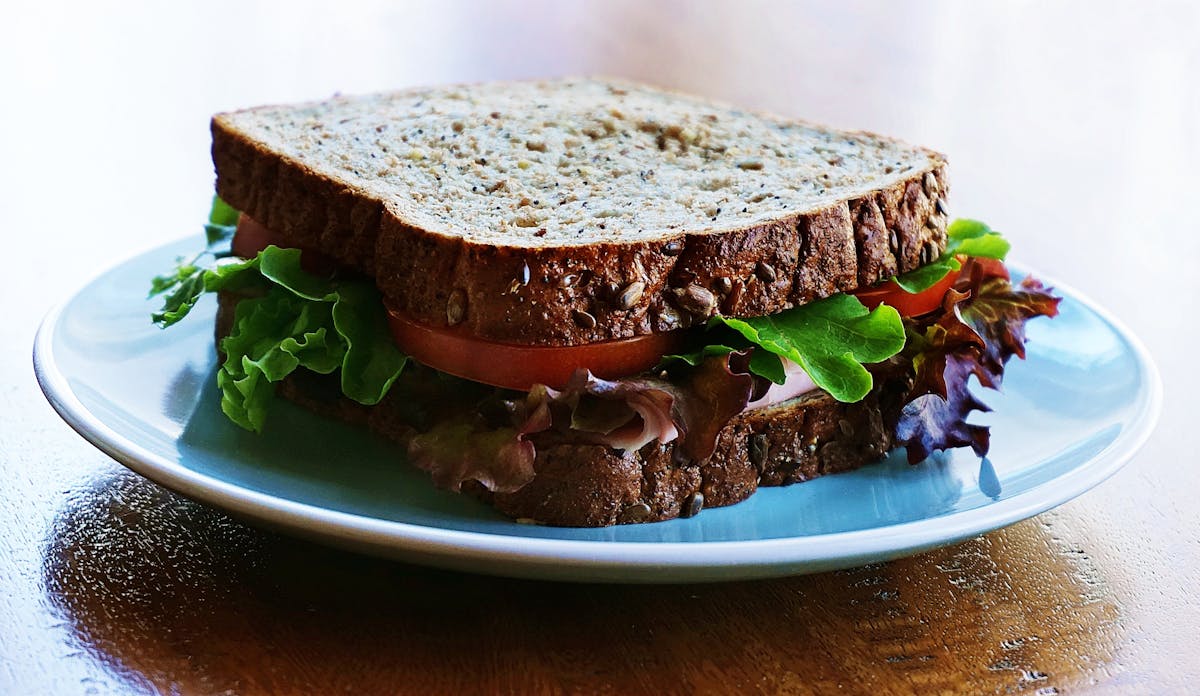
Have everything chopped and ready—stir-fries move quickly once the pan is hot. Make the kefir-lime drizzle.
In a small bowl, whisk together the kefir, lime zest, lime juice, honey or maple (if using), and a pinch of salt. Taste and adjust for tang and salt. It should be pourable, bright, and refreshing. Chill in the fridge while you cook.
The kefir-lime drizzle adds a cooling, tangy contrast to the warm, spicy grains. Sauté aromatics.
Heat the neutral oil in a large skillet or wok over medium-high heat. Add the white parts of the scallions and the garlic. Sauté for about 30–45 seconds, stirring constantly, until fragrant but not browned.Cook the vegetables and kimchi.
Add the sliced carrot and cook for 2–3 minutes until just beginning to soften. Stir in the chopped kimchi (and kimchi juice, if using) and cook for another 1–2 minutes. The kitchen should smell deeply savory and pleasantly tangy.Let the kimchi sizzle briefly to deepen its flavor while keeping some of its texture. Fry the grains.
Add the cooled grains to the pan, breaking up any clumps with your spatula. Drizzle with tamari or soy sauce and, if using, gochujang. Toss everything together, pressing the grains lightly against the pan so they crisp in spots. Cook for 4–5 minutes, until hot and slightly toasted.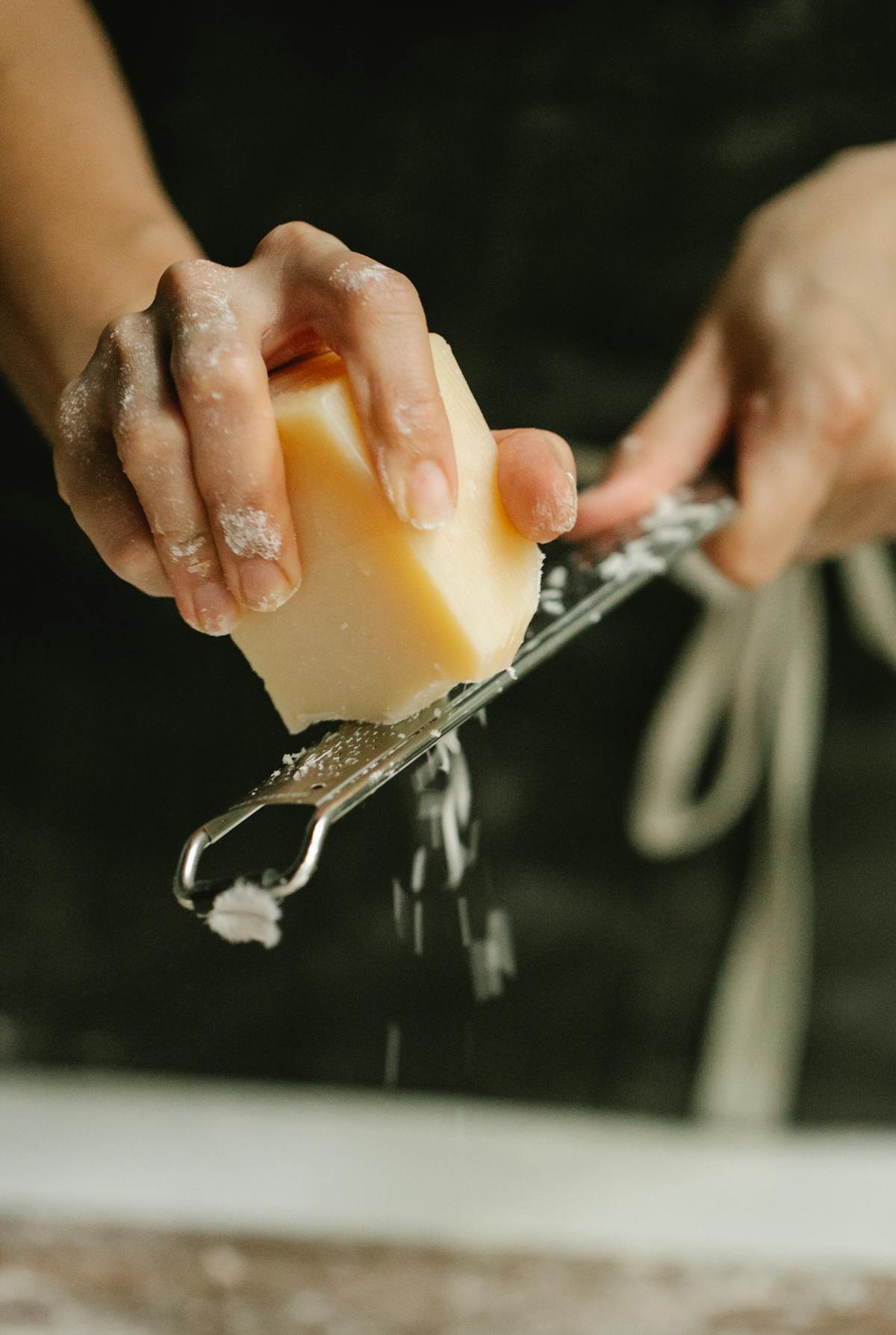
Cold, day-old grains fry up beautifully—look for a bit of toastiness around the edges. Finish with sesame and scallions.
Turn off the heat. Stir in the toasted sesame oil and most of the green parts of the scallions. Taste and adjust seasoning with more tamari, pepper, or kimchi if needed.Assemble the bowls.
Divide the kimchi-fried grains between two bowls. Top with sliced avocado, a generous drizzle of the kefir-lime sauce, extra kimchi, remaining scallion greens, herbs, and toasted sesame seeds. Serve immediately while warm, with extra sauce on the side.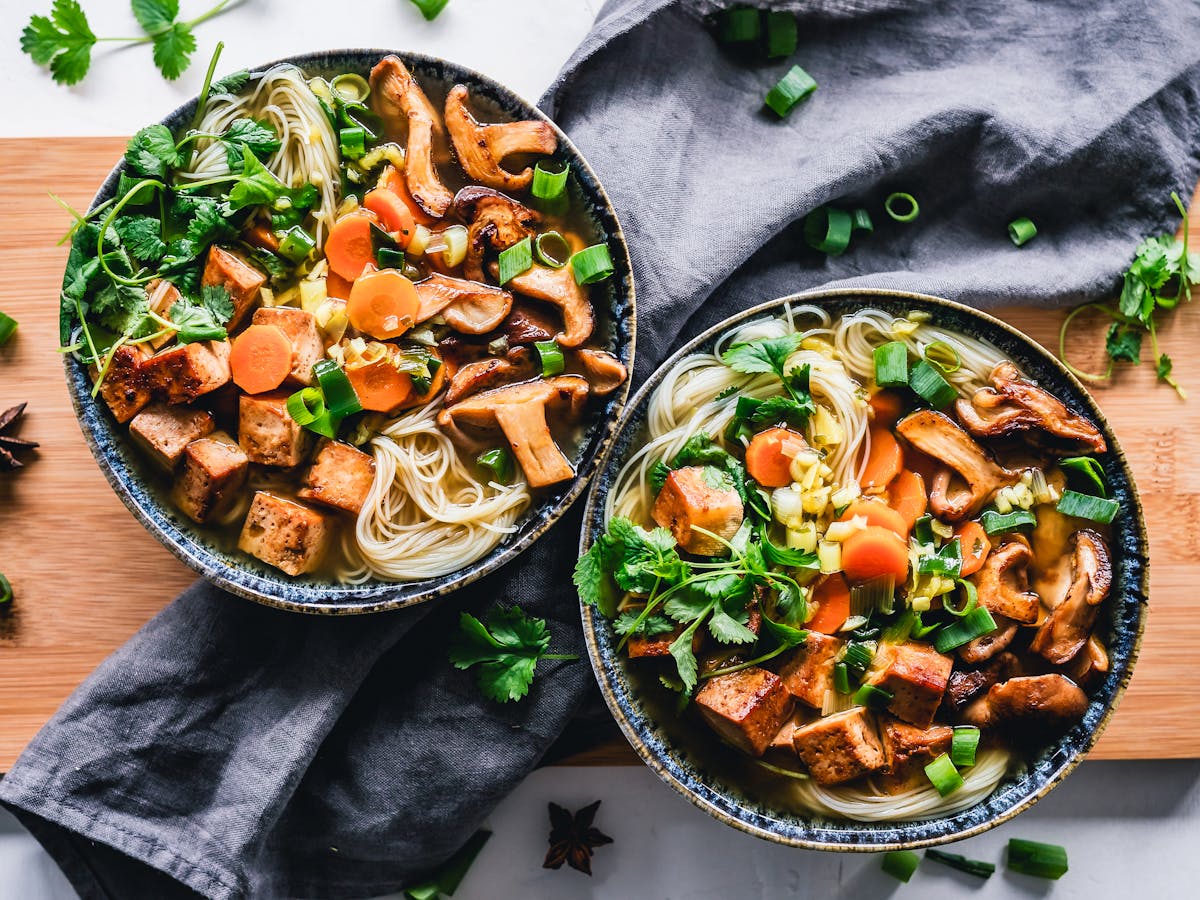
Serve your kimchi-fried grain bowls warm, with plenty of fresh toppings for crunch and color.
Substitutions & Dietary Adaptations
- Gluten-free: Use gluten-free tamari and choose gluten-free grains like brown rice, quinoa, or buckwheat.
- Dairy-free: Swap kefir for an unsweetened, thick plant yogurt with live cultures (such as coconut or almond) thinned with a little water and lime juice.
- Milder spice: Choose a gentler kimchi or rinse it briefly, and skip the gochujang.
- Extra protein: Add a fried or soft-boiled egg, pan-seared tempeh, tofu, or leftover shredded chicken on top.
- Different ferments: No kimchi? Try a mix of sauerkraut and finely sliced cabbage sautéed with garlic and chili flakes.
Storage & Reheating
This bowl is at its best fresh, but you can easily turn it into a make-ahead gut-friendly lunch.
- Kimchi-fried grains: Store in an airtight container in the fridge for up to 3 days.
- Kefir-lime drizzle: Store separately in a jar in the fridge for up to 3 days. Shake or stir before using.
Reheating:
Warm the grains in a skillet over medium heat with a splash of water or broth until hot. Alternatively, microwave in 30-second bursts, stirring in between. Add fresh toppings and sauce just before serving to keep flavors bright.
Serving Ideas & Complementary Dishes
To build a full gut-friendly meal, think about layering fermented foods, fiber, and color.
- Start with a small glass of plain kefir or a low-sugar kombucha.
- Serve the kimchi-fried grain bowl alongside a simple miso soup with tofu and seaweed.
- Add a crisp side salad with mixed greens, shredded cabbage, nuts, and a olive-oil and herb dressing for extra polyphenols.
- Finish with a small bowl of berries and a spoonful of live-culture yogurt for dessert.
How to Shop for Fermented Superfoods
Not all jars and bottles in the “pickles” aisle are created equal. For gut health support, labels matter.
- Look for: “Raw,” “unpasteurized,” or “live and active cultures” on kimchi, sauerkraut, yogurt, and kefir.
- Short ingredient lists: Ideally just vegetables, salt, water, and spices for kraut and kimchi; milk and cultures for kefir and yogurt.
- Refrigerated storage: Most live ferments are kept cold.
- Minimal added sugar: Especially in kombucha and flavored yogurts.
When in doubt, choose products that look closest to homemade and keep the ingredient list simple and recognizable.
Gentle Ways to Get Started with Fermented Foods
If you’re new to fermented foods, think of them like strong spices: powerful, delicious, and best introduced slowly while you learn your own preferences and tolerance.
- Start with a few forkfuls of kimchi or sauerkraut, or 1/4–1/2 cup of kefir per day.
- Pair ferments with meals, not on an empty stomach, to reduce potential discomfort.
- Notice how you feel over a week or two—everyone’s microbiome and digestion are unique.
- Gradually diversify: add miso, tempeh, natto, or different styles of yogurt as you go.
With time, these tangy, vibrant foods often shift from “health experiment” to deeply comforting staples you crave.
