
Protein-Forward Power Meals: How High-Protein, High-Satiety Eating Is Transforming Everyday Diets
The protein‑forward diet is having a moment—and for good reason. Instead of another rigid fad, it’s a flexible, science‑backed way of eating that simply puts protein at the center of the plate to help you feel full, support lean muscle, and steady your energy all day.
From viral “high‑protein breakfasts” to clever cottage‑cheese hacks, people are discovering how satisfying it can be to build meals around flavorful, high‑protein foods. Think creamy Greek yogurt bowls, sizzling egg scrambles, tofu stir‑fries, and juicy, well‑seasoned chicken or tempeh—paired with colorful vegetables, fiber‑rich grains, and healthy fats.
Below, you’ll find an in‑depth guide to this trending protein‑forward eating style plus a delicious, high‑protein recipe you can cook today to experience the benefits in your own kitchen.
Why the Protein‑Forward Diet Is Trending Now
Across social media and search platforms, interest in high‑protein diets, “protein‑forward meals,” and “high‑protein breakfasts” has surged. Creators—from registered dietitians to strength coaches—are highlighting how centering meals on protein can make eating well feel easier and more satisfying.
- Satiety science is going mainstream: Protein is the most filling macronutrient. When people increase their protein intake, they often notice fewer cravings, less late‑night snacking, and an easier time maintaining a moderate calorie deficit without feeling deprived.
- Body recomposition goals: Instead of simply “losing weight,” many people now aim to lose fat while preserving or building muscle, especially alongside strength training. Protein is essential for this kind of body recomposition.
- Fits many eating styles: Protein‑forward eating can be adapted to keto, Mediterranean, flexitarian, plant‑based, and macro‑tracking approaches, which makes it widely appealing.
The Science of Protein, Satiety, and Metabolic Health
Protein does much more than “build muscle.” It affects how full you feel, how stable your blood sugar is, and how your body maintains lean tissue as you age.
Higher‑protein meals generally lead to greater satiety, fewer cravings, and better preservation of muscle during fat loss compared with lower‑protein diets at the same calories.
- Satiety: Protein stimulates hormones that tell your brain you’re full, which can naturally reduce portions and snacking.
- Thermic effect: Your body uses more energy to digest protein than carbs or fats, slightly increasing daily calorie burn.
- Muscle protection: During weight loss or aging, adequate protein (plus resistance training) helps preserve lean muscle, which supports a healthy metabolism.
- Blood sugar stability: Pairing protein with fiber‑rich carbs and healthy fats smooths blood sugar spikes and crashes, keeping energy steadier.
For most active adults and those trying to lose fat while preserving muscle, many sports nutrition guidelines now suggest roughly 1.2–2.0 g of protein per kilogram of body weight per day, depending on goals, training intensity, and medical context.
Key Features of Protein‑Forward Eating
1. High‑Protein Breakfasts
One of the biggest shifts is at breakfast. Instead of sugary pastries or low‑protein cereal, more people are choosing meals that deliver 25–40 g of protein right out of the gate to cut mid‑morning hunger.
- Egg scrambles or omelets with veggies and cheese
- Greek yogurt or skyr with berries, nuts, and seeds
- Cottage cheese bowls with fruit and crunchy toppings
- Tofu or tempeh scrambles for a plant‑based option
- Protein smoothies with whey, casein, or plant protein plus fiber‑rich additions
- Overnight oats fortified with protein powder or skyr
2. Convenient Protein Foods
Convenience is crucial for staying consistent. Popular grab‑and‑go protein choices include:
- High‑protein yogurts and skyr
- Protein puddings and ready‑to‑drink shakes with minimal added sugar
- Canned tuna, salmon, or sardines
- Rotisserie chicken or pre‑cooked chicken breast strips
- Plant options like edamame, tempeh, seitan, and high‑protein tofu
- Low‑sugar protein bars with simple ingredient lists
3. Viral “Protein Hacks”
Social feeds are full of creative ways to sneak protein into everyday foods without sacrificing enjoyment:
- Adding unflavored whey or collagen to coffee (“proffee”)
- Blending cottage cheese into sauces, dips, ice creams, and pancake batters
- Using Greek yogurt instead of sour cream or mayo in dressings and dips
- Baking high‑protein oats, muffins, and pancakes using protein powder
4. Macro‑Aware Recipes
Many creators now label recipes with protein grams per serving, sharing full days of eating such as “140 g protein on a budget.” The goal is to hit roughly 30+ g of protein at each main meal, with snacks filling in the rest as needed.
How to Build a Protein‑Forward Plate (Without Diet Rules)
A protein‑forward plate is more about structure than strict rules. A helpful visual is:
- ¼–⅓ of your plate: protein (chicken, lentils, tofu, fish, eggs, Greek yogurt, lean beef, tempeh)
- ½ of your plate: colorful vegetables, fresh or cooked
- ¼ of your plate: fiber‑rich carbs (beans, whole grains, potatoes, fruit)
- 1–2 thumb‑size servings of healthy fats (olive oil, avocado, nuts, seeds)
One‑Pan Protein‑Forward Greek Yogurt Chicken & Veggie Bake
Recipe Summary
Prep time: 20 minutes
Cook time: 30 minutes
Total time: 50 minutes
Servings: 4 servings
Difficulty: Easy–Intermediate
Approx. protein: ~38–42 g per serving

Ingredients
For the Chicken & Marinade
- 1 kg (about 2.2 lb) boneless, skinless chicken thighs, trimmed of excess fat
- 1 cup (240 g) plain Greek yogurt (2% or 5% milkfat for best flavor)
- 3 tablespoons extra‑virgin olive oil
- 3 cloves garlic, finely minced
- 1 tablespoon fresh lemon zest (from about 1 lemon)
- 3 tablespoons fresh lemon juice
- 2 teaspoons dried oregano
- 1 teaspoon dried thyme or rosemary
- 1 teaspoon smoked paprika (or sweet paprika)
- 1 teaspoon fine sea salt (plus more to taste)
- ½ teaspoon freshly ground black pepper
For the Veggie Base
- 2 medium bell peppers, any color, sliced into strips
- 1 medium red onion, sliced into wedges
- 1 medium zucchini, sliced into half‑moons
- 1 cup cherry tomatoes, whole or halved
- 1 cup cooked chickpeas (optional, adds plant protein and fiber)
- 1–2 tablespoons extra‑virgin olive oil
- ½ teaspoon dried oregano
- ½ teaspoon salt, or to taste
To Finish & Serve (Optional but Recommended)
- Fresh parsley or dill, chopped
- Lemon wedges
- Cooked quinoa, brown rice, or cauliflower rice (for a lower‑carb option)
- Extra Greek yogurt or a dollop of hummus
Equipment
- Large mixing bowl
- Cutting board and sharp knife
- Measuring cups and spoons
- Large baking dish or rimmed sheet pan (about 9×13 in / 23×33 cm or larger)
- Oven, preheated to 200 °C / 400 °F
- Tongs or a spatula
Instructions
- Preheat the oven.
Set your oven to 200 °C / 400 °F. Lightly grease your baking dish or pan with a bit of olive oil or non‑stick spray. - Make the Greek yogurt marinade.
In a large mixing bowl, whisk together the Greek yogurt, olive oil, minced garlic, lemon zest, lemon juice, dried oregano, thyme or rosemary, smoked paprika, salt, and black pepper until smooth and fragrant. - Marinate the chicken.
Pat the chicken thighs dry with paper towels. Add them to the bowl and coat thoroughly in the yogurt mixture, massaging it into every surface. Let sit while you prep the vegetables (10–15 minutes at room temperature), or cover and refrigerate for up to 12 hours for deeper flavor. - Prepare the veggie base.
In your baking dish, combine bell peppers, red onion, zucchini, cherry tomatoes, and chickpeas (if using). Drizzle with olive oil, sprinkle with oregano and salt, and toss to coat. Spread into an even layer so the veggies roast rather than steam. - Arrange chicken on top.
Place the marinated chicken thighs on top of the vegetables in a single layer. Spoon any remaining marinade over the chicken so it forms a creamy coating. - Bake until juicy and golden.
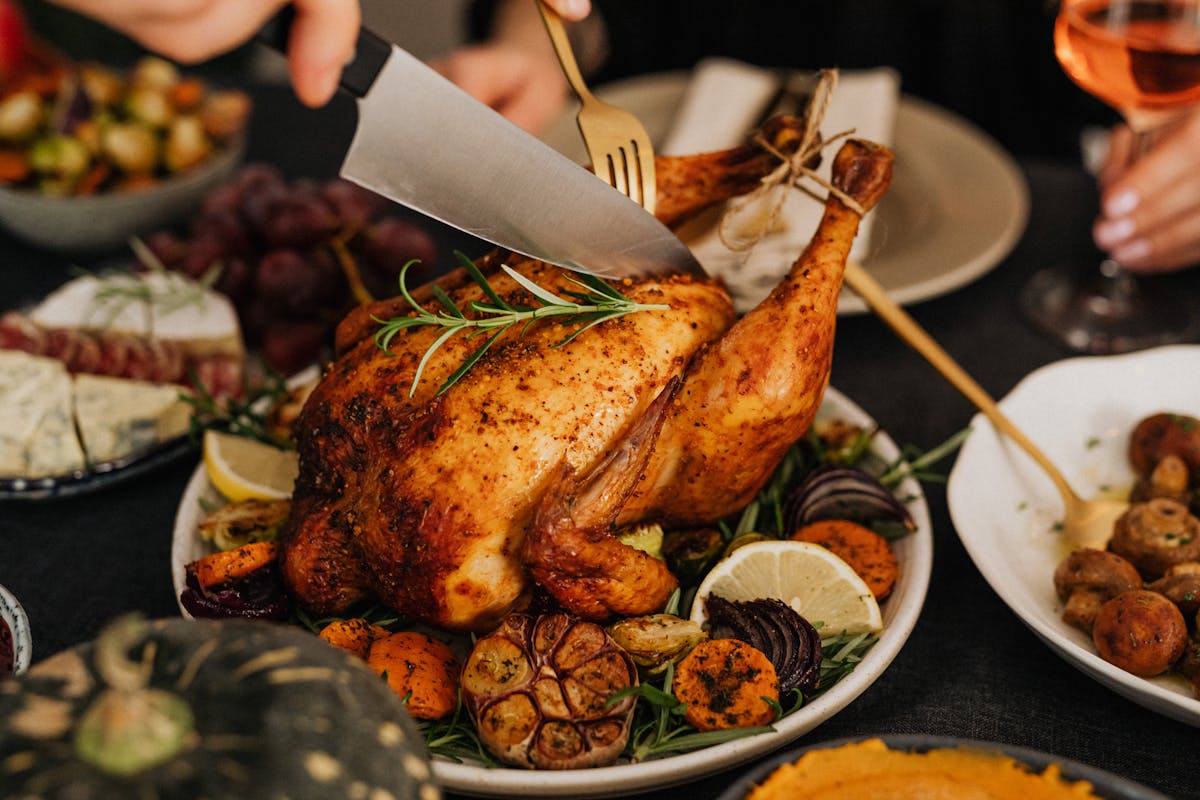
Transfer the pan to the oven and bake for 25–30 minutes, or until the chicken reaches an internal temperature of 74 °C / 165 °F and the edges are lightly browned. If you’d like more color, switch to broil for the last 2–3 minutes, watching closely to prevent burning. - Rest and garnish.
Remove from the oven and let the chicken rest for 5 minutes. Scatter fresh parsley or dill over the top, and add a squeeze of lemon juice for brightness. - Serve protein‑forward.
Spoon a generous portion of vegetables and chickpeas into each bowl or plate, then top with 1–2 chicken thighs. Serve alongside quinoa, brown rice, or cauliflower rice, and add a spoonful of Greek yogurt or hummus for extra creaminess and protein.
Protein‑Forward Tips, Swaps & Dietary Adaptations

Storage & Reheating
- Refrigerator: Store chicken and vegetables in an airtight container for up to 3–4 days.
- Freezer: Portion into freezer‑safe containers and freeze for up to 2–3 months. Thaw overnight in the fridge before reheating.
- Reheat: Warm gently in a covered skillet over medium‑low heat with a splash of water or broth, or microwave in short bursts, stirring once or twice, until heated through.
For best texture, add fresh herbs and a squeeze of lemon after reheating to revive the flavors.
Serving Ideas & Complementary Dishes
To build a complete protein‑forward meal, pair this bake with:
- A side salad of mixed greens, cucumbers, olives, and feta (for extra protein and healthy fats)
- A grain base such as quinoa, farro, or barley (or cauliflower rice for a lower‑carb option)
- High‑protein dips like hummus or a Greek yogurt–tahini sauce
- Fresh fruit or a small Greek yogurt bowl for dessert to keep protein high through the end of the meal
Bringing the Protein‑Forward Trend Into Your Everyday Life
The beauty of the protein‑forward diet is its flexibility. You can honor family traditions, cultural flavors, and personal preferences while gently steering each meal to feature a substantial protein source.
Start by boosting protein at breakfast, keep convenient options like yogurt, canned fish, tofu, or rotisserie chicken on hand, and aim for roughly 30+ grams of protein at each main meal. Over time, many people notice steadier energy, fewer cravings, and easier progress toward their body composition and health goals.
Most importantly, let flavor lead. When meals are vibrant, aromatic, and satisfying—the sizzling of roasted chicken, the tang of lemon and yogurt, the sweetness of caramelized vegetables—eating in a protein‑forward way becomes not a restriction, but a deeply enjoyable habit.
