
Gut Health 3.0 Power Bowl: A Microbiome-Loving Fermented Veggie & Polyphenol Rainbow
Gut Health 3.0 Power Bowl (Fermented Veggie & Polyphenol Rainbow)
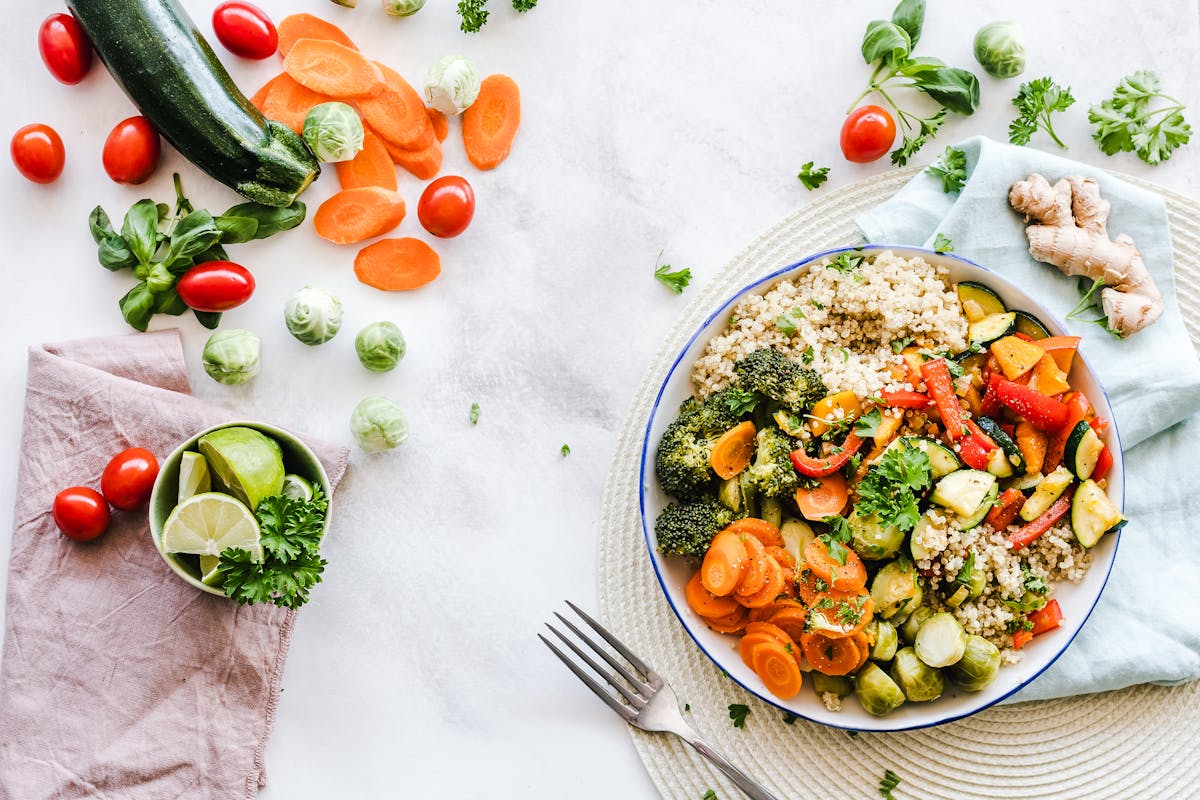
This vibrant gut health power bowl brings together fermented foods, prebiotic fibers, and polyphenol-rich plants in one colorful, satisfying meal. Inspired by the latest microbiome research and “microbiome diet” trends, it layers warm whole grains, crunchy vegetables, creamy yogurt or plant yogurt, punchy kimchi, and juicy berries into a symbiotic feast that feels as nourishing as it tastes.
Prep time:
Cook time:
Total time:
Servings: 2 generous bowls
Difficulty: Easy
Why This Bowl Is a Microbiome-Loving Meal
Think of this as a “symbiotic bowl” — it pairs probiotics from fermented foods with prebiotic fibers and colorful polyphenols:
- Fermented foods: kimchi or sauerkraut and live-culture yogurt bring lactic acid bacteria that may support digestion and gut–immune balance.
- Prebiotic fibers & resistant starch: oats, garlic, onions, chickpeas, and cooled grains help feed your beneficial microbes.
- Polyphenol-rich plants: berries, leafy greens, herbs, and extra-virgin olive oil offer colorful compounds your microbes can transform into bioactives.
The result is a warm–cool, crunchy–creamy bowl that’s deeply satisfying while gently nudging your everyday eating toward a more microbiome-supportive pattern.
Ingredients for Gut Health 3.0 Power Bowl
For the Grain & Legume Base
- 1/2 cup dry rolled oats (or barley, farro, or brown rice)
- 1/2 cup cooked chickpeas (or other beans, rinsed and drained if canned)
- 1 cup water or low-sodium vegetable broth (for cooking the oats/grains)
- 1/4 tsp sea salt, or to taste
For the Fermented & Fresh Toppings
- 1/2 cup kimchi or raw sauerkraut (look for “live cultures” on label)
- 1/2 cup plain yogurt with live active cultures (dairy or unsweetened plant-based)
- 1/2 cup mixed berries (fresh or thawed frozen; e.g., blueberries, raspberries, strawberries)
- 1 small carrot, grated or cut into matchsticks
- 1/2 small red onion, very thinly sliced
- 1 cup leafy greens (baby spinach, arugula, or mixed salad leaves)
- 1 small garlic clove, finely minced
For the Polyphenol-Rich Dressing
- 2 tbsp extra-virgin olive oil
- 1 tbsp apple cider vinegar or fresh lemon juice
- 1 tsp whole-grain mustard or miso paste
- 1/2 tsp ground turmeric
- 1/4 tsp ground black pepper (enhances turmeric’s active compounds)
- 1/2 tsp honey or maple syrup (optional, for balance)
- Pinch of salt, to taste
Garnishes (Optional but Lovely)
- 2 tbsp crushed nuts (walnuts, almonds, or hazelnuts)
- 1 tbsp seeds (ground flaxseed, chia, pumpkin, or sunflower)
- Fresh herbs like parsley, cilantro, or basil, roughly chopped
- A sprinkle of ground cinnamon over the berries for extra aroma
Equipment You’ll Need
- Medium saucepan with lid (for oats/grains)
- Cutting board and sharp knife
- Small bowl or jar with lid (for shaking the dressing)
- Grater or julienne peeler (for the carrot)
- 2 medium serving bowls
Step-by-Step Instructions
- Cook the grain base.
Add the oats (or chosen grain), water or broth, and salt to a medium saucepan. Bring to a gentle simmer over medium heat, then reduce the heat to low. Cover and cook until tender: about 8–10 minutes for oats, 20–25 minutes for barley or rice. You want a creamy texture with a bit of chew. - Let the grains rest and cool slightly.
Turn off the heat and let the grains sit, covered, for 5–10 minutes. This resting time helps them firm up and encourages some formation of resistant starch, which your microbes love. - Prep the vegetables and berries.
While the grains rest, grate the carrot, thinly slice the red onion, rinse and dry the leafy greens, and rinse the berries if using fresh. If using frozen berries, allow them to thaw slightly so their juices mingle with the bowl. - Make the dressing.
In a small bowl or jar, combine olive oil, apple cider vinegar or lemon juice, mustard or miso, turmeric, black pepper, honey or maple syrup (if using), minced garlic, and a pinch of salt. Whisk or shake until emulsified and golden. Taste and adjust acidity or sweetness. - Toss chickpeas with some dressing.
In a small bowl, combine the cooked chickpeas with 1–2 teaspoons of the dressing. This gives them a glossy coating and a punch of flavor before they hit the bowl. - Assemble the warm–cool bowls.
Divide the warm grains between two bowls. Arrange the leafy greens on one side, the dressed chickpeas on another, the grated carrot and sliced onion in small piles, and the berries and kimchi or sauerkraut in their own little sections. This “rainbow” layout is not just pretty—it helps you visually track how many plant foods you’ve packed in. - Add yogurt and drizzle with dressing.
Spoon the yogurt into the center or in a generous dollop on top of the grains. Drizzle each bowl with the remaining turmeric olive oil dressing, letting it sink into the warm grain base. - Finish with crunchy garnishes.
Sprinkle nuts, seeds, and fresh herbs over the top. Add a small pinch of cinnamon over the berries if you like a cozy aroma. Serve immediately, letting people mix everything together at the table.


Flavor & Texture Notes
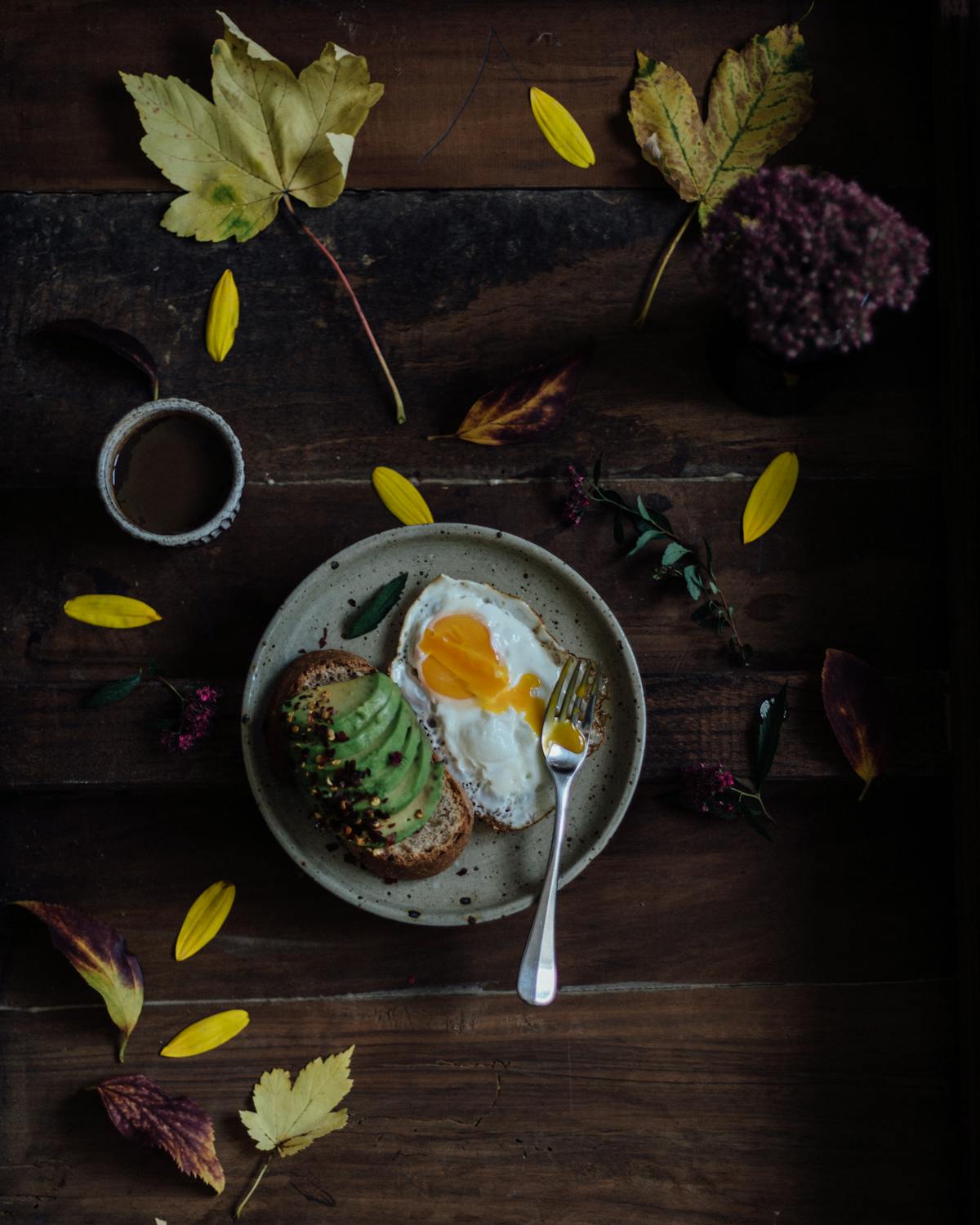
Every forkful is a little different: the warm grains soak up the golden, peppery dressing; the kimchi brings a bright, garlicky heat; yogurt cools and softens everything; berries add bursts of jammy sweetness; nuts and seeds give you that final, addictive crunch. It’s the kind of bowl you could happily eat on repeat without it feeling like “health food.”
“If your bowl is colorful, crunchy, and a little bit funky, you’re probably doing something right for your microbiome.”
Variations & Microbiome-Friendly Swaps
Feel free to rotate your plant choices week to week—different beans, grains, and veggies help you inch closer to that 25–30+ different plant foods per week that many microbiome researchers recommend.
Storage, Meal Prep & Reheating
- Grain & chickpea base: Store cooked grains and chickpeas together in an airtight container in the refrigerator for up to 4 days.
- Fresh veggies & berries: Store separately in containers lined with a paper towel to absorb moisture; enjoy within 3–4 days.
- Kimchi / sauerkraut: Keep in its own jar in the fridge; always use a clean utensil.
- Dressing: Keeps in a sealed jar in the refrigerator for up to 5 days. Shake well before using.
- Yogurt: Store covered and add fresh to bowls just before serving.
When ready to eat, gently reheat the grains and chickpeas (stovetop or microwave) until warm, but keep the fermented veggies and yogurt cold or room temperature so their live cultures are preserved.
Serving Suggestions & Complementary Dishes
This gut health bowl makes a complete meal on its own, but it also plays well with:
- A cup of green tea or lightly brewed coffee for extra polyphenols.
- A side of miso soup or a small dish of fermented pickles if you enjoy more fermented flavors.
- A simple citrus and fennel salad dressed with olive oil for more fiber and brightness.
For an easy “microbiome day,” pair this bowl with a breakfast of kefir and fruit and a dinner built around lentils, roasted vegetables, and extra-virgin olive oil.
Gentle Gut Health Notes
Everyone’s gut is unique. While many people find that fermented foods and prebiotic fibers support digestion and overall well-being, others—especially those with IBS, IBD, or who are sensitive to FODMAPs—may need to introduce these foods more slowly or work with a healthcare professional or registered dietitian.
You can customize portion sizes and ingredients to your comfort level, and gradually expand your plant and fermented food variety over time rather than trying to change everything in one week.
Recipe Metadata
This Gut Health 3.0 Power Bowl is a high-fiber, microbiome-supportive, plant-forward recipe featuring fermented foods, prebiotic fibers, and polyphenol-rich ingredients. It is suitable for vegetarians and can be adapted to be vegan and gluten-free with simple swaps.
