
Gut Health 2.0: Build a Microbiome‑Friendly Plate with Fermented Foods, Fiber & Polyphenols
Gut health has moved far beyond a daily probiotic pill. The new wave—often called “Gut Health 2.0”—is all about building a microbiome‑friendly diet that feels joyful and satisfying: jars of fizzy kombucha on the counter, colorful grain bowls piled with vegetables and sauerkraut, and cozy mugs of green tea alongside a square of dark chocolate. This whole‑diet focus is driven by growing research connecting the gut microbiome to immunity, mood, weight regulation, skin health, and long‑term wellness.
In this guide, we’ll explore how fermented foods, fiber diversity, and polyphenol‑rich superfoods work together to support a resilient gut. You’ll also get a microbiome‑friendly “gut‑loving bowl” recipe you can cook at home—no chef training required, just a bit of curiosity and a willingness to experiment.

What Does “Gut Health 2.0” Really Mean?
The current gut health movement is more food‑centric and evidence‑driven than earlier trends. Instead of relying solely on supplements, people are building entire eating patterns designed to nurture a diverse community of gut microbes. This shift is fueled by:
- Research: Studies now link gut bacteria with immune function, inflammation, brain health, and even risk of chronic diseases.
- Media & social platforms: TikTok, Instagram, and YouTube overflow with “what I eat in a day for gut health” videos and microbiome explainers.
- Product innovation: Supermarkets are packed with “microbiome‑friendly” yogurts, drinks, and snacks featuring fermented ingredients and added fiber.
At its core, Gut Health 2.0 isn’t about perfection—it’s about more plants, more variety, and more living foods, while gently dialing down ultra‑processed foods and excess alcohol.
Microbiome‑Friendly Recipe: Rainbow Gut‑Loving Grain Bowl with Kimchi & Tahini
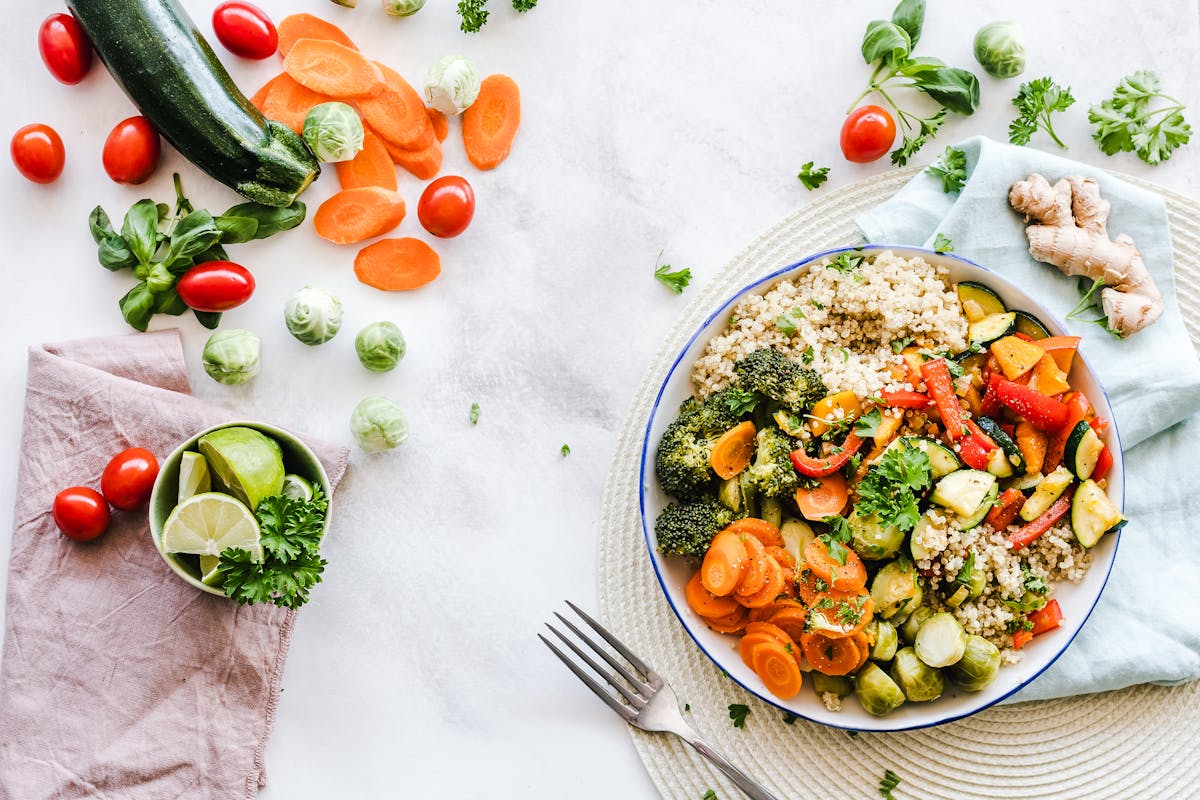
To bring these ideas to life, let’s make a warm, colorful grain bowl that layers fermented foods, fiber‑rich plants, and polyphenol‑packed toppings. Think of it as a “greatest hits” bowl for your gut:
- Fermented: Kimchi or sauerkraut plus a spoon of yogurt or kefir drizzle.
- Fiber diversity: Whole grains, beans, and at least four different vegetables.
- Polyphenols: Extra‑virgin olive oil, herbs, spices, and a sprinkle of seeds or nuts.
The result is a bowl that’s tangy, crunchy, creamy, and deeply satisfying—exactly the kind of everyday meal that can help support a healthy gut over time.
Recipe Summary
Recipe Name: Rainbow Gut‑Loving Grain Bowl with Kimchi & Tahini
Prep Time: 20 minutes
Cook Time: 25 minutes
Total Time: 45 minutes
Servings: 2 generous bowls
Difficulty: Easy (beginner‑friendly)
Dietary: Vegetarian, high‑fiber, microbiome‑friendly, easily adaptable for vegan and gluten‑free diets
Ingredients & Equipment
These ingredients are chosen to layer fermented foods, fibers, and polyphenols in one satisfying bowl.
For the Grain & Protein Base
- 1/2 cup (90 g) dry quinoa or brown rice, rinsed
- 1 cup (240 ml) water or low‑sodium vegetable broth
- 1 cup (165 g) cooked chickpeas (or 1 can, drained and rinsed)
For the Rainbow Veggies & Fermented Toppings
- 1 small carrot, thinly sliced or shredded
- 1/2 small red cabbage, thinly sliced (about 2 cups)
- 1 small cucumber, diced
- 1 small avocado, sliced
- 1/2 cup (75 g) kimchi or sauerkraut, including a little brine
- 2 tbsp toasted pumpkin seeds or sunflower seeds
- 1 tbsp extra‑virgin olive oil
- 1 tbsp fresh herbs (parsley, cilantro, or dill), chopped
- 2 tbsp plain yogurt or kefir (optional, for a creamy drizzle)
For the Turmeric‑Tahini Dressing
- 2 tbsp tahini
- 1 tbsp lemon juice or apple cider vinegar
- 1 small garlic clove, finely grated or minced
- 1/4 tsp ground turmeric
- Pinch of black pepper (helps your body use turmeric more effectively)
- 2–3 tbsp water, to thin
- Salt to taste
Equipment Needed
- Small saucepan with lid
- Cutting board and sharp knife
- Medium mixing bowl (for dressing)
- Whisk or fork
- Two serving bowls
Step‑by‑Step Instructions
Follow these steps in order. If you’re newer to cooking, take your time—your bowl will still be delicious even if it’s not perfectly “Insta‑ready.”
- Cook the grain.
Rinse the quinoa or brown rice under cold water in a fine‑mesh sieve. Add it to a small saucepan with the water or broth. Bring to a gentle boil over medium‑high heat, then reduce the heat to low, cover, and simmer.
Cook until the liquid is absorbed and the grain is tender—about 15 minutes for quinoa or 25 minutes for brown rice. Turn off the heat and let it steam, covered, for 5 minutes, then fluff with a fork.
- Prep the vegetables and beans.
While the grains cook, slice or shred the carrot, thinly slice the red cabbage, and dice the cucumber. Slice the avocado just before serving to keep it from browning.
If using canned chickpeas, drain and rinse them under cold water. Pat dry with a clean towel for better texture.
- Make the turmeric‑tahini dressing.
In a small bowl, whisk together the tahini, lemon juice or apple cider vinegar, and grated garlic. The mixture will thicken at first—this is normal.
Whisk in the turmeric, black pepper, and a pinch of salt. Add 2 tablespoons of water and whisk until smooth and creamy. If it still feels too thick to drizzle, add another splash of water, a teaspoon at a time, until it’s pourable but not watery.
- Warm or season the chickpeas (optional but tasty).
For extra flavor, you can quickly warm the chickpeas in a small pan over medium heat with a teaspoon of olive oil and a pinch of salt and smoked paprika. Cook for 3–4 minutes, just until heated through and lightly fragrant.
- Assemble your gut‑loving bowls.
Divide the warm grains between two bowls, keeping them a little mounded in the center. Arrange the chickpeas, carrot, cabbage, cucumber, and avocado around the grains in colorful sections so you can see all the different textures and colors.
Add a generous spoonful of kimchi or sauerkraut to each bowl, letting a bit of the brine drip onto the grains for extra tang and beneficial bacteria.
- Dress, garnish, and serve.
Drizzle each bowl with a little extra‑virgin olive oil and a spoonful or two of the turmeric‑tahini dressing. Sprinkle over the seeds and fresh herbs.
If you like, finish with a spoonful of plain yogurt or kefir on top, then gently swirl it into the warm grains. Serve right away while the grains are still cozy and the vegetables are crisp and cool.
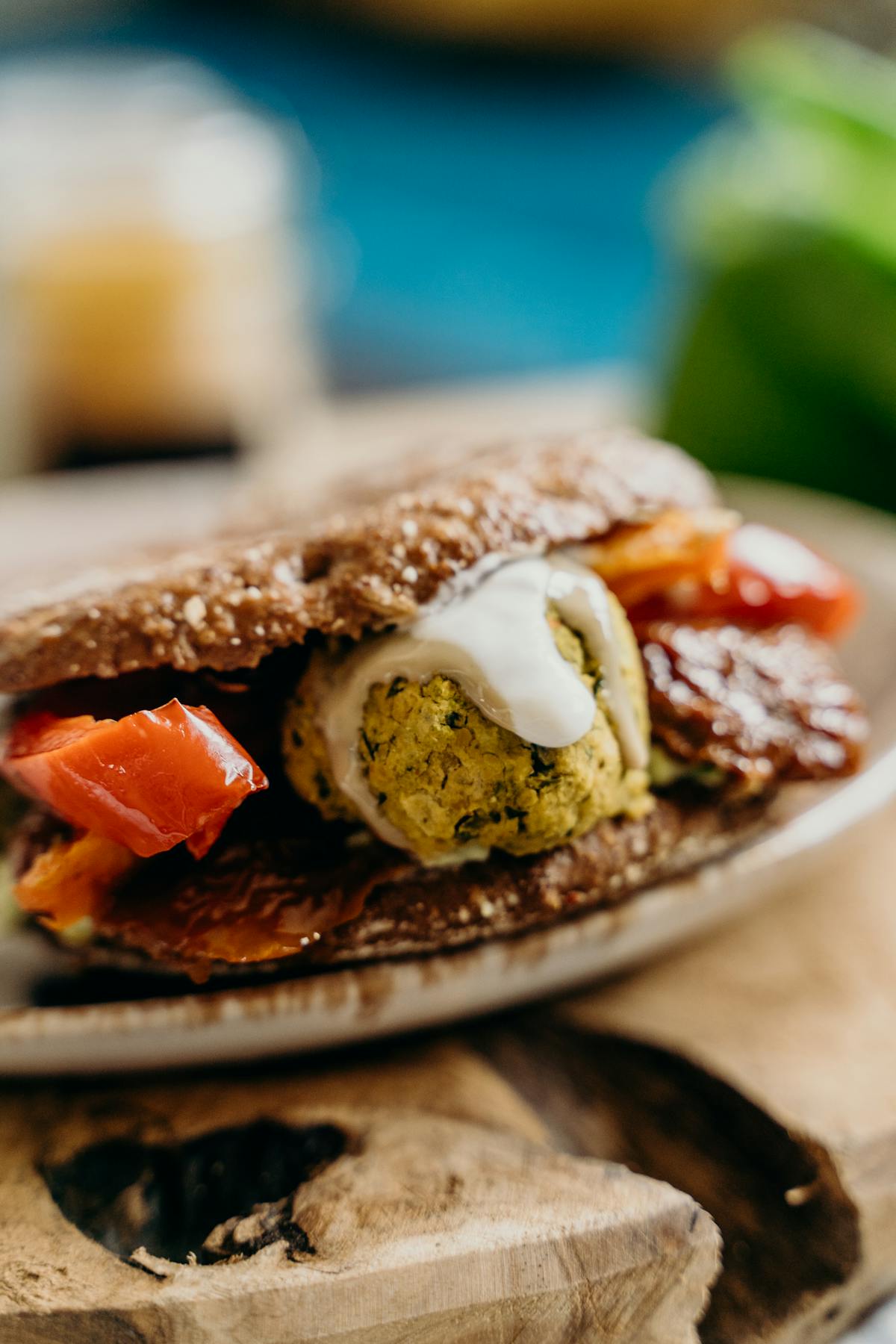
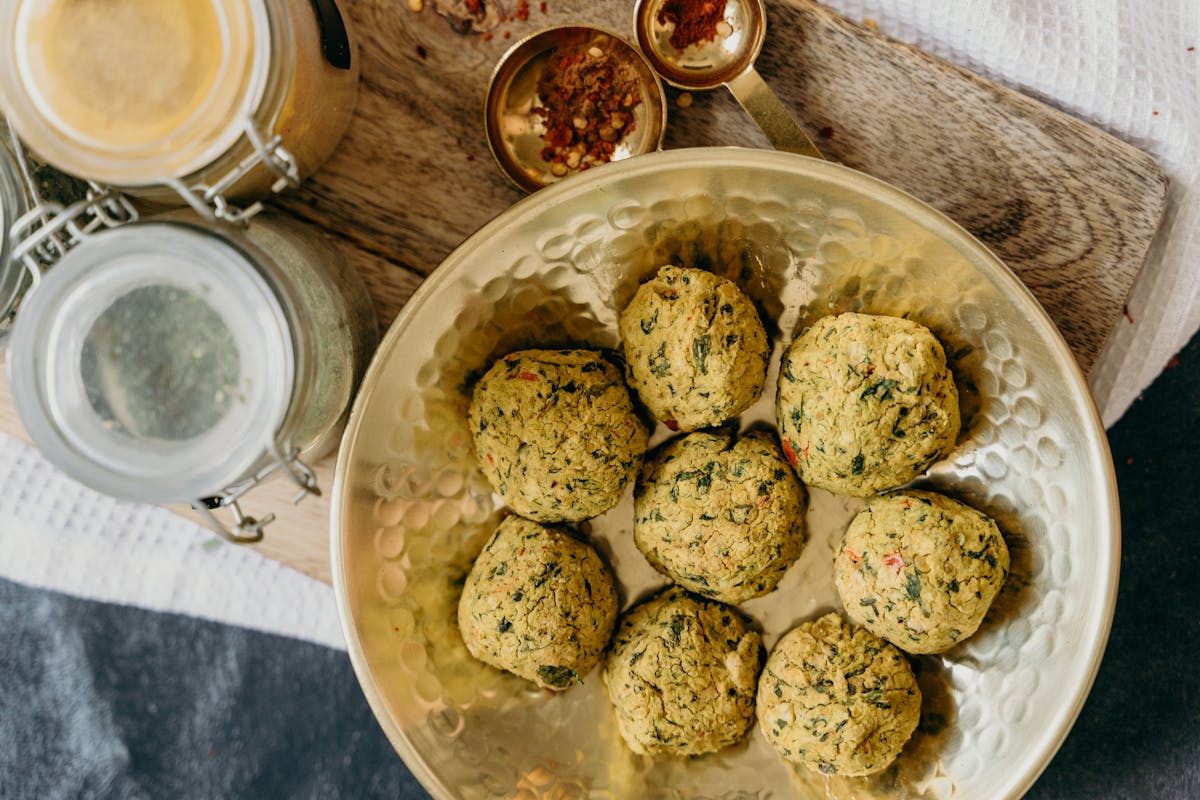
Visual Guide: From Pantry to Bowl
These images walk you through key stages of building a microbiome‑friendly bowl—from prepping vegetables to adding fermented toppings.

Storage & Reheating
This bowl is a fantastic meal‑prep option, especially if you store the components separately to keep textures vibrant.
- Cooked grains: Store in an airtight container in the fridge for up to 4 days. Reheat gently in the microwave or on the stovetop with a splash of water.
- Veggies: Chopped carrots, cabbage, and cucumber can be stored in separate containers for 3–4 days. Avocado is best sliced fresh.
- Chickpeas: Cooked or canned chickpeas keep well in the fridge for 3–4 days. If they dry out, toss with a teaspoon of olive oil and a pinch of salt.
- Fermented foods: Kimchi and sauerkraut last for weeks in the fridge. Keep them in sealed jars and always use a clean utensil to avoid contamination.
- Dressing: The turmeric‑tahini dressing can be refrigerated for up to 5 days. It may thicken—just whisk in a splash of water or lemon juice before serving.
When reheating, keep fermented foods and yogurt cold or at room temperature and add them after you warm the grains and beans. High heat can destroy many of the live cultures we’re after.
Serving Suggestions & Complementary Gut‑Healthy Dishes
This grain bowl can stand alone as a full meal, or you can build a day of gut‑supportive eating around it. Here are some simple ideas:
- Breakfast: Overnight oats or chia pudding made with kefir or yogurt, topped with berries, nuts, and seeds for a polyphenol and fiber boost.
- Snacks: Sliced apples with nut butter, carrot sticks with hummus, or a small bowl of plain yogurt with cinnamon and a drizzle of honey.
- Drinks: Unsweetened green tea, herbal infusions like peppermint or ginger, or a small glass of kombucha if you enjoy the fizz.
- Dessert: A few squares of dark chocolate with a handful of berries or orange slices—simple, satisfying, and rich in polyphenols.
Think of every meal as a chance to add one more plant, one more color, or one small scoop of something fermented. Over weeks and months, those tiny choices can make a real difference to your microbiome.
Why Fermented Foods, Fiber Diversity, and Polyphenols Matter
The “Gut Health 2.0” trend isn’t just hype—many of its core ideas are grounded in emerging research:
- Fermented foods like yogurt, kefir, kimchi, and sauerkraut can deliver live microorganisms along with organic acids and bioactive compounds. Regular intake has been linked to improved digestion and immune markers in some studies.
- Fiber diversity feeds a wider array of microbes. Strategies like “30 plants a week” or “eat the rainbow” aim to promote the production of short‑chain fatty acids such as butyrate, which help maintain a healthy gut lining.
- Polyphenol‑rich foods—berries, extra‑virgin olive oil, green tea, herbs, spices, and cocoa—are now framed as “gut superfoods.” Many polyphenols aren’t fully digested by us; instead, gut bacteria transform them into beneficial metabolites.
At the same time, it’s important to remember that responses are highly individual. Not everyone will feel an instant change in bloating or mood, and some social‑media claims go beyond the current evidence. The most consistent theme is that minimally processed, plant‑rich, fiber‑dense diets with regular fermented foods tend to support long‑term gut and overall health.
Bringing Gut Health 2.0 into Your Own Kitchen
You don’t need a perfect diet, expensive powders, or a fridge full of specialty products to care for your microbiome. Start with what you enjoy and build from there.
- Add one fermented food you like (yogurt, kimchi, kefir, miso, or kombucha) a few times a week.
- Challenge yourself to add one new plant food—a herb, vegetable, grain, nut, or seed—every few days.
- Look at your plate and ask: “Can I add one more color?”
- Notice how different meals make you feel over time, not just immediately after eating.
With a little curiosity and a bowl like this as your template, your kitchen becomes one of the most powerful tools you have for supporting gut health—deliciously, and on your own terms.
