
Good News for Rashy Kids: Why Childhood Eczema and Allergies Are Finally Getting Easier to Manage
Childhood Eczema and Allergies Are Finally Getting Easier to Manage
If you’ve ever held a child who can’t stop scratching, watched their skin crack and bleed, or lain awake worrying about the next food reaction, you are far from alone. Childhood eczema and allergies have surged over the past few decades, becoming one of the biggest day‑to‑day health struggles for families. The constant creams, the special detergents, the avoided birthday cakes—it can feel endless.
But there’s genuinely encouraging news: recent research, smarter prevention strategies, and new treatments are starting to turn the tide. While we’re not “curing” eczema or allergies, we are seeing major improvements in how often severe cases occur and how well they can be controlled. Life with rashy skin doesn’t have to mean constant suffering.
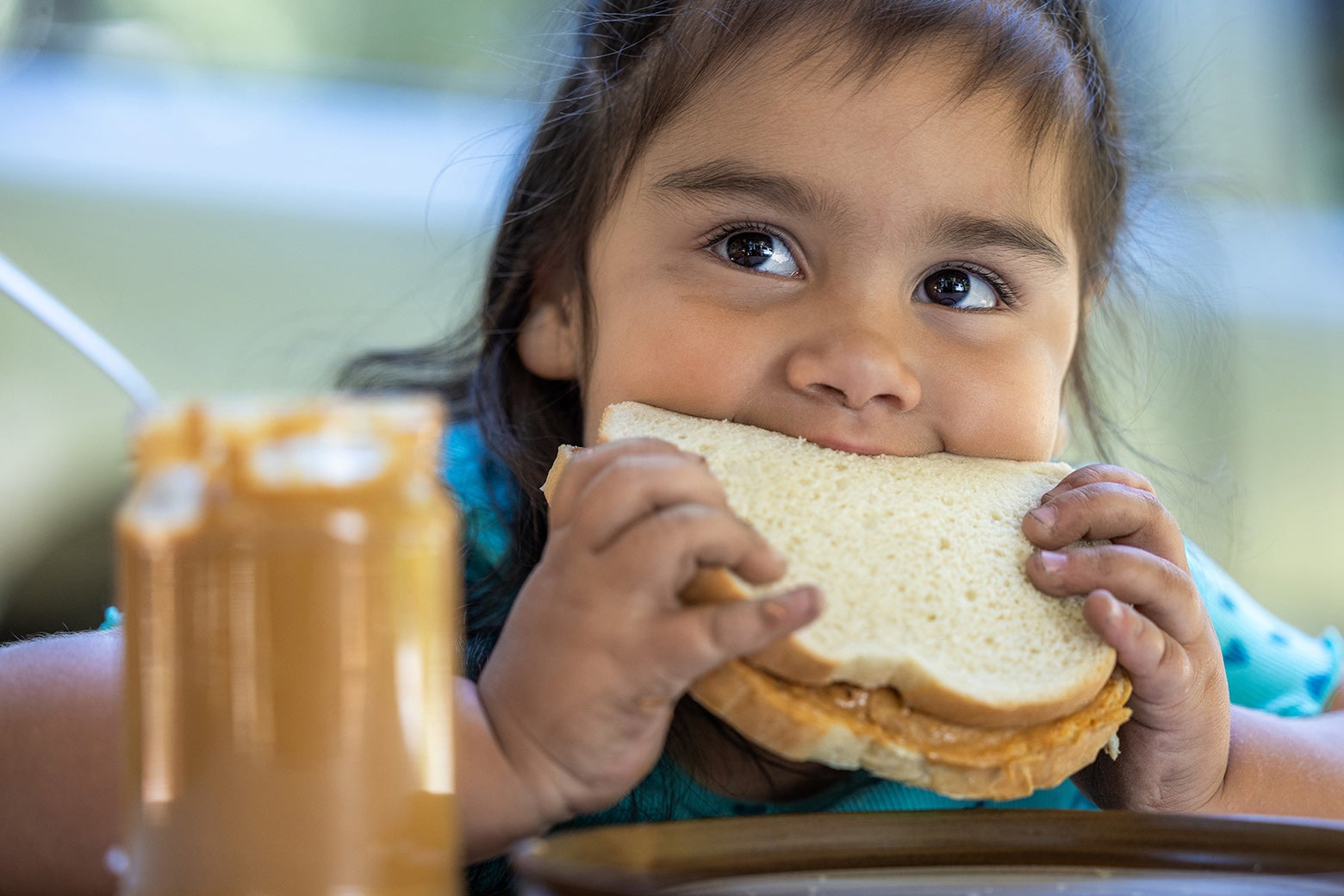
In this article, we’ll walk through what’s changing, what the science actually supports, and practical ways you can help protect your child’s skin and reduce allergy risk—without chasing every new trend or miracle cure.
The Big Childhood Skin Problem: Eczema and Allergies on the Rise
Childhood eczema (atopic dermatitis) affects up to 1 in 5 kids in many countries, and food allergies—especially to peanuts, eggs, milk, and tree nuts—have climbed sharply over the last few decades. For many families, it’s not “just a rash”:
- Kids lose sleep from intense itch, which affects growth, mood, and school focus.
- Parents juggle appointments, prescriptions, creams, and constant laundry changes.
- Food rules, school policies, and social events become a minefield of anxiety.
“For years, we saw more and more children with both severe eczema and multiple food allergies. It felt like we were always reacting to problems, not preventing them.” — Pediatric allergist, tertiary children’s hospital clinic
The good news is that the story is starting to shift. We now have better evidence about what actually helps: how to care for the skin barrier, when to introduce common allergenic foods, and how to safely control inflammation so kids can get back to being kids.
Why Things Are Finally Improving for Rashy Kids
Several developments over the last 10–15 years have changed the way pediatrics approaches eczema and allergies. Together, they’re driving the major improvements doctors are now seeing.
- Understanding the “skin barrier” concept. We now know that eczema isn’t just about dry skin; it’s often a leaky skin barrier. That leaky barrier lets allergens and irritants sneak in, which can trigger both rashes and, in some kids, food sensitization.
- Earlier, more confident eczema treatment. Many clinicians now treat flares faster and more effectively, instead of under‑treating for fear of side effects. This helps reduce chronic scratching and inflammation that can set kids up for more allergies.
- Revolution in food allergy prevention. Major guidelines flipped: instead of delaying peanut and egg, we now introduce them earlier (usually around 4–6 months, when developmentally ready), which has been shown to significantly reduce the risk of allergy in many children.
- New, targeted medications. For kids with severe eczema, modern biologic medications and non‑steroid creams can bring relief when nothing else has helped—without the same long‑term risks of high‑dose steroids.

The Science in Simple Terms: How Eczema and Food Allergies Connect
Many parents notice a pattern: first came the dry patches and itchy cheeks, then the eczema diagnosis, and later the warnings about food allergies. That’s not a coincidence.
When the skin barrier is damaged—through genetics, dryness, harsh soaps, or uncontrolled eczema—tiny bits of allergens like peanut protein or egg can enter the body through the skin instead of the gut. The immune system may then “learn” to see these proteins as threats.
“Healthy, well‑moisturized skin is not just about comfort. It’s our first line of defense against developing some allergies in the first place.” — Board‑certified pediatric dermatologist
On the flip side, when kids eat foods early and safely, the gut immune system often learns tolerance. This “dual exposure” model—skin versus gut—is a big reason why both skin care and feeding practices matter so much in infancy and early childhood.
Evidence‑Based Daily Skin Care: What Actually Helps
You don’t need an overflowing cabinet of specialty products. Research‑supported eczema and sensitive‑skin care usually comes down to a few consistent habits.
1. Protect the Skin Barrier Every Day
- Short, lukewarm baths or showers: Around 5–10 minutes, once daily or every other day.
- Gentle, fragrance‑free cleansers: Avoid harsh soaps, bubble baths, and heavy perfumes.
- Moisturizer within 3 minutes of bathing: Lock in the water with a thick, bland cream or ointment.
- Soft clothing layers: Choose cotton over wool or rough synthetics that can irritate.
2. Treat Flares Quickly—Don’t Just “Wait It Out”
Under‑treating eczema flares can keep the skin in a constant state of inflammation and itch. Many pediatricians now recommend:
- Using a prescribed anti‑inflammatory cream or ointment (often a steroid or non‑steroid) for active red, itchy patches.
- Continuing moisturizer all over, even on clear areas.
- Discussing a maintenance plan with your clinician for spots that flare repeatedly.

3. Watch for Triggers—But Avoid Extreme Restriction
Common triggers include heat, sweat, rough fabrics, fragranced products, and sometimes specific foods. Keeping a symptom diary for a few weeks can help you notice patterns. However:
- Avoiding huge lists of foods “just in case” can harm nutrition and quality of life.
- True food allergy–related flares usually come with consistent, repeatable timing after a specific food.
- If you suspect a food trigger, talk to an allergist or pediatrician before removing it long‑term.
Smarter Food Allergy Prevention: Early and Safe Introduction
One of the biggest shifts in childhood allergy care is how we think about when to introduce common allergenic foods like peanut and egg. Where doctors once told parents to wait years, many now recommend earlier introduction for most infants.
What Guidelines Commonly Suggest (Always Confirm Locally)
- Breastfeeding/formula first: Focus on breast milk or formula as the main nutrition until about 6 months, then add solids when your baby shows readiness signs (good head control, interest in food, can sit with support).
- Introduce common allergens around 4–6 months, if safe: Once your baby safely eats a few low‑allergy foods (like oats, fruits, veggies), you can discuss early introduction of peanut and egg with your clinician.
- High‑risk babies need individualized plans: Babies with severe eczema or an existing food allergy often benefit from seeing an allergist before trying certain foods.
“For many children, getting peanut into the diet early and regularly—under the right circumstances—can dramatically reduce the chance of later peanut allergy. It’s one of the most hopeful shifts we’ve seen in pediatric allergy.” — Pediatric allergy researcher, summarizing LEAP study findings
Practical Steps for Early Introduction (Non–High‑Risk Infants)
- Talk with your pediatrician about your baby’s eczema, family history, and readiness for solids.
- Start with low‑allergy solids (like pureed vegetables, fruits, and grains).
- Introduce a small amount of well‑cooked egg or smooth peanut (like thinned peanut butter or peanut powder mixed into puree), never whole nuts.
- Feed at home, during the day, when you can watch your baby for at least 2 hours.
- If tolerated, offer the food regularly (for example, several times a week) unless your clinician advises otherwise.
Common Obstacles Parents Face—and How to Overcome Them
Even with the best research, real life can get messy. Here are some of the most common hurdles parents describe, and realistic ways to navigate them.
1. Fear of Steroid Creams
Many parents worry about “thinning the skin” or long‑term harm. In practice, when topical steroids are:
- Used in the right strength for the body area,
- Applied for limited flare periods, and
- Guided by a clinician,
they are considered safe and can dramatically improve sleep, comfort, and quality of life. If you’re nervous, ask about non‑steroid options or written flare plans so you know exactly what to do.
2. Overwhelming Product Choices
The skin‑care aisle for “sensitive kids” is enormous. A simpler strategy:
- Choose one gentle cleanser and one thick, fragrance‑free moisturizer.
- Avoid products that boast dozens of plant extracts or essential oils—they can be irritating.
- Patch‑test new products on a small area first.
3. Confusing, Conflicting Advice
Friends, family, social media, and even well‑meaning professionals may give contradictory tips. To protect your sanity:
- Pick one primary clinician (pediatrician, dermatologist, or allergist) to lead your child’s care.
- Write down your questions and bring photos of flares to appointments.
- Ask where each recommendation comes from (guidelines, trials, long‑term experience vs. anecdotes).
A Real‑World Turnaround: One Family’s Experience
Consider Maya, a 10‑month‑old with severe eczema since 3 months of age. Her parents were applying moisturizer “when they remembered,” avoiding peanuts entirely, and waking up several times a night as she scratched until she bled.
After seeing a pediatric dermatologist and allergist, they:
- Switched to daily short baths with a fragrance‑free cleanser.
- Started a thick moisturizer twice a day, every day, plus a prescription anti‑inflammatory on red patches.
- Created a written plan for flares and maintenance, including which cream to use where.
- Introduced peanut in a safe, age‑appropriate way under medical guidance.
Within weeks, Maya’s sleep improved dramatically and her skin went from angry red to mostly clear, with only occasional small flares. Her parents described feeling “like they had their baby back” and were relieved to learn that she could eat peanut regularly without signs of allergy.

Not every story is this smooth, and not every child can tolerate every food. But scenarios like Maya’s are increasingly common as families and clinicians put the latest evidence into practice.
Key Takeaways: What You Can Do Starting This Week
You don’t have to overhaul everything at once. Small, consistent changes can add up. Here’s a simple checklist to discuss with your child’s clinician:
- Establish a daily skin routine (short bath + immediate moisturizer).
- Use prescribed anti‑inflammatory creams for flares—don’t be afraid to treat.
- Limit fragranced, harsh products; choose gentle, fragrance‑free options instead.
- Ask about early introduction of peanut, egg, and other allergens if your child is at the right age and not high‑risk.
- If your child is high‑risk (severe eczema or existing food allergy), request a referral to an allergist for a personalized plan.
- Keep a brief symptom diary for flares, foods, products, and sleep.
Looking Ahead: Hopeful Progress, One Child at a Time
Childhood eczema and food allergies can still be exhausting, and no article—or even the best clinician—can promise a completely smooth road. But the landscape has changed in meaningful, hopeful ways. We understand the skin barrier better. We have clearer evidence on early feeding. And we have more tools than ever to calm inflammation and protect kids from severe reactions.
If your child is one of the many “rashy kids,” you’re not failing and you’re not imagining how hard this is. What you can do is lean on up‑to‑date guidance and build a simple, sustainable plan with your care team.
Your next step: jot down your top three questions about your child’s skin or allergy risk, and schedule a visit with your pediatrician or specialist to review them. Bringing today’s science into your home routine may not fix everything overnight, but it can make tomorrow a little less itchy—and a lot more hopeful.
