
Glastonbury, Protest and Punk Rap: Inside Bob Vylan’s “Death to the IDF” Controversy
Glastonbury, Protest and the Bob Vylan Investigation: Why It Matters
British police have dropped their investigation into punk rap duo Bob Vylan over “death to the IDF” chants during their Glastonbury 2024 performance, closing a case that sat at the crossroads of free speech, protest music and the UK’s fraught debate over Israel‑Gaza. This incident wasn’t just another festival headline; it became a flashpoint for questions about what artists can say on stage, how far protest lyrics can go, and whether major events like Glastonbury can ever truly be “apolitical.”

With the investigation now closed and no further police action planned, we’re left with a bigger cultural story: how a two-person punk act ended up at the centre of an international argument, and what their case says about British music, law and public discourse in 2024.
Who Are Bob Vylan and Why Were They in the Spotlight?
Bob Vylan have been building a following for several years as one of the more confrontational voices in UK alternative music. Blending grime, hardcore punk and DIY ethics, the duo have built a reputation on talking frankly about racism, class, police power and the British establishment. Their sound sits somewhere between the rage of classic punk bands and the directness of UK rap, with lyrics that rarely pull punches.
Their presence at Glastonbury is part of a broader shift: the festival, once seen as a hippie countercultural gathering, has long since become a mainstream institution, but it still invites artists whose politics are anything but middle-of-the-road. Acts like Stormzy, Idles and Little Simz have all used the Glastonbury stage to push political messages; Bob Vylan fit squarely into that lineage, albeit with an even more abrasive aesthetic.

Their lyrics, album art and interviews consistently foreground social criticism. In that sense, the Glastonbury performance and the controversy that followed weren’t an aberration, but an escalation: the moment their usual themes collided with one of the most polarising geopolitical conflicts of the last decade.
What Happened at Glastonbury 2024?
During their Glastonbury set in June 2024, Bob Vylan reportedly led the crowd in chants including “death to the IDF,” referring to the Israel Defense Forces. The phrase ricocheted rapidly through social media, with clips circulating on X, Instagram and TikTok within hours. Supporters framed it as a protest slogan targeted at a military institution; critics argued it slid dangerously close to promoting violence.
In the context of the ongoing Israel–Gaza conflict, language around the IDF, Hamas, and state violence has become intensely scrutinised in the UK. After complaints were filed, British police launched an investigation into whether any offences—potentially relating to incitement or public order—had been committed during the set.

The fact that this happened at Glastonbury—arguably the UK’s most watched live music platform—helped propel the story into mainstream news. The festival itself also came under pressure, facing questions over how much responsibility organisers carry for what artists say on stage.
“Glastonbury has always been a space for political expression, but that doesn’t mean every statement made here reflects the views of the festival.” — typical framing from major festival organisers when controversies erupt
Why British Police Dropped the Case
On Tuesday, UK police confirmed they would take no further action over the comments made about the Israeli military during Bob Vylan’s Glastonbury performance. While official statements are usually cautious, the decision effectively draws a legal line: the chant, however offensive to some, was not judged to meet the threshold for criminal prosecution.
In practice, investigators in these cases weigh several factors:
- Whether there was a direct and specific incitement to commit violence.
- The context—a live concert, with high emotion and political framing.
- The likelihood of immediate harm resulting from the statement.
- Whether the speech targets a protected group or a state/military institution.
The phrase “death to the IDF” targets a military force rather than a nationality or religious group, which likely complicated arguments that this was hate speech in the strict legal sense. That doesn’t make the chant harmless or uncontroversial, but it does help explain why, in legal terms, the case stalled.
From a cultural standpoint, the outcome underscores a familiar pattern in UK law: speech can be aggressive, provocative and deeply offensive without necessarily being criminal. For artists working in traditions like punk and rap, that grey area is often where their most charged work lives.
Punk, Protest and the Politics of Festival Stages
The Bob Vylan controversy sits in a long tradition of musicians clashing with authorities and public opinion. From The Sex Pistols’ “God Save the Queen” to Public Enemy’s media battles, artists who confront power structures have always walked a fine line between protest and provocation.
What’s changed is the scale and speed of amplification. A chant that might once have stayed in a muddy field in Somerset now lives forever in 10‑second clips, stripped of nuance and context. That dynamic tends to reward the most extreme moments—not the full performance, not the lyrics, not the follow-up interviews.
There’s also a specific UK angle here. The country has spent the past few years wrestling with mass protests over policing, race and foreign policy. That tension has seeped into music, comedy and theatre. Glastonbury, as a cultural institution, often becomes a proxy battlefield for arguments the rest of the country is already having.
“Punk was never about being polite. It was about saying the quiet part loud, even when it made people deeply uncomfortable.”
Bob Vylan’s set, and the reaction to it, fits this pattern. To supporters, they’re holding a mirror up to global violence; to critics, they’re crossing a moral line with rhetoric that feels dehumanising, even if it’s aimed at a state institution rather than a people.
Strengths, Weaknesses and the Ethics of Shock
Stripped of the headlines, Bob Vylan’s Glastonbury moment contains both artistic power and ethical pitfalls.
Where the Performance Landed
- Strength – Emotional honesty: The duo channel real anger about global violence and state power. That intensity is part of what gives their music bite.
- Strength – Refusing neutrality: In a festival landscape where “political” can mean little more than a slogan on a tote bag, Bob Vylan’s stance feels less like branding and more like conviction.
- Weakness – Blunt-edge rhetoric: Phrases like “death to the IDF” risk collapsing complex realities into simple antagonisms. As slogans, they travel faster than context.
- Weakness – Collateral audience impact: Even if aimed at a military force, such language can be deeply upsetting for people with personal ties to conflict zones, regardless of their politics.
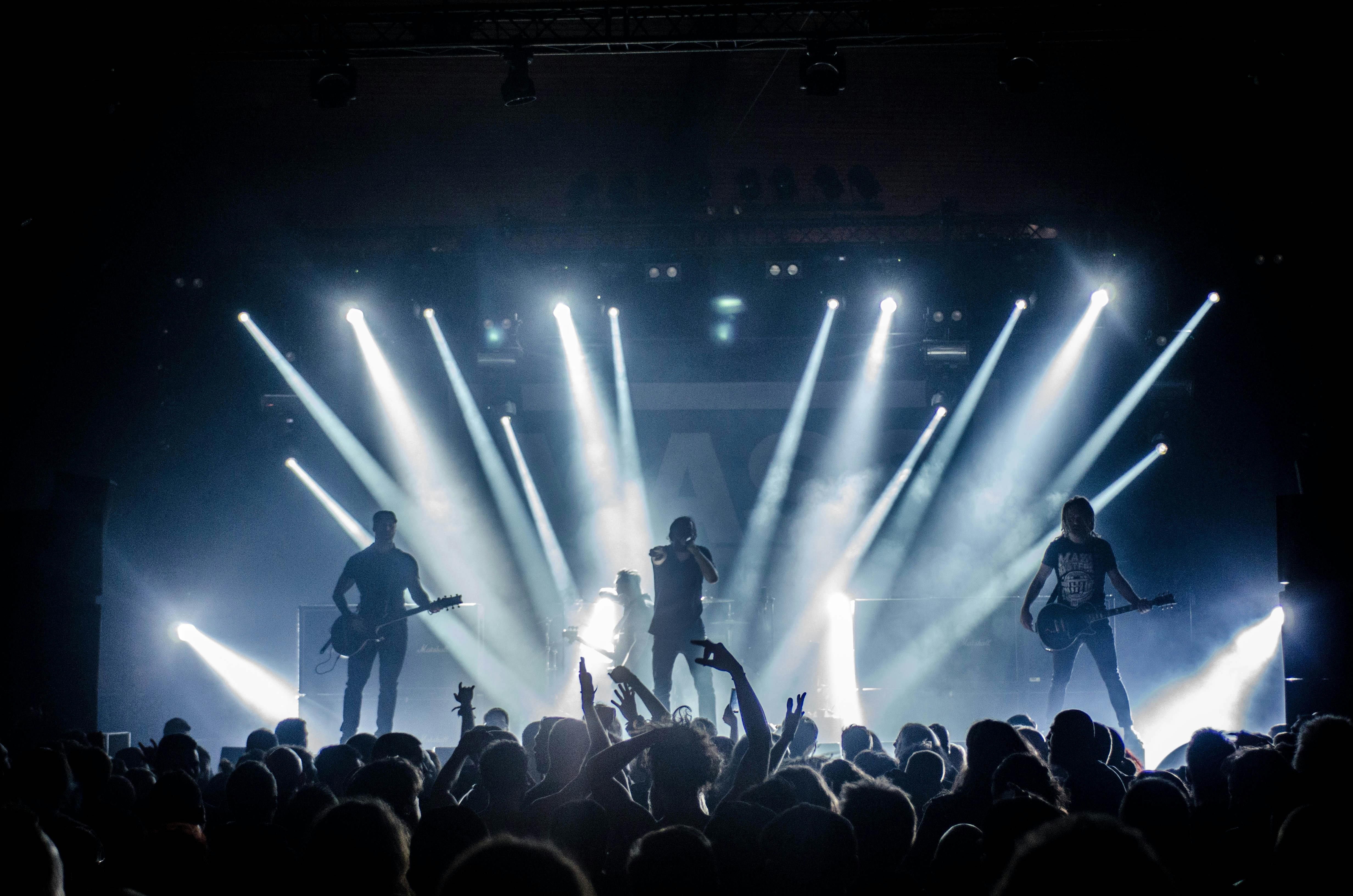
This is the enduring dilemma for protest art: how do you convey the horror of war and occupation without sliding into rhetoric that feels like a mirror image of the violence you oppose? Bob Vylan are hardly the first to wrestle with that question, but the intensity of today’s media environment makes their missteps—or perceived missteps—far more visible.
What This Means for Festivals, Labels and Artists
For the wider entertainment industry, the case offers a few clear lessons. Glastonbury and other major festivals will almost certainly revisit their artist guidelines and crisis-response playbooks. Even without criminal charges, a single chant can generate days of bad press and intense pressure from campaign groups across the political spectrum.
- Festivals will try to balance credibility with risk management—still booking political acts, but perhaps increasing backstage conversations about language and messaging.
- Artists may feel both emboldened and cautious: reassured that the law allowed this performance to stand, but reminded that public backlash can be severe even without legal consequences.
- Labels and managers are likely to invest more in media training and crisis planning, especially for artists whose work engages directly with live political conflicts.

At a deeper level, the story speaks to the uneasy marriage between rebel aesthetics and mainstream infrastructure. Punk and rap were never built for corporate comfort, yet their leading acts now play on stages sponsored by global brands. When an artist like Bob Vylan brings raw political anger into that space, conflict feels almost inevitable.
After the Headlines: Where the Conversation Goes Next
With the police investigation closed, the Bob Vylan–Glastonbury story moves from the courts of law to the court of public opinion. There, the questions are less about legal thresholds and more about cultural responsibility: what do we expect from protest music in an era when every word is instantly archived, debated and weaponised?
Bob Vylan are unlikely to soften their approach; confrontation is built into their DNA as a band. What may change is how festivals, broadcasters and audiences frame that confrontation—through clearer content warnings, more robust debate around politically charged performances, and perhaps, for some, a renewed interest in the long, messy relationship between music and dissent.
If nothing else, this episode confirms that, even in an age of algorithms and carefully curated festival lineups, a punk act with a microphone can still shake the system—just not always in ways that are easy to celebrate or condemn.
