
From TikTok Bites to Boarding Pass: How Food‑First Travel Is Redrawing the World Map in 2025
Food‑First Travel in 2025 🍜✈️
In 2025, more trips begin with a craving than with a postcard view. Travelers are opening TikTok, Reels, and YouTube before flight apps—saving clips of smoky Seoul skewers, late‑night Lisbon wine bars, and taco stands in Mexico City, then building entire itineraries around those flavors. Food‑first travel has shifted from niche obsession to mainstream strategy, reshaping how cities are discovered and how local dishes go viral overnight.
This isn’t just about finding “the best restaurant.” It’s about using taste as a compass for culture: markets instead of museums, street‑side grills instead of skyline bars, and grandmother recipes instead of generic hotel buffets. At the same time, the surge of attention can overwhelm tiny kitchens and fragile neighborhoods, raising urgent questions about how to chase internet‑famous bites responsibly.
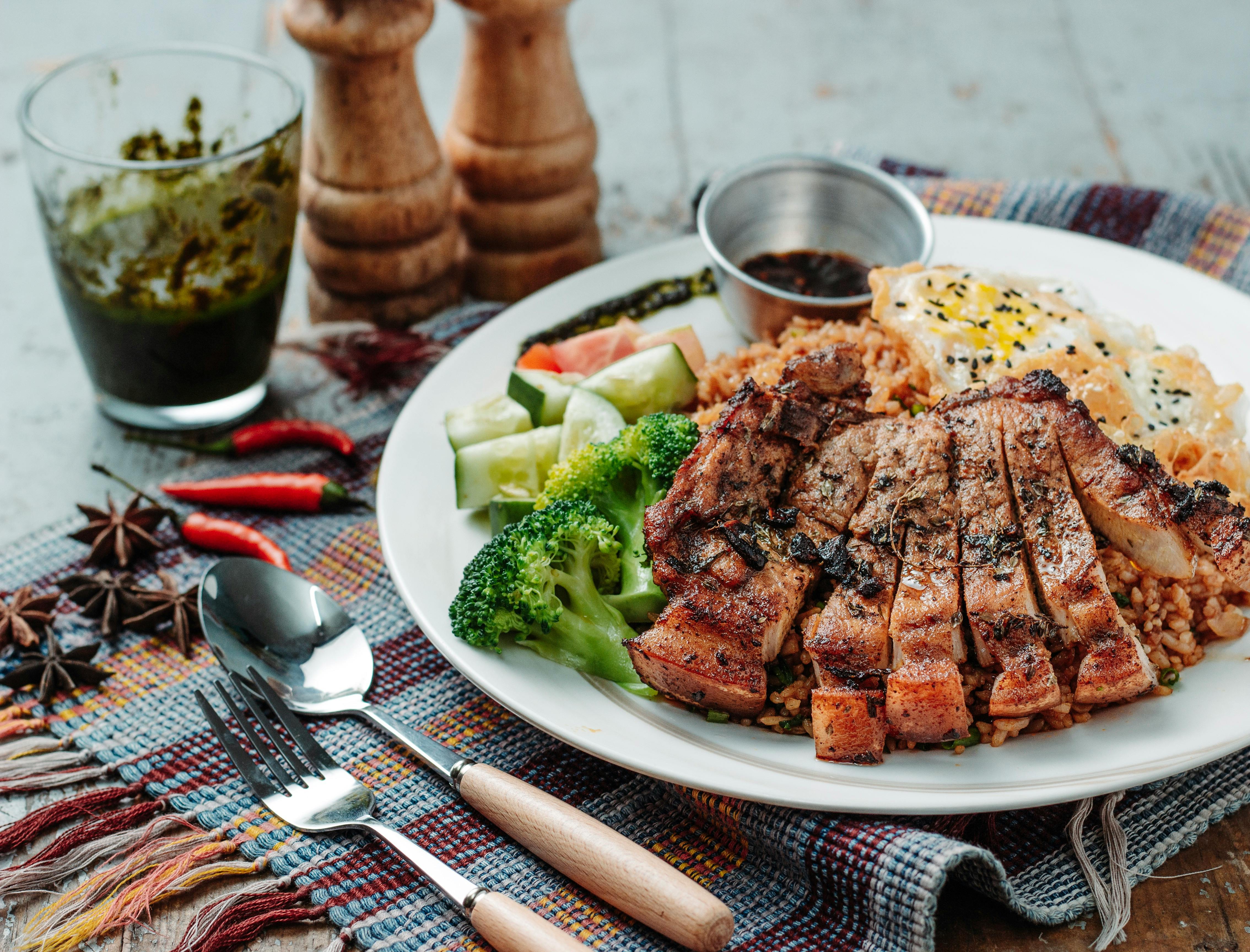
Why Food‑First Travel Exploded in 2025 🌍🍽️
Search and social‑listening data through late 2025 tell a clear story: people are literally typing their hunger into the search bar. Queries like “best food cities 2025,” “street food tour [city],” and “where to eat in [neighborhood]” spike whenever a dish trends on social media or appears in a buzzy show or podcast episode.
- Short‑form video drives discovery: 15–60 second clips capture texture, steam, crunch, and reaction shots better than any glossy brochure.
- Food feels achievable: Even if you can’t spend a week in a city, you can find that one soup stall, that viral bakery, that izakaya basement bar.
- Cities are branding through food: DMOs (destination marketing organizations) increasingly lead with dishes—ramen, coffee, wine bars—rather than skylines.
- Long‑form content deepens the hook: Podcasts and YouTube series explain the history, migration stories, and farming systems behind each bite, turning curiosity into commitment.
Instead of booking flights to a country, travelers now chase a scene: the neon‑lit pojangmacha of Seoul, the pulquerías of Mexico City, or the izakaya backstreets of Tokyo. The destination becomes the setting; the dish is the plot.
From 15 Seconds to Full Flights: Viral Food Videos & “TikTok‑Famous” Spots 📱🔥
On TikTok, Reels, and YouTube Shorts, a single well‑framed dish can shift a venue’s future. Producers zoom in on bubbling broth, knife work, and grill flare‑ups, then cut to an unfiltered first bite: raised eyebrows, an involuntary grin, a stunned pause. Those seconds are pure marketing power.
“TikTok‑famous” has quietly become its own category of restaurant, sitting alongside “Michelin‑starred” and “locals‑only.”
Local media across Asia, Europe, and the Americas now routinely report on stalls and mom‑and‑pop joints swamped after a viral mention. Small counters that once served a steady neighborhood crowd suddenly face:
- hour‑long queues snaking around alleyways,
- menus translated overnight into English, Korean, or Spanish via QR codes,
- price pressure and expectations to scale up, sometimes at the expense of pace and quality.
In response, more thoughtful creators now build ethics into their captions: suggesting off‑peak visits, highlighting backup options nearby, and flagging when a venue is family‑run with limited capacity. Being viral is no longer enough; being sustainable is the new flex.
2025’s Most Talked‑About Food‑First Cities 🌆🍤
Trend dashboards, booking data, and social engagement in late 2025 show a shift from classic “gourmet capitals” to cities where street food, natural wine, and immigrant kitchens overlap. A few hotspots dominating feeds right now:
- Seoul, South Korea – After K‑dramas and K‑pop, it’s K‑street food’s moment: tornado potatoes, tteokbokki, charcoal‑smoked pork, and late‑night convenience‑store picnics. Night markets double as film sets for influencers.
- Mexico City, Mexico – Viral taco carts and birria stands sit a few blocks from minimalist tasting menus and mezcal bars. Food tours now map entire days around neighborhoods like Roma and Condesa, balancing classics with lesser‑known stalls.
- Tokyo & Osaka, Japan – Izakayas, kissing‑counter omakase, and basement curry shops dominate YouTube series. Creators emphasize counter etiquette and reservation hacks to ease pressure on tiny spaces.
- Lisbon, Portugal – Once marketed through tiles and trams, Lisbon now trends for pastel de nata rivalries, petiscos pubs, and wine bars pouring small‑producer Vinho Verde and natural reds hyper‑visible on wine TikTok.
- Istanbul, Türkiye – Breakfast spreads, baklava walks, and ferry‑side fish sandwiches make the city’s food scene one of the most shared in 2025, often framed as “the easiest way to taste two continents in a weekend.”
BuzzSumo and similar tools show that listicles ranking “best food cities 2025” regularly outperform more generic travel pieces, especially when they drill down to specific districts and specific dishes, not vague “must‑see” areas.
Beyond Bucket Lists: How Travelers Plan Food‑First Itineraries 🗺️🥟
Itineraries in 2025 don’t start with “Day 1: Old Town.” They start with saved collections: hearts, bookmarks, and playlists of dumpling clips and market walkthroughs. Travelers then reverse‑engineer logistics around those cravings.
- Start with a dish, not a destination: “I want the cheesy Korean corn dog I saw,” or “I want that Lisbon custard tart with the burnt top.”
- Create a map from your saved posts: People tag stalls on custom Google Maps or app‑based lists, clustering eats by neighborhood.
- Wrap activities around mealtimes: Museums fill the gaps between street‑food loops; scenic walks double as digestion routes.
- Book food tours early: Culinary walking tours and market safaris often sell out before general city tours.
- Add hands‑on experiences: Cooking classes, fermentation workshops, and vineyard or farm visits provide texture beyond restaurant hopping.
The result: trips that feel less like checklists and more like extended tasting menus, where every bus ride or metro hop connects one food story to the next.
Authenticity, Markets & Mom‑and‑Pop Magic 🥬🏪
Food‑first travelers are increasingly suspicious of generic menus translated into ten languages on the main square. What performs well in 2025 is hyper‑local specificity:
- Wet markets and neighborhood groceries that show what locals actually cook at home.
- Single‑dish shops perfecting one thing—a broth, a pastry, a grill style—over decades.
- Regional specialties rarely exported abroad, from fermented mountain dishes to coastal one‑pot stews.
- Food courts & hawker centers where migrants and long‑time residents share a tight footprint and a cross‑pollinated menu.
Long‑form content—newsletters, documentary series, and interview‑driven podcasts—actively encourages travelers to dig into stories of origin: where spices travel from, how colonization reshaped palates, why a dish is tied to a particular holiday or neighborhood. Eating becomes an entry point into history.
The Flip Side: Crowds, Costs & Respectful Eating 🌱⚖️
For every heart‑warming success story—lines out the door, kids back working in the family business—there’s a kitchen quietly struggling with its sudden fame. Servers face burnout, neighbors complain about noise, and regulars sometimes lose their daily spot at the counter.
That’s pushed a new wave of responsible food‑tourism guidelines into mainstream content:
- Spread the love: Creators highlight multiple venues per neighborhood instead of funneling everyone to a single viral stall.
- Travel off‑peak: Advice now includes visiting markets early or late, avoiding local lunchtime crush, and skipping venues that visibly can’t handle more traffic.
- Pay fairly & tip where appropriate: No haggling at small family stalls already under pressure, and transparent tipping guidance for each country.
- Ask before filming: Many modern guides explicitly remind followers to seek consent before recording staff or other guests.
- Respect the neighborhood: Talks of noise, trash, and late‑night crowd behavior are becoming as common as “best dish” recommendations.
The most forward‑thinking food tours now weave in sustainability: showcasing vendors who minimize waste, use seasonal ingredients, or source from nearby farms, turning each bite into a conversation about the future of the city’s food system.
How Streaming & Podcasts Shape Where We Eat 🎧📺
Scroll‑stopping clips might grab attention, but streaming platforms and Spotify playlists decide which cities linger on travel wish‑lists. Food‑centric shows in 2025 increasingly:
- follow chefs through their home neighborhoods rather than staged studio kitchens,
- spotlight migrant‑run restaurants and cross‑border family recipes,
- pair dishes with conversations about identity, gentrification, and belonging.
Podcast episodes dedicated to “eating through one city” often trigger measurable bumps in search volume within days of release. Travelers jot down restaurant names mid‑commute, then later plug them into trip‑planning spreadsheets, turning passive listening into concrete bookings.
How to Plan Your Own Food‑First Trip in 2025 (Responsibly) ✅
If you’re ready to let your palate set your next pin on the map, build your plans with both taste and impact in mind.
- Curate a mixed media moodboard: Save quick TikToks for visual cues, but balance them with deep‑dive podcast episodes and long‑form articles to understand context.
- Anchor each day with one “hero” meal: A market breakfast, a cooking class, or a dinner you booked months ahead—then keep everything else flexible.
- Include at least one non‑viral stop daily: Ask locals for a place that rarely sees tourists and treat it with extra respect.
- Book locally run tours: Food walks led by residents often disperse traffic across several venues, ensuring more businesses benefit.
- Learn micro‑etiquette: Whether it’s slurping noodles, ordering at counters, or handling cashless stalls, tiny gestures signal big respect.
- Document thoughtfully: Share geotags and names when places want visibility; be discreet when venues seem overwhelmed.
Done well, food‑first travel lets you arrive in a city not as a spectator but as a curious guest at the table—contributing to, rather than consuming, the local story.
The Future of Wanderlust Tastes Like Something ✨
As of December 2025, food‑first travel isn’t a passing trend; it’s the operating system beneath how many of us discover new places. Viral dumplings and market sizzles are just the entry point. The real power lies in how a single bite can reveal trade routes, climate shifts, migration patterns, and family histories—if you’re willing to look beyond the thumbnail.
The next time a dish stops you mid‑scroll, treat it as an invitation: not only to eat, but to listen. The world’s most compelling stories in 2025 are being told on plates, in stalls, and across crowded counters—waiting for you to pull up a seat.
